Leave Your Message
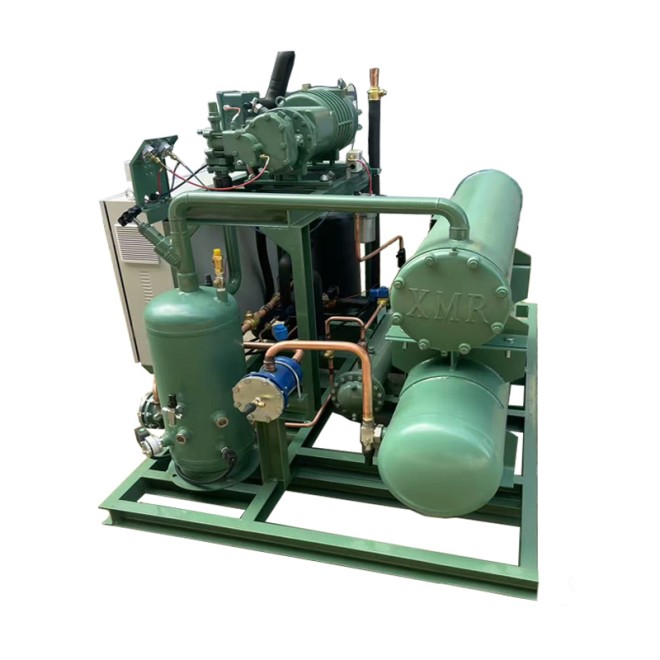
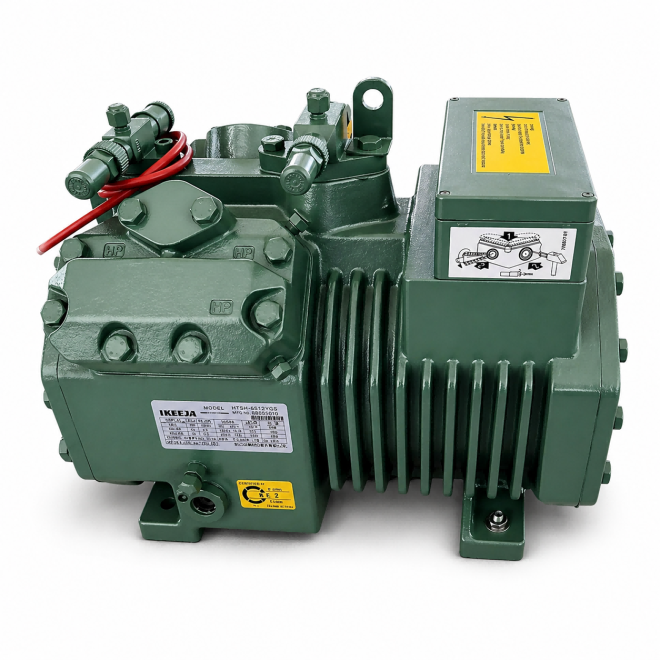
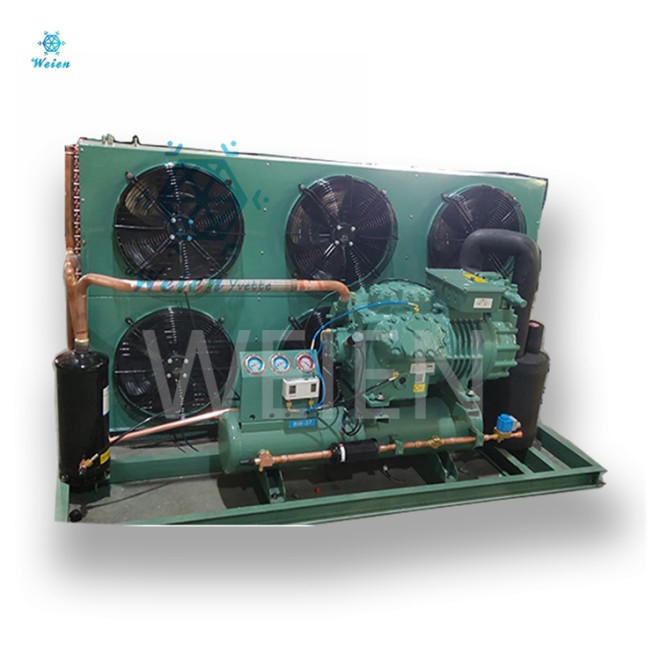
In global supply chain logistics, the maritime refrigerated container (widely known as a "reefer") is the unsung hero. It ensures that perishable goods—ranging from fresh Ecuadorian bananas and premium Chilean wines to sensitive life-saving biopharmaceuticals—cross vast oceans without losing their quality. At the heart of every reefer’s refrigeration cycle lies the AC condenser unit. The primary function of this unit is to dissipate the heat absorbed from the cargo compartment into the surrounding atmosphere.
Because maritime reefers operate in some of the harshest environments on earth—characterized by high salinity, extreme humidity, constant vibration, and intense temperature fluctuations—the AC condenser unit is highly susceptible to wear, corrosion, and mechanical fatigue. Effective maritime reefer container maintenance is therefore not just a routine service task; it is a critical strategy to prevent multi-million dollar cargo losses and keep global shipping lines running efficiently.
According to maritime shipping statistics, refrigeration system failures account for over 60% of all insurance claims related to perishable cargo damage. A malfunctioning AC condenser unit, often caused by clogged coils, corroded fins, or failed capacitors, can lead to rapid temperature spikes inside the container, rendering entire shipments of food or pharmaceuticals useless.
The commercial shipping industry is undergoing a paradigm shift towards higher energy efficiency, lower carbon footprints, and smart monitoring. Modern container vessels carry thousands of reefers simultaneously, putting immense load on the ship’s electrical grids. Consequently, manufacturers of AC condenser units for reefers are focusing on developing high-efficiency systems that maximize heat transfer while minimizing power consumption.
Historically, standard copper-tube aluminum-fin condensers were the industry norm. However, the harsh marine atmosphere, laden with sodium chloride, rapidly degrades aluminum through galvanic corrosion. Today, the industry has transitioned toward advanced anti-corrosion materials. Hydrophobic coatings, epoxy-coated fins, and heavy-duty copper-coil configurations (such as those found in water-cooled and air-cooled industrial condenser units) have become standard requirements for maritime applications. Furthermore, the transition toward eco-friendly refrigerants with lower Global Warming Potential (GWP) is driving the redesign of condenser coils to handle higher operating pressures safely.
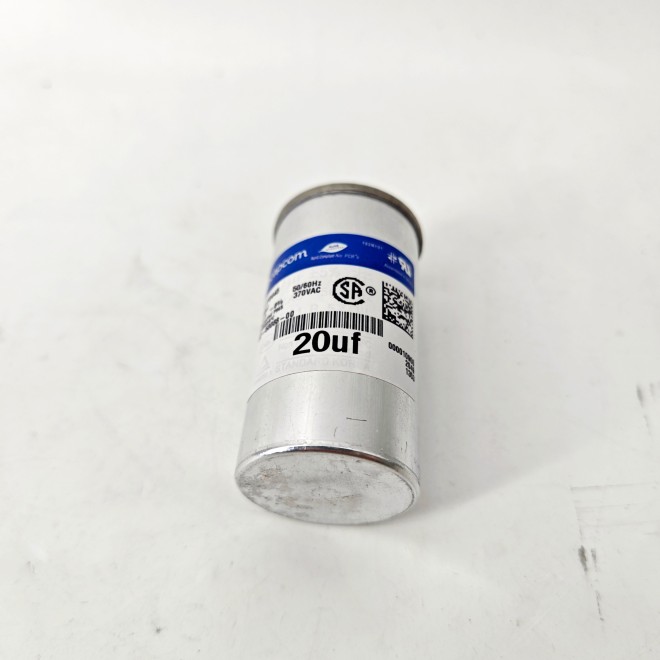
During multi-week voyages across the equator, reefers carrying fresh produce must maintain precise temperatures and humidity levels to control respiration and ripening. The AC condenser unit must continuously discharge heat under ambient conditions that can exceed 45°C. Maintenance teams at port terminals and onboard vessels rely heavily on high-quality replacement parts, such as heavy-duty condenser fan motors and robust capacitors, to keep these units running continuously.
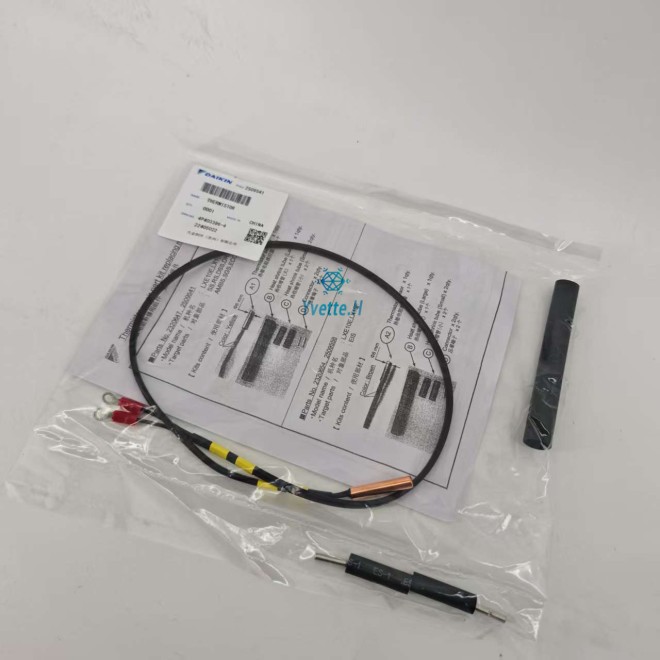
The transport of vaccines, biological samples, and specialized chemical compounds requires ultra-low temperature settings (down to -60°C). In these extreme scenarios, the condensing unit operates under immense thermal strain. Any drop in condenser efficiency directly increases the workload on the compressor, leading to premature system failure. Regular testing of thermistors and electronic control components is crucial here.
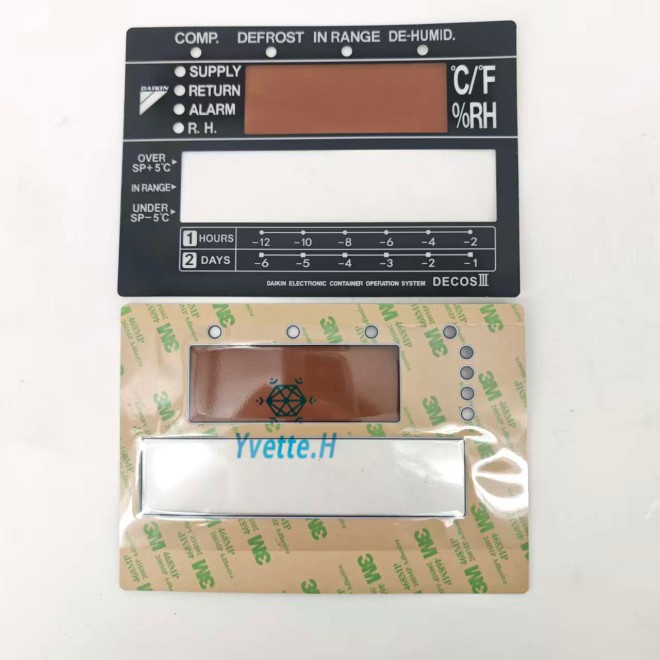
Reefers are subjected to intense mechanical stress during loading, unloading, and transition to rail or road transport. Condenser units must withstand physical impacts and sudden electrical surges at port connection points. Having a reliable supply chain for replacement controller overlays, sensors, and structural parts ensures that technicians can perform rapid repairs on-site, minimizing dwell time at ports.
Xinchang Weien Import & Export Co., Ltd. is a reliable integrated industry and trading company, serving as a one-stop sourcing hub for refrigeration equipment and spare parts. We understand that sourcing refrigeration components from multiple suppliers can be time-consuming, costly, and logistically challenging. That is why we have built a comprehensive supply chain to meet all your refrigeration needs under one roof.
Whether you are managing a fleet of maritime reefers or maintaining industrial cold storage warehouses, our goal is to provide high-performance, marine-compatible spare parts that minimize downtime and maximize operational efficiency.

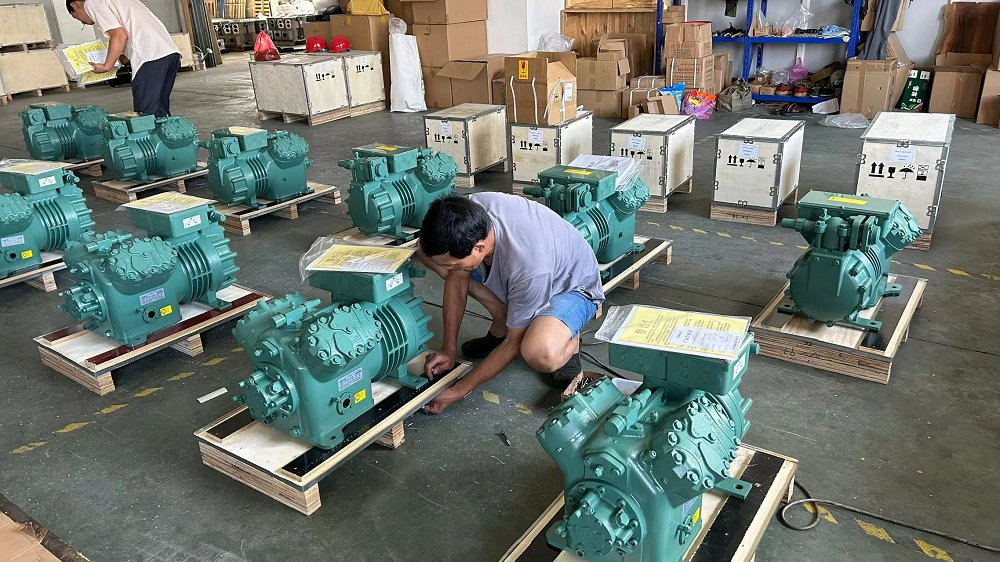
With a strong focus on quality and performance, we offer a comprehensive product portfolio compatible with world-leading brands such as Bitzer, Carrier, Thermo King, Copeland, and more. Our wide-ranging lineup covers everything from complete cold storage units to precision-engineered components, ideal for demanding maritime reefer container maintenance applications.


Whether you need a full refrigeration system for a new warehouse or individual spare parts for routine maintenance, we have the right solution for you. Our products undergo rigorous quality control to ensure they withstand the corrosive marine atmosphere and maintain high efficiency.
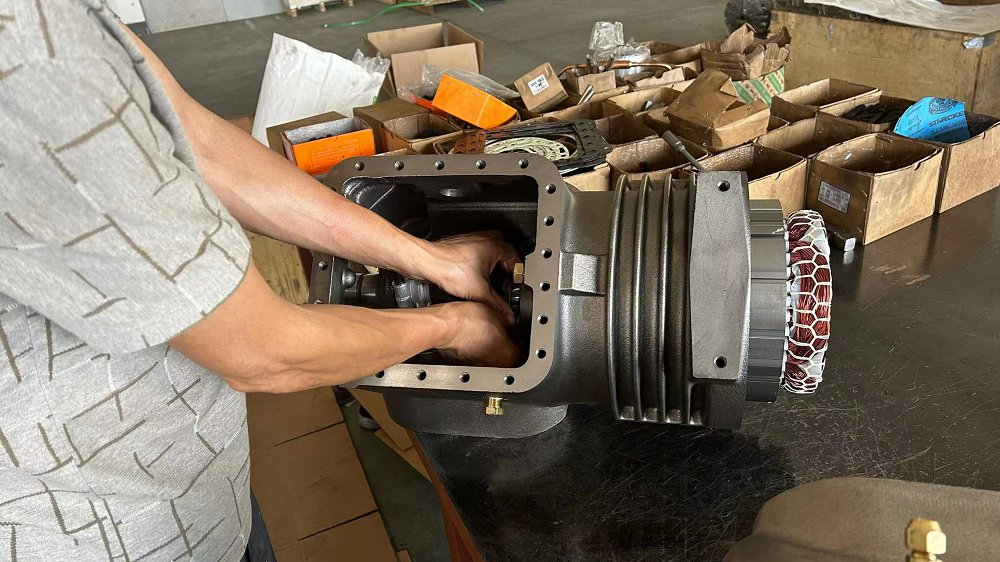
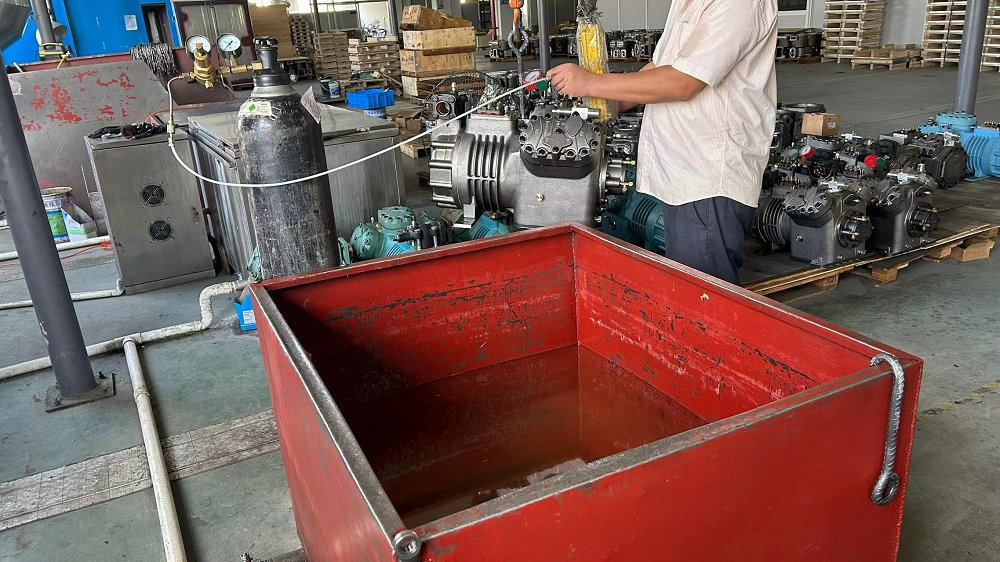
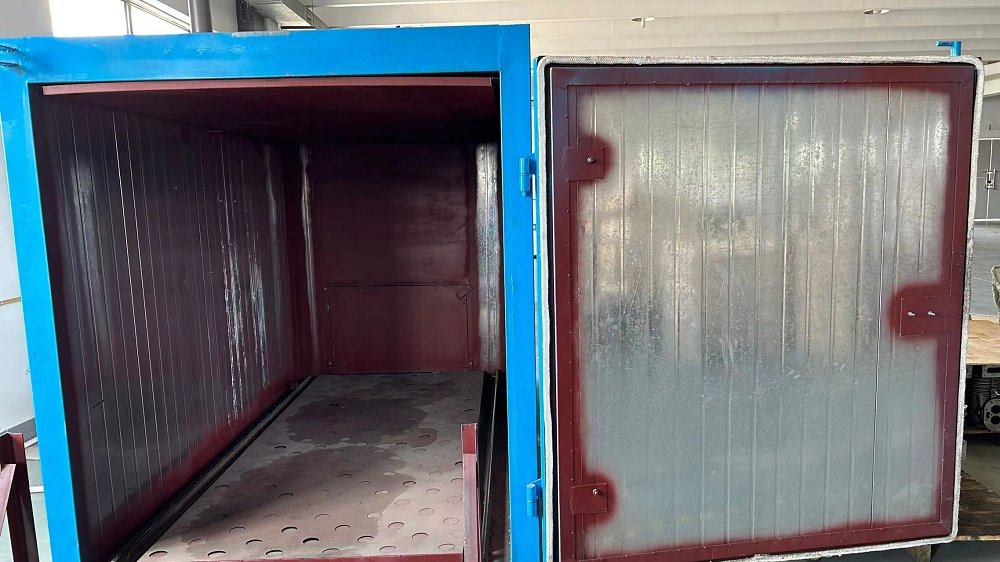
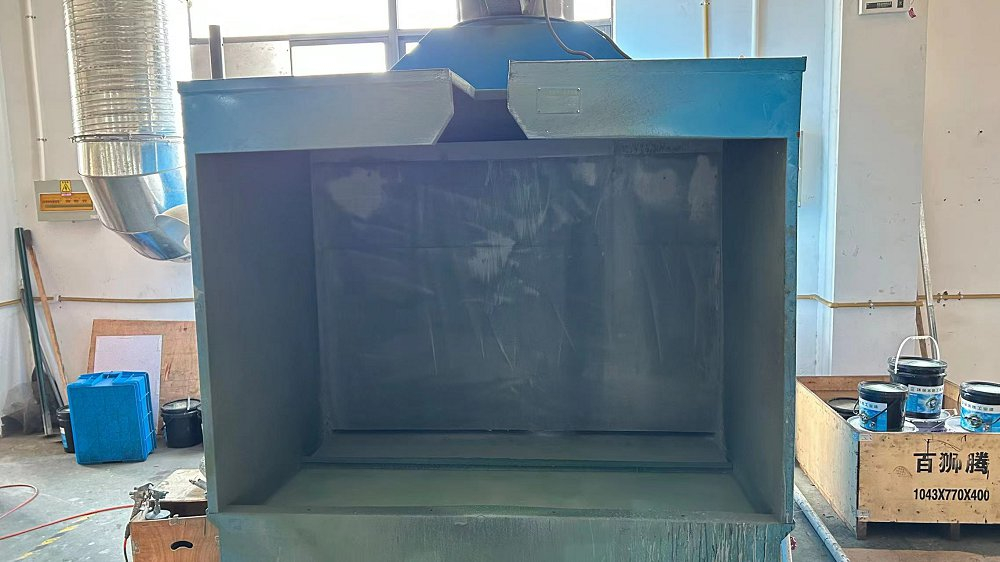
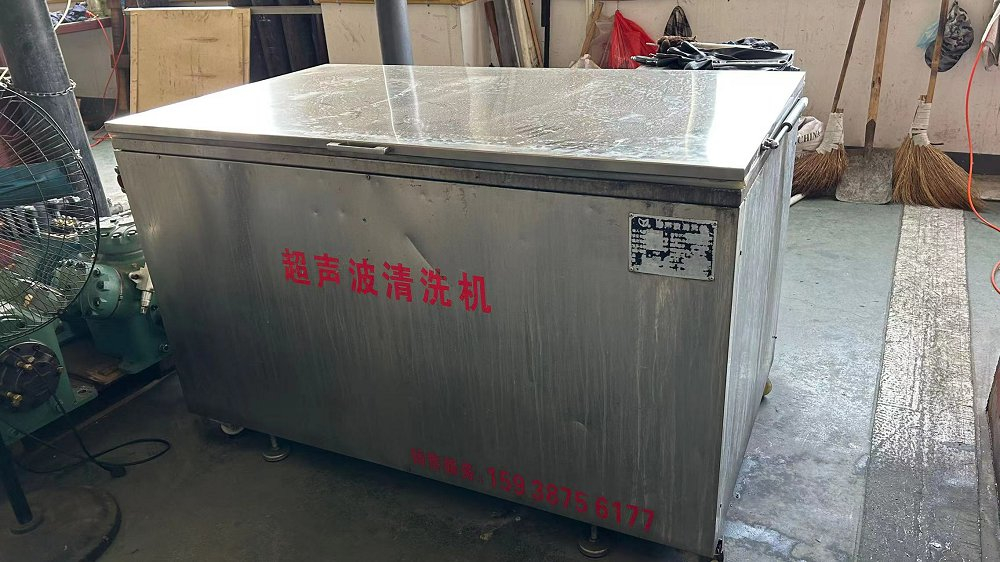
To guarantee that every AC condenser unit and replacement component performs flawlessly under harsh maritime conditions, we adhere to strict, standardized manufacturing and quality assurance workflows.
As global trade routes become busier and environmental regulations tighten, the technology powering maritime reefer units is evolving rapidly. Here are the key trends shaping the future of AC condenser units and reefer maintenance:
The integration of IoT (Internet of Things) sensors within the AC condensing unit allows ship operators to monitor discharge pressure, liquid line temperatures, and fan motor currents in real time. Instead of waiting for a unit to fail mid-ocean, predictive algorithms can identify minor irregularities—such as a degrading capacitor or slight coil blockage—and alert the crew to perform maintenance at the next port.
With international agreements like the Kigali Amendment pushing for the phase-down of hydrofluorocarbons (HFCs), modern reefers are transitioning to natural refrigerants like CO2 (R-744) or low-GWP blends. These refrigerants operate at significantly higher pressures or have different thermodynamic properties, requiring condenser units with thicker tube walls, specialized brazing techniques, and redesigned heat exchange profiles to maintain optimal system efficiency.
To combat the aggressive marine environment, manufacturers are moving beyond simple paint coatings. Electro-coating (E-coat), nano-ceramic coatings, and the use of titanium or specialized copper-nickel alloys in condenser coils are gaining traction. These materials drastically slow down galvanic and pitting corrosion, extending the service life of the condenser unit and reducing the frequency of coil replacements.
Explore our full range of high-quality spare parts and complete condensing units designed for maritime and industrial refrigeration systems.