Leave Your Message
Explore our foundational refrigeration condensing hardware and digital monitoring assemblies optimized for cold rooms and rigorous food processing plant environments.
In modern industrial food manufacturing, the air conditioning and refrigeration condenser unit functions as the thermal exhaust anchor of the entire processing chain. Food production facilities are characterized by intensely variable thermodynamic loads: hot steam generated during blanching and pasteurization contrasts sharply with the sub-zero thermal equilibrium required in nearby blast freezers and storage corridors. The efficiency and reliability of the outdoor aircon condenser unit directly determine whether a facility maintains strict compliance with international food hygiene codes, such as Hazard Analysis Critical Control Point (HACCP), the Global Food Safety Initiative (GFSI), and FDA food handling mandates.
A failure or thermal stall at the condensation stage causes head pressure spikes within the refrigeration circuit, drastically reducing compressor volumetric efficiency, triggering unnecessary electrical surges, and risking localized temperature abuse. In automated meat processing facilities, seafood packaging operations, or multi-temperature logistics hubs, even a 1.5°C deviation in cold storage holding rooms can accelerate bacterial proliferation, degrade enzymatic stability, and induce rapid surface moisture loss (shrinkage), causing tens of thousands of dollars in lost yields daily. Hence, heavy-duty air-cooled condensers built with internally grooved copper tubing and engineered hydrophilic aluminum fin geometries represent non-negotiable infrastructure.
The thermodynamic task assigned to an aircon condenser unit operating within an industrial food processing perimeter is significantly more punishing than commercial HVAC applications. Industrial processing environments produce high concentrations of airborne moisture, organic fatty acids, and airborne salt residues, which continuously assault coil face areas.
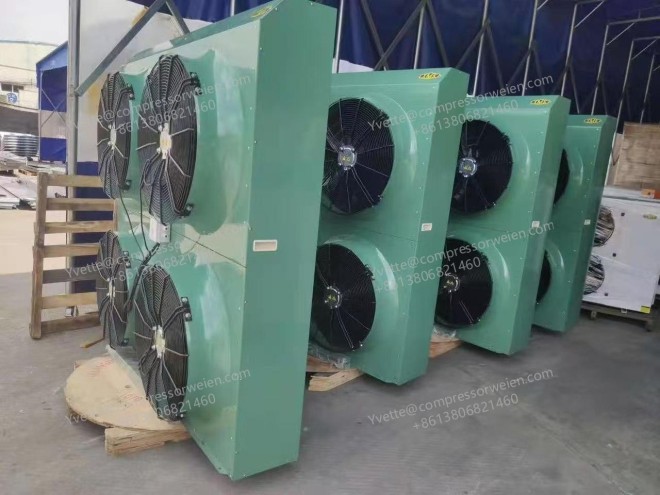
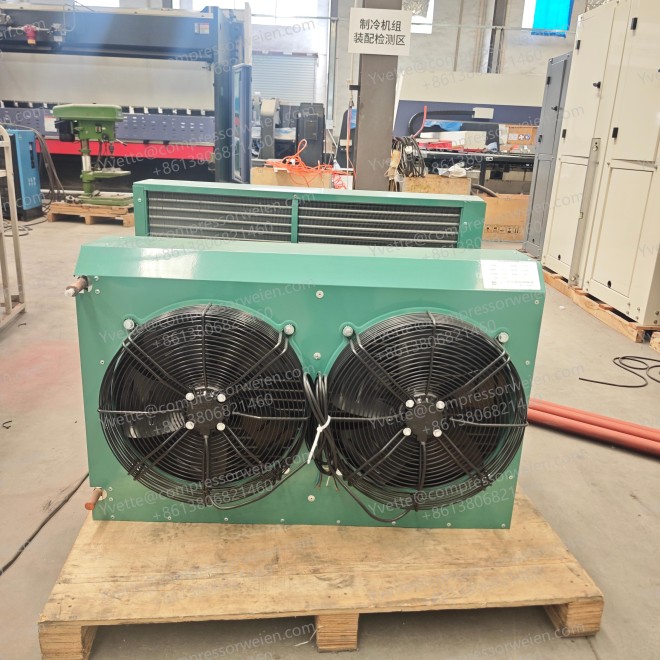
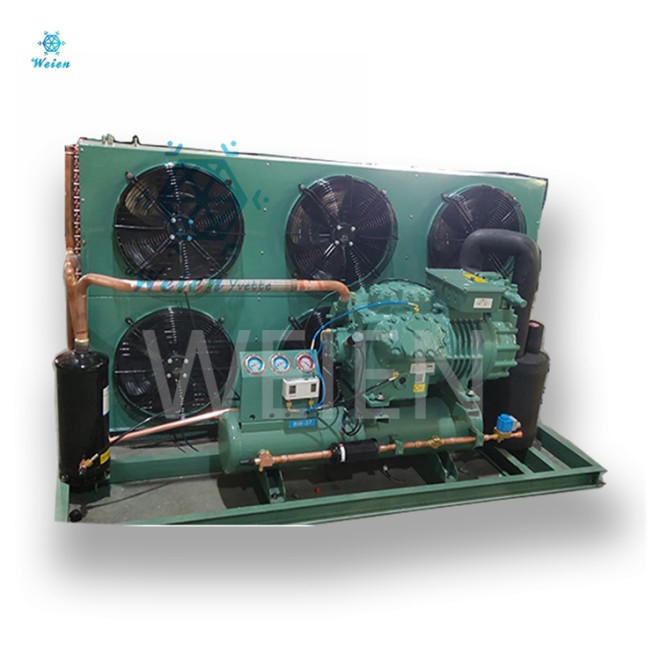
To overcome high latent heat loads, contemporary air-cooled condensers deploy multi-fan high-velocity crossflow configurations. These systems leverage micro-rifled internal copper tubes that agitate the turbulent boundary layer of the superheated discharge gas entering from screw or semi-hermetic reciprocating compressors. By accelerating the transition from superheated vapor to subcooled high-pressure liquid, modern condensers deliver maximized coefficient of performance (COP) metrics even during extreme summertime peak ambient dry-bulb temperatures above 45°C.
Dedicated liquid subcooling loops ensure zero vapor flashing at the electronic expansion valves, guaranteeing uninterrupted refrigerant mass flow into high-demand evaporators.
Serrate-edge axial impeller fan blades powered by high-efficiency motors drastically lower acoustic pressure levels while sustaining optimal static pressure across tightly spaced fin packs.
The industrial food refrigeration sector is undergoing a massive transformation driven by carbon mitigation policies, F-Gas phase-downs, and the integration of artificial intelligence into building management systems (BMS). Plants are shifting away from traditional high-GWP refrigerants toward hydrofluoroolefins (HFO blends like R448A, R449A) and natural refrigerants like CO2 (R744) and Ammonia (R717). This operational pivot places new structural and pressure tolerances on condensing coils, requiring burst ratings exceeding 90 bar in trans-critical CO2 gas cooler systems.
Dynamic fan motor modulating algorithms match condensing pressure with instantaneous ambient wet- and dry-bulb temperatures, preventing compressor over-cycling and reducing electrical consumption by up to 35%.
To resist corrosive sanitize-down detergents, sodium chloride vapors, and coastal atmospheres, condensing coils receive polyurethane, epoxy, or hydrophilic blue-fin coatings tested for 3,000+ hours salt spray resistance.
Integrated solid-state pressure transducers and temperature micro-sensors continuously stream condensing head pressures and liquid line temperatures to remote diagnostics hubs for early failure detection.
Different categories of food products demand unique thermodynamic profiles. Operating an aircon condenser unit in a bakery proofing environment requires vastly different load calculation methodologies than operating within an industrial slaughterhouse carcass chiller. Here is how modern condensing hardware is specialized across demanding verticals:
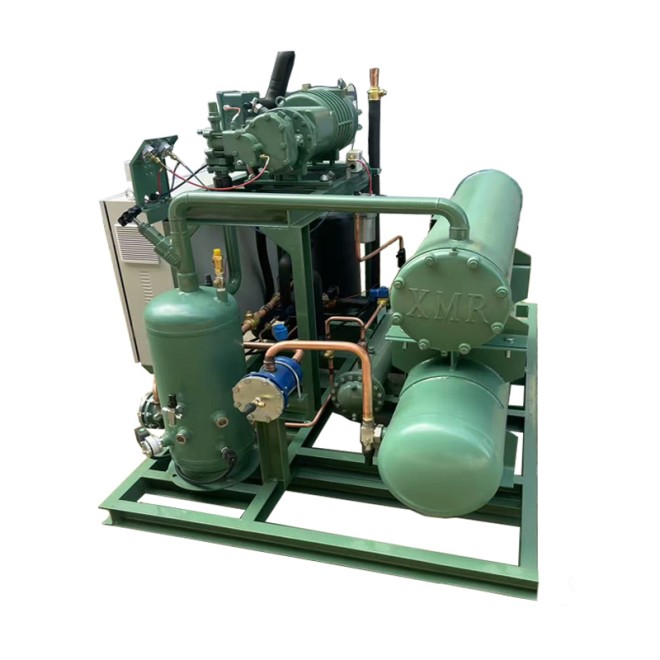
Following post-slaughter sanitization, meat carcasses introduce colossal sensible and latent heat loads into cooling rooms. Condenser units must maintain aggressive heat extraction without allowing suction pressures to drop below thresholds that cause severe carcass dehydration. Weatherproof semi-hermetic and screw condensing systems handle high mass flow rates, ensuring steady 0°C to +4°C room temperatures and preventing carcass shrinkage while preserving meat color and yield weight.
Seafood processing plants operate rapid-freezing tunnels requiring evaporative temperatures down to -40°C. The condensing unit must manage massive compression ratios. Heavy-duty 120m2-class air-cooled multi-fan condensers maintain lowest achievable condensing temperatures, relieving discharge stress on multi-stage or economizer screw compressors and avoiding oil breakdown caused by extreme discharge temperatures.
Cheese curing caves, yogurt maturation chambers, and fluid milk processing require razor-sharp temperature control (+/- 0.5°C) coupled with humidity management to support microbial culture vitality while suppressing mold formation. Air-cooled condensing assemblies with digital capacity modulators allow incremental stepless adjustments, aligning cooling output directly with batch fermentation rates.
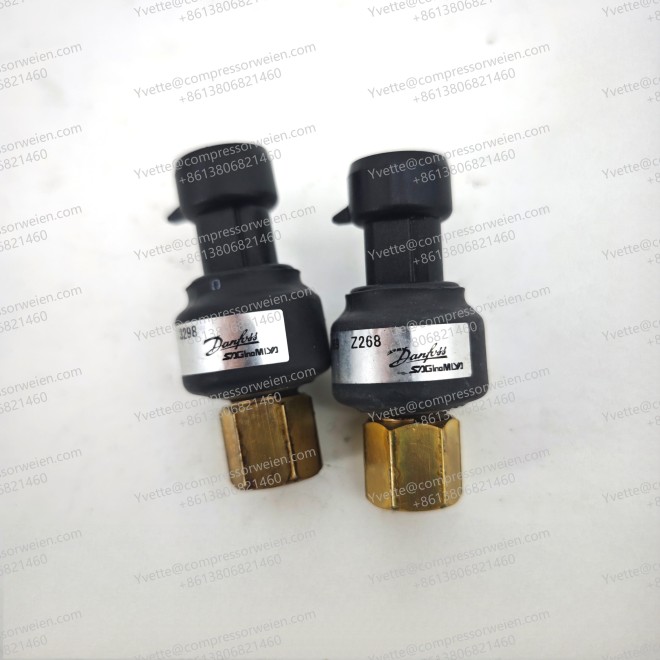
Horticultural storage facilities slow down fruit respiration through low temperatures and modified atmospheric gas blends (O2 and CO2). Excessive temperature fluctuations trigger ethylene production and rapid spoilage. Highly responsive condenser units equipped with precision NSK pressure transmitters ensure stable evaporation temperatures, mitigating fin coil frosting and maintaining relative humidity at optimal 90-95% levels.
When engineering directors and facility managers select an aircon condenser unit for industrial food cold storage, procurement cost represents only 15% of lifetime expenditures. Electrical utility costs account for roughly 70%, with the remaining 15% spent on routine maintenance, coil descaling, and refrigerant top-ups. Choosing an under-sized or poorly constructed condenser generates continuous operational bottlenecks:
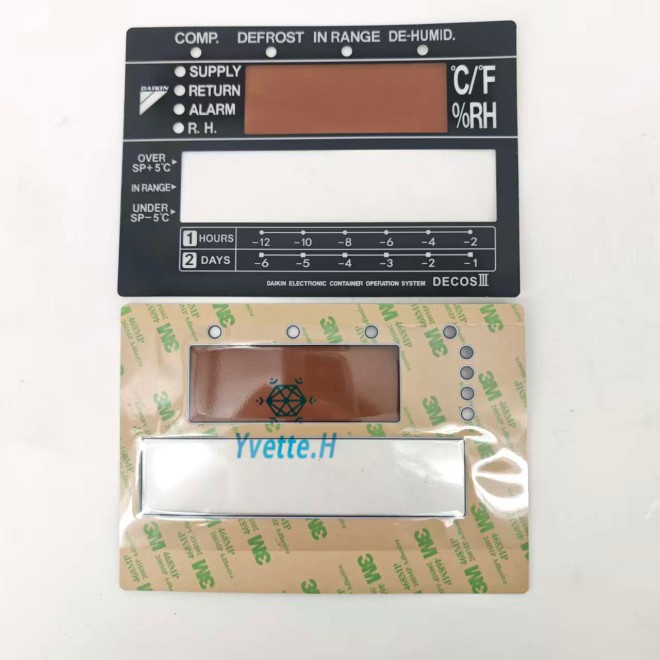
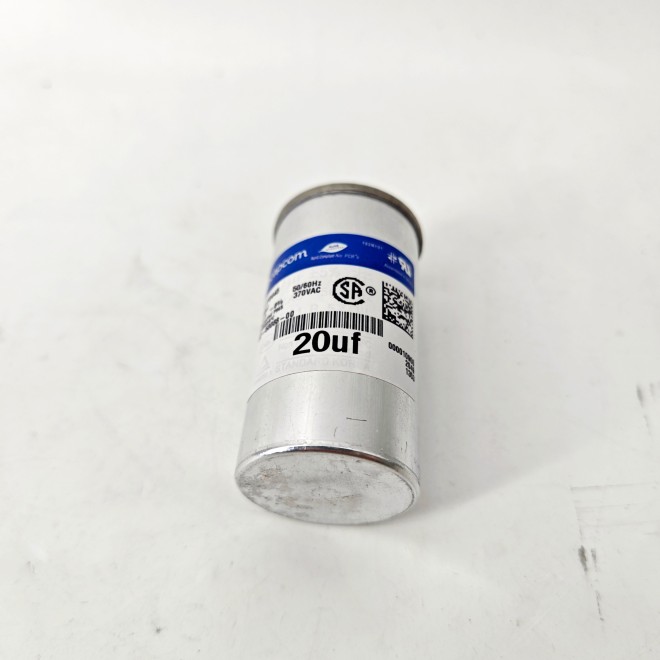
A condenser that operates with an elevated condensing temperature (just 5°C higher than nominal design) imposes approximately a 12% to 15% penalty on compressor power draw while diminishing total refrigeration capacity by nearly 8%. Over a typical 8,000-hour operational year in an industrial food plant, this head-pressure penalty can waste tens of thousands of kilowatt-hours. Standardizing your facility's infrastructure with heavy-gauge galvanized steel housings, weather-sealed electrical junction cabinets, premium motor capacitors, and internationally standardized sensor architectures (like NSK transmitters and modular controller overlays) ensures rapid on-site maintenance, minimizes unbudgeted plant shutdowns, and guarantees extended asset lifespans exceeding 15 to 20 years.
Whether you are setting up a new refrigeration system or maintaining existing equipment, we provide flexible solutions for both commercial and industrial applications. Our clients include cold storage warehouses, food processing plants, supermarket chains, transport refrigeration companies, and logistics providers.
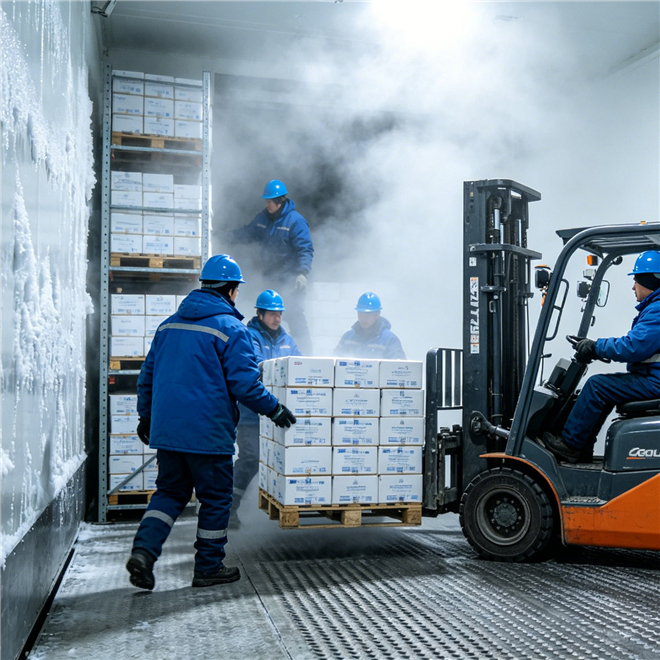

Lies in our extensive inventory and product diversity — reducing the need for multiple suppliers and simplifying your procurement process. By consolidating your sourcing with us, you save time, reduce shipping costs, and minimize administrative overhead.
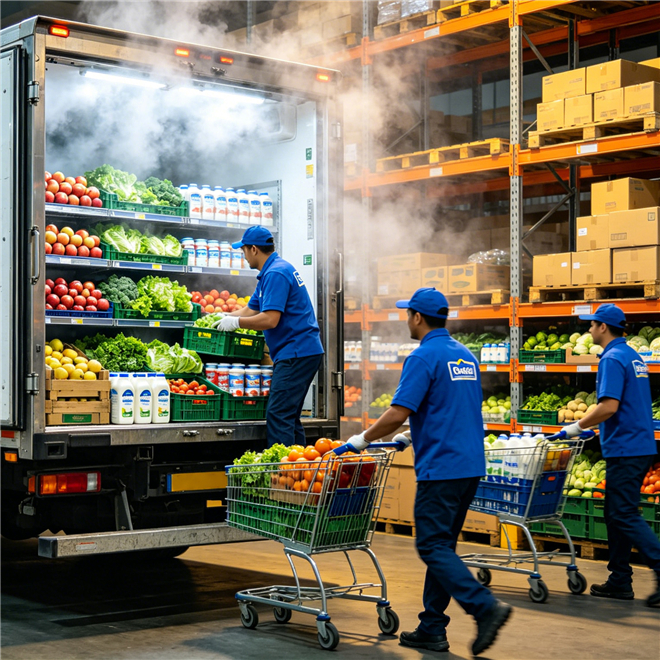
At Xinchang Weien, customer satisfaction is at the core of what we do. With solid industry expertise and a commitment to reliable service, we don't just supply products — we aim to exceed your expectations and support the long-term success of your refrigeration operations. Contact us today to experience the convenience of one-stop refrigeration sourcing.
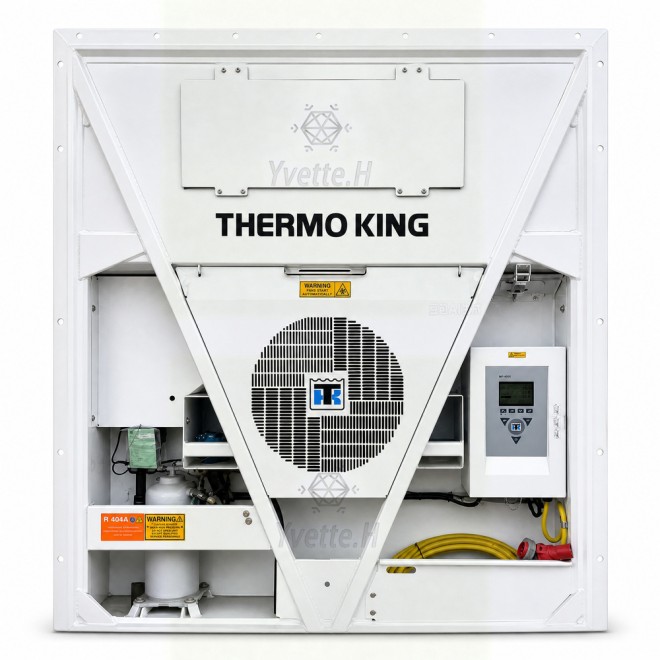
Review our complete spectrum of air-cooled condensers, semi-hermetic condensing units, screw compressor assemblies, and precision replacement parts tailored for cold storage and refrigerated transit.