The Critical Importance of Ammonia Oil Separators in Bitzer Compressor Aftermarket Systems
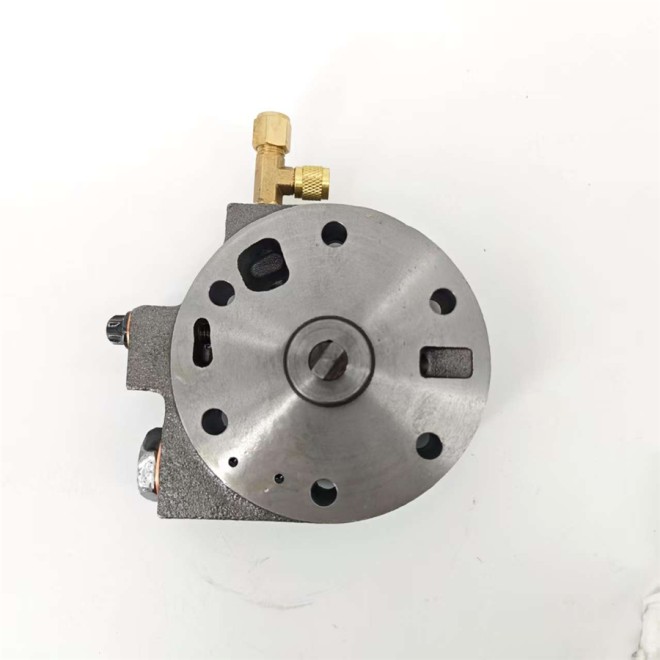
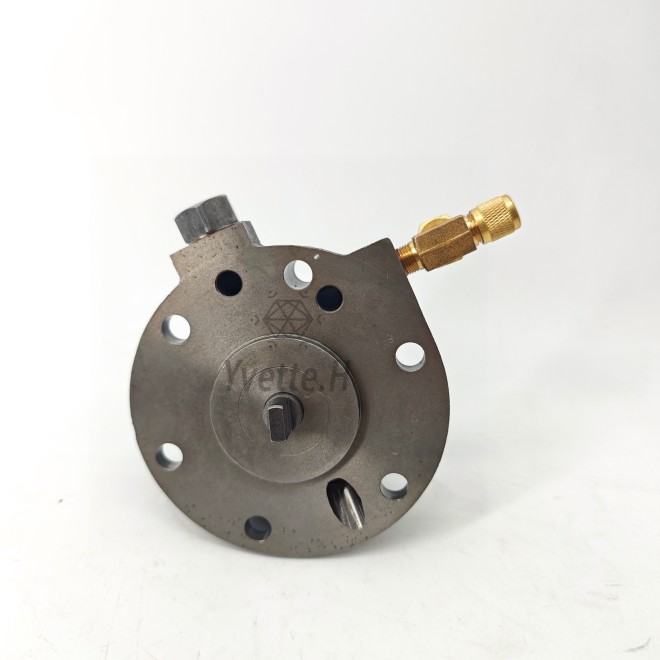
In industrial refrigeration, ammonia (R717) stands out as one of the most efficient, cost-effective, and environmentally friendly refrigerants available. With a Global Warming Potential (GWP) of zero and an Ozone Depletion Potential (ODP) of zero, ammonia remains the preferred choice for large-scale cold storage, food processing, and chemical processing plants globally. However, managing an ammonia-based system presents unique engineering challenges, particularly regarding lubrication. This is where the Ammonia Oil Separator For Bitzer Compressor Aftermarket Replacement becomes an indispensable component of your system's longevity and thermodynamic efficiency.
Unlike synthetic halocarbon refrigerants, ammonia and standard compressor lubricating oils are immiscible. This means they do not mix or dissolve into one another. When oil escapes from the compressor crankcase or screw rotors into the discharge line, it travels through the system as an aerosol or fine mist. If this oil reaches the condenser and evaporator, it coats the internal heat transfer surfaces, creating a thermal barrier. Even a microscopic layer of oil on evaporator tubes drastically reduces heat transfer rates, forcing the compressor to work harder, consume more energy, and ultimately shorten its operational lifespan. A high-efficiency aftermarket oil separator tailored for Bitzer compressors ensures that oil is captured immediately after leaving the compressor discharge port and returned safely to the lubrication circuit.
Because ammonia and oil do not mix, any oil that enters the low-pressure side of the system will settle at the bottom of evaporators and vessels. Without a highly efficient separation system at the compressor discharge, manual oil draining becomes a frequent, hazardous task, and system efficiency will drop by up to 30% over time.
Industrial Status and Market Dynamics of Bitzer Compressor Aftermarket Parts
Bitzer is globally recognized for manufacturing robust, high-performance screw and reciprocating compressors. These machines are the heart of countless industrial refrigeration plants. However, like all mechanical systems operating under high pressure and temperature gradients, components wear down. The demand for reliable aftermarket replacements, such as specialized ammonia oil separators, has grown exponentially over the past decade.
Historically, facility managers relied exclusively on Original Equipment Manufacturer (OEM) parts. However, modern manufacturing advancements have allowed aftermarket specialists to engineer replacement components that match, and in some cases exceed, the performance criteria of original units. Aftermarket oil separators offer a compelling value proposition: they reduce lead times, lower maintenance overhead, and provide customized filtration options that are often unavailable directly from the OEM. In an era of volatile supply chains, having access to high-quality aftermarket replacements ensures that industrial plants can maintain continuous operation without waiting weeks or months for OEM imports.
Deep Application Scenarios: Where the Aftermarket Separator Excels
The application of an Ammonia Oil Separator For Bitzer Compressor Aftermarket Replacement spans several heavy-duty industries, each with specific operating conditions:
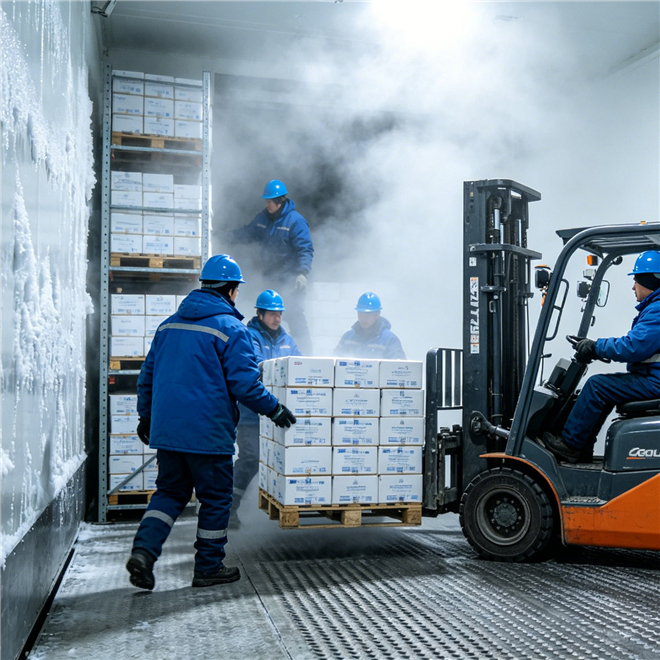
1. Ultra-Low Temperature Cold Storage Warehouses: In large distribution hubs, maintaining temperatures between -20°C and -40°C is critical. At these low temperatures, any oil carried over from the compressor becomes highly viscous and thick, making it extremely difficult to remove from the evaporator coils. A high-efficiency coalescing oil separator prevents this oil carryover, keeping the evaporator coils clean and ensuring the facility operates at peak COP (Coefficient of Performance).
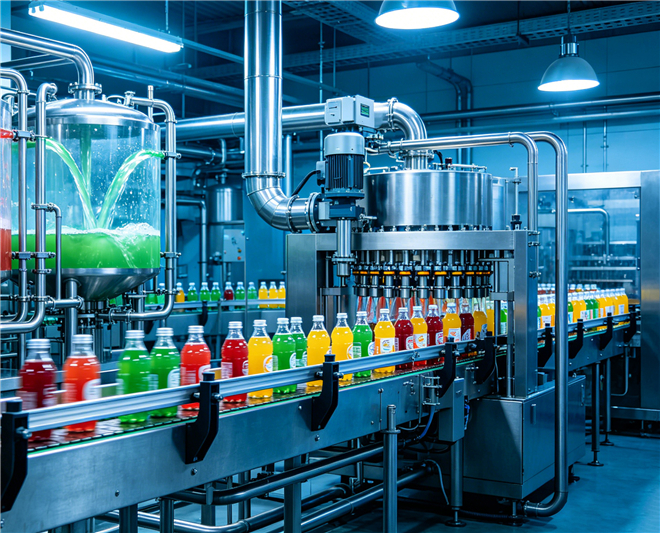
2. Food and Beverage Processing Facilities: From dairy pasteurization to quick-freeze poultry lines, these plants require precise temperature control and maximum uptime. Any unexpected shutdown due to compressor lubrication failure can result in thousands of dollars of spoiled product. High-performance aftermarket separators ensure constant oil pressure is returned to the Bitzer compressor, protecting its bearings and rotors during rapid load fluctuations.
3. Marine and Transport Refrigeration: Onboard fishing vessels and refrigerated cargo ships, space is at a premium and maintenance must be performed under challenging conditions. Aftermarket separators designed with compact footprints and easily accessible coalescing elements allow marine engineers to perform routine filter swaps quickly, keeping the vessel's cooling plant operational throughout long voyages.
Technological Advancements and Future Development Trends
The refrigeration industry is undergoing a digital and ecological transformation. The design of ammonia oil separators is evolving to align with these trends:
Advanced Multi-Stage Coalescing Technology: Modern aftermarket separators utilize multiple stages of separation. The first stage uses mechanical separation (such as centrifugal force or baffle plates) to knock out large oil droplets. The second stage employs high-density micro-glass coalescing elements that force tiny oil aerosols to merge into larger droplets and drop into the oil sump. This multi-stage approach regularly achieves oil carryover rates of less than 3 to 5 parts per million (ppm).
Integration with Smart Diagnostics (IoT): As industrial plants adopt Industry 4.0 standards, oil separators are increasingly fitted with smart sensors. Differential pressure transmitters monitor the restriction across the coalescing elements, alerting operators via PLC systems when a filter change is required. This shifts maintenance from a reactive or schedule-based approach to predictive maintenance, saving both labor costs and preventing filter ruptures.
Low-Charge Ammonia Systems: There is a major industry shift towards lowering the overall ammonia charge in facilities to enhance safety. Low-charge systems rely on highly efficient components because there is less buffer volume. An aftermarket separator must perform flawlessly to ensure that the minimal amount of ammonia circulating does not carry oil into the compact heat exchangers typical of low-charge designs.