Leave Your Message
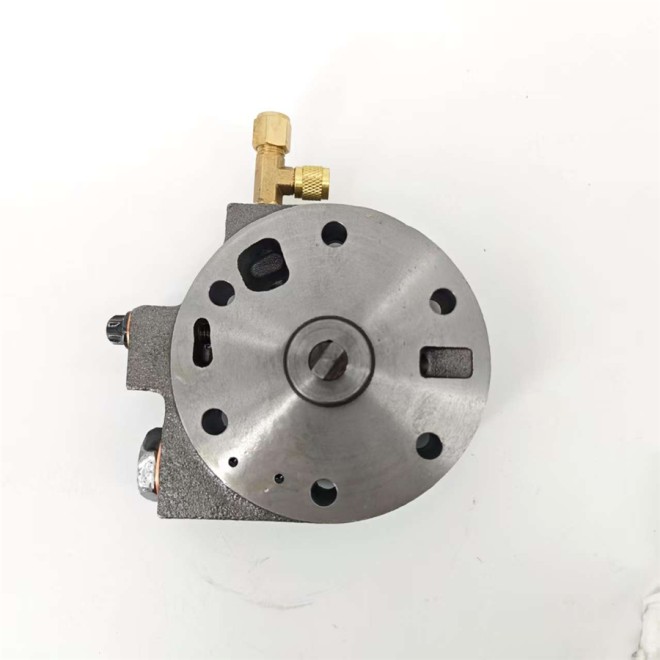
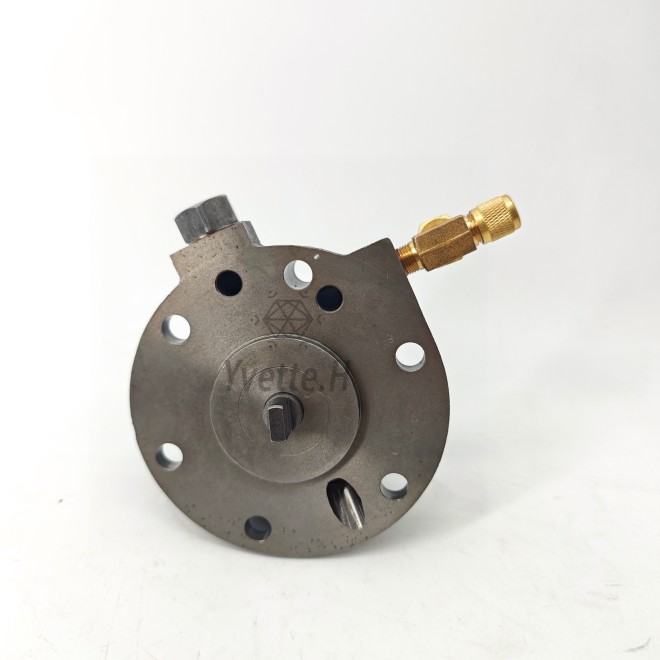
Precision oil management devices, positive displacement pump assemblies, and digital differential sensors engineered to uphold optimal compressor lubrication and prevent oil carryover into ammonia evaporator loops.
Why separating refrigeration lubricants from anhydrous ammonia (R717) vapor streams represents the single most decisive thermodynamic factor governing operational expenditure, product safety, and mechanical longevity in food manufacturing cold storage.
In modern food processing facilities—ranging from red meat slaughterhouses and poultry processing lines to dairy cold chains and industrial blast freezers—anhydrous ammonia (chemical formula R717 / NH₃) remains the undisputed industrial refrigerant of choice. Ammonia offers unbeatable latent heat of vaporization (1,369 kJ/kg at 0°C), zero Ozone Depletion Potential (ODP = 0), and zero Global Warming Potential (GWP = 0). However, unlike halocarbon refrigerants, pure ammonia is completely immiscible with standard mineral lubricating oils and synthetic polyalphaolefin (PAO) lubricants under standard refrigeration operating envelopes.
When industrial screw or reciprocating compressors compress ammonia gas, extreme discharge temperatures (often ranging from 65°C to 110°C) cause a portion of the compressor lubricating oil to aerosolize, creating micron and sub-micron oil droplets suspended within the hot discharge vapor. If this oil bypasses the Ammonia Oil Separator, it travels uninhibited into condensers, liquid receivers, thermostatic or electronic expansion valves, and ultimately into the low-temperature evaporator coils located directly within the cold storage rooms.
An internal oil film of merely 0.1 mm (100 microns) inside an ammonia evaporator coil slashes the overall thermal heat transfer coefficient (U-value) by up to 25% to 40%.
To overcome fouled evaporator resistance, the system must drop its saturated suction temperature. Every 1°C reduction in suction temperature increases compressor electric energy consumption by 2.5% to 3.5%.
Examining the physics of mechanical impingement, centrifugal cyclonic flow, and borosilicate coalescing elements engineered to safeguard large-scale industrial cold storage plants.
The initial stage of a heavy-duty industrial ammonia oil separator relies on velocity reduction coupled with inertial impact plates or cyclonic swirl vanes. As high-velocity superheated discharge vapor enters the expanded vessel diameter, linear velocity drops precipitously from roughly 20–25 m/s down to less than 1.5 m/s.
Dense oil droplets greater than 20 microns possess substantial kinetic momentum, causing them to break free from the gas trajectory and collide violently against stainless steel target baffles. The droplets coalesce on the vessel wall and gravitate downward into the heated lower sump reservoir, preventing thermal re-entrainment into the outbound ammonia stream.
Sub-micron aerosols (ranging from 0.1 to 3.0 microns) cannot be removed solely by mechanical gravity or centrifugal vortices. Modern ammonia oil separators deploy secondary and tertiary borosilicate micro-glass fiber coalescing cartridges.
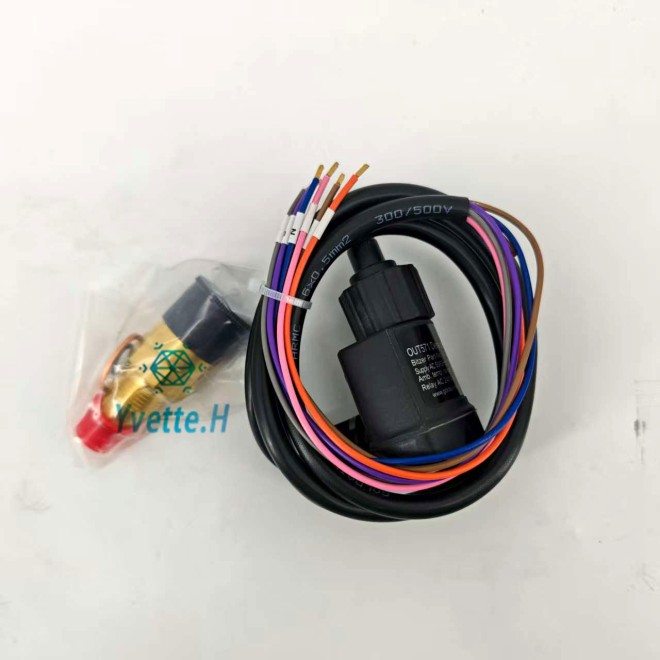
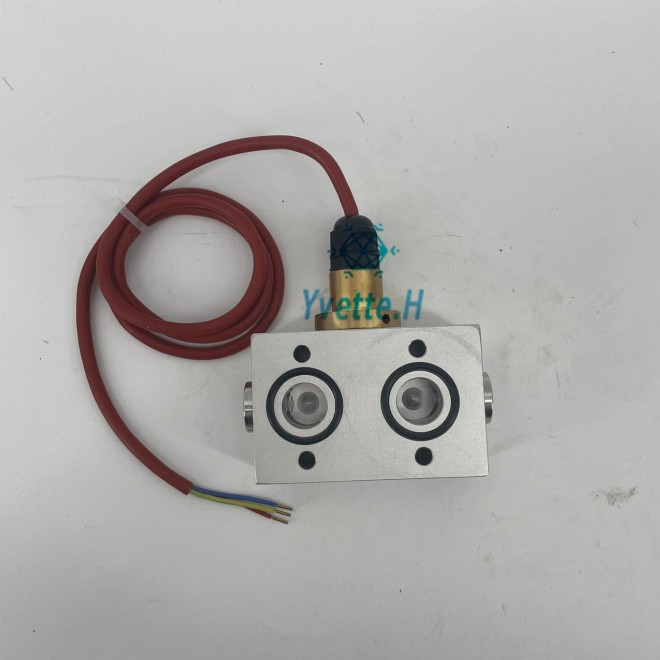
These multi-layered, oleophobic matrices exploit Brownian motion and direct interception mechanisms. Microscopic oil droplets become entrapped within the randomized fibrous web, merging into larger liquid droplets that migrate toward the outer mesh shroud and descend into the secondary collection basin. Precision differential switches such as the OUT571 Differential Sensor monitor pressure drop across these elements to alert operators before pore saturation compromises separator integrity.
| Separation Stage | Operating Principle | Target Droplet Spectrum | Residual Oil Concentration | Typical Application in Food Plants |
|---|---|---|---|---|
| Primary Baffle & Cyclone | Inertial impingement & cyclonic centrifugal vectoring | > 25 microns | 200 – 500 ppm | Booster stages & medium-temp cold storage |
| Demister Wire Mesh Pad | Impingement surface tension coalescing | 10 – 25 microns | 50 – 150 ppm | Secondary receiver prep & chill room distribution |
| Micro-Glass Coalescing Cartridge | Brownian diffusion, interception & pore coalescence | 0.1 – 5 microns | < 3 – 5 ppm | IQF spiral blast freezers (-35°C to -45°C) |
| Integrated Multistage Vessel | Combined Cyclonic + Demister + Dual Coalescing + Sump | 0.01 – 100 microns | < 1 – 2 ppm | Central low-charge ammonia logistics centers |
Cold storage facilities differ radically based on product velocity, ambient thermal loads, moisture ingress, and target room temperatures. Here is how ammonia oil separators adapt across diverse sectors.
In Individual Quick Freezing (IQF) systems for shrimp, berries, diced poultry, and bakery items, ammonia operates under deep vacuum or minimal suction pressures. At these extreme cryogenic temperatures, mineral oil becomes thick like asphalt (pour points violated), creating impenetrable insulating sludge on evaporator pipe interiors. Ultra-efficient coalescing separators are compulsory to ensure zero oil migration.
Modern 3PL distribution warehouses simultaneously maintain ice cream freezers (-28°C), chilled meat chambers (-2°C), dairy vaults (+2°C to +4°C), and dock staging zones (+10°C). Variable load profiles require modulating screw compressors equipped with positive displacement oil pumps, precision flow sensors, and multi-stage separators capable of handling swinging vapor velocities without foaming or bypass.
Beef and pork processing requires rapid post-slaughter carcass pull-down to eliminate bacteriological pathogens (e.g., Salmonella, Listeria). Severe peak refrigeration shock-loads generate heavy foaming inside compressor crankcases. Separators in these meat plants incorporate oversized drop-out reservoirs, high-capacity internal electric heaters, and automatic oil return solenoids to preserve compressor lubrication.
Continuous milk pasteurization chillers and falling-film glycol chillers utilize flooded plate-and-frame heat exchangers. Flooded plate heat exchangers feature narrow internal channels that can choke immediately upon contact with oil film. Separators paired with calibrated oil flow monitors and optical oil level transmitters guarantee clean vapor delivery to maintain ultra-precise temperature bands.
From AI-driven predictive diagnostics to low-charge packaged penthouses, discover the breakthrough engineering trends defining next-generation food processing cold chains.
Regulatory mandates—such as OSHA Process Safety Management (PSM) and EPA Risk Management Program (RMP) in the United States, along with the EU Pressure Equipment Directive—have catalyzed an accelerated transition toward Low-Charge Ammonia (LCA) chillers and rooftop packaged refrigeration units. Traditional cold storage plants historically carried 10,000 to 40,000 kg of ammonia charge across vast underground header pipes.
Modern food plants now leverage compact packaged units containing less than 1 to 2 kg of ammonia per kilowatt of cooling capacity. In these ultra-compact systems, there is zero tolerance for oil carryover; evaporator reservoirs are minute, and any lubricant displacing the ammonia charge collapses suction boiling instantly. Consequently, advanced packaged systems mandate high-precision oil separators equipped with integral oil coalescers, optical level sensors, and closed-loop automatic oil distillation return lines.
Predictive maintenance has superseded reactive oil draining in world-class food processing facilities. Smart sensor clusters monitor oil differential pressure (OUT571 series), oil flow velocities (34750106 monitors), sump temperatures, and coalescer saturation curves in real time. Industrial PLC platforms analyze baseline vibration and differential pressure trends to predict coalescer blinding weeks before thermal degradation occurs, orchestrating automated hot-gas oil return cycles without operator intervention.
While conventional hydrotreated naphthenic mineral oils remain common in legacy plants, top-tier food facilities increasingly migrate to synthetic Polyalphaolefin (PAO) and Synthetic Hydrocarbon (SHC) oils. PAOs provide dramatically lower volatility at elevated discharge temperatures, substantially reducing oil vapor formation. They maintain pumpable fluidity down to -50°C, ensuring that trace carryover can be systematically scavenged and returned to the compressor crankcase without seizing valve plates or oil pump gears.
With enterprise ESG audits scrutinizing cold storage warehouse power consumption, industrial facility managers recognize that separator performance directly underpins Scope 2 carbon footprints. Preventing oil contamination throughout heat exchanger tubing maintains designed thermodynamic Carnot efficiency, saving hundreds of thousands of kilowatt-hours annually and averting catastrophic compressor bearing failures.
Xinchang Weien Import & Export Co., Ltd. is a reliable integrated industry and trading company, serving as a one-stop sourcing hub for refrigeration equipment and spare parts. We understand that sourcing refrigeration components from multiple suppliers can be time-consuming, costly, and logistically challenging. That is why we have built a comprehensive supply chain to meet all your refrigeration needs under one roof.
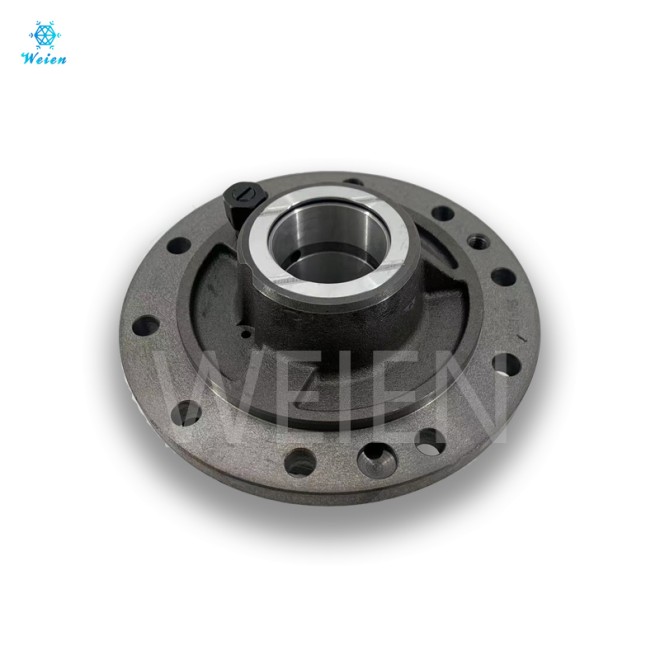
From heavy-duty industrial ammonia oil separation arrays and oil pressure switches to precision compressor pumps and internal rotating components, our solutions empower refrigeration engineering contractors, food processors, and cold storage operators worldwide to maintain peak thermodynamic efficiency and continuous cold chain reliability.
With a strong focus on quality and performance, we offer a comprehensive product portfolio compatible with world-leading brands such as Bitzer, Carrier, Thermo King, Copeland, and more. Our wide-ranging lineup covers everything from complete cold storage units to precision-engineered components.



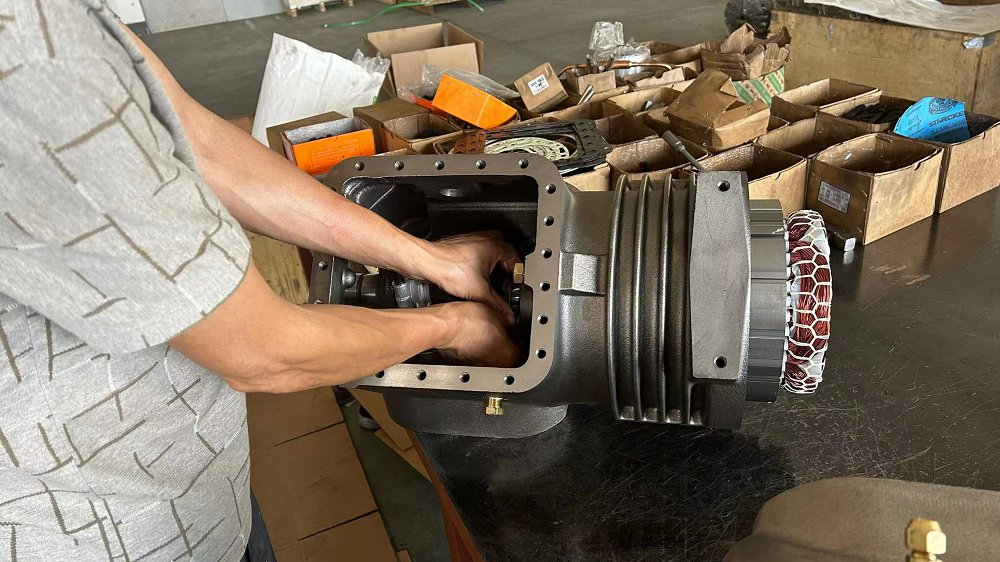
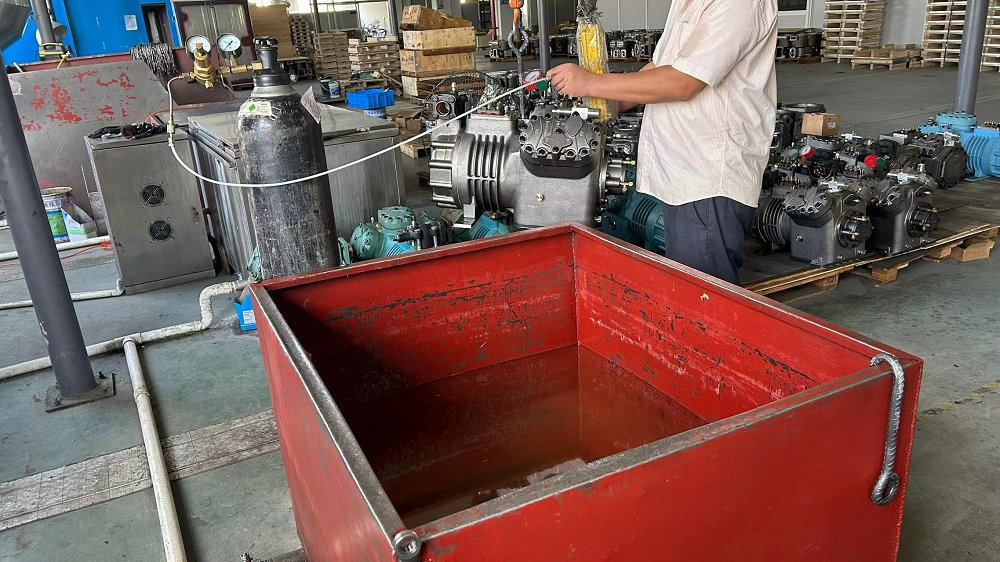
Every component and assembly undergoes strict multi-stage quality manufacturing protocols to guarantee pressure containment, gas tightness, surface purity, and long-term chemical durability under harsh ammonia operating environments.

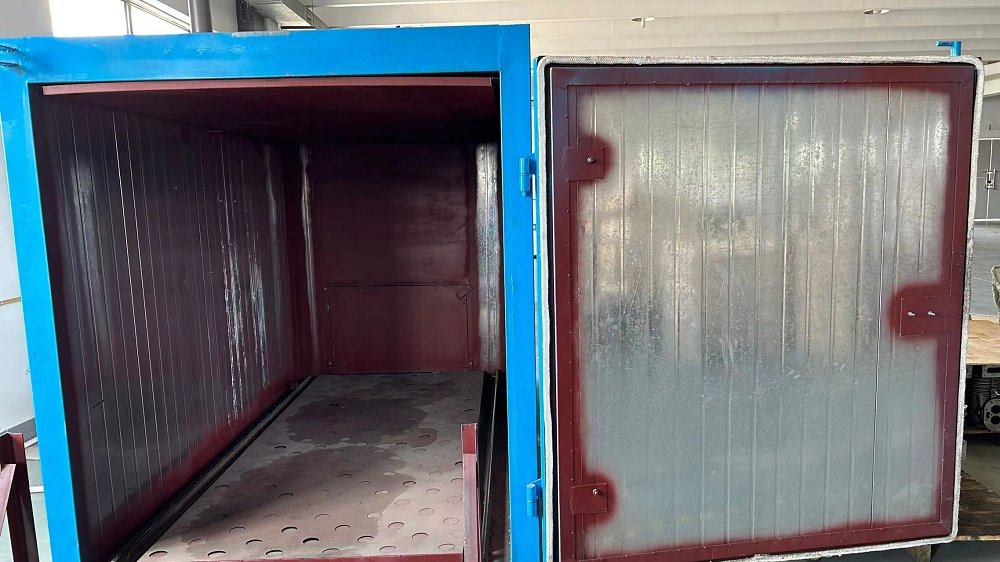
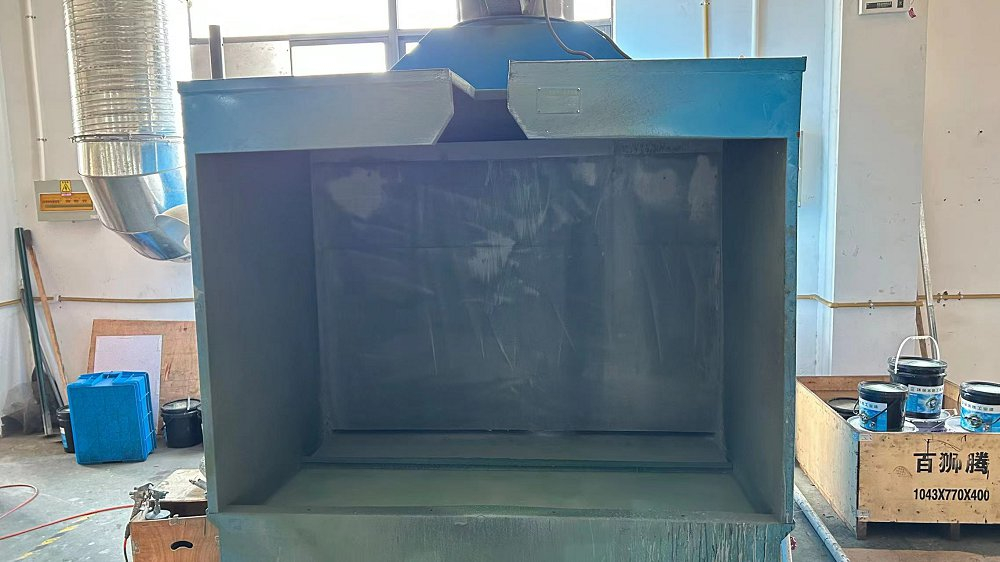
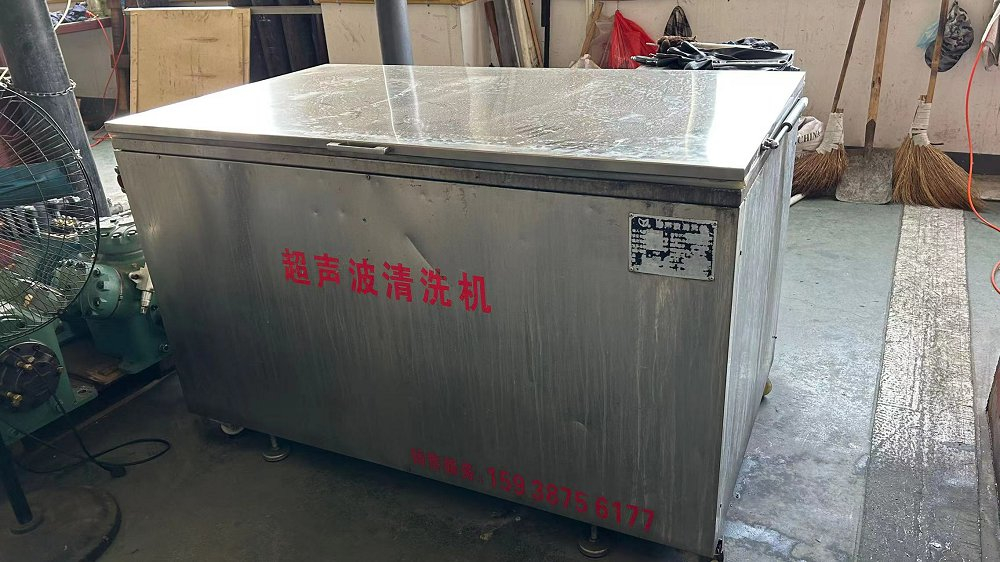
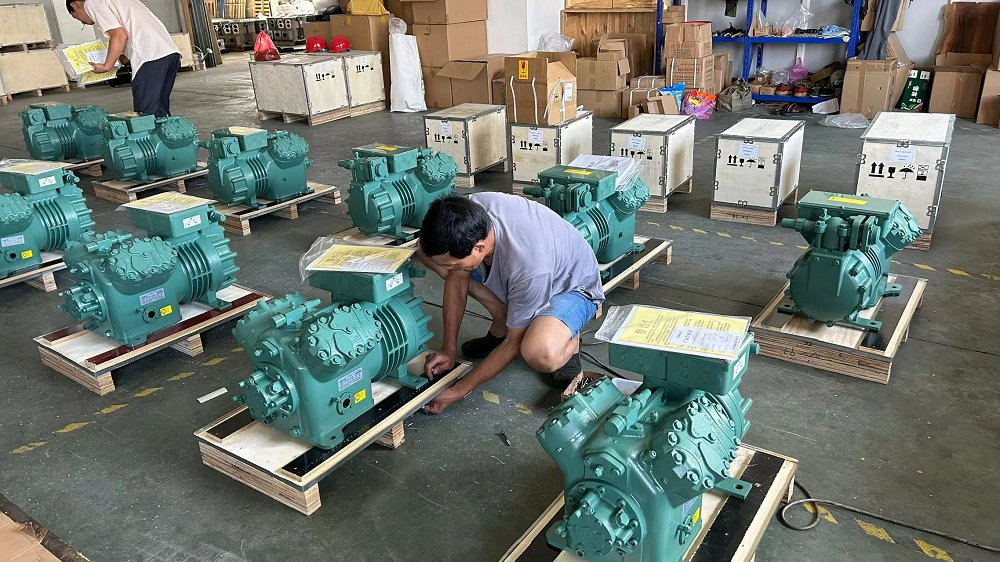
Browse our precision portfolio of refrigeration oil pumps, differential monitors, thrust components, and OEM replacement kits engineered for world-class food processing facilities.