Leave Your Message
Premium components engineered to meet the demanding standards of Thermo King reefer unit maintenance and overhaul.
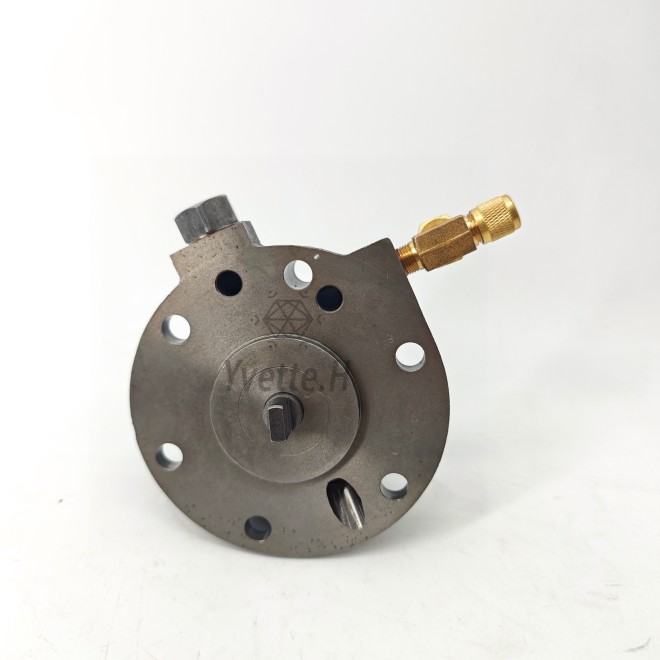
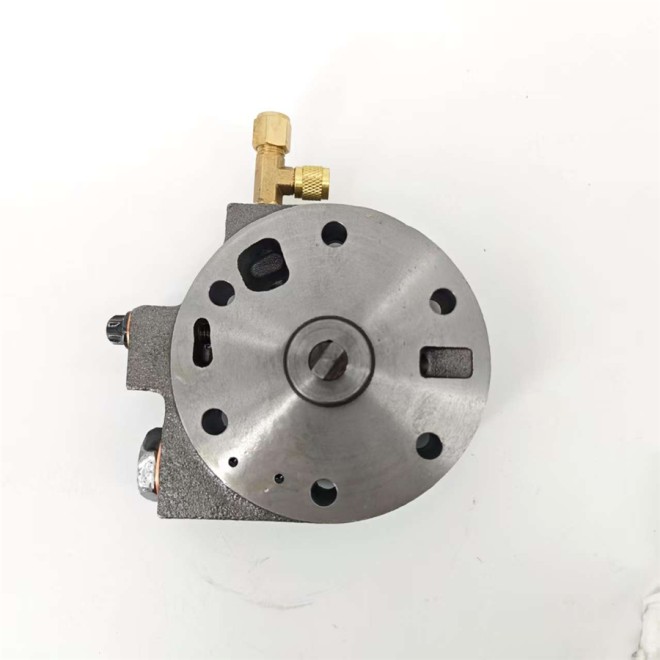
The global cold chain logistics industry is undergoing a monumental shift toward environmental sustainability and energy efficiency. As traditional fluorocarbon-based refrigerants face tightening phase-out regulations due to their high Global Warming Potential (GWP), natural refrigerants are rapidly gaining dominance. Ammonia (NH3, R717), celebrated for its zero GWP, zero Ozone Depletion Potential (ODP), and superior thermodynamic properties, is transitioning from large-scale industrial cold storage facilities into mobile transport refrigeration systems. In this ecological evolution, the Ammonia Oil Separator for Thermo King Reefer Unit Servicing plays a critical role.
Thermo King reefer units are the backbone of global temperature-controlled logistics, transporting perishable foods, pharmaceuticals, and chemical products across thousands of miles. Unlike traditional stationary systems, mobile reefer units operate under extreme conditions: continuous vibrations, rapid ambient temperature swings, and fluctuating refrigeration loads. Ammonia compressors in these units require robust lubrication to survive high speeds and thermal stresses. However, if the lubricating oil escapes the compressor and enters the condenser or evaporator, it forms an insulating film, severely reducing heat transfer efficiency and potentially causing compressor failure due to oil starvation. This makes high-efficiency oil separation not just a maintenance requirement, but a commercial necessity.
Ammonia is largely immiscible with standard mineral oils. In transport refrigeration, this immiscibility means that any oil carryover will quickly settle in the lowest parts of the evaporator, forming a thick, viscous barrier that degrades cooling performance. Specialized coalescing ammonia oil separators are engineered to capture micro-droplets of oil down to the sub-micron level, returning clean oil to the compressor crankcase while ensuring the refrigerant remains pure.
Servicing Thermo King units with high-quality ammonia oil separators is vital across several high-stakes commercial scenarios:
1. Long-Haul Intermodal Transport: When shipping sensitive cargo like biologics or deep-frozen seafood across continents, temperature fluctuations of even half a degree Celsius can result in total load rejection. A serviced, clean oil separator ensures the evaporator operates at peak heat exchange efficiency, allowing the reefer unit to maintain stable, ultra-low temperatures without consuming excess fuel.
2. Marine Container Reefers: Sea transport exposes reefer units to continuous rolling motions and high salinity. The physical tilt can cause oil to slosh and bypass standard separation systems. Heavy-duty ammonia oil separators designed for marine logistics utilize multi-stage gravitational and mechanical baffles to maintain separation efficiency regardless of the vessel’s movement.
3. High-Frequency Delivery Routes: Urban distribution involves constant door openings and unit cycling. This start-stop operation causes pressure spikes in the compressor, leading to increased oil carryover. Modern coalescing separators feature self-cleaning properties and high holding capacities to handle these transient flow rates without clogging.
Xinchang Weien Import & Export Co., Ltd. is a reliable integrated industry and trading company, serving as a one-stop sourcing hub for refrigeration equipment and spare parts. We understand that sourcing refrigeration components from multiple suppliers can be time-consuming, costly, and logistically challenging. That is why we have built a comprehensive supply chain to meet all your refrigeration needs under one roof.
With a strong focus on quality and performance, we offer a comprehensive product portfolio compatible with world-leading brands such as Bitzer, Carrier, Thermo King, Copeland, and more. Our wide-ranging lineup covers everything from complete cold storage units to precision-engineered components.



Whether you need a full refrigeration system for a new warehouse or individual spare parts for routine maintenance, we have the right solution for you.
Every Ammonia Oil Separator and compressor spare part undergoes a rigorous, multi-stage manufacturing and quality assurance process to ensure zero-defect field performance.
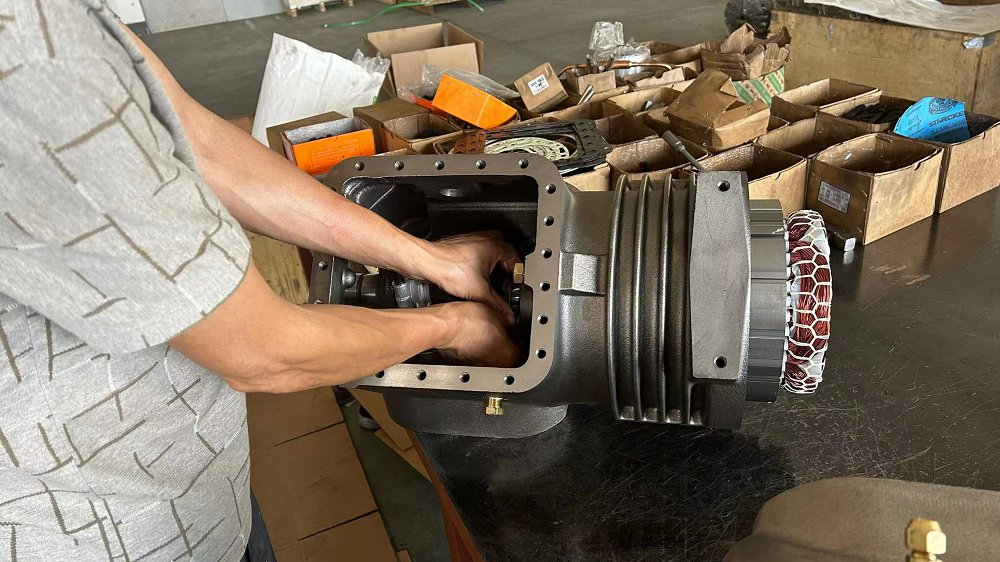
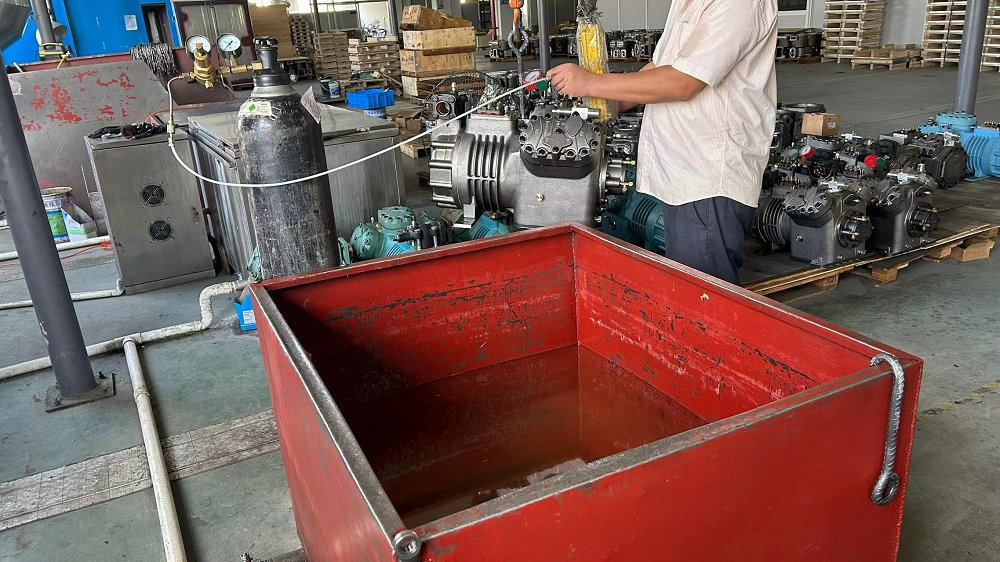
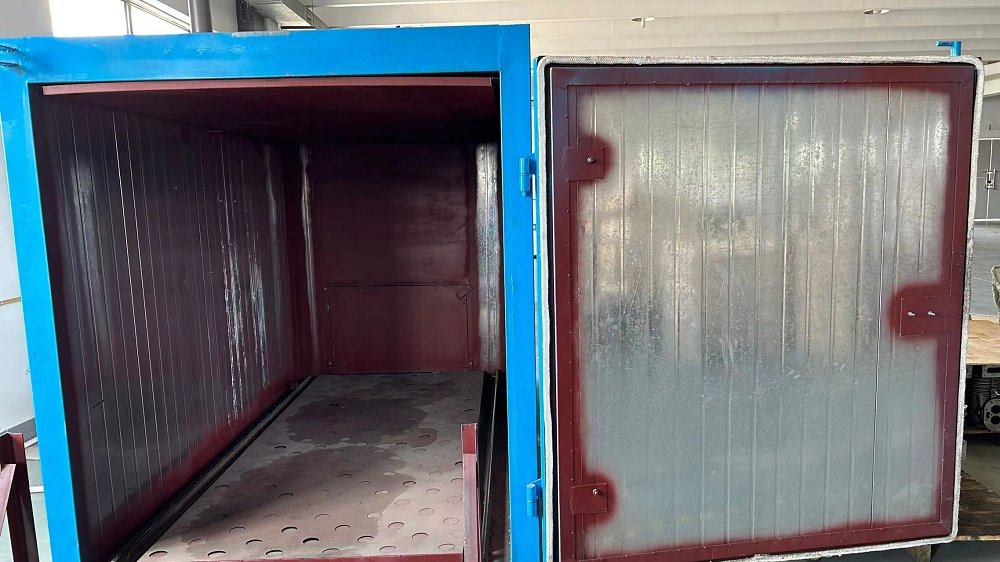
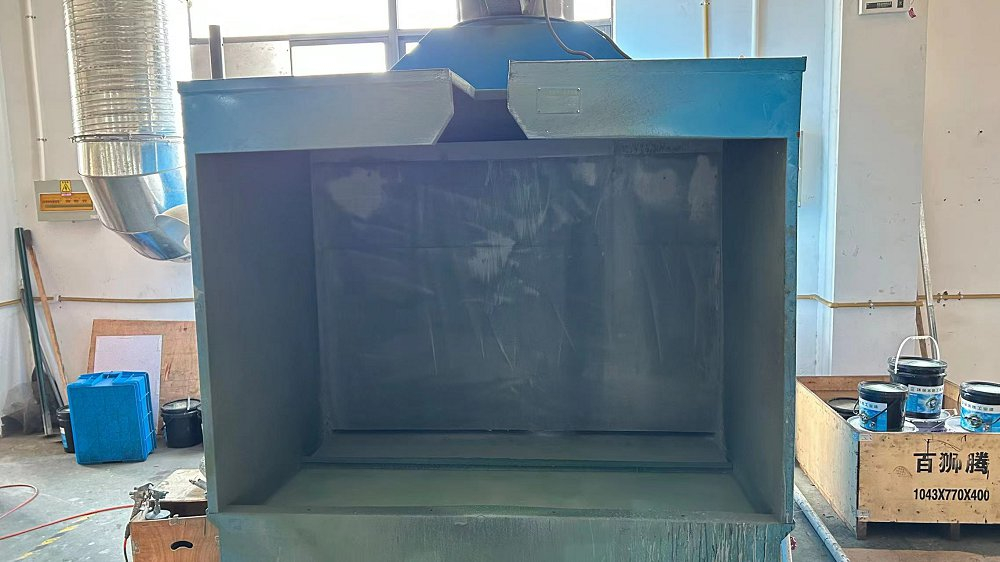
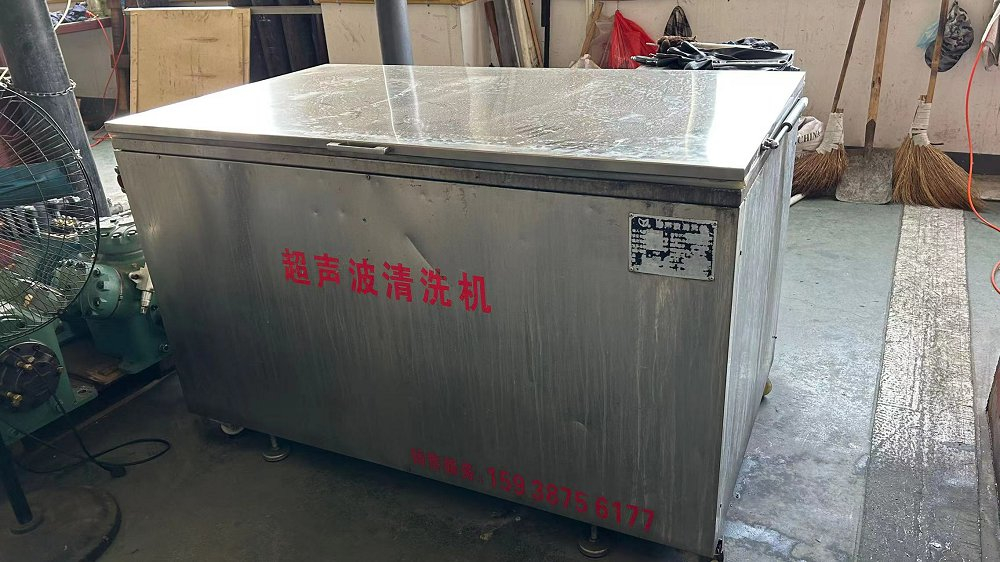
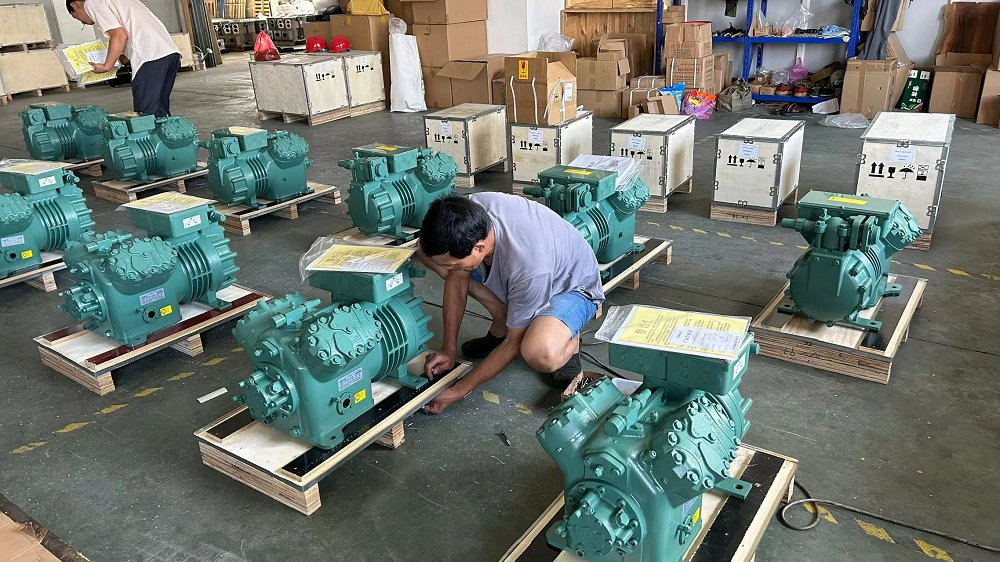
Proper servicing of the ammonia oil separator is critical to extending the life of both the compressor and the refrigeration circuit. During scheduled maintenance of Thermo King reefer units, technicians should adhere to the following protocols:
1. Coalescing Filter Replacement: The core filter element accumulates fine particulate matter and carbonized oil over time. Replacing the filter at recommended service intervals prevents pressure drops across the separator, which would otherwise force the compressor to work harder and consume more fuel.
2. Checking the Oil Return Float Valve: The float mechanism or orifice plate regulates the flow of separated oil back to the compressor crankcase. If this valve becomes stuck open, hot refrigerant gas will bypass into the compressor suction, reducing efficiency. If stuck closed, the separator will flood, causing oil carryover into the evaporator.
3. Monitoring Temperature Differentials: A significant temperature difference between the inlet and outlet of the separator can indicate clogging or internal restriction. Technicians should use precision infrared thermometers or pressure gauges to verify that the separator is functioning within design parameters.
The future of transport refrigeration servicing lies in predictive maintenance. Modern Ammonia Oil Separators are beginning to integrate electronic sensors that monitor oil level, moisture content, and pressure drop in real-time. This data is fed directly into the Thermo King unit's telematics system. By utilizing AI algorithms, fleet managers can predict exactly when an oil separator element requires replacement before a failure occurs. This transition from reactive to proactive servicing reduces unplanned downtime, protects high-value cargo, and lowers the Total Cost of Ownership (TCO) of the reefer fleet.
Explore our extensive inventory of high-compatibility parts designed for major refrigeration compressor brands.