
Leave Your Message
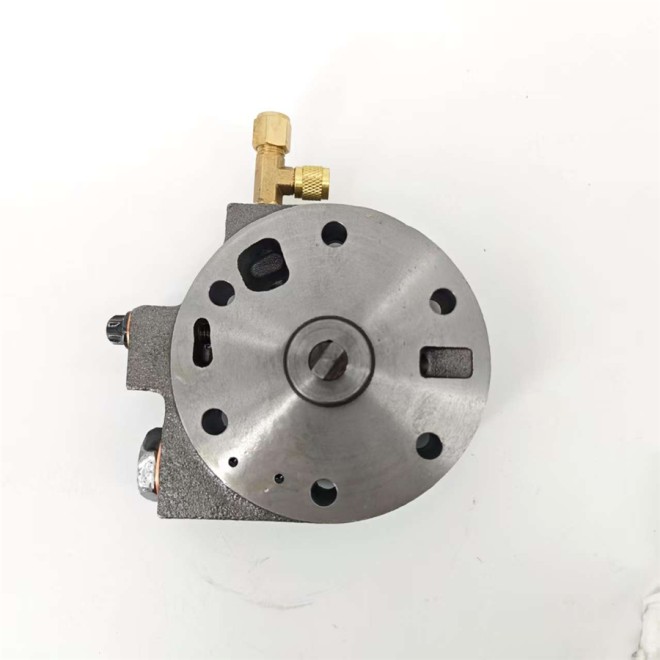
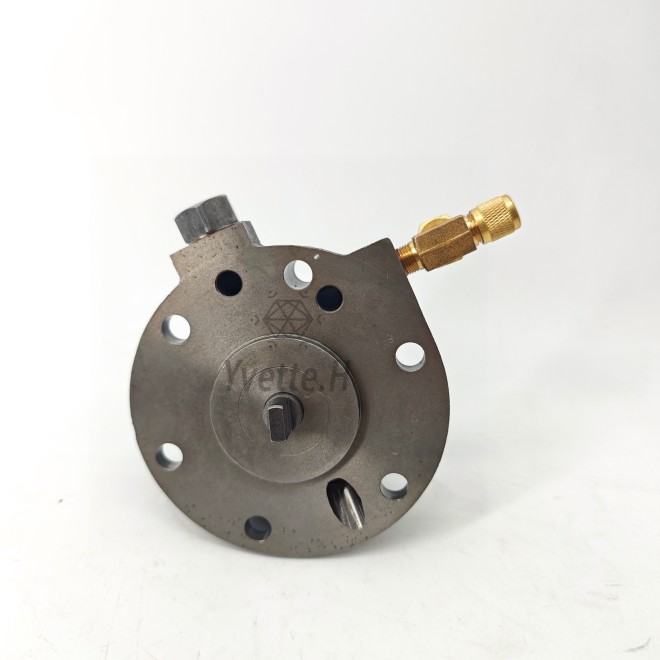
Argentina stands as one of South America's agricultural and food processing powerhouses. With massive export sectors in beef, poultry, dairy, fresh fruits, and high-end wines, the nation relies heavily on robust, high-capacity industrial cold chains. To support these operations, large-scale industrial refrigeration plants are deployed across major economic hubs, including Buenos Aires, Santa Fe, Córdoba, and Mendoza. Within these facilities, ammonia (R717 / NH3) remains the primary refrigerant of choice due to its zero global warming potential (GWP), zero ozone depletion potential (ODP), and superior thermodynamic efficiency at scale.
However, running a high-efficiency ammonia refrigeration system requires precise oil management. In ammonia systems, lubricant oil and ammonia refrigerant are largely immiscible. When oil escapes from the compressor, it enters the discharge line and circulates through the condenser and evaporator. If this oil is not separated and returned immediately, it coats the inner surfaces of the heat exchangers, forming an insulating barrier that severely degrades heat transfer efficiency. In fact, even a thin film of oil can increase energy consumption by up to 10% to 15% and starve the compressor of vital lubrication. This makes the Ammonia Oil Separator a critical component in safeguarding both system efficiency and equipment lifespan in Argentine industries.
Essential for preserving Argentina's massive beef exports and dairy processing lines under strict international temperature compliance.
Precise temperature control for fermentation and storage in Argentina's world-famous wineries, demanding high-uptime ammonia chillers.
With rising industrial electricity costs across Argentina, maximizing system COP through effective oil separation is a financial priority.
As Argentine factories, slaughterhouses (frigoríficos), and logistics providers modernize, several key trends are shaping the demand for ammonia oil separators and compressor spare parts:
With a strong focus on quality and performance, we offer a comprehensive product portfolio compatible with world-leading brands such as Bitzer, Carrier, Thermo King, Copeland, and more. Our wide-ranging lineup covers everything from complete cold storage units to precision-engineered components.



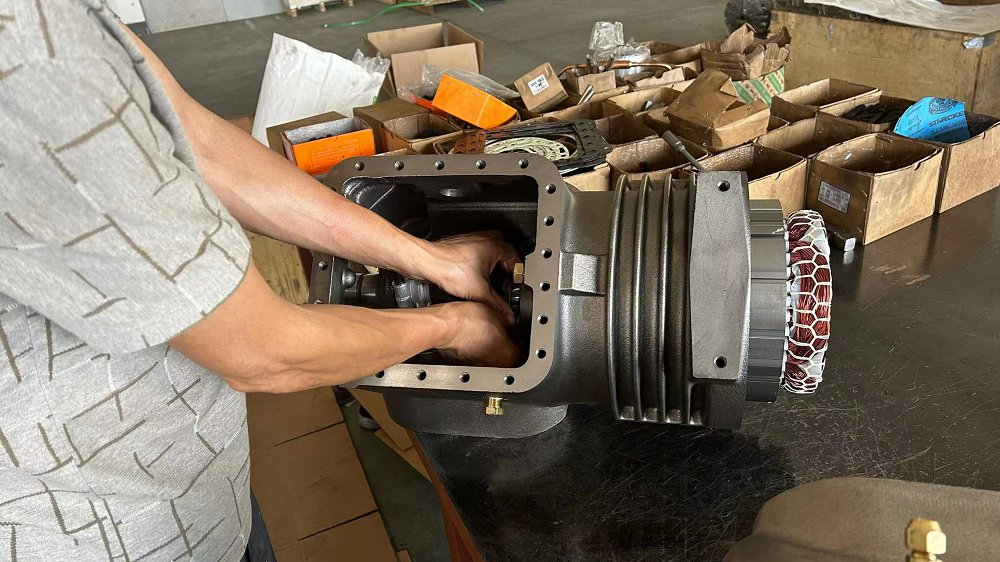

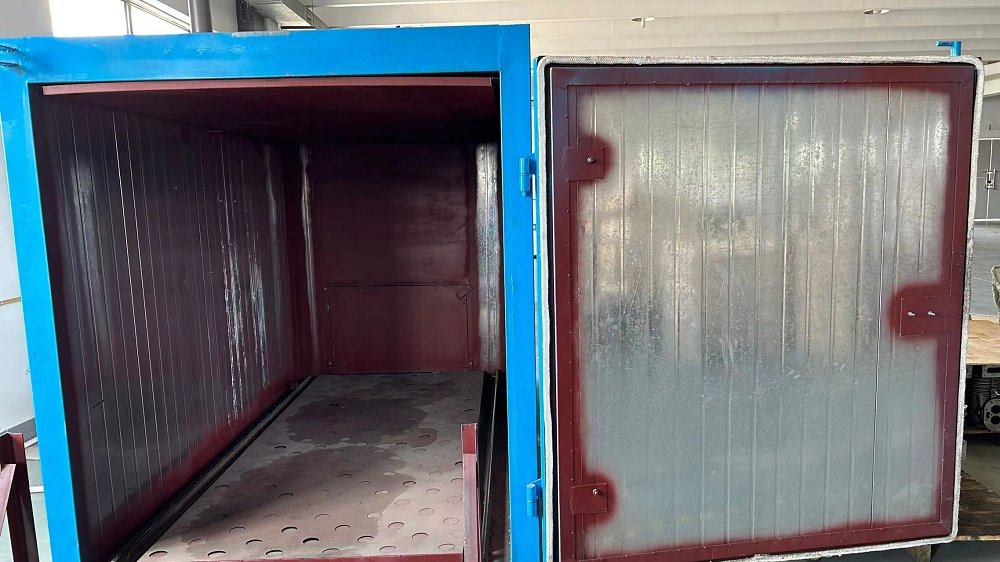
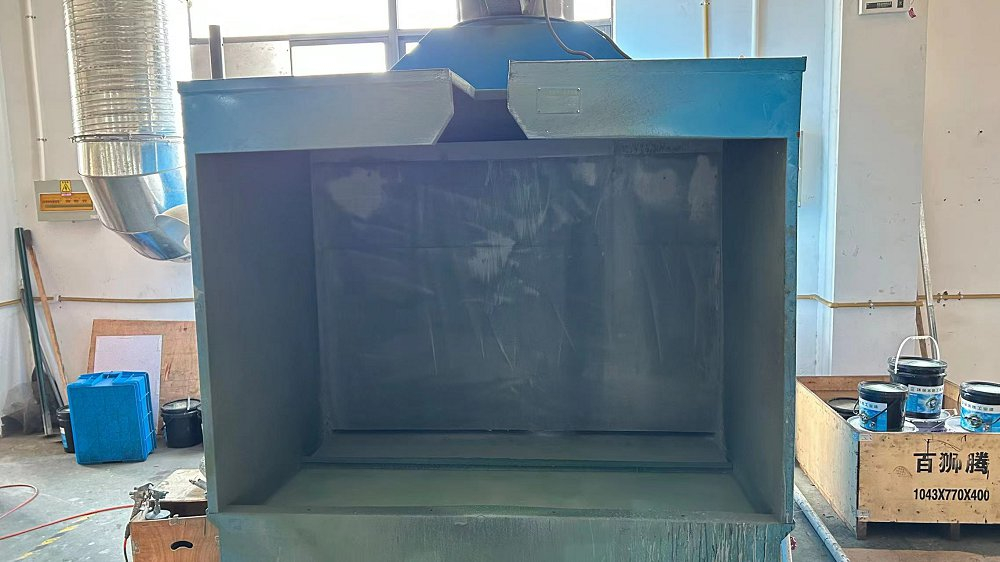
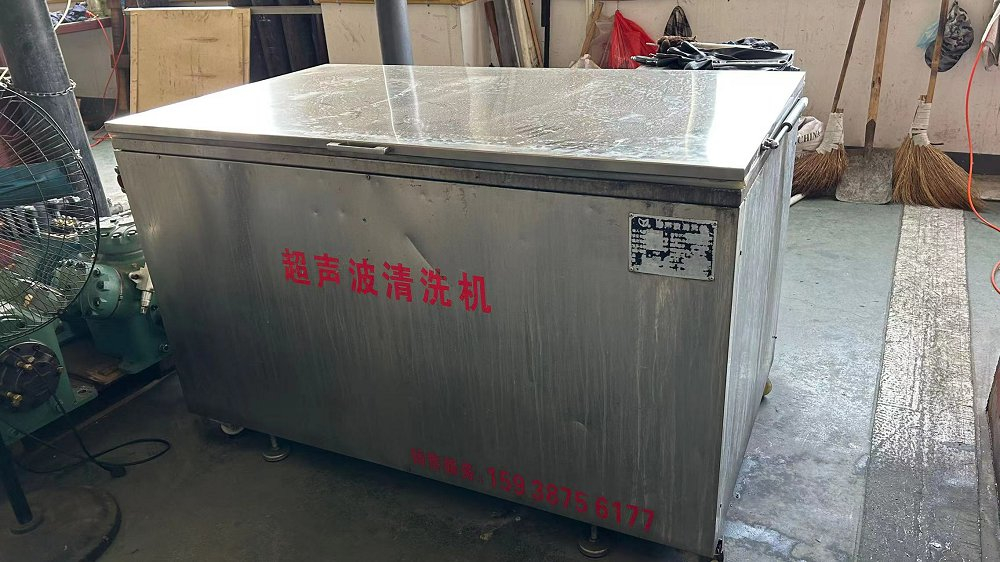
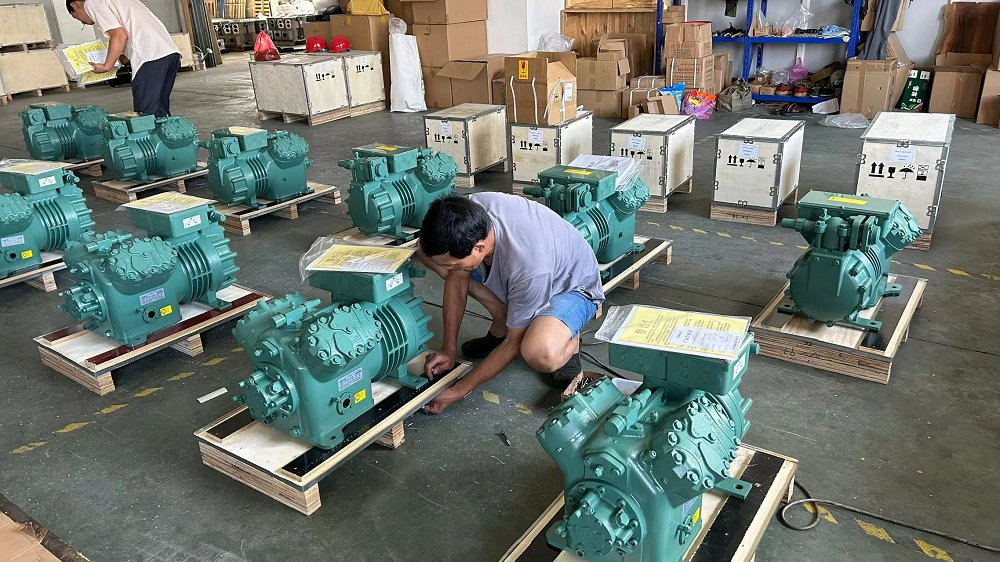
Industrial refrigeration plants in Argentina operate under diverse, demanding environmental conditions. Applying the correct oil separator configurations ensures these systems achieve maximum lifespan and minimum downtime. Below are the primary localized application scenarios where our products and engineering support make a difference:
Argentina's world-famous beef industry relies on massive abattoirs (frigoríficos) that require heavy-duty freezing tunnels, blast freezers, and carcass chillers. These facilities run high-capacity screw compressors operating at low evaporation temperatures (typically between -35°C and -45°C). In these setups, maintaining low oil carryover is imperative. Coalescing ammonia oil separators with multi-stage filtration elements are used to separate oil aerosols down to 0.3 ppm, ensuring that the low-temperature evaporators remain free from oil accumulation, preserving their cooling capacity and preventing system blockages.
The Río Negro valley is the heart of Argentina's pear and apple export industry. Controlled Atmosphere (CA) cold storage facilities operate continuously during harvest seasons to extend fruit shelf life. Any refrigeration system failure can result in catastrophic product loss. Here, ammonia systems with reciprocating or screw compressors utilize horizontal or vertical oil separators with built-in heaters to prevent refrigerant condensation within the oil reservoir during shut-down cycles, ensuring safe and reliable compressor start-ups.
The dairy basin of Argentina requires huge volumes of chilled water for milk pasteurization and cheese aging warehouses. Flooded ammonia chillers are commonly deployed. Because flooded evaporators are particularly sensitive to oil contamination, high-efficiency oil separators with active oil recovery systems are essential. By continuously returning separated oil to the compressor crankcase, these systems maintain optimal heat transfer coefficients in the shell-and-tube heat exchangers, keeping dairy production lines running efficiently.
Mendoza's viticulture sector requires precise, variable temperature control during the fermentation process and cold stabilization of wines. Ammonia glycol chillers are widely used. The load on these systems fluctuates dramatically based on the stage of the winemaking season. Our oil separators, combined with reliable oil pumps, ensure consistent lubrication and dry oil-free refrigerant circulation even under low-load conditions, protecting the winery's production schedule and maintaining wine quality.
When sourcing ammonia oil separators from global factories for installation in Argentina, mechanical engineers and procurement managers must evaluate several critical design parameters to ensure high performance and compliance with local industrial standards:
For standard screw compressors, coalescing oil separators are highly recommended. Coalescing filters can capture extremely fine oil mist and aerosols, reducing oil carryover to less than 3-5 ppm. In contrast, centrifugal or baffle separators are suitable for reciprocating compressors with larger oil droplet sizes. In modern Argentine cold storage plants, combining both technologies in a multi-stage separator provides the ultimate balance between efficiency and filter element lifespan.
Due to high ambient temperatures during the Argentine summer (especially in northern provinces and Buenos Aires), condensing pressures can rise significantly. The oil separator must be rated for a minimum design pressure of 24 to 28 bar (gauge) to handle peak summer conditions safely. High-temperature coalescing elements should be specified to prevent degradation when discharge temperatures exceed 100°C.
To minimize manual maintenance, the separator should be equipped with a reliable automatic oil return system. This typically includes high/low level optical sensors, a solenoid valve, and a heater to boil off any ammonia refrigerant that might have dissolved in the oil during shutdown. Ensuring compatibility with control systems like PLC controllers used in Argentine factories is crucial for seamless integration.
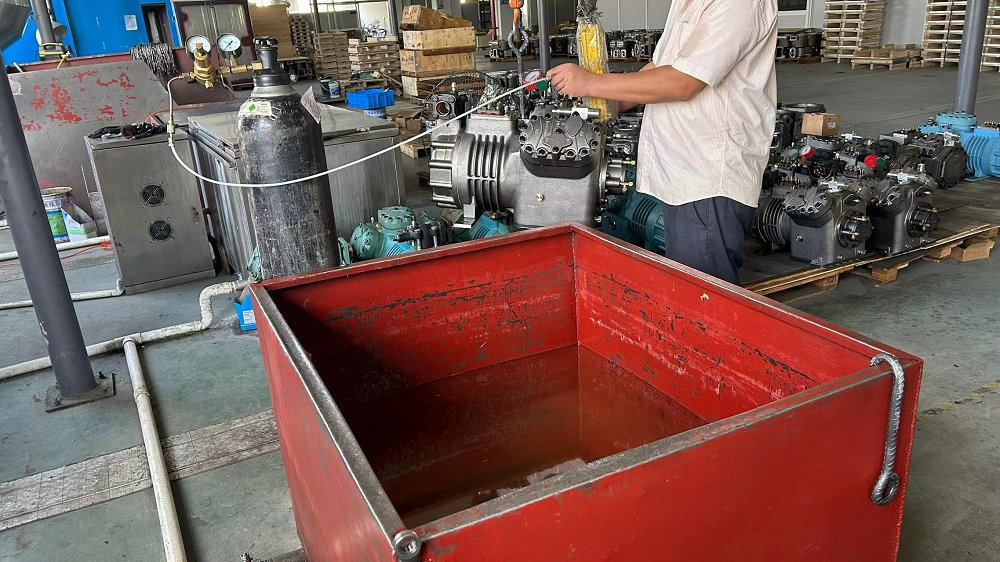
Sourcing refrigeration components from multiple international vendors often leads to logistics delays, customs clearance issues at Argentine ports, and compatibility mismatches. Xinchang Weien solves these challenges by acting as a one-stop integrated supplier. We handle assembly, rigorous pressure testing, ultrasonic cleaning, and secure export packing to ensure that every component—from complex ammonia oil separators to replacement oil pumps—arrives in Argentina ready for immediate, reliable installation.