
Leave Your Message
Discover our high-precision oil pump kits and specialized compressor accessories engineered for heavy-duty industrial cold storage operations across Indonesia.
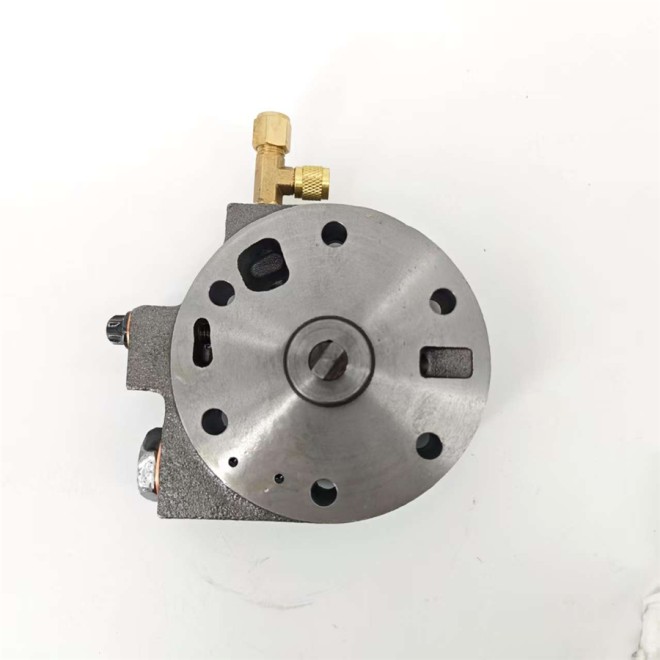
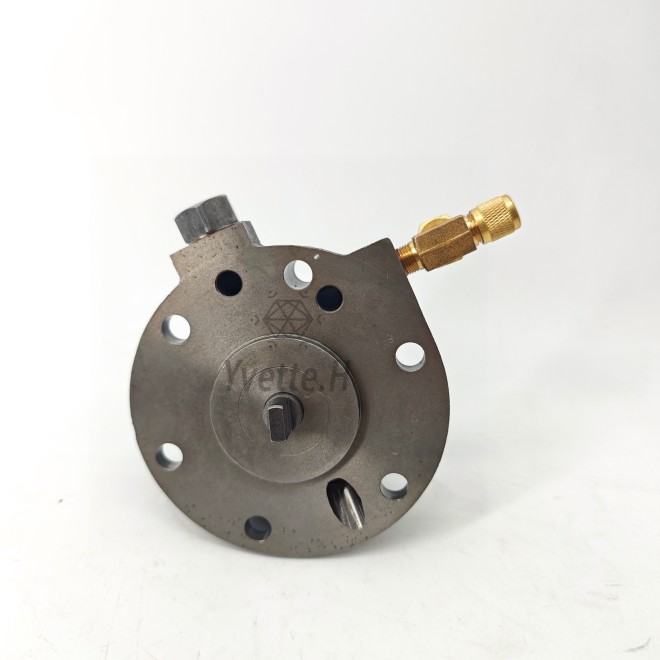
Understanding the vital role of ammonia-based cooling systems in Southeast Asia's largest economy.
As the largest archipelago in the world, Indonesia’s economy is deeply rooted in maritime resources, agriculture, and rapid urbanization. Over the past decade, the demand for sophisticated cold chain logistics, food preservation, and chemical manufacturing has surged. From the bustling ports of Jakarta and Surabaya to the processing hubs of Medan and Makassar, industrial refrigeration stands as a cornerstone of national supply chain stability. Ammonia (R717) remains the refrigerant of choice for these large-scale operations due to its zero ozone depletion potential (ODP), zero global warming potential (GWP), and exceptional thermodynamic efficiency.
However, running an efficient ammonia refrigeration plant in a tropical climate like Indonesia presents unique challenges. High ambient temperatures and humidity put additional thermal stress on compressors. Under these intense operating conditions, ensuring proper lubrication while preventing compressor oil from circulating through the evaporator coils is paramount. This is where high-efficiency Ammonia Oil Separators become indispensable. Without a reliable oil separator, oil carryover coats the internal surfaces of heat exchangers, drastically reducing heat transfer efficiency, increasing energy consumption, and risking catastrophic compressor failure due to lack of lubrication.
Indonesian industrial facilities are increasingly prioritizing operational cost reduction and carbon footprint minimization. By integrating advanced coalescing ammonia oil separators, factories can achieve up to 99.9% oil recovery rates, ensuring that the refrigeration cycle remains clean and highly conductive. This technological transition is heavily supported by local government initiatives focused on industrial energy efficiency and safety standards, prompting factories to source from reputable international manufacturers and suppliers who understand these localized environmental demands.
Tailored systems for large-scale logistics hubs in West Java and East Java, ensuring minimal downtime and maximum energy savings.
Corrosion-resistant designs optimized for high-saline coastal processing plants in Bitung, Bali, and Ambon.
Ultra-clean separation technology ensuring compliance with strict international food hygiene and safety regulations.
How localized industrial sectors leverage high-performance oil separation to drive operational efficiency.
The rise of e-commerce and fresh food delivery in metropolitan centers like Jakarta, Bogor, Depok, Tangerang, and Bekasi (Jabodetabek) has accelerated the construction of giant cold storage complexes. These facilities utilize ammonia screw compressors that run 24/7. An efficient ammonia oil separator is critical here to prevent oil migration to the vast network of evaporators. By keeping the evaporator tubes free of oil film, these warehouses maintain their design cooling capacity, preventing temperature fluctuations that could spoil millions of dollars worth of perishables.
Indonesia is one of the world's top seafood exporters. In processing hubs like Bitung (North Sulawesi) and various coastal areas in East Java, rapid freezing through plate freezers and blast freezers is required to lock in seafood freshness. These low-temperature applications are highly sensitive to oil contamination. When oil enters low-temperature evaporators, it becomes highly viscous, blocking refrigerant flow and drastically reducing system COP (Coefficient of Performance). Our robust oil separators ensure that oil is trapped immediately after leaving the compressor, keeping the low-temperature cycle operating at peak performance.
In the heavy industrial zones of Cilegon (Banten), ammonia is widely used not only as a refrigerant but also as a raw material. Ammonia refrigeration units in chemical plants must handle variable loads and harsh process gases. High-pressure oil separators designed with multi-stage coalescing filters ensure that even under fluctuating thermal loads, the lubricating oil is separated and recycled back to the compressor oil sump, ensuring continuous process cooling without manual intervention.
We combine global manufacturing expertise with deep understanding of localized industrial challenges to deliver unmatched refrigeration parts supply.
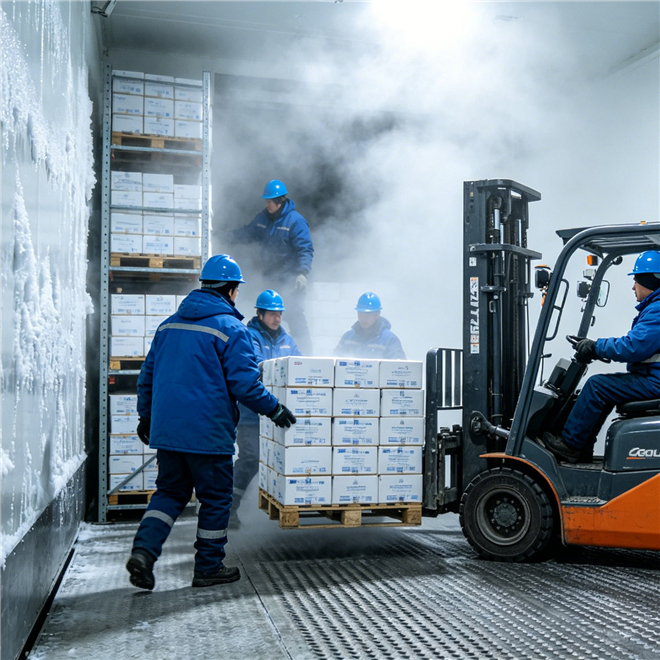

Lies in our extensive inventory and product diversity — reducing the need for multiple suppliers and simplifying your procurement process. By consolidating your sourcing with us, you save time, reduce shipping costs, and minimize administrative overhead.
For Indonesian procurement managers, this means a reliable single-point supplier for high-quality oil pump kits, compressor spares, and specialized oil separation components, bypassing the complexity of dealing with fragmented logistics networks across the islands.
At Xinchang Weien, customer satisfaction is at the core of what we do. With solid industry expertise and a commitment to reliable service, we don't just supply products — we aim to exceed your expectations and support the long-term success of your refrigeration operations. Contact us today to experience the convenience of one-stop refrigeration sourcing.
We provide comprehensive technical documentation, rapid response times, and tailored shipping solutions to main Indonesian ports including Tanjung Priok (Jakarta), Tanjung Perak (Surabaya), and Belawan (Medan), ensuring your maintenance schedules are always met on time.
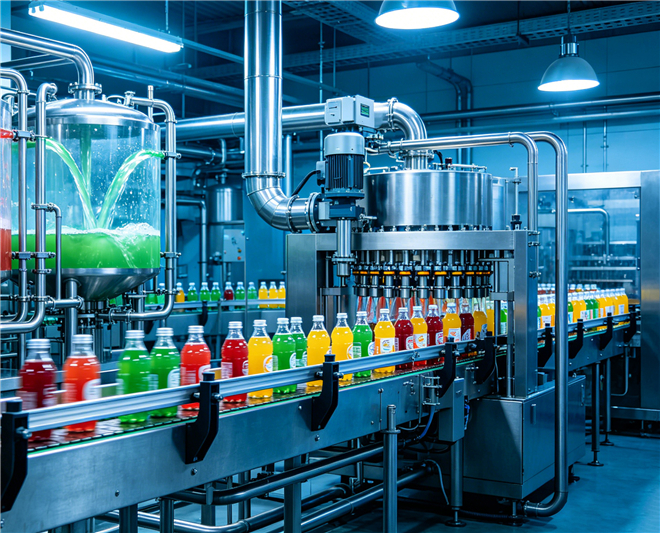
How technological advancements and local standards shape the future of industrial refrigeration in Southeast Asia.
The Indonesian industrial sector is undergoing a massive transformation under the "Making Indonesia 4.0" initiative. This roadmap emphasizes automation, efficiency, and smart manufacturing. In the realm of industrial cooling, this translates to the integration of smart sensors and automated oil return systems within ammonia oil separators. Modern separators are now designed to communicate directly with PLC control panels, monitoring pressure drops across coalescing elements in real-time. This allows maintenance teams in factories to predict filter clogging and perform proactive maintenance before it impacts overall energy efficiency.
Furthermore, safety is a primary concern when dealing with R717 (Ammonia). Because ammonia is toxic and mildly flammable at specific concentrations, containment is critical. High-quality oil separators manufactured under stringent international standards (such as ASME Section VIII, CE-PED, and Chinese GB standards) ensure that the pressure vessels can withstand high operating pressures and potential system surges. In Indonesia, compliance with local safety regulations supervised by the Ministry of Manpower (Kemnaker) is mandatory. Sourcing from factories that provide certified, pressure-tested vessels guarantees compliance and ensures the safety of the local workforce.
Another major trend is the shift towards synthetic lubricants in ammonia systems. Synthetic oils offer better thermal stability at high temperatures but can be harder to separate than traditional mineral oils. This shift has pushed manufacturers to develop multi-stage separation systems combining centrifugal force, gravity settling, and high-efficiency coalescing filters to capture sub-micron oil droplets. As Indonesian factories upgrade to modern synthetic lubricants, updating their oil separators becomes a vital step in maintaining optimal system performance.
Explore our comprehensive catalog of OEM-compatible parts and high-pressure oil management components designed for peak performance.