
Leave Your Message
Core Cold Storage Solutions
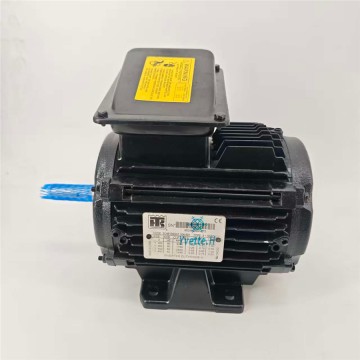
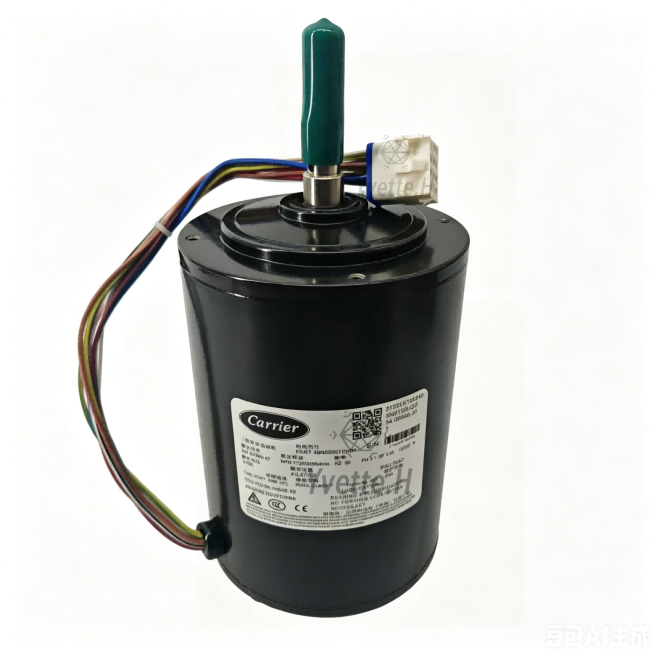
Industry Analysis
Cold storage installations operate non-stop 24/7/365. Fan aerodynamic efficiency directly influences up to 15% to 22% of total operational kilowatt-hours consumed inside commercial walk-ins, blast freezing tunnels, and multi-temperature distribution centers.
State-of-the-art axial fans optimize air-throw patterns across finned evaporator coils. Controlled discharge profiles suppress localized ice damming, accelerate defrost cycles, and minimize unnecessary refrigeration thermal loads.
Modern commercial cold facility specifications heavily mandate Electronically Commutated (EC) axial fan motors, achieving continuous modulated speed control via Modbus or 0-10V interfaces while reducing heat dissipated into cold spaces.
Engineering Insights
The construction of commercial cold storage facilities—ranging from regional agricultural packhouses to mega-scale automated logistics hubs—demands precise environmental equilibrium. Within this infrastructure, the axial fan serves as the kinetic heart of the thermal exchange cycle. Selecting the optimal axial fan configuration is not simply a mechanical consideration; it is the cornerstone of temperature uniformity, relative humidity retention, and long-term lifecycle viability.
During the engineering design phase of high-bay cold storage rooms (clear heights exceeding 10 meters), air stratification represents a perpetual challenge. Standard circulation fans often suffer from velocity decay before cold air penetrates pallet cores. Precision engineered axial fan assemblies, characterized by aerodynamically twisted sickle-blade geometries, deliver high static pressure capabilities. This ensures a focused laminar air jet capable of traversing up to 45 meters, eliminating stagnant heat pockets and preventing localized spoilage of sensitive cargo like fresh produce, pharmaceuticals, and chilled meats.
In sub-zero conditions (-18°C to -35°C), every watt of heat dissipated by an electric fan motor introduces an auxiliary load that the primary refrigeration compressor must actively remove. Traditional AC shaded-pole or permanent split capacitor (PSC) motors exhibit electrical efficiencies as low as 40% to 60%, emitting the balance as parasitic thermal energy directly inside the refrigerated envelope. High-efficiency brushless permanent magnet EC axial motors operate above 85% motor efficiency, slashing parasitic heat dissipation and noticeably reducing refrigeration system compressor runtimes.
Cold storage environments are notoriously punishing. Cycling between deep freeze operations and aggressive hot-gas or electric defrost routines subjects axial fan structures to thermal shock, high moisture vapor condensation, and corrosive cleaning sanitizers. Premium cold storage axial fans require:
Extensive Product Range from Cold Storage Units to Components
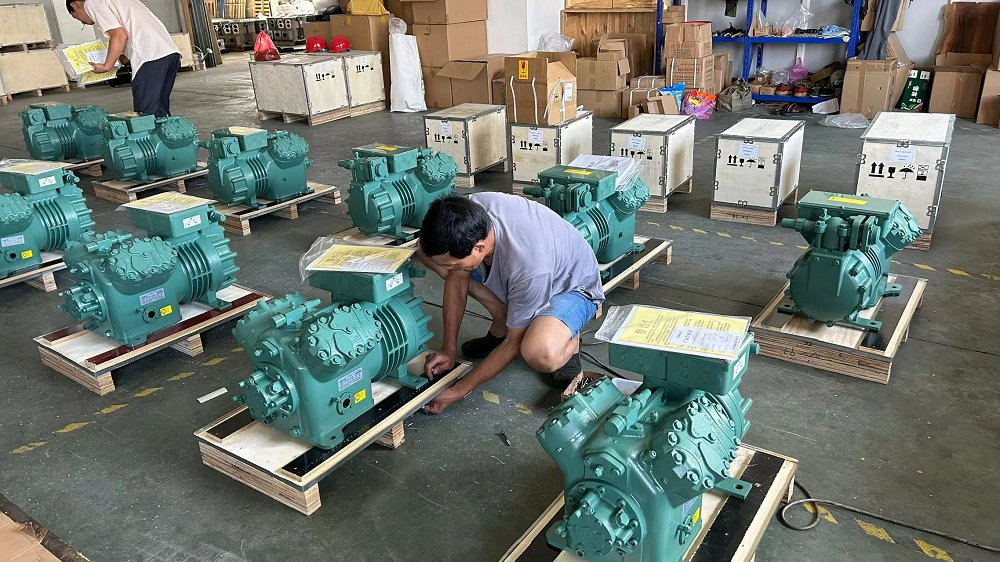
With a strong focus on quality and performance, we offer a comprehensive product portfolio compatible with world-leading brands such as Bitzer, Carrier, Thermo King, Copeland, and more. Our wide-ranging lineup covers everything from complete cold storage units to precision-engineered components.



Whether you need a full refrigeration system for a new warehouse or individual spare parts for routine maintenance, we have the right solution for you.
Quality Assurance & Services
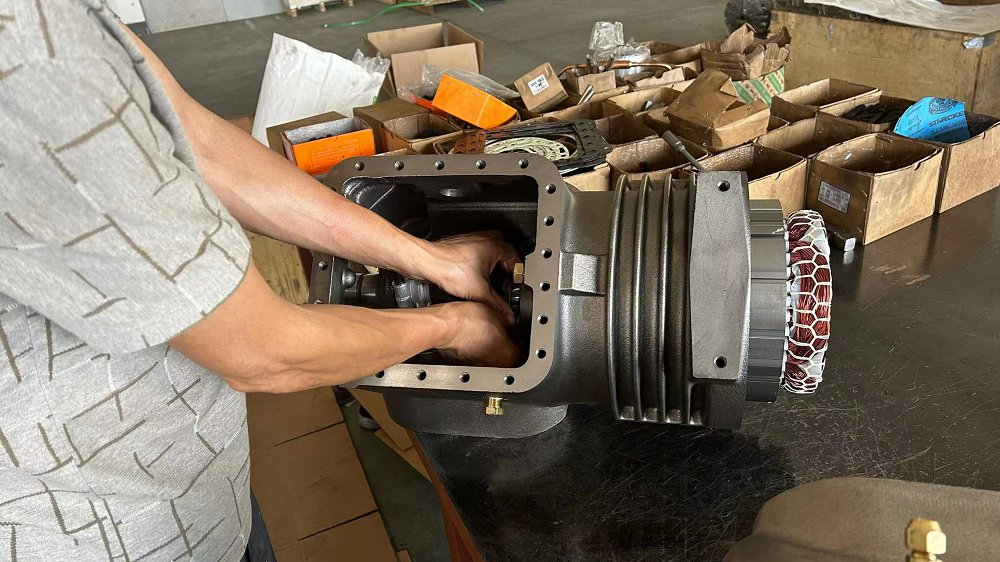

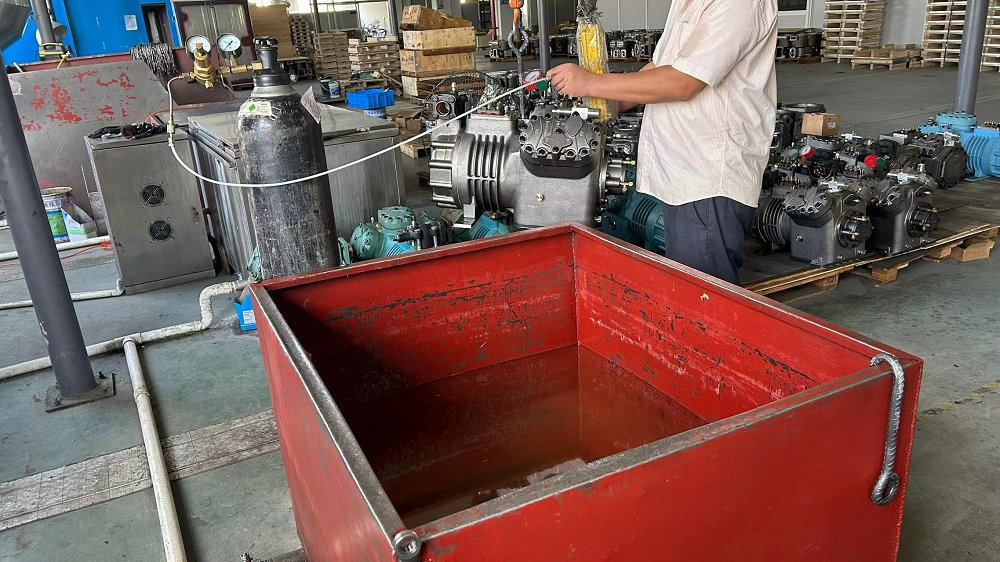
Strategic Perspectives
Modern commercial refrigeration is migrating rapidly toward predictive, sensor-rich architectures. Axial fan assemblies integrated into building management systems (BMS) now feature vibration transmitters and digital tachometers. By monitoring minute fluctuations in fan amp draw and rotational resistance, the building management software detects excessive frost accumulation on heat exchanger fins in real time. Rather than running scheduled timer defrosts that add unwanted heat, the system activates defrost cycles purely on demand, saving up to 30% in defrost utility bills.
With the global transition toward natural refrigerants including R290 (Propane), CO2 (R744), and Ammonia (R717), axial fan engineering has had to adapt. When dealing with mildly flammable (A2L) or flammable (A3) refrigerants in walk-in cold rooms, axial fan motors must be ATEX or IECEx certified spark-proof. Encapsulated winding commutators, non-sparking blade hubs, and intrinsic thermal overload trip switches guarantee fail-safe warehouse safety standards.
The thermal distribution integrity of a cold room relies heavily on axial fan placement relative to structural building elements:
As global logistics providers construct taller, automated high-density storage facilities with automated guided vehicles (AGVs), air distribution becomes even more mission-critical. Choosing precision-engineered axial components guarantees uniform chill chains from floor to ceiling, minimizing perishables loss and securing bottom-line operational ROI.
Comprehensive Product Catalog