Hey, have you noticed how more people are becoming aware of air quality lately? That bump in awareness has really driven up the demand for good air filters. Finding the right one isn’t just about comfort — it’s pretty much essential for staying healthy too. There are so many options out there, from HEPA filters to activated carbon ones, each serving different needs. Brands like Honeywell and Dyson seem to be what most folks are trusting these days, but honestly, the best pick can totally depend on your personal situation and what you care about most.
Figuring out what’s best can feel kinda overwhelming. Questions pop up all the time — like, should I focus on filtering out allergens, odors, or maybe both? The right air filter really depends on what you need and what fits into your day-to-day life.
Looking ahead to 2026, the air filter scene is only getting more interesting with new tech emerging all the time. But, not every product lives up to the hype, so it’s super important to stay alert and do your homework. Doing a bit of research — checking out reviews and seeing what other users say — can really help you pick something that actually makes a difference for your indoor air quality.
Overview of Air Filters: Importance and Types
Air filters play a crucial role in maintaining indoor air quality. They remove pollutants, allergens, and odors from the air. Different types of air filters cater to various needs, including HEPA filters for allergens and activated carbon filters for odors. Each type has its specific benefits and limitations.
Choosing the right air filter depends on your environment. High-efficiency particulate air (HEPA) filters capture small particles effectively. However, they may not eliminate odors. This is where a Fridge Air Filter comes into play. It can help in reducing unwanted scents and enhancing the overall air freshness in your home or workspace.
When selecting an air filter, consider your budget and specific air quality issues. Filters need regular replacement to maintain their effectiveness. A common mistake is waiting too long to replace filters, which can lead to inefficiencies. For optimal performance, check your filters every few months and change them as needed. This simple act can significantly improve your indoor air quality and promote a healthier living space.
Key Features to Consider When Choosing an Air Filter
When selecting an air filter, several key features are essential. Understanding these can greatly improve your air quality. First, consider the filtration efficiency. Look for filters with a high MERV rating, which indicates they can capture smaller particles. This is vital for reducing allergens and pollutants in your space.
Another important aspect is the filter's lifespan. Some filters need replacing monthly, while others last up to a year. Choose a filter that fits your maintenance routine. Regular checks are crucial. You may not realize when a filter is clogged, which can reduce airflow and efficiency.
Tips to remember include checking for compatibility with your HVAC system. A filter that fits improperly can lead to air quality issues. Additionally, consider the type of filter media. Some, like HEPA filters, offer better protection against dust and dander. Reflecting on your needs can help you make a more informed choice. Remember, not every filter is suitable for every space.
Comparison of Popular Air Filter Brands for 2026
When choosing air filters in 2026, various options cater to different needs. Buyers should consider the efficiency of each brand. Look for features such as HEPA filtration, which captures tiny particles. Some models focus on reducing allergens, while others emphasize odor control. The choice depends on your specific requirements.
**Tips**: Regularly changing your Refrigerator Air Filter can greatly improve indoor air quality. Many filters are designed for easy installation. Check compatibility before purchasing. Not all filters are created equal. Some might not fit perfectly, leading to air bypass. This can reduce their overall effectiveness.
Comparing brands reveals differences in performance. Some are quieter, which is a crucial factor for many households. Others might last longer but come with a higher price tag. Researching user reviews can uncover valuable insights. Identify the aspects most important for your environment.
Eco-Friendly Air Filter Options for Sustainable Living
Eco-conscious consumers are increasingly seeking sustainable air filter options. The importance of clean air has never been clearer. According to a report by the World Health Organization, air pollution causes around 7 million premature deaths annually. Eco-friendly air filters can help mitigate these numbers. These filters often use natural materials and are designed to be biodegradable. They minimize chemical emissions and reduce plastic waste, aligning with global sustainability goals.
When choosing air filters, look for products made from renewable resources. HEPA filters, while effective, can produce significant waste. Some brands now offer washable HEPA alternatives, which reduce waste and save money long-term. Filter lifespan is also crucial; some materials can last several years, which can lessen environmental impact.
Consider maintenance as well. Regularly cleaning or replacing filters is key for efficiency. Dirty filters can reduce air quality and increase energy usage. Many professionals suggest replacing filters every 3 months, but this varies by usage. Evaluate air quality regularly to know when a replacement is needed. Being informed can enhance both health and sustainability efforts.
2026 Best Air Filter Options for Global Buyers Questions? - Eco-Friendly Air Filter Options for Sustainable Living
| Filter Type |
Efficiency Rating (MERV) |
Lifespan (Months) |
Material |
Eco-Friendly Features |
| HEPA Filter |
13-16 |
6-12 |
Fiberglass, Synthetic Fibers |
Recyclable materials, Low VOC emissions |
| Activated Carbon Filter |
8-12 |
3-6 |
Activated Carbon |
Natural coconut shell carbon, Non-toxic |
| Washable Air Filter |
6-11 |
12-24 |
Synthetic Fibers |
Reusable, Reduces Waste |
| Pleated Air Filter |
9-12 |
6-12 |
Synthetic Media |
Higher efficiency, Less energy consumption |
Air Filter Buying Guide: Size, Efficiency, and Cost
Choosing the right air filter is crucial for maintaining indoor air quality. The selection process involves understanding size, efficiency, and cost. Most air filters come in a range of sizes, and it's vital to choose one that fits your system perfectly. A filter that is too small may allow pollutants to bypass the filtration system. A report from the Environmental Protection Agency (EPA) indicates that poor air quality can lead to health issues. Therefore, an accurately sized filter improves air quality significantly.
Efficiency is another critical factor in air filter selection. The Minimum Efficiency Reporting Value (MERV) rating measures a filter's effectiveness. A higher MERV rating means better filtration of airborne particles. Research shows that filters with a MERV rating of 8 or higher can capture a variety of allergens and contaminants. However, they may require more frequent replacements, potentially increasing cost. Consider the balance between efficiency and frequency of maintenance when buying.
Cost also plays a fundamental role. While cheaper filters might save you upfront money, they may not provide adequate filtration. Investing in high-quality Car Air Conditioner Filters often leads to long-term savings by reducing energy consumption and improving the system's lifespan. Each filter choice should align with budget constraints and health priorities. Reflect on your needs and make an informed decision for the best air filter options.
2026 Best Air Filter Options: Size, Efficiency, and Cost
Customer Reviews and Ratings of 2026's Best Air Filters
When choosing the best air filters for 2026, customer reviews provide invaluable insights. Many buyers highlight the importance of efficiency in capturing pollutants. According to a recent report, high-efficiency particulate air (HEPA) filters can remove up to 99.7% of airborne particles, which makes them a preferred choice for many families. However, reviews reveal mixed feelings about their noise levels and maintenance requirements. Some users love the clean air effect but wish for quieter operation.
Another critical aspect is the filter's lifespan. The EPA suggests changing filters every three months for optimal performance. Customer experiences reveal that not all filters live up to this standard. Several individuals reported needing replacements sooner than expected. This inconsistency raises questions about product reliability.
Moreover, many reviews express concerns over the cost factor. While some high-end filters promise superior performance, users often wonder if such investments truly pay off. Feedback indicates that balancing price and effectiveness is essential for buyers. The reviews and ratings reflect a wide array of needs, highlighting the importance of personal research when selecting the right air filter for your home.
Maintenance Tips for Maximizing Air Filter Longevity
Air filters play a crucial role in maintaining indoor air quality. Regular maintenance can significantly extend their lifespan and effectiveness. Keeping the filter clean is essential. Dust and debris can accumulate, reducing airflow. A simple monthly check can help identify when it’s time for a cleaning or replacement.
Changing your filter regularly is also vital. Depending on the type, some filters may need changing every three months. Others might last longer. Pay attention to any signs of reduced airflow or unusual smells. These can indicate that the filter is overloaded and needs replacing.
Another important aspect is the installation location. Filters placed closer to dust sources may require more frequent changes. Ensure your air system is fitted properly. Improper installation can lead to inefficiencies and even damage. Regularly inspect your system for any leaks or issues that could affect performance.
Maximizing Efficiency in Cold Storage: The Role of Air Cooler Evaporators in Low Temperature Refrigeration Systems
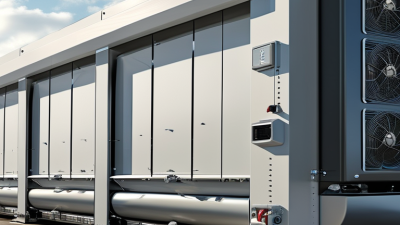
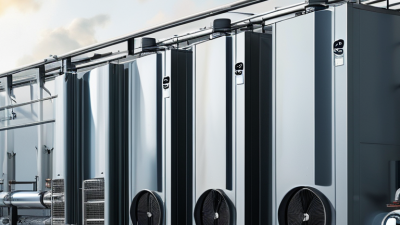
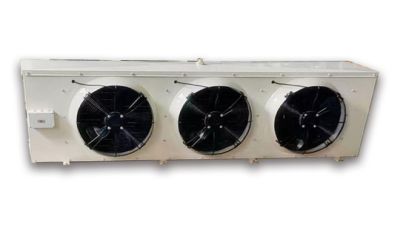
Maximizing efficiency in cold storage systems is crucial for industries relying on refrigeration, particularly in sectors like food processing and pharmaceuticals. The role of air cooler evaporators in these low-temperature environments cannot be overstated. According to industry reports, proper temperature control is essential to prevent spoilage and ensure the safety and efficacy of stored products. Air cooler evaporators, such as those available in DD, DJ, and DL types, are designed specifically to meet the rigorous demands of cold storage applications.
These evaporators feature high-efficiency copper coils paired with aluminum fins, enhancing thermal conductivity and facilitating effective heat exchange. The durable stainless steel housing provides robust protection against the harsh conditions typical of commercial and industrial cold rooms, freezers, and refrigerated warehouses. Data indicates that using optimized evaporators can lead to a significant reduction in energy consumption, with some systems reporting efficiency improvements of up to 30%.
Moreover, the versatility of these evaporator models allows for tailored solutions that cater to varying temperature requirements and storage capacities. This adaptability is vital to maintain the integrity of cold chain solutions and ensure that sensitive pharmaceuticals and food products remain in optimal conditions. The focus on enhancing cooling performance in low-temperature refrigeration systems ultimately contributes to increased reliability in storage practices, further solidifying the importance of air cooler evaporators in modern cold storage logistics.
FAQS
: Air filters remove pollutants, allergens, and odors, improving the air quality in homes and workspaces.
Common types include HEPA filters for allergens and activated carbon filters for odors. Each serves different needs.
Consider your environment, budget, and specific air quality issues. Evaluate the filter's MERV rating and lifespan.
Many people wait too long to replace filters, leading to inefficiencies and reduced air quality.
Check filters every few months. Replace them as needed, usually every 1-3 months depending on usage.
Yes, some filters use natural materials and are biodegradable. They help reduce waste and chemical emissions.
Regular cleaning or replacing filters is key. Dirty filters reduce air quality and increase energy consumption.
Yes, higher MERV ratings capture smaller particles, effectively reducing allergens and improving air quality.
An improper fit can lead to air quality issues and inefficient airflow, impacting overall system performance.
Consider your specific needs and the types of pollutants present. Not all filters suit every space or requirement.
Conclusion
In 2026, selecting the right air filter is crucial for ensuring clean and healthy indoor air. This article provides an overview of the importance of air filters, detailing various types such as HEPA, activated carbon, and electrostatic filters. Key features to consider when choosing an air filter include size, efficiency ratings, and cost, helping buyers make informed decisions tailored to their specific needs.
The article also highlights eco-friendly air filter options that promote sustainable living, catering to environmentally conscious consumers. It presents a comprehensive buying guide that walks readers through the essential aspects of maintaining air filters for longevity, along with customer reviews and ratings to help assess the best options available. With this information, global buyers can confidently navigate the air filter market in 2026.