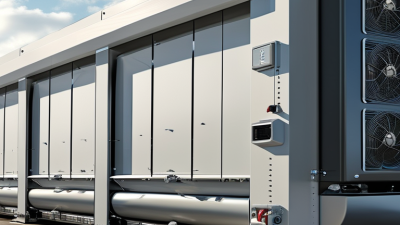
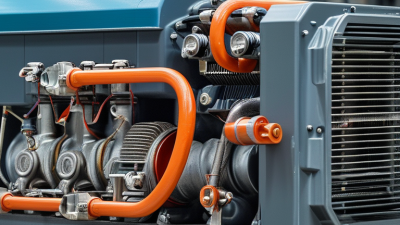
When companies start looking into more efficient ways to cool their spaces, the importance of the condensing unit really can’t be overstated. For global buyers in 2026, picking the right condensing unit isn’t just about grabbing the cheapest or most popular option — it’s about carefully weighing a bunch of factors. Things like how much energy it uses, its design, and the reputation of the brand all play a role in making that decision.
High-quality condensing units are reliable across different situations, and big names like Carrier, Trane, and Lennox tend to perform consistently well. But, it’s not all smooth sailing; things like upfront costs and ongoing maintenance can be hurdles that shouldn’t be overlooked. Knowing what to expect helps businesses make smarter choices rather than rushing into something they might regret.
On top of that, the whole decision gets even trickier when you factor in all the environmental rules and energy standards around the world. Different countries have different requirements, so global buyers really need to dig into credible info and case studies. Finding the perfect condensing unit isn’t just about research — practical experience and expert advice are key, especially as this market keeps changing and evolving. It’s all about being well-informed and making choices you can stand behind in the long run.
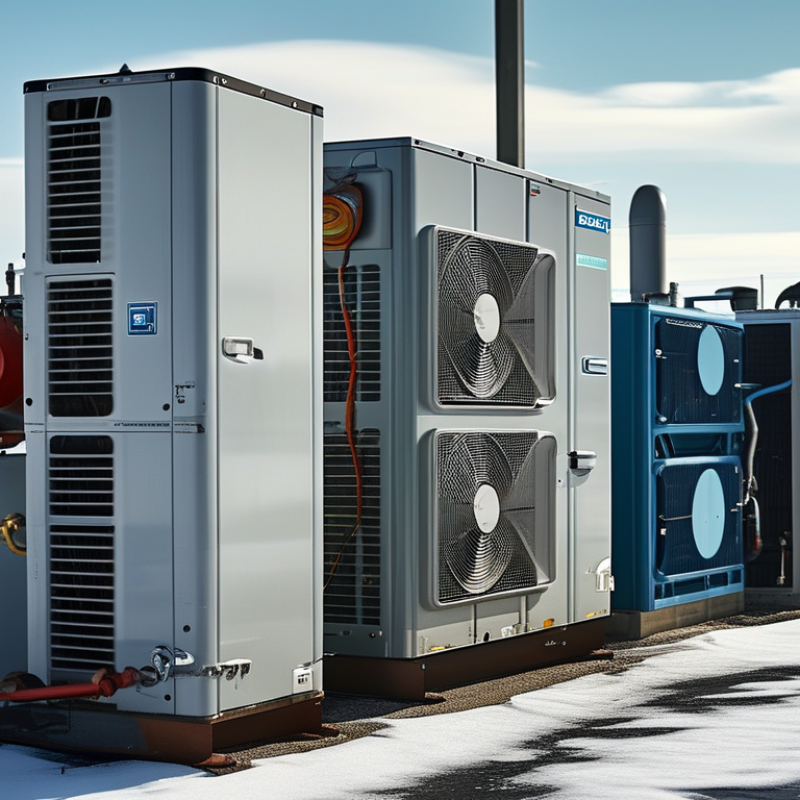
Overview of Condensing Units and Their Importance in HVAC Systems
Condensing units play a crucial role in HVAC systems. They facilitate heat exchange and maintain optimal temperatures in both residential and commercial spaces. These units compress refrigerants, enabling efficient cooling. According to a report by the International Energy Agency, HVAC systems account for nearly 40% of the total energy consumption in buildings. Efficient condensing units can significantly reduce energy use and operating costs.
When selecting condensing units, buyers should consider a few key aspects. Check the unit's efficiency rating. Look for units with a high SEER (Seasonal Energy Efficiency Ratio) rating. Understanding your cooling requirements is also essential. Oversized units can lead to short cycling, reducing their effectiveness. A dedicated system performance evaluation may provide deeper insights.
**Tips:** Regular maintenance improves longevity. Schedule annual check-ups for optimal performance. Clean coils frequently to maintain efficiency. This is crucial for sustaining low energy bills. Don't overlook noise levels. Some units operate quietly, while others may create disturbances. Choose wisely according to your space demands.
Key Factors to Consider When Choosing a Condensing Unit
When selecting a condensing unit, several key factors can influence your decision. The efficiency of the unit should be a top priority. Opt for a model that offers high energy efficiency ratings. This can drastically reduce operational costs. Consider the size of the unit as well. A poorly sized unit can lead to inefficiencies and increased wear. Its dimensions must match the needs of your space.
Installation and maintenance convenience are crucial too. Units that allow easy access for maintenance can save valuable time and costs in the long run. Research the ease of installation to avoid unnecessary delays.
Tips for buyers: Always check the noise levels of the unit. A quieter model can enhance comfort significantly. Consider the local climate as well. Different units perform better in varying temperatures. Don't forget to read reviews and consult with professionals to ensure reliability.
Reflect on long-term needs. An ideal condensing unit should not only meet immediate demands but also provide a sustainable solution for future requirements. Balancing price and quality is essential, as spending less initially can lead to higher costs down the line.
Top Condensing Unit Brands for Global Buyers in 2026
As global buyers seek optimal condensing units in 2026, several brands stand out based on reliability and performance. Industry reports indicate that the market for condensing units is expected to grow by 8% annually, driven by demand in HVAC systems. Buyers focus on energy efficiency, with units that have high SEER ratings becoming increasingly popular. Data from the latest market analysis highlights that efficiency can reduce operating costs by up to 30%, emphasizing the financial benefits of choosing the right brand.
In selecting condensing units, performance under various conditions is essential. Many users report mixed results with certain models, particularly in extreme climates. Feedback indicates potential issues with noise levels and installation complications. The choice of brand can significantly impact these factors. While certain manufacturers lead in cooling capacity and energy savings, others may fall short in user experience. For informed decisions, potential buyers should thoroughly review operational data and customer experiences before choosing a unit.
The evolving technology in condensing units also merits attention. Advanced features like smart controls and remote monitoring offer improved operation. However, the complexity of these systems can lead to challenges in maintenance. Buyers must weigh the benefits of high-tech solutions against potential upkeep needs. This balance is critical in ensuring long-term satisfaction with the chosen condensing unit.
Energy Efficiency Ratings and Their Impact on Condensing Units
Energy efficiency ratings play a crucial role in selecting condensing units. These ratings guide global buyers towards more sustainable choices. A high energy efficiency ratio (EER) indicates lower energy consumption. This leads to significant cost savings over time. However, understanding how these ratings work can be complex.
Many factors influence the energy efficiency of a condensing unit. These include the design, materials, and technology used. Some systems may appear efficient but underperform in real-world conditions. Buyers should evaluate performance data carefully. Reliable sources can help assess energy ratings effectively.
Misleading marketing claims are common within the industry. It's vital to focus on standardized ratings described in official guidelines. Despite advancements, some units still present challenges. Buyers must remain vigilant and question the information provided. A clear understanding of energy efficiency ratings can empower smarter purchasing decisions.
Comparative Analysis of Air-Cooled vs. Water-Cooled Condensing Units
When comparing air-cooled and water-cooled condensing units, several key factors emerge. Air-cooled units are often simpler to install. They require less maintenance and operate efficiently in numerous climates. A study by the International Energy Agency (IEA) showed that air-cooled systems have a 30% lower installation cost compared to their water-cooled counterparts. However, their efficiency can decrease in hotter conditions, leading to higher operational expenses.
On the other hand, water-cooled units excel in efficiency, particularly in larger systems. Their ability to handle high capacities makes them suitable for commercial applications. According to the ASHRAE, water-cooled systems can achieve up to 25% greater efficiency in energy consumption. Nevertheless, they require extensive maintenance and a reliable water source. This can complicate their implementation in some regions.
Deciding between the two options involves trade-offs. Environmental conditions and specific requirements dictate the choice. Buyers need to consider long-term costs against immediate advantages. Both systems have strengths and weaknesses. Evaluating each option's performance and maintenance needs is essential for informed purchasing decisions.
2026 Best Condensing Unit Options for Global Buyers - Comparative Analysis of Air-Cooled vs. Water-Cooled Condensing Units
| Type |
Cooling Capacity (kW) |
Energy Efficiency Ratio (EER) |
Operating Cost ($/year) |
Maintenance Frequency (times/year) |
Environmental Impact (CO2 emissions kg/year) |
| Air-Cooled |
150 |
3.5 |
1200 |
2 |
800 |
| Water-Cooled |
200 |
4.0 |
1500 |
3 |
600 |
| Air-Cooled |
100 |
3.2 |
900 |
2 |
700 |
| Water-Cooled |
250 |
4.5 |
1800 |
4 |
500 |
Latest Technological Advancements in Condensing Unit Design
The design of condensing units has witnessed remarkable advancements aimed at efficiency and sustainability. Recent studies indicate that energy-efficient units can reduce operational costs by up to 30%. This trend aligns with global energy standards, urging manufacturers to adopt innovative solutions. The focus on eco-friendly refrigerants has gained momentum as well. For instance, hydrocarbons and CO2 are emerging as viable options, although their adoption varies by region.
Further technological improvements are evident in smart technology integration. These units now feature IoT capabilities, enabling real-time monitoring and predictive maintenance. A 2022 industry report highlighted that smart condensing units can decrease downtime by 20%. However, some manufacturers face challenges in retrofitting existing systems with these advanced technologies. This disparity creates a gap in market readiness. The shift toward digital platforms may also lead to cybersecurity concerns, which require attention.
Another point of consideration is noise reduction technology. Innovations in sound insulation have made newer models quieter. Conversely, older units often fail to meet these standards, leading to complaints about noise in residential areas. Enhancing user experience should be a priority, yet balancing cost-effectiveness with performance remains a challenge for developers in this dynamic market.
Market Trends and Predictions for Condensing Units in 2026
As the global market for condensing units evolves, key trends are emerging for 2026. Increased energy efficiency remains a primary focus. Designers and manufacturers prioritize technology that lowers energy consumption. Buyers are keen on solutions that offer both performance and sustainability. New regulations emphasize lower emissions, compelling companies to innovate.
In addition, advanced digital controls are on the rise. These technologies enhance system monitoring and predictive maintenance. They allow users to track efficiency in real-time, which can act as a double-edged sword. This reliance on tech can sometimes lead to overestimation of performance. Users must understand the limitations of automation in their systems.
Moreover, the market is seeing a shift towards hybrid systems. These units combine traditional cooling methods with renewable energy sources. While they hold promise, concerns around initial costs and infrastructure remain. Buyers are torn between leveraging new technologies and managing budgets. Reflection on these choices is vital as the market matures.
Optimize Your Carrier Transicold Reefer Unit with the 22-50088-00 Capacitor Motor for Enhanced Refrigeration Efficiency
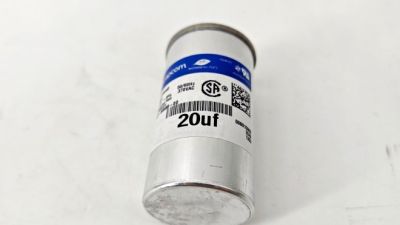
The efficiency of refrigeration systems, particularly in transport applications, is crucial for maintaining product integrity and reducing waste. The 22-50088-00 motor run capacitor serves as a vital component for Carrier Transicold reefer units, designed to optimize their performance. This 20µF capacitor ensures that the motor operates smoothly and efficiently, ultimately enhancing the overall refrigeration efficiency of the unit.
Upgrading to the 22-50088-00 capacitor not only improves the functionality of the reefer unit but also extends the lifespan of the motor. By providing reliable electrical support, this capacitor reduces the risk of overheating and minimizes energy consumption. As a direct replacement part, it is easy to install, making it an ideal choice for maintenance and repairs. Investing in this component translates to better temperature control and improved energy efficiency, which are critical factors in successful refrigeration operations.
FAQS
: Energy efficiency ratings indicate how much energy a condensing unit consumes. Higher ratings suggest lower energy usage.
They guide buyers towards sustainable choices, potentially leading to significant cost savings over time.
Design, materials, and technology impact energy efficiency. Real-world performance might differ from expected ratings.
Buyers should rely on performance data from trusted sources. Misleading marketing claims are common in this industry.
Yes, air-cooled units are simpler to install and maintain. However, their efficiency may drop in extreme heat.
They are more efficient and suitable for larger commercial systems but have high maintenance needs and require water access.
Increased energy efficiency is a top priority, with emphasis on technology that lowers energy consumption.
Advanced digital controls enhance efficiency monitoring but can lead to overestimating performance. Users must be cautious.
Hybrid systems combine traditional cooling with renewable energy methods, but initial costs and infrastructure can be challenging.
Evaluate long-term costs against immediate benefits. It's essential to reflect on the options and their suitability.
Conclusion
The article "2026 Best Condensing Unit Options for Global Buyers" provides a comprehensive overview of condensing units and their critical role in HVAC systems. It highlights essential factors to consider when selecting a condensing unit, such as energy efficiency ratings and the choice between air-cooled and water-cooled options. The piece also examines the current market trends and technological advancements that are shaping the design and functionality of condensing units in 2026.
In addition to outlining the key attributes of top condensing unit brands for global buyers, the article underscores the importance of energy efficiency in reducing operational costs and environmental impact. By understanding these trends and considerations, buyers can make informed decisions in selecting the most suitable condensing unit for their needs.