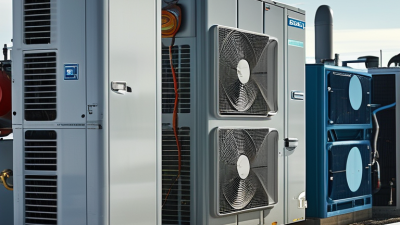
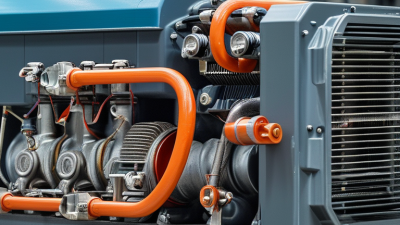
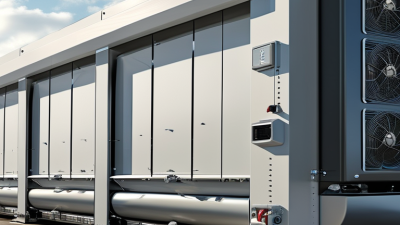
In today’s super competitive market, buyers are really on the lookout for smarter solutions when it comes to energy efficiency. You might’ve heard about the Inverter Compressor, and honestly, it’s become a real game-changer across different industries. These units are pretty clever—they can tweak their speed depending on whether you're heating or cooling, which helps save energy without breaking a sweat.
But here’s the thing—these compressors aren’t just about cutting down on energy bills. They actually boost your comfort level, cut down on noise, and are better for the environment too. It’s pretty much a perfect mix of smart tech and efficiency, and that’s why so many global buyers are getting excited about them. Big names like LG and Daikin are leading the charge, pushing the industry forward with these cool innovations.
Of course, it’s not all smooth sailing. There are a few hiccups to watch out for, like the higher upfront costs and some tricky installation stuff. Sure, investing in an Inverter Compressor can pay off big time in the long run, but you gotta do your homework first—think it through and plan carefully. When you understand both the perks and the potential challenges, your business can make smarter choices that really fit your goals and needs.
Benefits of Inverter Compressors: Overview of Energy Efficiency Stats
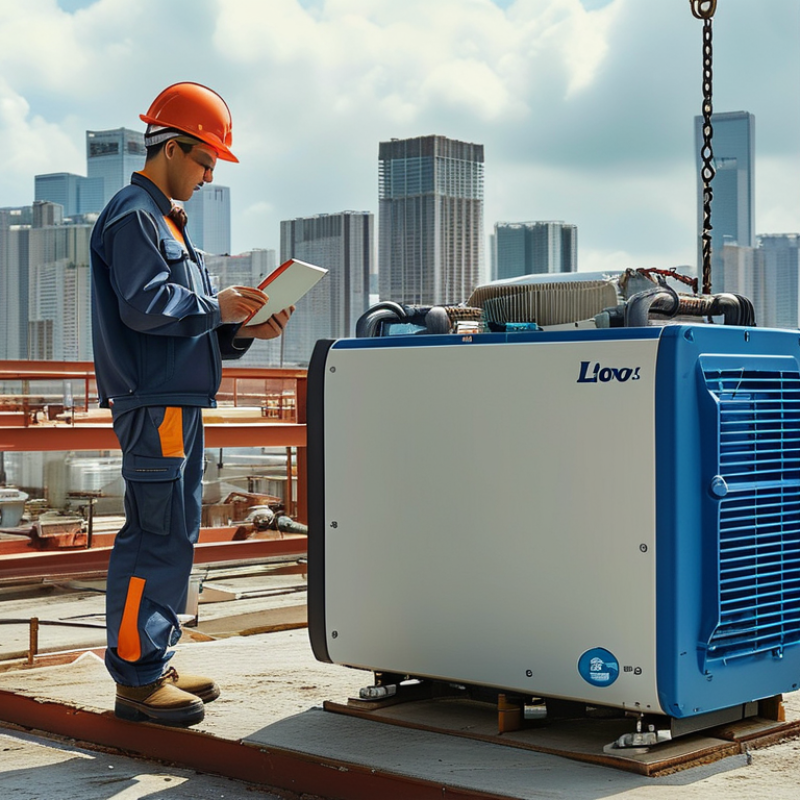
Inverter compressors are revolutionizing energy efficiency in many industries. According to a report by the International Energy Agency, these systems can reduce energy consumption by up to 30%. This substantial reduction stems from their ability to adjust compression speed. This response aligns with real-time cooling needs. It contrasts with traditional systems that operate at fixed speeds, leading to energy waste.
Moreover, inverter compressors create significant long-term savings. Studies indicate that users can recover initial costs within a few years. These systems are not only efficient but also contribute to lower carbon emissions. A report from the U.S. Department of Energy shows that adopting inverter technology could cut greenhouse gas emissions by 15% in major sectors.
The performance of inverter compressors like the Dc Compressor is impressive. They offer quieter operation compared to their counterparts. However, awareness of maintenance needs remains crucial. Neglect can lead to inefficiencies. It’s essential to ensure regular servicing to fully enjoy these benefits. Building a clear understanding of how to maintain these systems can maximize both efficiency and longevity.
Impact of Inverter Compressors on Long-term Cost Savings for Consumers
Inverter compressors are revolutionizing consumer appliances, offering substantial long-term cost savings. Unlike traditional compressors, inverter models adjust their speed based on cooling demand. This results in efficient energy usage, reducing electricity bills.
Over time, consumers notice significant savings. A well-functioning inverter compressor can cut energy consumption by up to 30%. These savings accumulate year after year. However, buyers must also consider the initial investment. The upfront cost of inverter technology can be higher. Is it worth it? For many, the answer is yes.
Tips: Look for energy-efficiency ratings when purchasing appliances. Check long-term warranty options. Consider maintenance costs as well.
Inverter compressors maintain stable temperatures, enhancing comfort. They operate quietly, reducing noise pollution in the home. This additional comfort leads to happier living spaces. Yet, consumer preferences vary. What works best for one household may not suit another. It’s essential to evaluate personal needs and usage patterns.
Investing in inverter technology is a long-term commitment. Understanding both benefits and costs is crucial. Consider all factors before making a decision.
Noise Level Reduction: How Inverter Compressors Enhance Comfort
Inverter compressors are becoming increasingly popular due to their efficiency and comfort. One of the most significant benefits is noise level reduction. Traditional compressors can be quite loud, often causing disruption in homes and workplaces. In contrast, inverter compressors operate at varying speeds. This adaptive technology allows them to run quieter during low demand periods.
A typical inverter compressor might produce sound levels as low as 30 dB, similar to a quiet library. On the other hand, traditional units can reach 50 dB or more. This reduction in noise transforms living spaces. People can enjoy a peaceful environment, focusing on tasks or relaxing without interference.
However, not all inverter compressors are created equal. Some may still produce noise levels that could be distracting. It’s important for buyers to research models and read user reviews. Small variations in design or manufacturing can lead to noticeable differences. A crucial aspect of the purchasing process involves balancing cost with sound performance. Ultimately, making an informed decision enhances overall comfort and satisfaction.
Greater Temperature Control: The Science Behind Inverter Technology
Inverter technology is transforming temperature control in modern appliances. It allows devices like refrigerators and air conditioners to adjust their cooling capacity in real-time. This dynamic response is crucial for maintaining optimal temperatures, minimizing energy waste.
Studies show that inverter compressors can be up to 30% more efficient than conventional models. This efficiency results from the ability to modulate power consumption based on need. When temperatures fluctuate, inverter compressors react immediately. Such responsiveness prevents drastic temperature changes, ensuring food stays fresher for longer. In fact, data indicates that proper temperature maintenance can reduce spoilage rates by up to 20%.
The mechanics behind inverter compressors are fascinating yet complex. They utilize advanced algorithms to gauge the precise cooling required, which is a significant advancement over traditional fixed-speed compressors. However, this technology isn’t flawless. Some consumers report higher initial costs, raising questions about affordability for all. Additionally, the long-term reliability of inverter systems is still under scrutiny. There's a need for ongoing assessments to understand their longevity in various environments. As global buyers assess these units, the balance between immediate costs and long-term benefits becomes a critical consideration.
Environmental Benefits: Lower Carbon Emissions from Inverter Compressors
Inverter compressors are transforming how we think about energy efficiency. With their advanced technology, these compressors adjust their cooling capacity based on demand. This dynamic nature leads to significant energy savings, which directly translates to lower carbon emissions. In sectors like refrigeration and air conditioning, these units are increasingly in demand for their environmentally friendly features.
When we consider environmental benefits, inverter compressors stand out. For instance, their ability to operate at variable speeds reduces energy consumption. This not only helps to lower electricity bills but also diminishes the carbon footprint. A Vfd Compressor, for example, operates smoothly, adapting to real-time needs. This efficiency is crucial in combating climate change. However, it is important to note that not all applications may be suitable for inverter technology. Some systems may need traditional compressors for specific functions.
The transition to inverter compressors requires thoughtful consideration. Users must be aware of the potential upfront costs. While the long-term savings are evident, the initial investment can be daunting. Careful planning and analysis can aid decision-making. This way, buyers can make informed choices that align with environmental goals.
Comparison of Inverter vs. Conventional Compressors in Performance Metrics
In the world of compressors, inverter and conventional models present distinct performance metrics. Inverter compressors adjust their speed according to the cooling demand, enhancing efficiency. Reports indicate that inverter compressors can reduce energy consumption by up to 30-50% compared to conventional units. This efficiency translates to lower operating costs for users. In contrast, conventional compressors operate at fixed speeds, leading to energy waste and fluctuating temperatures.
A key metric to consider is the noise level. Inverter compressors often operate more quietly, with sound levels reduced by up to 5 decibels. This makes them ideal for homes and offices where a peaceful environment is a priority. However, some users report that inverter compressors might have a higher initial cost, which can deter buyers. It’s essential to weigh long-term savings against upfront expenses.
Tip: Evaluate your specific cooling needs before making a choice. Assessing your environment can help. Using a Ref Compressor may provide insights into the most suitable options.
Reliability is another point of comparison. Inverter compressors generally have longer lifespans due to reduced wear and tear. They can operate continuously without cycling on and off excessively. Still, users may face complexity in repairs. Conventional models are often easier to fix, highlighting a trade-off between longevity and ease of maintenance.
Tip: Consider potential repair costs when selecting your compressor. Balancing reliability with repair convenience is crucial for long-term satisfaction.
Market Trends: Growing Adoption Rates of Inverter Technology Globally
The adoption of inverter technology is surging globally. More manufacturers recognize its efficiency. This shift aligns with increasing energy costs and environmental concerns. Inverter compressors are known for their ability to adjust speed based on demand. This capability leads to significant energy savings. Experts note that the market demands products that can minimize operational costs while enhancing performance.
Countries are investing in energy-efficient technologies. Policies promote the use of inverter compressors in various sectors. This trend is crucial for reducing carbon footprints. Yet, some buyers hesitate due to higher initial costs. They wonder if long-term savings justify this investment. Additionally, consumers may lack adequate data on real-world performance. This gap creates a need for better communication between manufacturers and users.
As innovation progresses, inverter technology will likely evolve. Future models could offer even greater efficiency. However, ensuring reliability remains a challenge. Users must evaluate their specific needs when considering such products. Some might find that traditional options still meet their requirements. Balancing cost and efficiency is a thought-provoking pursuit for many buyers.
FAQS
: Inverter technology helps appliances adjust their cooling capacity in real-time for better temperature control.
Inverter compressors can be 30-50% more efficient than conventional models, reducing energy waste significantly.
Immediate response to temperature changes keeps food fresher by preventing drastic temperature swings.
No, they typically operate more quietly, with sound levels reduced by up to 5 decibels.
They often have higher initial costs, which can be a concern for budget-conscious consumers.
Yes, due to reduced wear and tear, they can last longer with less cycling on and off.
Repairs can be complex, whereas conventional models are generally easier to fix.
Evaluate your specific cooling needs and environment to make the best choice.
Yes, maintaining proper temperatures can reduce spoilage rates by up to 20%.
While offering efficiency and longevity, they may come with higher initial costs and complexity in repairs.
Conclusion
Inverter compressors represent a significant advancement in technology, offering numerous benefits to consumers and the environment. These compressors are known for their impressive energy efficiency, which translates into long-term cost savings for users. Their ability to operate at varying speeds results in enhanced comfort through reduced noise levels, making living and working spaces more pleasant. Furthermore, inverter compressors provide greater temperature control, ensuring optimal performance that adapts to specific cooling or heating needs.
The environmental impact of inverter compressors is also noteworthy, as they contribute to lower carbon emissions compared to conventional models. As global awareness of sustainability grows, the adoption of inverter technology is seeing an upward trend in the market. Overall, inverter compressors not only improve individual user experiences but also align with broader efforts toward energy conservation and environmental protection.