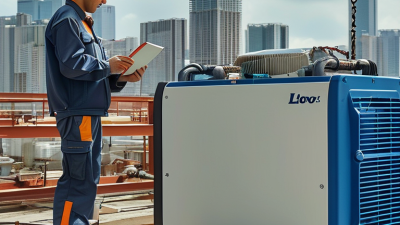
Let’s be honest, choosing a Cooler Refrigeration Unit can quickly become pretty overwhelming. I mean, there are so many options out there, it’s enough to make your head spin. I chatted with Bill Johnson, a top expert in refrigeration systems at ColdTech Solutions, and he told me, “Picking the right Cooler Refrigeration Unit is key for keeping things efficient and your products in top shape.” His words really hit home – it’s all about understanding what your specific needs are.
Every business is different, you know? Things like how precise your temperature control needs to be, the size of your space, and how much energy you'll be using all matter a lot. Like, a beverage distributor might have totally different needs than a bakery. But here’s the thing – a lot of entrepreneurs tend to overlook these differences, which can lead to some pretty costly mistakes later on.
And let’s not forget about reliability. Nobody wants a fridge that keeps breaking down—it’s a huge pain and can seriously mess with your operations. Honestly, investing in a quality unit gives you peace of mind, no doubt. Still, a lot of folks rush through this decision without really taking the time to listen to the experts or weigh all the factors. So, yeah, taking a step back and thinking about these stuff is pretty crucial if you want to make a smart choice that won’t come back to bite you later.
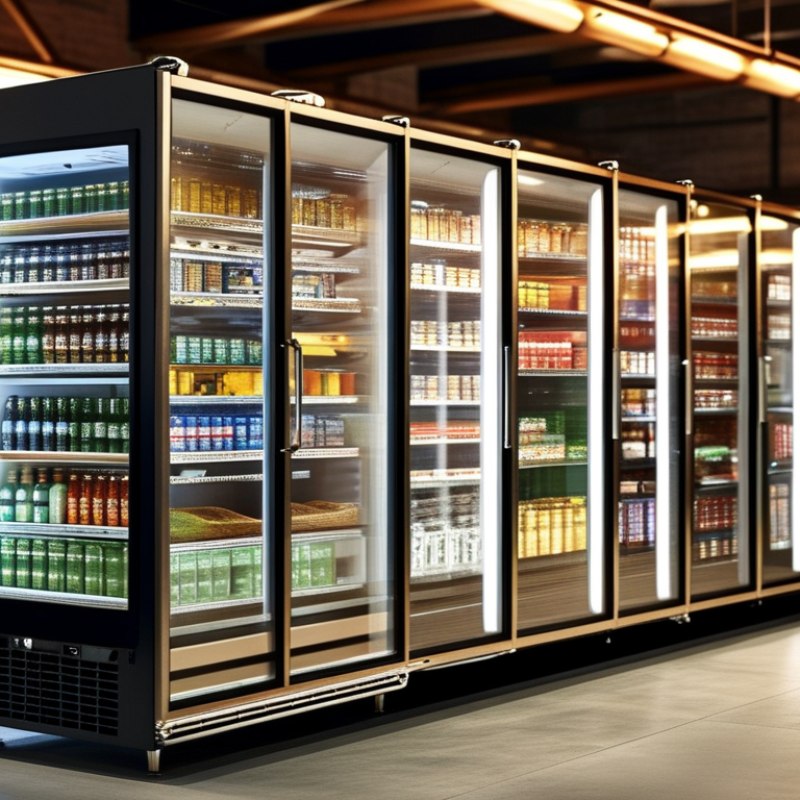
Understanding Cooler Refrigeration Units: An Overview
Cooler refrigeration units are crucial in various industries. They ensure optimal temperature control for perishable goods. According to a report by the U.S. Department of Energy, improper refrigeration can result in significant spoilage—up to 30% of food can be wasted due to inadequate cooling. This highlights the importance of selecting the right unit for your specific needs.
When evaluating cooler options, consider the size, efficiency, and temperature range. For instance, a
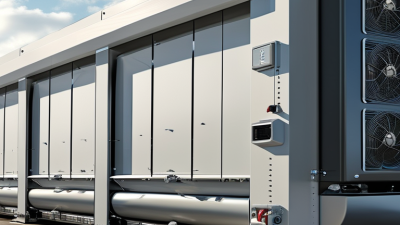
Walkin Cooler Refrigeration Unit
can maintain temperatures between 32°F to 40°F. This feature is essential for preserving fresh produce. Energy efficiency matters; units with better insulation and advanced technologies consume less power. Research indicates that energy-efficient units can save businesses 20-30% on energy costs. However, initial investment in high-quality systems may deter some businesses.
Maintenance is another aspect to ponder. Regular checks can prevent breakdowns, leading to potential product loss. Still, many operators overlook routine maintenance. Therefore, being mindful of these details can aid in making informed decisions. Balancing cost, efficiency, and functionality is critical.
Types of Cooler Refrigeration Units: Comparison of Options
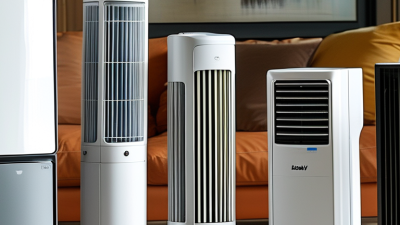
When choosing a cooler refrigeration unit, understanding the options available is crucial. There are various types, each designed for specific needs. Chest freezers are popular for bulk storage, providing ample space and energy efficiency. The upright units, on the other hand, offer easy access and organization. For those who need portability, compact coolers are lightweight and convenient.
Evaluate the space you have available and the amount of goods you plan to store. This will help in selecting the right size and type. Many overlook insulation quality. Proper insulation affects energy consumption and performance. A unit with good insulation can save costs in the long run.
Consider the noise level as well. Some units can be quite loud, disrupting your environment. Check user reviews to gain insights into reliability and performance. A unit may look perfect on paper but may not deliver in real-world conditions. Each choice comes with its own pros and cons, needing careful reflection.
Key Features to Consider When Choosing a Cooler Refrigeration Unit
Choosing the right cooler refrigeration unit involves focusing on key features that align with your specific needs. One critical aspect is the cooling capacity. It determines how much space the unit can effectively cool. A unit with inadequate capacity may lead to temperature inconsistencies. Industry reports indicate that a cooler should ideally maintain temperatures between 28°F and 32°F for optimal freshness.
Another vital feature is energy efficiency. Refrigeration units can consume significant energy, impacting operational costs. According to the U.S. Department of Energy, energy-efficient models can save up to 30% in energy consumption. This factor is essential for businesses seeking to manage expenditures effectively over time.
Additionally, consider the unit's durability and construction materials. Many cooler refrigeration units use stainless steel, ensuring they withstand frequent usage. However, not all manufacturers provide the same quality assurance, which can lead to premature failures. Make sure to explore user reviews and lifetime statistics before making a choice. A well-informed decision can lead to long-term satisfaction and efficiency.
Assessing Energy Efficiency in Cooler Refrigeration Units
When selecting a cooler refrigeration unit, energy efficiency plays a crucial role. Many units consume significant power, leading to higher operational costs. Look for models with high energy ratings. These usually operate more effectively, providing better cooling with less energy. Understanding the energy consumption of a unit can help you make a cost-effective choice.
One often overlooked aspect is the unit's size. A larger unit may seem appealing, but it can waste energy if not required. Assess the load you intend to keep. Ensure the refrigeration unit matches your specific needs. An oversized unit will cycle on and off frequently, leading to energy wastage. Regularly check energy usage to evaluate efficiency over time.
Investing in advanced technology can improve energy efficiency. Look for features like a smart thermostat or variable speed compressors. These options adjust cooling based on demand. However, not all users need these features. It’s essential to assess whether they align with your operational needs. Energy efficiency is not just about cost savings but also about making environmentally responsible choices.
Determining the Right Size and Capacity for Your Needs
Choosing the right size and capacity for your cooler refrigeration unit is crucial. An oversized unit can lead to increased energy consumption. Meanwhile, a unit that is too small may not adequately preserve food and other perishables. Reports suggest that nearly 25% of commercial refrigeration units operate without optimal efficiency due to incorrect sizing.
To calculate the required capacity, consider the volume of items you need to store. The average storage space recommended for most applications is around 2 cubic feet per 100 pounds of product. That means a cooler meant to hold 1,000 pounds would need approximately 20 cubic feet. This specific measurement helps ensure that airflow and cooling efficiency are not compromised.
Evaluate the layout of your space as well. Each installation has unique factors, including door locations and internal shelving. A poorly placed Unit Cooler can result in hot spots and variable temperatures. Remember, the goal is to maintain a stable environment to protect your investment.
Tip: Always consult with a refrigeration professional before making a purchase. Their expertise can guide you toward the best choice for your specific needs. Aim for a balance between capacity and energy efficiency. This approach will keep operating costs down and maintain optimal performance.
Maintenance Tips for Long-lasting Cooler Refrigeration Units
Maintaining your cooler refrigeration unit is crucial for its longevity. Regular maintenance ensures efficiency and can reduce energy costs. Research from the U.S. Department of Energy reports that poorly maintained refrigeration units can consume up to 30% more energy. This means neglecting maintenance not only affects performance but also impacts your wallet.
Check the gaskets regularly. Worn gaskets can lead to air leaks. This will force your Cooler Condenser Unit to work harder, leading to higher energy consumption. Cleaning the coils is equally important. Dirty coils decrease cooling efficiency, risking spoilage of stored items. Industry standards recommend cleaning coils at least twice a year, but some environments may require more frequent care.
Monitor the temperature settings. Keeping the right temperature helps maintain product quality. The FDA suggests refrigerators be kept at or below 40°F (4°C). Additionally, inspect for rust or corrosion regularly. These can indicate potential issues that might need professional intervention. Remember, waiting until a problem becomes serious can lead to costly repairs.
Cost Considerations: Budgeting for Cooler Refrigeration Solutions
Budgeting for a cooler refrigeration unit requires careful consideration. The initial purchase price is just one aspect. Installation costs can significantly impact the overall budget. Depending on the complexity, hiring a professional might be necessary, which adds to expenses. Consider potential energy costs. Some units are more efficient than others, leading to long-term savings.
Maintenance is another crucial factor. Regular upkeep is essential for performance. Skipping this can lead to larger expenses down the line. It's wise to set aside funds for unexpected repairs. Choosing a reliable Cooler Evaporator Unit is vital. Researching the average lifespan of different units can help align your budget expectations with your needs.
Reflecting on your storage requirements can also influence costs. A unit that’s too small may require a second purchase, while an oversized one may waste energy. Evaluate your space and the types of products you'll store. This decision heavily impacts the investment needed. Taking time to analyze these factors can lead to a more informed choice.
What is the Best Cooler Refrigeration Unit for Your Needs? - Cost Considerations: Budgeting for Cooler Refrigeration Solutions
| Refrigeration Unit Type |
Capacity (Cubic Feet) |
Cooling Temperature (°F) |
Energy Efficiency Rating |
Estimated Cost ($) |
| Self-Contained Unit |
15 |
32-40 |
A+ |
800 |
| Reach-In Cooler |
23 |
32-38 |
A |
1,200 |
| Walk-In Cooler |
100 |
38-48 |
B+ |
5,000 |
| Display Cooler |
10 |
34-38 |
A++ |
1,500 |
| Undercounter Refrigerator |
7 |
32-40 |
A+ |
600 |
Optimizing Refrigeration Efficiency: The Essential Role of Oil Pumps in RefComp Compressors
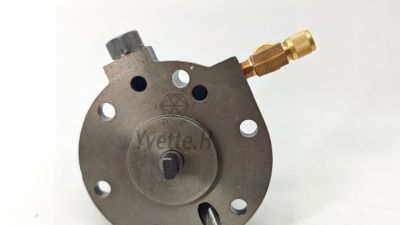
In the realm of refrigeration, optimizing efficiency is pivotal, and the performance of oil pumps in compressors plays a crucial role in achieving this goal. Oil pumps ensure that the compressor's crankcase is adequately lubricated, which is essential for maintaining the reliability and longevity of the system. This becomes particularly critical in applications like cold storage and industrial refrigeration, where any lapse in oil circulation can lead to system failures and costly downtimes.
Recent industry reports highlight that proper lubrication can improve compressor efficiency by as much as 15%, which directly translates to reduced energy costs and increased operational reliability. This is where the engineering of replacement oil pumps, specifically designed for semi-hermetic reciprocating compressors, comes into play. These pumps are tailored to restore reliable pressure lubrication, ensuring that critical components such as bearings, pistons, and cylinder walls are consistently well-oiled, thereby enhancing overall performance.
The direct-fit design of modern oil pumps facilitates quick installations without the need for extensive modifications, minimizing downtime—a crucial factor in maintaining the continuous operation of refrigeration systems. By optimizing lubrication, these components not only enhance the efficiency of compressors like RefComp's SP and SB series but also contribute to safer and more sustainable refrigeration practices across various industries.
FAQS
: Cooler refrigeration units maintain optimal temperature control for perishable goods across various industries.
Energy efficiency reduces operational costs and environmental impact while ensuring effective cooling for stored items.
An oversized unit wastes energy, while a too-small unit fails to preserve perishables effectively, leading to spoilage.
Consider size, efficiency, temperature range, and your specific storage needs to make an informed choice.
Regular maintenance prevents breakdowns and potential product loss, but many operators neglect this aspect.
Yes, features like smart thermostats can adjust cooling based on demand, but assess their relevance to your needs.
Aim for about 2 cubic feet per 100 pounds of product to ensure adequate airflow and cooling efficiency.
Calculate based on the volume of items you need to store and consult a refrigeration professional for guidance.
Poor placement can create hot spots, leading to variable temperatures and compromised product quality.
Balancing initial investment with long-term savings from energy efficiency is essential when choosing a unit.
Conclusion
When selecting the best Cooler Refrigeration Unit for your needs, it's essential to understand the various types available and how they compare. This overview explores different cooler refrigeration units, focusing on their key features, energy efficiency, and the importance of choosing the right size and capacity. By assessing these aspects, you can ensure that you select a unit that meets your cooling requirements while remaining energy-efficient and cost-effective.
Moreover, proper maintenance tips are crucial for the longevity of your cooler refrigeration unit, ensuring optimal performance over time. Budgeting for cooler refrigeration solutions is also an important consideration, as it allows you to balance initial investment with long-term savings. By understanding these factors, you can make an informed decision that best suits your specific cooling needs.