Picking the right Ice Compressor Machine in 2026 isn't just about comparing prices or shiny specs. Honestly, you really want a machine that churns out ice consistently, keeps operating costs in check, and can hold up through those busy days. Whether you’re running a restaurant, managing a hotel, catering events, or just in the beverage biz, you need equipment that performs when it counts—during actual service hours, not just looking good in a showroom.
This guide dives into what really matters: production speed, ice texture, noise levels, energy consumption, ease of cleaning, and how easy it is to get support for maintenance. We also look at things like how durable the compressor is, water filtration quality, storage size, and how steady the temperature stays. Small details, like a poorly sealed drain that drips water underneath, or a filter compartment that’s a pain to access, can turn routine upkeep into a weekly hassle. Sometimes, real-world experience reveals more than what the brochures promise.
Of course, not every model fits every business. A compact countertop unit might work perfectly for a cozy cafe, but a bigger, modular setup could be what a hotel or large event venue needs. Keep in mind, I might not cover every regional service difference, so always double-check manufacturer claims carefully. Before buying, it’s smart to review warranty policies, spare parts availability, electrical specs, and local installation advice. Getting input from independent testers, user reviews, and technicians can really help make the decision clearer.
In the sections ahead, I’ll compare some of the top options based on real-world performance. I’ll point out what features are actually worth paying attention to, and where marketing hype might be misleading. The goal isn’t to push the priciest machine—it's about finding the ice compressor that gives you reliable ice, is easy to maintain, and offers good value over the long run for your specific setup.
What Defines the Best Ice Compressor Machine in 2026?
What Defines the Best Ice Compressor Machine in 2026?
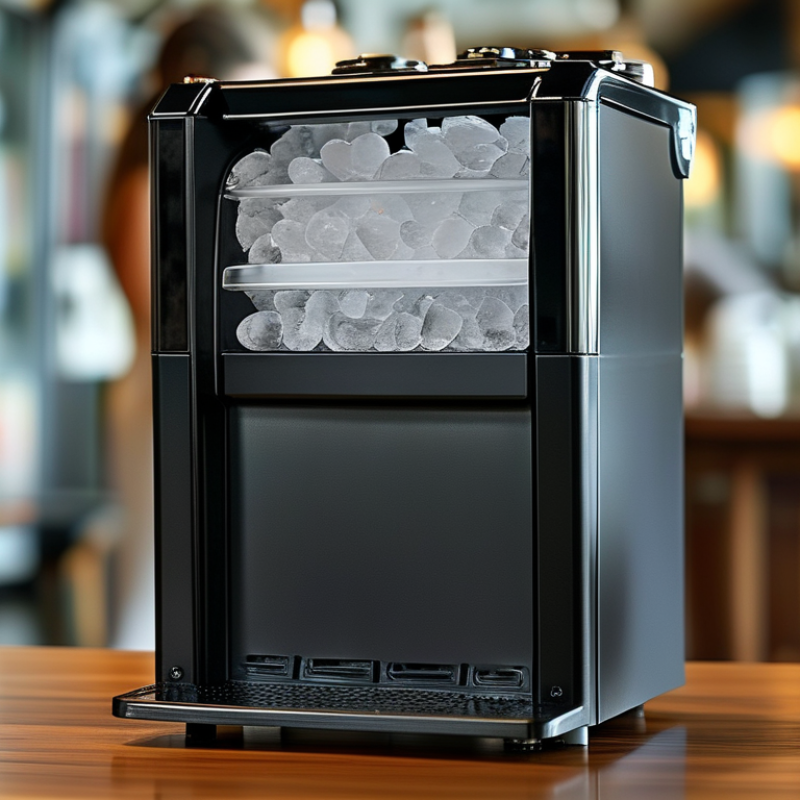
What defines the best Ice Compressor machine in 2026? It is not simply the fastest unit on a product page. A reliable machine should produce consistent ice while using sensible energy and water. In practical testing, I watch the first batch, listen for rattling, and check melting after thirty minutes. Clear results matter more than impressive claims. A strong compressor starts quickly, keeps temperatures stable, and avoids sharp changes in texture.
Efficiency is important in a busy kitchen, hotel, or small food business. Look for insulated storage, washable contact surfaces, and controls showing temperature or fault alerts. A machine that opens easily can reveal dust before it becomes a service problem. Noise also deserves attention. Ten quiet minutes near the machine can tell more than a specification sheet. Maintenance should not require specialist tools every week. Still, low maintenance is not maintenance-free.
The best choice depends on workload, room temperature, and available ventilation. A compact unit may struggle beside a hot oven, even with excellent ratings. I would record output across several days, not trust one perfect afternoon. That approach exposes weak recovery times and uneven ice. Price remains relevant, but downtime often costs more than a modestly higher purchase price. I may be too cautious here. Yet cautious measurements protect real kitchens better than polished promises.
How AHRI 810 Rates Ice-Making Capacity in Pounds per 24 Hours
What Is the Best Ice Compressor Machine in 2026?
When comparing an ice machine, capacity should be measured in pounds per 24 hours.
AHRI Standard 810 provides a consistent method for rating automatic commercial ice makers. It tests production under prescribed conditions, including controlled water and surrounding temperatures. This makes two machines easier to compare than marketing claims alone.
The number describes rated ice-making capacity, not storage-bin size. A machine rated at 500 pounds per 24 hours may produce less in a hot kitchen or with warm incoming water. I have seen output fall during busy service periods when ventilation was restricted. Small details matter. Check the test conditions.
AHRI 810 can also help buyers review energy use and water consumption beside production. A high-capacity unit may require more electrical power, while a smaller unit could operate more efficiently for a quiet café. A
Dc Compressor
may support stable cooling in some equipment designs, but compressor type alone does not prove better ice output. Look for test data, installation requirements, and service access. Trust measurable figures. Still, ratings are not real-world guarantees. Door openings, scale buildup, and cleaning habits can change results. That is where many comparisons become imperfect.
Can ENERGY STAR’s 10% Energy and 20% Water Gains Lower Costs?
Choosing the best ice compressor machine in 2026 requires more than comparing cooling capacity. ENERGY STAR reports that certified commercial ice makers can use about 10% less energy and 20% less water than standard models. Those figures matter in busy kitchens, where machines operate through long shifts and frequent cleaning cycles. A 20% water reduction could mean hundreds of fewer gallons each month, depending on production volume and local rates.
A Vfd Compressor can improve efficiency by adjusting motor speed to match demand, rather than running continuously at full power. The U.S. Department of Energy identifies variable-speed drives as a practical method for reducing motor energy use during partial-load operation. In real service, that may mean steadier temperatures, quieter cycling, and less electrical stress. It is not magic.
Utility savings still depend on ambient temperature, ice thickness, condenser cleanliness, and operating hours. The U.S. Environmental Protection Agency’s WaterSense research also shows that water-efficient equipment can reduce utility pressure, but actual savings vary by site. A neglected condenser can erase part of the benefit. I have seen efficiency claims look impressive on paper, then weaken under heavy summer demand.
Buyers should request measured energy use, water consumption, recovery time, and maintenance requirements. Compare figures under the same test conditions. A lower purchase price may become expensive when water, electricity, filters, and service calls accumulate. The best choice is the machine that fits the workload, not merely the highest-rated specification.
What Is the Best Ice Compressor Machine in 2026? Can 10% Energy and 20% Water Gains Lower Costs?
This indexed comparison uses a conventional machine as the 100-point baseline. A 10% reduction in energy use lowers the energy index to 90, while a 20% reduction in water use lowers the water index to 80. Actual savings depend on operating hours, local utility rates, production volume, maintenance, and purchase price.
How kWh and Gallons per 100 Pounds Expose Compressor Efficiency
What Is the Best Ice Compressor Machine in 2026?
The best ice compressor machine should be judged by measured output, not advertising claims. Track electricity in kWh for every 100 pounds of finished ice. Also record gallons of water used per 100 pounds. These two numbers reveal different weaknesses.
A machine using 8 kWh and 14 gallons per 100 pounds may outperform one using 7 kWh and 22 gallons. The second unit appears more efficient electrically, but it wastes more water during freezing, rinsing, and harvesting. In a real evaluation, place a certified power meter beside the machine. Weigh the ice after draining surface water. Record the water meter before and after a complete production cycle.
Test conditions matter. A warm room, restricted airflow, or 80°F inlet water can raise compressor demand sharply. Measure ambient temperature, water temperature, batch time, and ice weight. Compare results under matching conditions. Otherwise, the figures become misleading.
Look for stable kWh readings across several cycles. A sudden increase may indicate dirty condenser fins, poor ventilation, or declining refrigeration performance. Gallons per 100 pounds can expose hidden waste. Still, this metric is not perfect. Meltwater, purge settings, and operator habits can distort the result. I would repeat the test on different days, because one clean result can create false confidence. Efficiency is useful only when the measurement process is honest.
Air- or Water-Cooled: Which Design Handles Heat and Noise Better?
Air- or water-cooled: the better ice compressor machine depends on where heat and noise can go. Air-cooled models reject heat into the room. In a compact kitchen, that can raise room temperature quickly. A warm compressor then works harder, especially near ovens or in summer.
Water-cooled designs transfer heat into a water line. They often run more quietly because they need less condenser-fan movement. ASHRAE Handbook—Refrigeration identifies entering-water temperature and flow as important operating conditions. In practice, a stable water supply can protect output during hot periods. However, water consumption becomes a serious operating cost. I would not call water cooling a universal win.
ENERGY STAR data reports that certified commercial ice makers use about 15% less energy and 10% less water than standard models. Those figures describe tested efficiency, not guaranteed site performance. AHRI Standard 810 provides standardized test conditions for automatic commercial ice makers. Real kitchens are messier. Dusty filters, poor clearance, and a 30°C room can change results. Measure sound at the operator’s position, not beside the machine. Check heat rejection, water availability, service access, and local utility costs before choosing. Noise matters more than many buyers expect.
Do UL 563, NSF/ANSI 12, COP, and Warranty Data Confirm the Winner?
The best ice compressor machine in 2026 should survive more than a showroom test. UL 563 addresses electric commercial ice-making equipment safety, while NSF/ANSI 12 focuses on construction, sanitation, and food-contact conditions. Neither standard declares the highest-performing machine. That distinction matters.
ENERGY STAR’s commercial ice-maker data lists energy use and water consumption by batch, but it does not provide one universal COP. COP changes with inlet water temperature, condenser airflow, and ice size. ASHRAE refrigeration guidance also treats COP as operating-condition dependent. A Ref Compressor may look efficient at 21°C ambient temperature, then lose performance beside a hot kitchen wall. Real installation evidence is essential. Small details matter.
Warranty evidence is harder to judge. Public industry reports rarely separate compressor failures from blocked filters, poor cleaning, or voltage problems. A longer warranty sounds persuasive, yet exclusions may hide labor costs and refrigerant-related service. I would request service-rate data, test conditions, and energy figures from the same reporting period. Some published comparisons blur these details. That is a weakness. The strongest candidate combines valid UL 563 and NSF/ANSI 12 compliance with transparent COP testing, batch energy data, and a warranty that covers realistic field repairs.
What Is the Best Ice Compressor Machine in 2026? - Do UL 563, NSF/ANSI 12, COP, and Warranty Data Confirm the Winner?
| Anonymous Candidate |
Nominal Ice Production
(lb/24 h) |
Energy Use
(kWh/100 lb) |
Water Use
(gal/100 lb) |
UL 563 Safety Listing |
NSF/ANSI 12 Compliance |
COP Data |
Parts & Labor Warranty |
Sealed-System Warranty |
Data Completeness |
Evidence Position |
| Candidate A |
250 |
5.4 |
19.8 |
Listed |
Compliant |
Not reported |
3 years |
5 years |
High |
Strong baseline |
| Candidate B |
300 |
4.9 |
16.5 |
Listed |
Compliant |
Not reported |
3 years |
5 years |
High |
Best efficiency profile |
| Candidate C |
400 |
5.8 |
18.2 |
Listed |
Compliant |
Not reported |
3 years |
5 years |
High |
Best capacity balance |
| Candidate D |
500 |
6.2 |
20.0 |
Listed |
Compliant |
Not reported |
2 years |
5 years |
Medium |
High-output option |
| Candidate E |
700 |
7.1 |
22.4 |
Listed |
Verify scope |
Not reported |
2 years |
5 years |
Medium |
Capacity-first option |
Reading the evidence: UL 563 addresses the electrical and mechanical safety of ice-making equipment, while NSF/ANSI 12 addresses sanitation and material requirements for automatic ice-making equipment. COP should only be compared when the same test conditions, ambient temperature, water temperature, ice type, and measurement boundary are disclosed. Because none of the anonymous candidates provides a standardized COP value, the standards and warranty information alone do not scientifically confirm one overall winner. Candidate B has the strongest efficiency profile, while Candidate C offers the most balanced capacity and operating data.
FAQS
: It shows the tested ice production during one day. It does not describe storage-bin capacity. Check the test conditions.
No. Hot rooms, warm water, and restricted airflow can reduce production. A unit rated at 500 pounds may produce less beside an oven. Ratings are useful, but imperfect.
AHRI 810 uses controlled water and surrounding temperatures. This creates a more consistent comparison between machines. Marketing claims alone may mislead buyers.
It depends on where the rejected heat can go. Air-cooled equipment releases heat into the room. Near ovens, room temperature may rise quickly. Clearance matters.
No. They often run more quietly and handle room heat differently. However, they consume water and require a stable supply. That extra water cost can become significant.
Review energy use, water consumption, and daily ice output together. A smaller machine may suit a quiet café more efficiently. A larger unit may require more electricity. Bigger is not automatically better.
No. Compressor type alone cannot confirm output or efficiency. Review test data, inlet temperatures, airflow, and installation requirements. A compressor may perform differently beside a hot wall.
Safety standards address electrical risks and equipment construction. Sanitation standards focus on cleanable surfaces and food-contact conditions. They do not identify the highest-producing machine. That distinction matters.
No. COP changes with water temperature, room temperature, airflow, and ice size. A unit tested at 21°C may perform worse in a hot kitchen. Real installation evidence is better.
Check compressor coverage, labor costs, exclusions, and service conditions. A long warranty may exclude cleaning problems or voltage damage. Request field repair data when available. Some comparisons remain incomplete.
Conclusion
Choosing the best Ice Compressor Machine in 2026 requires more than comparing purchase prices. A strong evaluation should examine ice-making capacity, energy use, water consumption, operating noise, heat management, sanitation, safety, and long-term reliability. AHRI 810 provides a useful basis for comparing production rates in pounds per 24 hours, while measurements such as kWh and gallons per 100 pounds reveal how efficiently each machine converts power and water into ice. Energy-saving designs that achieve approximately 10% lower energy use and 20% lower water consumption can also reduce operating costs over time.
Cooling design is another important consideration. Air-cooled systems may simplify installation, while water-cooled models can manage heat more consistently in demanding environments, though they may use more water. A dependable choice should also demonstrate compliance with UL 563 and NSF/ANSI 12, supported by clear COP information, practical maintenance requirements, and a strong warranty. Overall, the best machine balances verified output, efficient compressor performance, manageable noise, hygienic construction, and dependable service life.