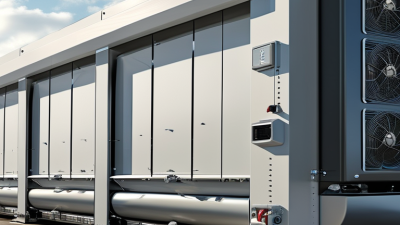
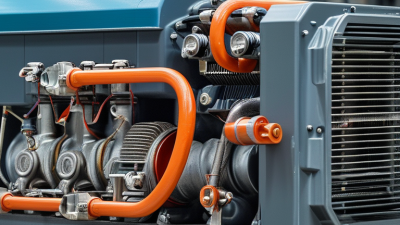
Today, choosing the right refrigeration system filter is a pretty important deal for keeping things running smoothly and reliably in the global market. As more companies are leaning towards sustainability, it’s become really essential to understand the different filter options out there. Good quality filters don’t just boost efficiency—they can actually help your refrigeration systems last longer. That said, I've seen quite a few folks overlook some of the finer details when picking out filters, and unfortunately, that often leads to unnecessary expenses.
Honestly, with so many choices out there, it can be pretty overwhelming. Things like the filter material, micron rating, and whether it’s compatible with your system all play a big role. For example, using a cheap, low-quality filter can really drag down your system’s performance. Everyone wants to get the best bang for their buck, but sometimes going for the lowest price isn’t the smartest move long-term. It’s worth taking a moment to ask yourself what quality really means for your business.
Don’t forget, local regulations might also influence which filters you should pick. Staying on top of these rules keeps you compliant and prevents headaches down the line. Talking to experienced suppliers like FilterCorp or PureAir Filters can be super helpful—they know their stuff and can guide you in choosing the right filter for your specific setup. Just make sure to rely on suppliers who offer reliable products and are knowledgeable about technical specs—that’s key to making smart, effective decisions.

Understanding the Importance of Refrigeration System Filters
Refrigeration system filters are often overlooked, yet they play a crucial role in maintaining efficiency. These filters trap contaminants and particles, which can impede performance. According to the International Institute of Refrigeration, up to 30% of energy can be wasted due to poor filtration. This means that investing in a quality filter can save significant costs over time.
A clean filter enables better airflow in a Truck Refrigeration System, promoting even cooling throughout. Neglecting this component can result in inconsistent temperatures, leading to spoilage issues. Regular maintenance and timely replacement of filters are essential for optimal performance. Experts recommend changing filters every three months or according to the manufacturer’s guidelines.
When selecting filters, consider the specific needs of your system. Not all filters are alike; some are designed for high particulate capture, while others focus on odors or moisture control. It's critical to assess factors such as the operating environment and the types of products being stored. Leaving inconsistencies in filter selection can lead to bigger maintenance issues down the line.
Types of Refrigeration System Filters Available in the Market
Refrigeration systems require effective filters to ensure optimal performance and longevity. The market offers various types of filters, each designed for specific needs. Mechanical filters remove solid particles, while coalescing filters are effective against moisture and oil. These filters can differ significantly in construction materials, making it crucial for users to understand their environments.
Activated carbon filters reduce odors and improve air quality. These filters work by trapping airborne contaminants. Users may face challenges when selecting the right filter. Not all filters are suitable for every type of system. Compatibility is vital, as using the wrong filter can lead to inefficiencies and potential damage.
Regular maintenance is essential. Filters must be checked and replaced periodically to maintain system efficiency. Failure to do so can result in reduced cooling capacity and higher energy costs. Understanding the specifics of each filter type informs better decision-making. This knowledge empowers users to invest wisely in their refrigeration systems. The right choice enhances reliability and performance, proving that not all filters are created equal.
Key Factors to Consider When Choosing a Filter
Choosing the right filtration system for refrigeration is crucial. It ensures clean air circulation and optimal performance. When selecting an Air Filter, consider the material. For instance, synthetic filters often outperform traditional options in terms of durability and efficiency. They capture smaller particles and last longer, which could save you money in the long run.
Another key factor is the filter's MERV rating. MERV stands for Minimum Efficiency Reporting Value. A higher MERV rating indicates a better ability to trap airborne particles. However, a filter that's too dense may restrict airflow. This can negatively impact the refrigeration system’s efficiency. Balancing filtration efficiency with airflow is essential.
Don't overlook the maintenance needs of the air filter. Some filters require frequent changes, while others can last longer. Regular maintenance ensures peak performance. Additionally, consider your system's specific requirements. Every refrigeration system is different. What works for one setup may not be ideal for another. Ensure the filter complements your existing equipment for optimal results.
Top Brands Offering Quality Refrigeration Filters
When choosing refrigeration system filters, quality matters. Various brands in the market offer reliable options for different needs. Not all filters perform the same, so thorough research is vital. Look for filters that ensure efficient removal of contaminants. Compatibility with your refrigeration unit is equally important.
Consider filters made of high-grade materials. These often provide better filtration and longer lifespan. Regular maintenance checks can help you track filter performance. Replacing a clogged filter promptly will enhance system efficiency.
Sometimes, it is easy to overlook the importance of a filter. Some buyers may choose based on price alone. Yet, investing in a trustworthy filter can save money in the long run. Quality filters may cost more upfront, but their durability and performance are worth it.
Comparative Analysis of Filter Efficiency and Longevity
When selecting a refrigeration system filter, efficiency and longevity are critical factors. A recent analysis found that high-quality filters can remove up to 95% of contaminants. In contrast, lower-tier filters offer only about 70% efficiency. This disparity can have significant implications for system performance and maintenance costs.
Filter longevity also matters. Many filters are rated for around six months of optimal use. However, some premium options can last up to a year under similar conditions. The difference can affect system upkeep and downtime. Industry reports suggest that extended filter life can result in lower operational costs over time.
Choosing the right filter involves trade-offs. Premium options may have a higher upfront cost, but they often save money in the long run. Overall, understanding these efficiency metrics aids in making informed decisions. Regular reviews of filter performance and condition are recommended to ensure ongoing effectiveness.
Installation and Maintenance Tips for Refrigeration Filters
When it comes to refrigeration systems, proper maintenance is crucial for optimal performance. Regularly inspecting the Fuel Filter should be a key part of your routine. A clean filter ensures smooth operation and extends the life of your system. Clogged filters can lead to inefficiencies and costly repairs.
Installation is equally important. Make sure to follow manufacturer guidelines closely. This helps in avoiding common pitfalls that can affect the system's efficiency. Use the right tools and techniques while installing the fuel filter. Double-check connections to ensure they are secure and leak-free.
Routine maintenance involves regular checks of the fuel filter. This can prevent unexpected breakdowns. Cleaning or replacing it periodically will keep the refrigeration system running smoothly. Neglecting this step might lead to system failures. So, always schedule maintenance tasks promptly. Remember, proactive care saves money and hassle in the long run.
Global Trends in Refrigeration Filter Technologies and Innovations
Refrigeration systems are crucial for various industries, and filter technologies are evolving rapidly. The global market for refrigeration filters is projected to grow significantly, expected to reach $4 billion by 2026. This growth is driven by heightened awareness of energy efficiency and environmental impacts. New innovations improve filtration capacity and reduce energy consumption.
Currently, trends indicate a shift towards eco-friendly materials in filters. This change reflects a growing demand for sustainable products. Reports reveal that filters made from biodegradable materials can reduce waste significantly. Additionally, advanced filtration systems with multi-layered designs enhance performance, capturing finer particles and extending the life of refrigeration systems.
However, challenges remain. Many companies still rely on outdated filter technologies, risking efficiency and safety. A significant number of systems do not meet contemporary environmental standards. Regular updates on filter technology are essential for compliance. Adopting new filtration systems like the Fridge Air Filter can mitigate these issues. Engaging with professionals in this field ensures access to the latest innovations and insights, promoting best practices across industries.
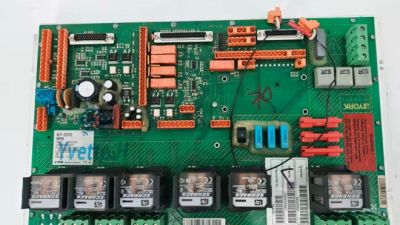
Comprehensive Overview of the 45-2010 MRB Main Relay Board as a Used Replacement for MP-3000 Refrigeration Controllers
The 45-2010 Main Relay Board (MRB) presents a robust solution for those needing a reliable replacement for MP-3000 refrigeration controllers in reefer containers and transport refrigeration units. Designed specifically for seamless integration with existing systems, this board plays an essential role by interfacing between the microprocessor and various system actuators. Its key functionalities include controlling compressor contactors, condenser fans, evaporator fans, and defrost heaters, making it a critical component in maintaining optimal temperature regulation for refrigerated transport.
What sets the 45-2010 MRB apart is its practical approach to restoration. Housed in a durable plastic casing, it weighs approximately 3kg, making it a lightweight yet sturdy option for maintenance technicians. By opting for this fully functional, used replacement part, users can significantly cut down repair costs while ensuring the longevity of their MP-3000-based systems. This makes the 45-2010 MRB an ideal choice for technicians who seek dependable, cost-effective components without compromising on performance during the restoration of refrigeration units.
FAQS
: They trap contaminants, improving efficiency and airflow, and preventing spoilage.
Up to 30% of energy may be wasted, leading to higher costs.
Generally, every three months or according to manufacturer guidelines for best performance.
Assess your system's needs, such as operating environment and product types being stored.
There is a shift towards eco-friendly materials and advanced multi-layered designs for better performance.
Many still use outdated technologies, risking efficiency and failing to meet environmental standards.
Yes, filters made from biodegradable materials can significantly lower waste output.
New filters capture finer particles and enhance energy consumption efficiency.
It ensures compliance with contemporary environmental standards and improves system safety.
They provide access to the latest innovations and promote best practices in filter use.
Conclusion
The article "Best Refrigeration System Filter Options for Global Buyers" explores the critical role of Refrigeration System Filters in maintaining the efficiency and longevity of refrigeration units. It outlines the various types of filters available on the market, helping buyers understand which options best suit their needs. Key factors such as filter performance, efficiency, and ease of maintenance are emphasized, guiding consumers in their selection process.
Additionally, the article provides insights into installation and maintenance practices to ensure optimal operation of refrigeration filters. It also highlights global trends and innovations in refrigeration filter technologies, shedding light on the advancements that are shaping the industry. Overall, the piece serves as a comprehensive guide for anyone looking to make informed decisions regarding Refrigeration System Filters.