In today’s really competitive market, you can't underestimate how important the Condenser Unit Compressor is. Did you know that, according to the International Institute of Refrigeration, about 15% of global energy is used for commercial refrigeration? That’s a huge chunk, which makes having efficient compressor units a must if you want your business to stay sustainable. Industry expert Dr. Emily Turner even says, “A reliable condenser unit compressor can really boost your operational efficiency and help cut down on energy costs.”
When companies skip on paying attention to these units, they often end up dealing with more downtime and operational headaches. If your compressors aren’t working right, it can lead to spoiled products and, ultimately, lost money. Actually, a study from the Refrigeration Engineers Association shows that compressor failures can cause losses of over $20,000 a month for mid-sized businesses. That’s pretty eye-opening and really points to how important proper maintenance and investing in good compressors actually are.
All in all, without the right condenser unit compressor, businesses might find it tough to handle their refrigeration needs. When efficiency isn’t a priority, operational problems crop up, and that hits your bottom line. The key is to focus on reliable equipment that supports growth and long-term sustainability. Every business should really take a hard look at their refrigeration setup and make sure it’s aligned with high-quality, high-performing technology.
Importance of the Condenser Unit Compressor in Refrigeration Systems
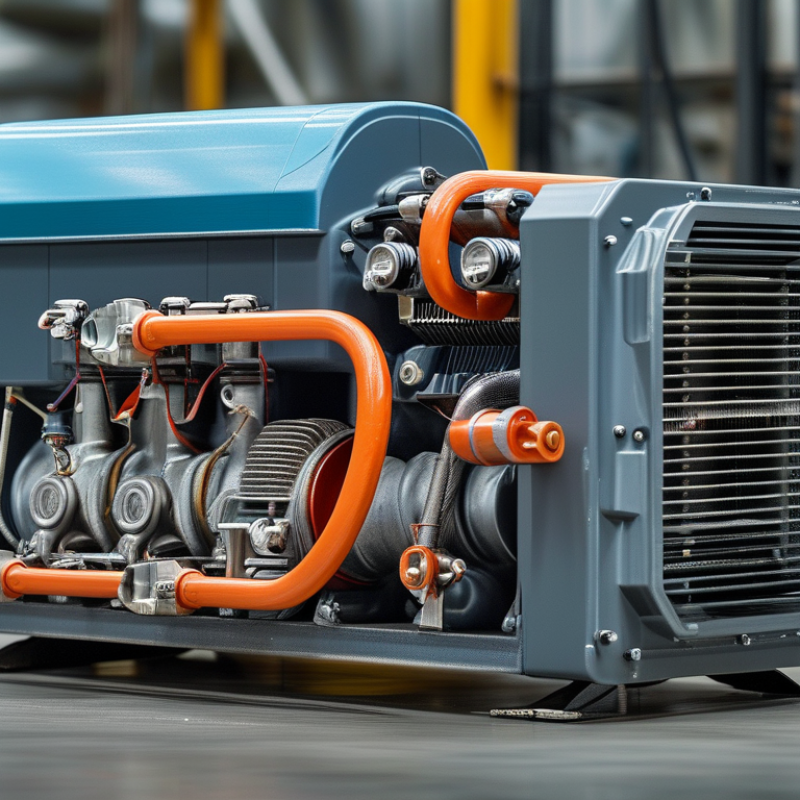
The condenser unit compressor plays a critical role in refrigeration systems. This component is essential for maintaining optimal temperatures in various environments, from restaurants to warehouses. Refrigeration is not just about cooling; it's pivotal for preserving food, pharmaceuticals, and other sensitive products. Without a functional compressor, the entire cooling process would falter.
The compressor's primary function is to circulate refrigerant, absorbing heat from the interior and expelling it outside. This allows the refrigeration unit to create a consistent, low-temperature environment. However, many businesses overlook the importance of regular maintenance. A neglected compressor can lead to inefficiency, increased energy costs, and even complete system failure. It's vital that operators stay proactive with inspections and service.
The learning curve surrounding compressor maintenance can be steep. While some businesses may feel equipped to handle basic tasks, missteps can occur. Proper training and guidance on how to address issues with the compressor are essential. Fostering a culture of diligence regarding this component not only helps preserve assets but also enhances overall operational efficiency.
Key Functions of the Condenser Unit Compressor for Efficient Cooling
The condenser unit compressor plays a critical role in any cooling system. It is the heart of the refrigeration cycle. This device compresses refrigerant and transforms it from a gas to a liquid, allowing efficient heat exchange. Without it, a cooling system cannot function properly. The compressor ensures that the refrigerant circulates effectively. This promotes better cooling performance in your business.
Moreover, a properly functioning compressor can lead to energy savings. When the compressor operates efficiently, it reduces the overall energy consumption of the cooling system. This can significantly lower operating costs over time. In contrast, a failing compressor can lead to inefficient cooling and increased expenses. Signs of trouble include strange noises and inconsistent temperatures. Ignoring these signs can escalate damage and lead to costly repairs.
Understanding the importance of maintenance is essential. Regular checks can prevent minor issues from becoming major problems. A failed compressor can result in downtime, affecting business operations. Investing in expert service for your cooling unit helps maintain optimal performance. Reliability in cooling systems is crucial for any operation, especially during peak seasons.
Impact of Compressor Efficiency on Energy Consumption and Operational Costs
The efficiency of your condenser unit compressor significantly impacts energy consumption. A well-functioning compressor optimizes the refrigeration cycle. This directly affects how much energy you use daily. If the compressor is inefficient, it can lead to higher operational costs. Energy waste adds up quickly. Businesses are often unaware of this hidden expense.
Monitoring your compressor's performance is crucial. Regular maintenance can prevent inefficiencies. Neglecting minor issues can lead to major failures. Routine checks ensure that the unit runs effectively. Investing time in this can save money in the long run. It’s easy to overlook. An inefficient compressor can drain resources and hurt your bottom line.
Understanding the relationship between compressor efficiency and costs is fundamental. Each degree of efficiency gained can lower energy bills. Tracking performance metrics can help identify possible improvements. Sometimes it takes simple adjustments to enhance efficiency. Be proactive, or you might face unexpected costs. Regular assessments create opportunities for optimization. The potential for savings is always there, waiting to be realized.
Role of Compressor in Maintaining Optimal Temperature for Perishable Goods
The compressor is crucial for maintaining the optimal temperature of perishable goods. According to the Food and Drug Administration, about 30% of food in the U.S. is wasted annually due to temperature fluctuations. This statistic highlights the role of efficient refrigeration in reducing loss. A compressor ensures consistent cooling, which is vital for keeping foods safe.
The compressor unit operates by compressing refrigerant. This process allows it to absorb heat from the environment and regulate the temperature within refrigeration systems. Proper performance of the compressor can prevent spoilage, ensuring longer shelf life for products. Industry reports suggest that maintaining the right temperature can reduce spoilage by up to 50%.
Yet, not all compressors function flawlessly. Regular maintenance is often overlooked, leading to inefficiencies. Issues such as refrigerant leaks are common in poorly maintained systems. Such problems can lead to higher energy costs and decreased product quality. Businesses should consider routine checks to ensure their compressor is operating optimally.
How Compressor Malfunctions Can Affect Business Productivity and Revenue
A malfunctioning condenser unit compressor can severely disrupt your business operations. Often, companies underestimate how critical this component is. When it fails, the entire cooling system can break down, leading to uncomfortable working conditions. Employees' productivity can drop significantly in a hot environment.
Moreover, a compressor failure can lead to costly repairs and increased downtime. Equipment fails at the worst times, impacting service delivery and customer satisfaction. In a competitive market, every delay can mean lost revenue. Considering that many businesses rely heavily on effective climate control, ignoring this risk can have detrimental effects.
Regular maintenance is essential. Monitoring performance can prevent unexpected issues. Sometimes, even minor signs of wear can indicate larger problems ahead. Investing in professional inspections can pay off. Prioritizing this aspect of business management is not just wise; it is necessary for sustainability.
Industry Standards and Best Practices for Selecting a Condenser Unit Compressor
When selecting a condenser unit compressor, industry standards dictate several key considerations to ensure efficiency and reliability. The compressor plays a crucial role in HVAC systems, impacting energy consumption significantly. According to a report by the U.S. Department of Energy, poorly chosen compressors can lead to energy inefficiencies of up to 30%. It's essential to evaluate energy efficiency ratings carefully.
Another important factor is the compressor type. Scroll and rotary compressors have different operational efficiencies. For instance, scroll compressors are generally more efficient compared to reciprocating types. Also, consider the refrigerant compatibility. The HVACR industry is steadily moving towards environmentally friendly refrigerants. A report from the Environmental Protection Agency emphasizes that using the wrong refrigerant can drastically reduce performance and increase maintenance costs.
Proper sizing of the compressor for the specific application is often overlooked. A compressor that's too small will struggle, leading to system failures. Conversely, an oversized compressor wastes energy and increases wear. According to the American Society of Heating, Refrigerating, and Air-Conditioning Engineers, under-sizing or over-sizing costs businesses an average of 20% in service interruptions and increased energy expenses annually. This underscores the necessity for meticulous selection procedures based on reliable data and professional evaluations.
Recent Advances in Compressor Technology and Their Business Benefits
Recent advances in compressor technology have significantly impacted businesses. Modern compressors now offer increased efficiency and reduced energy consumption. These improvements help businesses lower operational costs and enhance productivity. Advanced features, such as variable speed drives, adjust output based on demand. This adaptability leads to substantial energy savings.
Furthermore, newer compressor designs are more reliable and have longer lifespans. This reliability minimizes downtime and maintenance costs. Many businesses struggle with frequent breakdowns of older models. Investing in upgraded units can result in fewer repairs and consistent performance.
However, not every upgrade guarantees instant benefits. Adequate training for staff is essential to maximize these new technologies. Some businesses may encounter a learning curve when adapting to these advancements. Regular performance evaluations help in understanding their impact. Continuous improvement can drive better outcomes in the long run.
Maximizing Efficiency in Refrigeration Units: The Crucial Role of the 22-50088-00 Capacitor Motor (20UF) in Carrier Transicold Systems
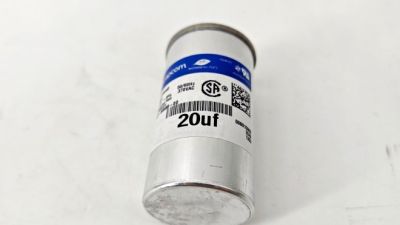
The efficient operation of refrigeration units is critical in various applications, from food preservation to temperature-sensitive transportation. Within this context, the capacitor motor plays a pivotal role in maintaining optimal performance. Specifically, the 22-50088-00 capacitor motor, rated at 20 microfarads, serves as an essential component in carrier refrigeration systems, ensuring that the units run smoothly and effectively.
An effective motor run capacitor like the 22-50088-00 enhances the reliability and lifespan of refrigeration units. By providing the necessary phase shift for the motor to start and run, this capacitor helps in maintaining consistent temperatures and reduces the risk of compressor damage due to electrical imbalances. The 20µF rating is designed to handle the specific demands of refrigeration applications, making it an ideal direct replacement that promotes improved efficiency and operational stability.
Investing in high-quality replacement parts such as the 22-50088-00 capacitor can significantly benefit the overall performance of refrigeration units. By ensuring that all components work harmoniously, users can expect reduced downtime and lower energy consumption, ultimately leading to cost savings. A reliable capacitor motor is not just a replacement part; it is a crucial component that maximizes refrigeration efficiency, safeguarding products and enhancing operational success.
FAQS
: The compressor circulates refrigerant, absorbs heat from the interior, and expels it outside.
Neglected compressors can lead to inefficiency, higher energy costs, and system failure.
Proper training and proactive inspections can improve compressor longevity and performance.
New compressors offer increased efficiency, reduced energy consumption, and improved reliability.
They adjust output based on demand, leading to significant energy savings and lower costs.
Some may struggle with the learning curve and require adequate staff training for new systems.
Yes, newer models tend to be more reliable and can minimize breakdowns and maintenance needs.
Not all upgrades guarantee instant results; ongoing performance evaluations are necessary for success.
Regularly maintained compressors operate more efficiently, which helps reduce energy consumption and costs.
Yes, it helps in preserving assets and improving overall operational efficiency in the business.
Conclusion
The Condenser Unit Compressor plays a pivotal role in refrigeration systems, ensuring efficient cooling and maintaining optimal temperatures for perishable goods. Its key functions include compressing refrigerant gases, which enhances the cooling process and helps businesses reduce operational costs by improving energy consumption efficiency. When compressors operate effectively, they contribute to consistent temperature control, vital for preserving the quality of goods.
However, any malfunction in the Condenser Unit Compressor can disrupt business productivity and negatively impact revenue. Therefore, adhering to industry standards and best practices when selecting a compressor is crucial. Additionally, recent advances in compressor technology present businesses with innovative solutions that further enhance efficiency and operational benefits, solidifying the importance of the Condenser Unit Compressor in modern refrigeration systems.