Leave Your Message
0%

Picking the right refrigeration controller isn’t just a small equipment decision anymore — it actually impacts so much more than you might think. Things like maintaining consistent temperatures, how much energy you use, the overall quality of your products, and even how quickly you can respond to issues. Even though that tiny control panel next to your compressor might look simple, trust me, its settings can influence everything in a cold room, supermarket freezer case, or refrigerated container.

According to the International Energy Agency’s report, The Future of Cooling, we could see cooling demands more than triple by 2050. The UNEP Cooling Emissions and Policy Synthesis also stresses that we need more efficient cooling systems and better maintenance practices. All these factors make choosing the right controller a pretty big deal nowadays. But here’s the thing — there’s no one-size-fits-all ‘best’ model. A controller built for a shipping container, for example, might totally flop in a food-processing plant. It’s a detail that’s easy to overlook, but it can make a big difference.

Dr. Armin Hafner, who’s a refrigeration tech researcher at the Norwegian University of Science and Technology, really highlighted why system-level efficiency is so crucial. He said, “Efficient refrigeration requires the right technology, correctly applied and properly maintained.” Sounds obvious, right? But it’s something that needs repeating. A solid refrigeration controller should do more than just control; it needs to support accurate sensors, keep good alarm records, enable remote monitoring, handle defrost cycles smoothly, and allow for easy replacements. Honestly, compatibility and practical features often matter more than shiny specs or flashy marketing.

This guide dives into stuff like control logic, software, wiring, sensor accuracy, the overall lifecycle costs, and support during installation and beyond. It also covers common replacement searches — stuff like:

[Link about the 12-56009-00 Micro-Link 3 controller and replacements]

Be aware, some product claims can be tricky to verify. So, before you buy or install anything, double-check model numbers, firmware versions, connector layouts, and how well the product fits your specific application. Small mismatches can end up causing costly downtime, and nobody wants that headache.
How to Choose the Best Refrigeration Controller?

What Is a Refrigeration Controller and Why Does It Matter?

A refrigeration controller is the system’s decision-maker. It reads temperature and pressure sensors, then coordinates the compressor, fans, defrost cycle, and alarms. Without accurate control, a cold room may swing between frost and warmth. Food quality suffers. Energy use rises.

The International Energy Agency reported in The Future of Cooling that cooling electricity demand could more than triple by 2050, exceeding 6,000 TWh annually. This makes controller selection a practical energy decision, not merely a hardware choice. Look for stable temperature control, adjustable setpoints, sensor-failure alarms, and efficient defrost logic. A controller should also record temperature history. Records reveal short cycling, blocked airflow, and doors left open.

Choose the controller around the actual installation. A freezer exposed to frequent door openings needs different logic from a quiet pharmaceutical cabinet. Check sensor accuracy, response time, enclosure protection, and compatibility with existing equipment. The International Institute of Refrigeration links refrigeration to a significant share of global electricity consumption, so small control errors can become expensive. I would not judge a unit by its screen or advertised features alone. Field testing matters. Installation quality matters more than expected. A poorly placed sensor can make an advanced controller behave badly. Sources: International Energy Agency, The Future of Cooling, 2018; International Institute of Refrigeration, Refrigeration: A Key Technology for the Future.

How to Choose the Best Refrigeration Controller?

A refrigeration controller measures temperature and manages the compressor, fans, defrost cycle, and alarms. The chart shows practical temperature targets that help determine the required control range and alarm capability.

Chilled food is commonly maintained at 5°C or below, while frozen food is generally stored at −18°C or below. Actual setpoints vary by product, local regulations, equipment design, and defrost requirements, so a suitable controller should provide accurate sensing, configurable alarms, and support for the required operating range.

Reference guidance: UK Food Standards Agency recommends refrigerators operate at 5°C or below; EU food safety rules commonly require frozen food to be maintained at −18°C or colder.

Which Refrigeration System Requirements Should You Identify First?

How to Choose the Best Refrigeration Controller?

Which Refrigeration System Requirements Should You Identify First?

Before selecting a refrigeration controller, define the system’s real operating conditions. Start with the temperature range, cooling capacity, and required temperature stability. Record the room size, product load, door-opening frequency, and ambient temperature. A walk-in freezer beside a loading dock faces very different demands from a small display case. Note the compressor type, evaporator fans, defrost method, and available power supply. Do not rely on estimates. Small errors can cause frequent cycling, frost buildup, or unstable product temperatures.

Tips: Measure temperatures at several points. Check the coldest and warmest areas. Identify alarm limits, sensor locations, and communication needs. Decide whether the controller must support data logging, remote alerts, or staged cooling. These details affect both performance and maintenance. Keep the control panel accessible. A perfect specification can still fail if technicians cannot inspect it safely.

Next, review the site’s practical limitations. Confirm sensor compatibility, enclosure protection, wiring space, and backup procedures. The controller should handle normal loads without operating continuously at its limit. It should also provide clear fault messages, not vague warnings. In my view, engineers sometimes over-specify advanced features while overlooking simple service access. That deserves reflection. A reliable controller is not only accurate; it is understandable, maintainable, and matched to the refrigeration system’s actual requirements.

How Do Controller Features Affect Cooling Performance and Efficiency?

How to Choose the Best Refrigeration Controller?

A refrigeration controller directly influences cooling stability, energy use, and cargo protection. Its sensor accuracy matters first. A small temperature error can keep the compressor running unnecessarily. That creates higher energy consumption and greater mechanical wear. Choose a controller that supports calibrated probes and clear alarm settings. Reliable models should record temperature changes, door openings, and compressor cycles. These records help technicians identify patterns instead of guessing during a service visit.

Control logic also affects cooling performance. A controller with adaptive defrost can reduce ice buildup without adding unnecessary heat. Variable fan control may improve air circulation while lowering electrical demand. Communication functions are useful when several containers need remote monitoring. However, more features do not always mean better results. Poorly configured settings can cause short cycling, unstable temperatures, or delayed alarms. Field experience shows that installation quality often matters as much as the controller itself. Loose sensor placement can misread return-air temperature by several degrees. That mistake is easy to overlook.

When comparing replacement options, verify software compatibility, wiring, sensor inputs, and display behavior. Search terms such as Carrier 12-56009-00 replacement Micro-Link 3 scroll software controller yellow label ML3 controller Carrier container controller 12-56009-00 may describe a specific application, but part numbers require careful confirmation. A technician should check the existing controller label and firmware before ordering. I have seen apparently suitable replacements fail because their software versions differed. Cooling equipment is not a place for assumptions. Test alarms, defrost timing, and temperature recovery after installation. Recheck the settings under real loading conditions.

Which Control Type Best Fits Your Refrigeration Application?

How to Choose the Best Refrigeration Controller?

Choosing the right control type starts with the refrigeration application, not the controller’s price. A simple mechanical thermostat may suit a small storage cabinet with stable temperatures. It offers easy adjustment and fewer electronic parts. However, it provides limited alarm, defrost, and data functions. Electronic controllers are more suitable for display cases, cold rooms, and systems with frequent temperature changes. They can manage compressor cycles, fan delays, defrost timing, and high-temperature alarms with greater accuracy.

For larger systems, a programmable controller can coordinate several cooling stages and protect equipment through defined operating limits. Remote monitoring may help when temperature records matter. Yet, added functions bring more settings and possible configuration errors. The best Refrigeration Controller must match the load, sensor location, defrost method, humidity level, and required response time. A controller designed for a freezer may perform poorly in a humid produce room. That detail is easy to miss.

Tips: Check the minimum and maximum temperature range. Confirm sensor compatibility. Review alarm visibility before installation. Test defrost recovery with a real load, not an empty cabinet. Keep wiring away from motor noise. Document every setting.

No choice is perfect. A basic controller can be reliable, while an advanced one can become troublesome when poorly commissioned. Qualified technicians should verify cycling, sensor accuracy, and safety limits during startup. Recheck them after seasonal changes.

How Should You Compare Compatibility, Installation, and Maintenance Needs?

How to Choose the Best Refrigeration Controller?

Choosing a refrigeration controller starts with compatibility, not appearance. Check the supply voltage, sensor type, relay capacity, and communication requirements. A controller may fit the panel but still fail with the existing temperature probe. Confirm the operating range against real cabinet conditions, including defrost cycles and frequent door openings. In practice, a refrigeration controller enclosure also needs enough space for wiring, ventilation, and safe cable routing. Measure twice. Small gaps matter.

Tips: Compare datasheets carefully. Match probe resistance and connector style. Check whether the controller supports cooling, defrost, and fan outputs. Leave room for terminal access. Ask a qualified technician to verify electrical ratings before installation.

Installation affects reliability more than many buyers expect. A clear wiring diagram reduces mistakes during a rushed replacement. Label each cable before removal, and keep sensor wires away from high-voltage conductors when possible. Moisture, vibration, and dust can damage exposed connections. Choose suitable sealing and mounting hardware for the room. However, perfect installation plans can still miss practical problems, such as a door blocking access to the display. I would inspect the actual service position, not only the schematic.

Maintenance should be simple enough for a busy technician. Look for removable terminals, visible alarms, and accessible sensor connections. Record temperature readings after installation, then compare them during routine inspections. Clean dusty areas carefully. Do not adjust control limits casually; poor settings can increase cycling, energy use, or product risk. A controller that saves installation time may still create maintenance trouble later.

What Safety, Reliability, and Smart Monitoring Features Should You Evaluate?

Choosing a refrigeration controller requires more than checking temperature accuracy. In a working cold room, safety features protect products, equipment, and people. Look for high and low temperature alarms, pressure protection, sensor-failure detection, and compressor delay controls. These functions reduce rapid cycling and help prevent costly damage. A dependable controller should also manage defrost cycles without creating unnecessary temperature swings.

Reliability becomes clearer during installation and maintenance. Check the Refrigeration Controller Board for suitable relay ratings, secure terminals, moisture resistance, and clear wiring instructions. A technician should be able to replace a sensor quickly, even in a crowded plant room. I have found that readable fault codes save more time than attractive screens. However, no controller is perfect. Sensors drift, connections loosen, and alarm limits may be set incorrectly.

Smart monitoring can reveal problems before a product load warms. Useful systems record temperature trends, compressor runtime, defrost history, and alarm events. Remote notifications should identify the cabinet, fault type, and time of occurrence. Local controls must still work if the network fails. That detail is easy to overlook. Evaluate user permissions, data security, backup communication, and simple exportable reports. During a trial, compare displayed readings with a calibrated thermometer and inspect alarm response under realistic conditions. A smooth demonstration may hide poor performance during door openings, power interruptions, or heavy summer loads.

How to Choose the Best Refrigeration Controller? - What Safety, Reliability, and Smart Monitoring Features Should You Evaluate?

Evaluation Dimension Feature or Specification to Evaluate Recommended Target or Good Practice Why It Matters Suggested Assessment
Temperature Control Control accuracy and adjustable setpoints Accuracy of approximately ±0.5°C where product requirements allow; adjustable setpoint, differential, and alarm limits Stable temperatures help protect product quality and reduce unnecessary compressor cycling. Review technical documentation and verify performance during commissioning.
Sensor Compatibility Supported temperature sensor types and input range Compatibility with the required thermistor or resistance-based sensor, with documented wiring and calibration procedures Incorrect sensor matching can cause inaccurate readings, poor control, or nuisance alarms. Confirm sensor type, resistance curve, cable length, and replacement availability.
High and Low Temperature Alarms Configurable alarm thresholds, delays, and acknowledgement Independent high- and low-temperature limits with adjustable delay, alarm status, and event history Alarm delays reduce false alerts while maintaining protection against prolonged temperature excursions. Test alarm activation, notification, acknowledgement, and reset behavior.
Sensor Failure Protection Open-circuit, short-circuit, and out-of-range detection Automatic fault detection with a defined fail-safe operating mode and visible fault indication A failed sensor should not leave the refrigeration system operating without effective control. Simulate sensor faults and confirm the controller responds as specified.
Compressor Protection Minimum off-time, anti-short-cycle delay, and restart control Adjustable time delays that prevent rapid starts and stops; settings should follow compressor manufacturer requirements Limiting rapid cycling reduces mechanical and electrical stress and can extend compressor service life. Check default values, adjustment range, and behavior after power interruption.
Defrost Management Timed, temperature-terminated, and fail-safe defrost functions Configurable defrost schedule, maximum defrost duration, termination temperature, and drip or fan-delay settings Proper defrost control maintains heat-transfer efficiency while limiting product temperature rise. Evaluate defrost performance under normal and high-ice-load conditions.
Electrical Safety Rated voltage, current capacity, protection, and isolation Electrical ratings suitable for the installation, with correctly sized external protection and clear terminal identification Correct electrical selection reduces risks related to overheating, short circuits, and equipment damage. Have installation reviewed by a qualified electrical professional and follow local codes.
Enclosure and Environment Ingress protection, operating temperature, humidity, and vibration resistance An enclosure and environmental rating appropriate for the installation location, including wet, dusty, or washdown areas Environmental compatibility helps prevent corrosion, condensation damage, and premature failure. Compare the controller’s documented environmental limits with actual site conditions.
Power-Failure Recovery Automatic restart behavior and retained configuration Defined restart sequence, preserved settings, compressor delay, and optional power-failure event logging Controlled recovery reduces the risk of simultaneous starts and helps maintain safe operating conditions. Test short outages and extended power interruptions before deployment.
Display and Local Access Readable display, keypad lock, and status indicators Clear temperature and alarm display, password or keypad protection, and visible operating-status indicators Operators need to identify problems quickly without accidentally changing critical settings. Assess readability, menu clarity, and access control in the real installation environment.
Data Logging Temperature, alarm, defrost, and operating-event history Time-stamped records with a retention period appropriate to operational, quality, and regulatory requirements Historical data supports root-cause analysis, maintenance planning, and product-protection documentation. Confirm sampling interval, storage capacity, export format, and clock accuracy.
Remote Monitoring Network connectivity, dashboard access, and mobile notifications Secure remote access with real-time status, configurable email or mobile alerts, and user roles Remote visibility can shorten response time when equipment operates outside staffed hours. Verify network dependency, notification delivery, user permissions, and service continuity.
Cybersecurity Authentication, access control, secure updates, and audit records Unique user credentials, role-based access, encrypted communications where supported, and controlled firmware updates Connected controllers can expose operational systems if access and updates are not managed securely. Review security documentation, update procedures, and account-management controls.
Energy Management Setpoint optimization, fan control, and operating reports Independent fan settings, optimized differential, night or occupancy functions where suitable, and trend reporting Appropriate control settings can reduce runtime and energy use without compromising storage conditions. Compare baseline and post-installation energy data under similar operating conditions.
Maintenance and Diagnostics Fault codes, service indicators, parameter backup, and replaceable components Clear diagnostic messages, documented troubleshooting, parameter export or backup, and accessible service parts Good diagnostics reduce downtime and make troubleshooting more consistent. Check service manuals, spare-part lead times, and technician training requirements.
Compliance and Documentation Safety certifications, installation instructions, and technical records Current conformity documentation, wiring diagrams, parameter lists, operating limits, and clear installation instructions Complete documentation supports safe installation, audits, commissioning, and future maintenance. Confirm requirements for the country, application, electrical system, and controlled products.
Evaluation Tip: Select a refrigeration controller only after matching its electrical ratings, sensor inputs, environmental limits, alarm functions, connectivity, and documentation to the specific refrigeration system and operating requirements.

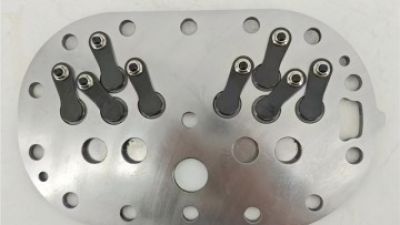
Valve Plate 30401604 for Bitzer S6F-30.2: High-Pressure Refrigeration Spare Parts Guide

Valve Plate 30401604 is a complete high-pressure-side replacement assembly developed for the S6F-30.2 refrigeration compressor and compatible compressors within the related S6F series. The assembly includes the valve, allowing a direct drop-in installation during scheduled maintenance, compressor overhaul, or urgent field repair. Its accurately machined structure supports reliable sealing and helps maintain stable discharge-side pressure under demanding operating conditions.

Produced to original equipment standards, this durable valve plate assembly helps restore compression efficiency and reduce unwanted blow-by caused by worn or poorly sealing components. Proper valve movement and close contact with the sealing surfaces can contribute to smoother compressor operation, more consistent refrigeration performance, and reduced stress on connected system components. It is suitable for commercial refrigeration applications that require dependable high-pressure control and a practical replacement solution. Before installation, technicians should confirm the compressor model, inspect mating surfaces, replace damaged gaskets as needed, and follow the equipment manufacturer’s service procedures for torque, cleanliness, and pressure testing.

FAQS

: What system details should you identify before choosing a refrigeration controller?

: Record temperature range, cooling capacity, room size, product load, and ambient conditions.

Where should temperatures be measured?

Measure several points inside the refrigerated space.

Which controller type suits a small, stable storage cabinet?

A mechanical thermostat may be suitable for simple applications.

When is an electronic controller a better choice?

Electronic control suits display cases, cold rooms, and changing temperature conditions.

When might a programmable controller be useful?

Larger systems may need several cooling stages and defined equipment limits.

How can you confirm controller compatibility?

Check supply voltage, sensor type, relay capacity, and communication requirements.

What installation details affect reliability?

Leave enough space for wiring, ventilation, terminal access, and safe cable routing.

What maintenance features should a refrigeration controller provide?

Look for visible alarms, removable terminals, and accessible sensor connections.

How should the controller be tested after installation?

Test cycling, sensor accuracy, alarm limits, and defrost recovery with a real load.

Conclusion

Choosing the right Refrigeration Controller is essential for maintaining stable temperatures, protecting stored goods, and controlling energy use. Begin by identifying the system’s cooling capacity, temperature range, sensor requirements, defrost method, compressor type, and operating environment. These details help determine whether the controller can support the equipment and respond accurately to changing load conditions.

Next, compare control types and features according to the application, such as basic temperature regulation, programmable defrost cycles, alarm functions, data logging, or remote monitoring. Consider installation complexity, wiring, display clarity, maintenance access, and compatibility with existing components. A dependable controller should also provide protection against abnormal temperatures, sensor failures, power interruptions, and compressor overloads. By evaluating performance, efficiency, safety, reliability, and long-term service needs together, users can select a solution that improves refrigeration stability while reducing unnecessary energy consumption and maintenance costs.
Nathaniel

Nathaniel

Nathaniel is a dedicated marketing professional at Xinchang Weien Import & Export Co., Ltd., a leading integrated industry and trading company specializing in refrigeration equipment and spare parts. With a profound expertise in the industry, he continuously updates the company's professional blog,......
Previous What is the Best Cooler Refrigeration Unit for Your Needs?