When it comes to controlling temperature, the importance of a good refrigeration controller can’t be overstated. Experts like John Smith from CoolTech Solutions often point out just how critical these little devices really are. I remember him saying once, “The efficiency of any refrigeration system really depends on its controller.” That really hits home, right? It just shows how knowing your refrigeration controllers is key if you want things to run smoothly and efficiently.
Take the 12-56009-00 Micro-Link 3 controller, for example. It’s a pretty essential piece of the puzzle when it comes to keeping temperatures just right. Designed for all kinds of applications, this replacement controller from Carrier tackles the tricky parts of modern refrigeration setups. With its accurate monitoring, it makes sure temperatures stay within the right limits—super important when you're dealing with sensitive stuff like food or pharmaceuticals.
That said, there are some hurdles. Not everyone totally gets how to operate these newer, smarter systems. The learning curve can be a bit steep, which sometimes slows things down. Plus, newer tech like the Micro-Link 3 scroll software controller can be a little confusing at first glance. That’s why proper training and support are so vital—without them, users might not get the most out of their equipment, like the yellow label ML3 controller. Ultimately, if folks take the time to learn and understand these systems, they’ll see real improvements in how well everything works and how reliable it is overall.
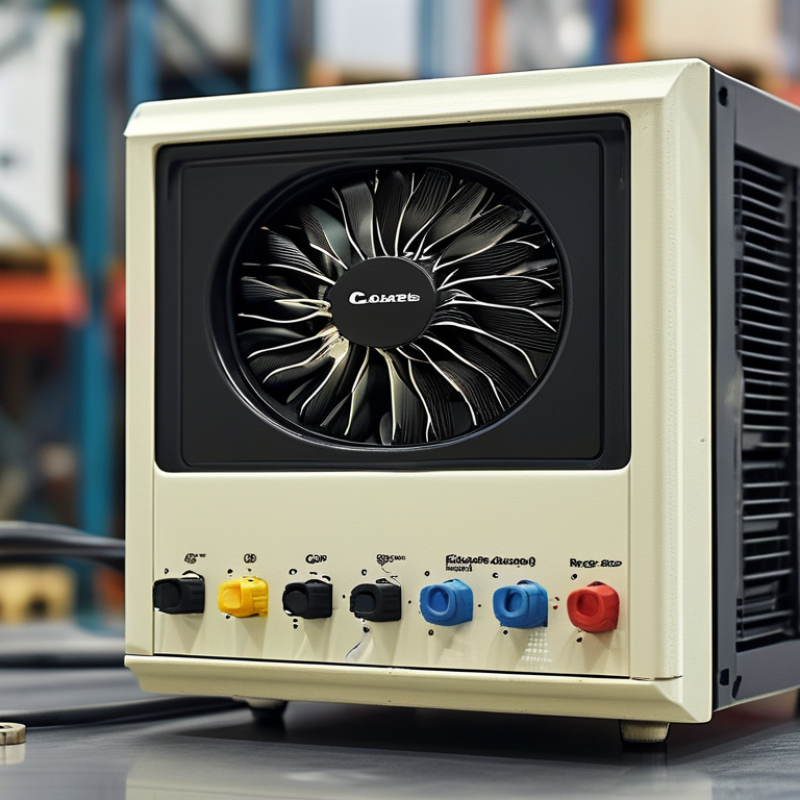
What is a Refrigeration Controller?
A refrigeration controller is a vital component in cooling systems. It monitors and regulates temperature within refrigeration units. By maintaining a consistent temperature, it ensures food and other perishable items stay fresh. The controller uses sensors to gauge the temperature. These sensors provide data, allowing the system to adjust accordingly. This automated response is essential for energy efficiency.
The operation of a refrigeration controller involves several key functions. It can activate or deactivate the compressor based on temperature readings. If the temperature exceeds a set limit, the compressor starts working harder. Conversely, if the temperature drops too low, the controller may switch off the compressor to prevent freezing. This balance is crucial for optimal performance.
However, not all refrigeration controllers are foolproof. Some models may fail to respond accurately to sudden temperature changes. Regular maintenance is necessary to address potential issues. Calibration can be tricky, as incorrect settings might lead to food spoilage or wasted energy. Users often overlook these aspects, leading to inefficiencies. Recognizing these limitations is important for effective refrigeration management.
Key Components of a Refrigeration Controller
A refrigeration controller plays a vital role in managing temperature and humidity levels across various systems. It achieves this by utilizing several key components that ensure optimal performance. The temperature sensor detects changes in the environment, sending this data to the processor. This balances the cooling and heating systems, ensuring efficiency.
Another essential part is the output relay, which activates or deactivates compressors and fans based on the processor's instructions. This relay's reliability significantly impacts the overall system performance. For instance, when a Carrier container controller 12-56009-00 is used, the Micro-Link 3 scroll software controller can enhance operational efficiency significantly. However, even these advanced models can face challenges, such as miscalibrations or sensor failures that go unnoticed until significant temperature fluctuations occur.
The user interface allows for manual adjustments and monitoring. Despite advancements, users may find some interfaces unintuitive, making regular checks essential. Experience shows that even minor oversights can lead to energy inefficiencies. For example, one may overlook the need to recalibrate the yellow label ML3 controller periodically, which can result in unexpected cooling costs. Understanding these components helps create a more reliable refrigeration system.
How Refrigeration Controllers Regulate Temperature
Refrigeration Controller is crucial in maintaining optimal temperature levels for various applications. These controllers function by continuously monitoring the environment. They receive feedback from temperature sensors placed throughout the refrigeration system. When the temperature deviates from the set point, the controller sends signals to the compressor or cooling fan to adjust. This process ensures a stable environment, which is essential for preserving perishable goods.
Effective regulation of temperature can significantly enhance energy efficiency.
A well-calibrated Refrigeration Controller minimizes energy consumption, reducing costs. However, improper calibration can lead to erratic temperature fluctuations. This can compromise the integrity of stored items. Regular maintenance and recalibration are vital to prevent such issues. Even experienced technicians can overlook subtle changes, affecting the overall performance. Thus, ongoing training and awareness are necessary to optimize functionality.
One should also consider the limitations of different refrigeration systems. The capacity of the refrigeration unit must align with the controller's specifications. Mismatched components can lead to inefficiencies. Real-world application reveals that not all systems respond uniformly, highlighting the importance of understanding each system's unique characteristics. This requires expertise that not everyone possesses, making professional guidance essential.
The Role of Sensors in Refrigeration Controllers
Refrigeration controllers play a crucial role in maintaining temperature stability. They regulate cooling systems in various applications. Sensors are the backbone of these controllers, providing essential data for effective operation.
Temperature sensors, such as thermocouples and thermistors, detect heat variations. This information informs the controller about the current environment. The controller adjusts the refrigerant flow, ensuring optimal cooling. An example is the Micro-Link 3 controller, which uses advanced sensor technology. It enhances temperature accuracy, leading to better performance.
Pressure sensors are equally important. They monitor refrigerant levels, preventing system malfunctions. When pressure is too low or high, the controller reacts swiftly. This responsiveness is key to avoiding system failures. However, not all sensors are reliable. Some might give inaccurate readings, impacting the whole system’s efficiency. Regular maintenance is essential to ensure that sensors are functioning correctly. This attention to detail reflects the importance of each component in a refrigeration system.
Types of Refrigeration Controllers and Their Applications
Refrigeration controllers play a critical role in maintaining optimal conditions in various environments. There are several types of refrigeration controllers, including digital, mechanical, and programmable options. Each type varies in complexity and application, influencing system efficiency and reliability.
Digital controllers offer advanced features, such as temperature logging and remote monitoring. A recent industry report indicates that digital controllers can improve energy efficiency by up to 20%. This can lead to significant cost savings over time. Mechanical controllers, on the other hand, are often simpler and more affordable, making them suitable for small-scale applications.
Programmable controllers are gaining popularity due to their flexibility. They can adapt to changing environmental conditions, enhancing user control. However, proper setup and maintenance are essential to maximize their effectiveness. In some cases, users may struggle with programming, highlighting the need for proper training and support. As the demand for energy-efficient solutions rises, the choice of refrigeration controller becomes increasingly important.
Common Issues and Troubleshooting for Refrigeration Controllers
Refrigeration controllers play a vital role in temperature management. However, they can face issues. Common problems include inaccurate temperature readings or loss of power. According to industry studies, nearly 30% of refrigeration system failures are due to controller malfunctions. Frequent calibration checks can prevent this.
Another common concern is the improper configuration of settings. Many users overlook the importance of matching the controller settings to the specific refrigeration system. In fact, research suggests that improper settings can lead to energy inefficiencies of up to 15%. It’s crucial to read the manual thoroughly and ensure all parameters are correctly set.
Troubleshooting can often reveal simple solutions. If a unit is not cooling correctly, check for dirt buildup on sensors. Additionally, faulty wiring can disrupt the signal to the controller. Regular inspections and maintenance are essential. They can extend the life of the equipment and optimize performance. It's a reminder that proactive measures can save both time and money in the long run.
Future Trends in Refrigeration Control Technology
Innovations in refrigeration control technology are evolving rapidly. Recent reports indicate that energy-efficient systems will dominate the market by 2025. These advancements include smart controllers that adapt to varying conditions, optimizing performance. According to a study by the International Institute of Refrigeration, these systems can reduce energy consumption by up to 30%.
The focus is shifting towards more integrated solutions. For instance, the use of a Defrost Controller is becoming standard in many applications. This technology ensures that frost buildup is managed effectively, improving overall efficiency. However, not all systems are designed equally. Many still rely on outdated methods, leading to unnecessary energy loss.
The trend towards IoT integration is also significant. Remote monitoring capabilities allow engineers to analyze data in real time. This can help identify inefficiencies and suggest improvements. Yet, there are concerns about data security. As more devices connect, the risks of vulnerabilities increase. Balancing innovation with safety will be crucial for the industry's progression.
FAQS
: A refrigeration controller manages temperature and humidity levels in various systems. It ensures optimal performance.
A temperature sensor detects environmental changes, sending data to the processor for adjustments.
The output relay activates or deactivates compressors and fans based on processor instructions.
Some interfaces can be unintuitive, leading to oversights that cause energy inefficiencies.
Sensor failures can lead to significant temperature fluctuations and system inefficiencies.
They monitor refrigerant levels and prevent malfunctions by reacting quickly to pressure changes.
Not all sensors are reliable; some may provide inaccurate readings affecting overall efficiency.
Regular maintenance is essential to ensure sensors function correctly and maintain system performance.
Neglecting calibration can lead to unexpected cooling costs and operational inefficiencies.
The reliability of key components, including sensors and relays, greatly influences system performance.
Conclusion
A Refrigeration Controller is a crucial device used in various cooling systems to maintain optimal temperature levels. It consists of key components such as thermostats, sensors, and control algorithms, which work together to effectively regulate temperature. By monitoring the environment, the Refrigeration Controller ensures that the refrigeration unit operates efficiently, reducing energy consumption and minimizing fluctuations in temperature.
The role of sensors is vital in this process, as they provide real-time data that enables precise adjustments to be made. Different types of Refrigeration Controllers are available, each suited for specific applications, from commercial refrigeration to HVAC systems. Despite their reliability, users may encounter common issues that require troubleshooting to ensure continued performance. As technology advances, future trends in refrigeration control signify a move towards smarter, more automated systems that promise enhanced efficiency and user convenience.