Picking the top reefer compressor manufacturers worldwide isn’t just about comparing prices in catalogs. Honestly, a compressor might seem reliable on paper—say, in a refrigerated container or a cold storage room—but the real test happens during long ocean crossings, hot port delays, or when doors get opened repeatedly. In this guide, we’ll take a look at some of the big names like Carrier Transicold, Thermo King, Danfoss, Bitzer, Copeland, Daikin Applied, GEA, and Dometic. We consider factors like technical prowess, product availability, service networks, efficiency, and their track record in the industry.
Performance details really do matter. A good reefer compressor should keep discharge temperatures steady and ensure reliable oil return—nothing’s more frustrating than equipment that can’t handle vibrations, humidity, voltage swings, or frequent startups. Service techs often check things like suction pressure, unusual noises, oil condition, and alarms from the controller. Those tiny details can actually give early warning signs before your cargo is at risk. And don’t forget about spare parts—an impressive piece of tech is almost useless if it takes weeks to get a replacement valve.
This overview relies on publicly available info, manufacturer data, and practical refrigeration standards. It’s not meant to be a perfect ranking, because different reefer setups need different types of compressors. For example, a shipping container might prioritize compactness and efficiency, while a distribution truck could care more about quick service and electronic controls. Also, some key performance figures are tricky to compare across brands, so it’s something to keep in mind. Before making a purchase, be sure to double-check current specs, regional support, warranty details, refrigerant compatibility, and installation needs. Remember— the biggest manufacturer isn’t always the best fit. The right choice depends on your operating conditions, maintenance skills, and what you need from the whole ownership experience.
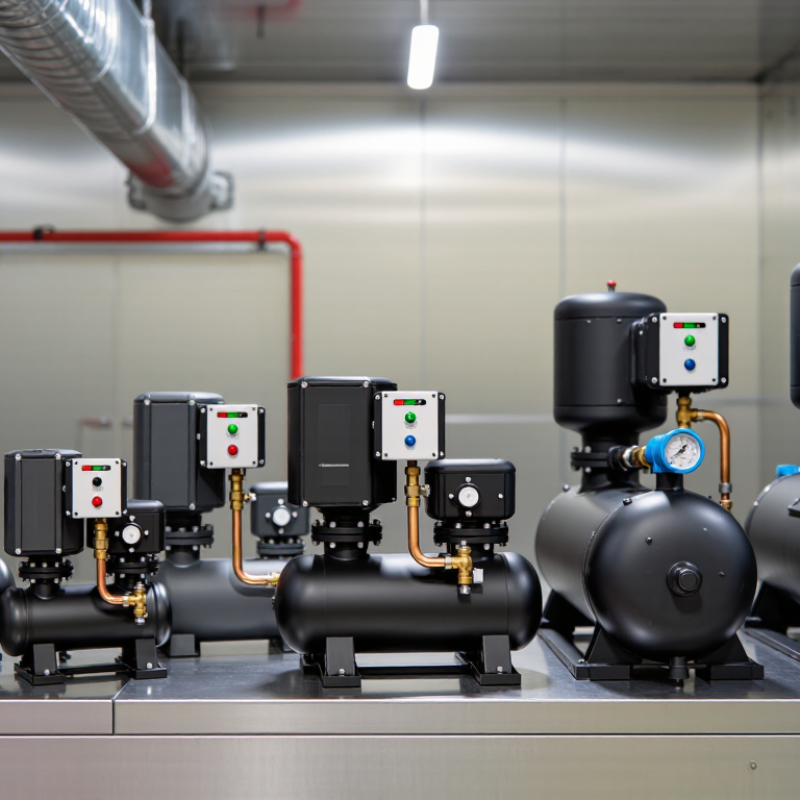
In cold chain logistics, a reefer compressor is the mechanical heart of temperature control. It compresses low-pressure refrigerant vapor, raises its pressure and temperature, and sends it toward the condenser. After heat leaves the container, the refrigerant expands and cools the cargo space. The reefer container compressor keeps this cycle moving during ocean transport, rail transfers, and hours beside a loading dock. Small temperature changes matter. Fresh produce may lose quality after repeated warm periods, even when the display later shows the correct setting. Technicians therefore inspect suction pressure, discharge temperature, oil condition, electrical current, and airflow. This evidence is more useful than relying on a controller screen alone.
Reliable manufacturers design compressors for vibration, salt air, voltage variation, and frequent start-stop cycles. When comparing manufacturers, buyers should review cooling capacity, energy use, service access, spare-part support, and tested operating limits. A unit that looks efficient in a laboratory may behave differently inside a crowded terminal. This gap deserves attention. In field service, blocked condensers and neglected seals often create trouble before major mechanical failure appears. Noise, frost patterns, and rising power draw can provide early clues. Still, field measurements are not perfect; weather, cargo loading, and door opening can distort readings. Operators should record conditions carefully, then question unexpected results. Some decisions remain judgment calls.
Reefer compressors circulate refrigerant through the refrigeration system to remove heat and maintain stable cargo conditions during transportation. The temperature bands below represent commonly used set-point ranges for major cold-chain cargo categories; actual requirements vary by product specification, route, and regulatory standard.
Top 10 Reefer Compressor Manufacturers Worldwide? Ranking requires more than production volume. A credible review should examine compressor reliability, seasonal efficiency, refrigerant compatibility, and service response. In reefer operations, a failure may damage an entire container of temperature-sensitive cargo. That risk deserves heavier weighting than a low purchase price.
Energy performance is a practical ranking signal. The International Institute of Refrigeration reports that refrigeration uses about 17% of global electricity. Even small efficiency gains can reduce operating costs across thousands of voyages. The Global Cold Chain Alliance reported approximately 719 million cubic metres of global refrigerated warehouse capacity in 2022. This figure shows the scale of cooling demand, although warehouse data does not directly measure reefer compressor sales. The comparison must stay honest.
Field evidence should include mean time between failures, warranty claims, vibration control, oil management, and cold-start performance. Testing at high ambient temperatures also matters. UNEP’s 2022 Cooling Emissions and Policy Synthesis Report highlights the need for more efficient cooling and lower-impact refrigerants. Therefore, a strong manufacturer should provide verified efficiency data, refrigerant guidance, and accessible spare parts. Digital monitoring is useful, but it cannot replace mechanical durability. A perfect ranking is unlikely. Public data remains uneven, and some manufacturers disclose far less than others. I would score transparency as a performance factor, not a marketing extra.
The top 10 reefer compressor manufacturers compete across marine containers, truck units, trailers, and cold-storage systems. Their market profiles differ by cooling capacity, energy efficiency, and regional service coverage. Industry estimates vary, but Grand View Research projects steady growth in the global refrigerated transport market through 2030, supported by food distribution and pharmaceutical logistics.
Several leading manufacturers focus on variable-speed compressors and low-emission refrigerant systems. Others prioritize compact designs for urban delivery trucks or rugged units for long-haul trailers. The strongest suppliers usually offer testing laboratories, technician training, and fast access to reefer parts. Service matters in the field. A compressor failure beside a loading dock can delay a full shipment within hours.
The market also includes specialists serving marine containers, where vibration resistance and remote monitoring are critical. Reports from Drewry and the International Maritime Organization show continued pressure on shipping efficiency and equipment reliability. Cold-chain operators increasingly compare power consumption, noise, warranty terms, and maintenance intervals. The best-known suppliers are not always the best fit for every fleet. That is worth questioning. A smaller manufacturer may provide better regional support, while a larger producer may offer deeper engineering resources. Refrigerant regulation, electricity prices, and technician availability will keep reshaping these ten market positions. Performance data still needs independent verification.
Compressor Technologies Used in Modern Refrigerated Containers
Modern refrigerated containers rely on compressors to move heat out of the cargo space. The compressor draws in low-pressure refrigerant vapor, compresses it, and sends hotter, high-pressure vapor toward the condenser. That cycle sounds simple. In practice, stable cooling depends on more than the compressor alone.
Many container systems use electric, variable-speed compressors. Their output can adjust as cargo temperature, ambient heat, and operating conditions change. This can reduce unnecessary cycling and help maintain a steadier temperature. A technician may check vibration, electrical readings, airflow, and refrigerant pressures during inspection. Small changes matter. A blocked condenser coil, for example, can raise operating pressure and increase compressor strain.
Scroll and reciprocating designs are both used in refrigeration equipment, though the best fit depends on system design, service needs, and operating conditions. Scroll compressors have fewer moving parts than many reciprocating designs, but that does not make every installation trouble-free. Selection should consider cooling capacity, energy use, reliability, and access to qualified maintenance. Real-world performance can differ from test data, especially in harsh weather or with frequent door openings. That part is easy to underestimate. Temperature records and routine checks help operators spot problems before cargo conditions drift, but they cannot replace proper diagnosis.
A global reefer compressor manufacturer is judged by more than factory output. Its real strength shows when a unit must hold a stable temperature through humid ports, salt spray, and sudden power changes. The International Institute of Refrigeration’s 2023 report estimates that refrigeration uses about 20% of global electricity. That figure makes compressor efficiency a practical concern, not a brochure detail. Ask for measured performance across operating conditions, plus documented testing procedures. Numbers matter. So does repeatability.
Certifications and service networks reveal how well production connects to field support. Check whether quality and environmental management systems are independently certified, and whether refrigerant handling follows applicable safety standards. A certificate is useful, but it cannot prove every repair is reliable. Look for trained technicians, regional parts inventories, and clear response targets. Reefer Unit Parts should be traceable by model and specification, with replacement guidance that avoids guesswork. UNCTAD’s Review of Maritime Transport 2024 documents the scale of global shipping and port activity; equipment support must therefore reach beyond the factory gate. Service coverage can look impressive on a map. Ask about actual stock levels, technician availability, and support during peak seasons. Even strong manufacturers have gaps. That deserves scrutiny.
| Profile | Typical manufacturing strength | Relevant compressor capability | Certifications and compliance to check | Service-network considerations |
|---|---|---|---|---|
| 01 · Global-scale producer | Multiple production and distribution regions can support broad product availability and supply resilience. | May offer compressor platforms for container, truck, trailer, or other transport-refrigeration applications; confirm the exact equipment range. | Verify current ISO 9001 or other quality-management certificates, including the covered legal entity, site, and scope. | Check regional parts inventory, authorized service locations, and support availability outside standard business hours. |
| 02 · Container-reefer specialist | Focused production and engineering for refrigerated shipping-container systems and their operating conditions. | Assess compatibility with the specified reefer unit, refrigerant, operating envelope, and control system. | Request product and site documentation; confirm applicable electrical and pressure-related requirements for the destination market. | Confirm access to port-side technicians, spare parts, and repair support along major shipping routes. |
| 03 · Road-transport specialist | Product development tailored to vehicle vibration, changing ambient temperatures, and mobile operating conditions. | Check suitability for the intended truck or trailer duty cycle, capacity range, and drive arrangement. | Verify applicable vehicle, electrical, and refrigerant rules in the countries where the equipment will operate. | Evaluate coverage near transport corridors, fleet depots, and independent repair facilities. |
| 04 · Reciprocating-compressor focused | Manufacturing expertise in piston-based compressor designs and related serviceable components. | Confirm model-specific capacity, speed limits, lubrication requirements, and suitability for transport refrigeration. | Request current model documentation and any applicable safety or conformity declarations; requirements vary by market. | Check availability of approved replacement parts and technicians trained on the specific compressor family. |
| 05 · Scroll-compressor focused | Manufacturing expertise in scroll mechanisms, often used in compact refrigeration and air-conditioning equipment. | Verify that the selected scroll design is rated for the required refrigerant, operating envelope, and transport duty. | Confirm product-level compliance documentation and the scope of any management-system certificates. | Ask whether service is performed through compressor specialists, equipment service partners, or component replacement. |
| 06 · Hermetic-unit producer | Integrated compressor and motor manufacturing can support sealed-unit designs and controlled assembly processes. | Check hermetic construction, electrical supply, starting characteristics, and approved application range. | Verify applicable electrical-safety and market-conformity documentation for the complete product and intended use. | Establish whether field repair is supported or whether the service approach relies on replacement units. |
| 07 · Semi-hermetic platform producer | Serviceable designs may support component-level maintenance where the application and equipment design allow it. | Check configuration, refrigerant approval, capacity, and compatibility with the refrigeration system. | Confirm current product approvals and local requirements; a certificate for one model or site does not cover all products. | Look for trained repair partners, overhaul capability, and dependable access to internal service parts. |
| 08 · Refrigerant-transition focused | Engineering and production capabilities may include designs adapted to changing refrigerant regulations and customer requirements. | Confirm the exact refrigerant and lubricant combination, operating limits, and system-level compatibility. | Check current refrigerant rules in the destination market, including applicable regional phase-down and safety requirements. | Ensure technicians have the training, tools, and procedures required for the specified refrigerant. |
| 09 · Regional-volume producer | Regional production can offer shorter logistics routes and familiarity with local equipment and market requirements. | Compare the available compressor range against the required capacity, application, and equipment interfaces. | Verify certificates directly with the issuing body and confirm that the production site and product are within scope. | Assess local parts stock, response arrangements, warranty handling, and service coverage beyond the home market. |
| 10 · Contract and OEM supplier | Build-to-specification production may support equipment makers needing defined interfaces, volumes, or configurations. | Review drawings, performance data, qualification tests, change-control processes, and production traceability. | Request the quality plan, applicable product declarations, and auditable evidence for the actual manufacturing site. | Agree in advance on technical escalation, replacement-part responsibility, warranty terms, and service ownership. |
Selecting the right reefer compressor manufacturer requires more than comparing catalog prices. Start with your cargo profile, route length, ambient temperatures, and container size. A compressor handling frozen seafood may face different demands than one serving fresh produce. Ask for tested cooling capacity at your actual operating conditions.
Check manufacturing experience, quality controls, and documented field performance. Reliable suppliers should provide test data, maintenance intervals, spare-parts availability, and clear warranty terms. Their compressors should match your refrigeration system without forcing costly modifications. Ask how quickly technicians can respond at major ports. A low purchase price means little when one unavailable component delays a loaded container.
Efficiency also matters. Review power consumption, starting performance, noise, vibration, and performance during frequent temperature changes. Search terms such as “Daikin reefer” may help you understand market expectations, but independent specifications deserve more attention than familiar wording. Request customer references from similar routes and climates. Visit a facility if possible. A clean workshop, traceable components, and consistent inspection records reveal more than polished brochures.
I have learned that supplier communication can be as important as compressor design. Questions should receive specific answers, not vague promises. No checklist is perfect. Recheck assumptions after reviewing service records and total operating costs. Choose the manufacturer that can support the compressor throughout its working life, not only during the purchase.
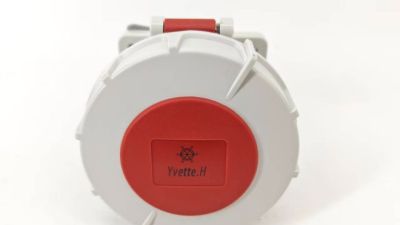
Choosing the right 22-01679-02 receptacle power plug is essential for maintaining stable refrigeration during container transport. Designed as a 32A, 3P+PE replacement connector, this plug supports 380/440V operation at 50/60Hz and provides a dependable electrical connection between a refrigerated container unit and a vessel or shore-side power source. Its ISO CEE17 configuration, including the 3h earth contact position, helps ensure compatibility with standard reefer power systems and simplifies replacement when the original connector is damaged or worn.
When selecting this receptacle plug, verify the container’s voltage, frequency, current rating, phase arrangement, and grounding requirements before installation. The connector should also match the existing socket, cable specifications, and protective equipment used in the power distribution system. Built for demanding marine conditions, the 22-01679-02 is intended to support secure power transmission in environments exposed to vibration, moisture, salt air, and continuous operation. Proper installation, firm cable termination, and routine inspection can help reduce connection faults and support uninterrupted temperature control throughout ocean transport.
Consider reliability, seasonal efficiency, refrigerant compatibility, and service response. Field performance matters more than production volume alone. Low price is not enough.
Refrigeration uses a large share of global electricity. Small efficiency gains can reduce costs across many voyages. Check tested power consumption, not only brochure claims.
Ask for failure intervals, warranty claims, vibration results, and oil-management records. Cold-start performance also deserves attention. Request evidence from similar routes.
Match the compressor to cargo type, container size, route length, and ambient temperature. Frozen seafood may need different performance than fresh produce. Conditions change.
A failed compressor can delay a loaded container within hours. Check technician response times near ports and delivery hubs. Confirm spare-parts availability before signing.
Confirm compatibility with the refrigeration system and current efficiency requirements. Request clear refrigerant guidance from the supplier. Rules and equipment needs can change.
No. Monitoring can reveal temperature, vibration, or performance changes. It cannot repair worn components or prevent every mechanical failure. Hardware still matters.
Review test methods, inspection records, maintenance intervals, and warranty terms. Compare suppliers using the same questions. Public data is uneven, so rankings remain imperfect.
Not necessarily. A smaller supplier may offer stronger regional support. A larger producer may provide deeper engineering resources. Fit matters more than reputation.
Compare total operating costs, service records, noise, vibration, and starting performance. Request customer references from similar climates. I would recheck every assumption.
This article provides a practical overview of the Reefer Compressor and its essential role in maintaining stable temperatures throughout cold chain logistics. It explains how compressors support refrigerated containers, protect temperature-sensitive cargo, and improve energy efficiency during transportation. The discussion also introduces key criteria for evaluating manufacturers, including product reliability, cooling performance, energy consumption, technological innovation, production capacity, certifications, warranty policies, and after-sales service.
The article presents a neutral comparison of ten leading manufacturer profiles without focusing on brand promotion, highlighting differences in global manufacturing strengths, service coverage, and compressor technologies such as electric, variable-speed, and environmentally responsible systems. It also explains how modern refrigerated containers are designed to meet changing transport requirements. Finally, readers receive practical guidance for selecting a suitable Reefer Compressor manufacturer based on cargo type, operating conditions, fleet size, maintenance capabilities, total cost of ownership, and long-term service support.