Cold room condensing units might not seem like a big deal, but trust me, they’re actually pivotal when it comes to keeping perishable goods fresh across different industries. Like James Anderson from CoolTech Solutions always puts it, “Picking the right condensing unit can really make or break how well your cold storage works.” That kinda hits the nail on the head, right? It’s all about making sure you choose the best unit for your specific needs.
When you’re looking at a Cold Room Condensing Unit, there are a few things you definitely wanna keep in mind—stuff like energy efficiency, size, and overall performance. And honestly, a lot of folks overlook these factors and end up regretting it. A good quality, reliable condensing unit helps keep your temperatures just right. But if you go for something inefficient, you might end up wasting money, or worse, causing your products to spoil. So, as you browse around, try to pick units that save energy but still do the job—reliable cooling is key.
The market’s pretty packed with different types and techs for these units, which can get pretty overwhelming. It’s easy to get lost in all the options! That’s why it’s super important to really think about what you need. Take a moment to figure out your cooling requirements—they’ll lead you to the right choice. Remember, buying a Cold Room Condensing Unit isn’t just about making a purchase; it’s an investment in the future of your business. So, choose wisely and don’t rush it!
Understanding Cold Room Condensing Units: A Comprehensive Overview
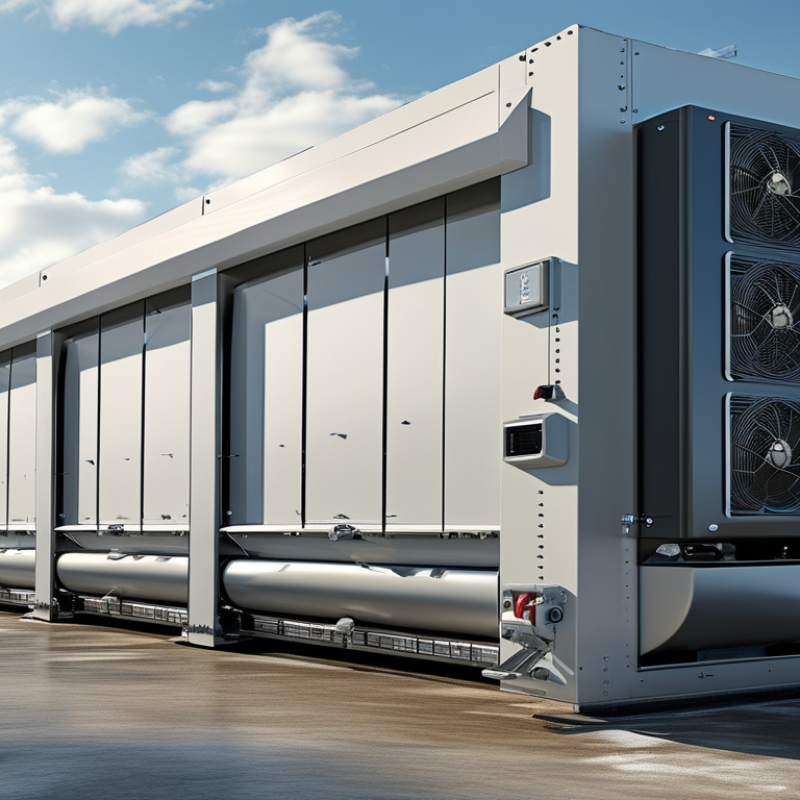
Cold room condensing units are essential for businesses needing temperature control. These units maintain optimal settings for perishable goods. Understanding their components helps in making informed choices.
Efficiency is key. Look for models with energy-saving features. This can drastically reduce operational costs. A unit that consumes less energy is a better investment in the long run. Ensure that your condensing unit matches the size of your cold room. An oversized unit may cycle too quickly, leading to temperature fluctuations. Conversely, a unit that’s too small won't cool effectively.
Regular maintenance is crucial. Schedule routine checks to ensure optimal performance. Dirty coils or low refrigerant levels can hamper efficiency. Keeping an eye on performance can prevent unexpected failures. Make note of any unusual noises or temperature changes. These can be signals for potential issues.
Investing in quality equipment is vital. Still, it’s essential to remain aware of evolving technology and updates. Research and stay updated on the latest trends. This ensures you make the best choice for your business needs.
Key Features to Consider for Cold Room Condensing Units
When choosing cold room condensing units, several key features are critical for optimal performance. Energy efficiency tops the list, as energy costs account for a significant portion of business expenses. According to a recent industry report, energy-efficient units can reduce operational costs by up to 30%. Look for models with high Seasonal Energy Efficiency Ratios (SEER) to ensure that your unit operates economically year-round.
Another important aspect is noise levels. Many businesses prioritize quiet operations, especially in environments like restaurants or grocery stores. Units with noise ratings below 60 dB are generally more preferable. This feature not only provides a more pleasant atmosphere but also complies with local regulations in many areas.
Durability is often overlooked but essential. Cold room environments can be harsh, so robust materials and construction methods are vital. A report by the Refrigeration Industry Association highlighted that failure rates of subpar units can exceed 20%, leading to costly downtimes. Regular maintenance is also crucial for longevity. Investing in well-built condensing units can lead to fewer repairs and longer service life.
Top 10 Cold Room Condensing Units for Your Business Needs
| Model |
Cooling Capacity (kW) |
Refrigerant Type |
Power Supply (V/Ph/Hz) |
Noise Level (dB) |
Dimensions (mm) |
| Model A |
10 |
R404A |
220/1/50 |
55 |
800 x 600 x 700 |
| Model B |
15 |
R134A |
380/3/50 |
60 |
900 x 700 x 800 |
| Model C |
5 |
R290 |
220/1/60 |
50 |
700 x 500 x 600 |
| Model D |
20 |
R407C |
380/3/50 |
62 |
1000 x 800 x 900 |
| Model E |
12 |
R404A |
220/1/50 |
57 |
800 x 600 x 800 |
| Model F |
25 |
R134A |
380/3/50 |
65 |
1100 x 900 x 950 |
| Model G |
30 |
R404A |
380/3/50 |
70 |
1200 x 1000 x 1000 |
| Model H |
8 |
R290 |
220/1/60 |
52 |
750 x 550 x 650 |
| Model I |
18 |
R407C |
380/3/50 |
64 |
950 x 800 x 850 |
| Model J |
22 |
R134A |
380/3/50 |
68 |
1050 x 850 x 900 |
Top 10 Cold Room Condensing Units for Different Business Applications
In today's competitive market, businesses require reliable cold room condensing units tailored to their specific applications. These systems are crucial for industries such as food service, pharmaceuticals, and logistics. According to a recent analysis by the Refrigeration Institute, more than 80% of businesses in the food service sector rely on efficient refrigeration systems to maintain product freshness.
For grocery stores, medium-temperature units are ideal. They typically operate between 28°F to 32°F, optimizing the storage of dairy, meats, and produce. These condensing units can enhance energy efficiency by up to 30%, contributing to significant cost savings for store operators. Meanwhile, low-temperature units serve cold storage warehouses best, wherein temperatures can drop to -10°F. The choice of unit is essential, as improper selection can lead to higher energy bills and equipment malfunctions.
Additionally, the pharmaceutical industry often demands precise temperature controls. Studies show that even a slight temperature variance can affect drug efficacy. In this sector, systems equipped with advanced monitoring tools are increasingly popular. These smart units provide real-time data, ensuring compliance with regulatory standards. However, not all businesses recognize the importance of regular maintenance, leading to potential breakdowns and costly repairs. Understanding specific business needs is essential to selecting the right unit.
Comparison of Energy Efficiency Ratings in Condensing Units
When selecting cold room condensing units, energy efficiency is a critical factor. Energy efficiency ratings can significantly impact operational costs. The efficiency of these units is often measured in terms of CO2 emissions, kWh usage, and overall cooling performance.
According to the U.S. Department of Energy, the average condensing unit in commercial settings consumes around 20% more energy than necessary due to outdated technology.
Realistically, not all condensing units meet the same efficiency standards. Data from the Energy Star program highlights that leading units can save businesses up to 30% in energy costs annually. This figure is essential for companies aiming to lower their utility bills while maintaining optimal refrigeration.
However, some units may compromise on performance to meet certain ratings.
This trade-off can lead to inadequate cooling during peak demand times.
Performance testing reveals that some condensing units may not operate efficiently at low ambient temperatures. This inefficiency can lead to higher energy consumption, undermining the initial energy ratings.
Regular maintenance and proper installation are vital to ensure the efficiency of these systems. It is crucial to assess not only the ratings but also the real-world performance metrics of the units you consider.
Maintenance Tips for Prolonging the Life of Condensing Units
Maintaining condensing units is essential for optimal performance. Regular maintenance can significantly extend the lifespan of these units. Begin with routine inspections. Check the refrigerant levels and look for leaks. Low refrigerant can cause the unit to underperform. Clean the coils regularly to remove dust and dirt that can hinder efficiency.
Another crucial aspect is ensuring proper airflow. Blocked vents can lead to overheating. Ensure that the area around the unit is free of obstructions. This means checking for ice buildup during colder months. Ice can indicate a serious issue that needs immediate attention. Even small issues can lead to costly repairs if ignored.
Scheduling professional maintenance is also advisable. Experts can identify potential problems before they become major issues. They have the tools and experience to service the units effectively. Remember, regular attention ensures that your condensing units run smoothly and efficiently, ultimately saving you time and money in the long run.
Common Issues and Troubleshooting for Cold Room Systems
Cold room systems play a critical role in preserving perishable goods. However, they can face various issues that disrupt their efficiency. Common problems include fluctuating temperatures and excessive energy consumption. According to a recent industry report, nearly 30% of cold room users experience temperature irregularities at least once a month. This inconsistency can lead to spoilage, financial losses, and customer dissatisfaction.
Troubleshooting these systems requires expertise. One prevalent issue is inadequate refrigerant levels, leading to ineffective cooling. Regular checks can help maintain optimal levels. Another common problem is condenser coil blockages, which reduce airflow. Cleaning coils can enhance performance significantly. Some users may overlook components like temperature sensors, but they are crucial for accurate readings.
In an industry overlooked by many, attention to detail matters. Users often neglect routine maintenance schedules, resulting in larger problems. A study indicated that up to 40% of cold room failures are due to lack of preventive care. Understanding these vulnerabilities can mitigate risks and improve reliability.
Case Studies: Successful Implementation of Cold Room Units in Businesses
Cold room units play a crucial role in various industries. Their implementation enhances efficiency and product quality. For example, a supermarket upgraded its refrigeration system. After installing a modern cold room unit, the store saw a 20% reduction in energy costs. This significant change attracted more customers and increased sales.
Another case involved a pharmaceutical company ensuring that medications are stored correctly. By using a cold room unit, they maintained a stable temperature. This not only met regulatory standards but also reduced waste from temperature-sensitive products. Employees reported a smoother operation, fostering a more productive environment.
Tips: When selecting a unit, assess your space and product needs. Consider energy efficiency to save costs. Regular maintenance checks can prevent unexpected failures. Adopt best practices from successful case studies to optimize performance.
Top 10 Cold Room Condensing Units Performance Comparison
This chart illustrates the energy efficiency of the top 10 cold room condensing units measured in kilowatt-hours per day (kWh/day). Each unit's performance can significantly affect operational costs and overall efficiency in your business.
Enhancing Cold Storage Efficiency: The Benefits of Stainless Steel & Copper Evaporators in Air Cooler Systems
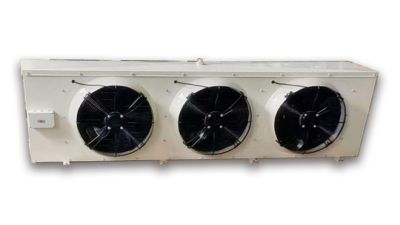
In modern cold storage facilities, efficiency and reliability are paramount. The choice of materials plays a critical role in enhancing the performance of air cooler systems. Stainless steel and copper are two materials that stand out due to their inherent properties. Stainless steel offers exceptional durability and resistance to corrosion, making it ideal for the demanding conditions of commercial and industrial cold rooms. Coupled with high-efficiency copper coils, these evaporators are designed to deliver optimal cooling performance even in low-temperature refrigeration environments.
The versatility of air cooler evaporators, available in DD, DJ, and DL types, allows them to cater to various cold storage applications. These models are engineered to meet different temperature and capacity requirements, ensuring that they can effectively support a range of operations—from food processing to pharmaceutical storage facilities. The aluminum fins enhance heat exchange efficiency, allowing for more efficient cooling cycles, which is essential in maintaining the integrity of stored goods within the cold chain. By integrating stainless steel and copper in their design, these evaporators not only offer reliable performance but also contribute to the overall efficiency of the storage system, optimizing energy usage and reducing operational costs.
FAQS
: Energy efficiency lowers operational costs and reduces CO2 emissions. It helps businesses maintain optimal refrigeration.
On average, they consume about 20% more energy than necessary due to outdated technology.
Leading units can save up to 30% in energy costs annually, benefiting utility bills.
Yes, some units may perform poorly during peak demand to achieve certain ratings.
Some units may not operate efficiently at low ambient temperatures, causing higher energy consumption.
Regular inspections and cleaning can extend their lifespan and ensure optimal performance.
Check refrigerant levels, clean coils, and ensure unobstructed airflow around the unit.
Experts can spot potential problems early and prevent costly repairs, ensuring sustainability.
Even small problems can escalate and lead to expensive repairs if ignored.
Blocked vents can cause overheating, undermining efficiency and leading to system failure.
Conclusion
This article provides a comprehensive overview of Cold Room Condensing Units, essential for businesses that require temperature-controlled environments. It begins by defining what these units are and their significance in various applications. The key features to consider when selecting a Cold Room Condensing Unit are highlighted, ensuring that businesses can make informed decisions based on their specific needs.
The list of the top 10 Cold Room Condensing Units caters to diverse business applications, with a focus on energy efficiency ratings for each unit. Additionally, the article offers maintenance tips to prolong the lifespan of these units and addresses common issues and troubleshooting methods for cold room systems. Real-life case studies illustrate the successful implementation of Cold Room Condensing Units in different business settings, demonstrating their vital role in maintaining product quality and operational efficiency.