
Leave Your Message
Engineered for maximum thermal dissipation in ambient conditions exceeding 40°C, fitted with anti-corrosion hydrophilic fins and heavy-duty fan motors.
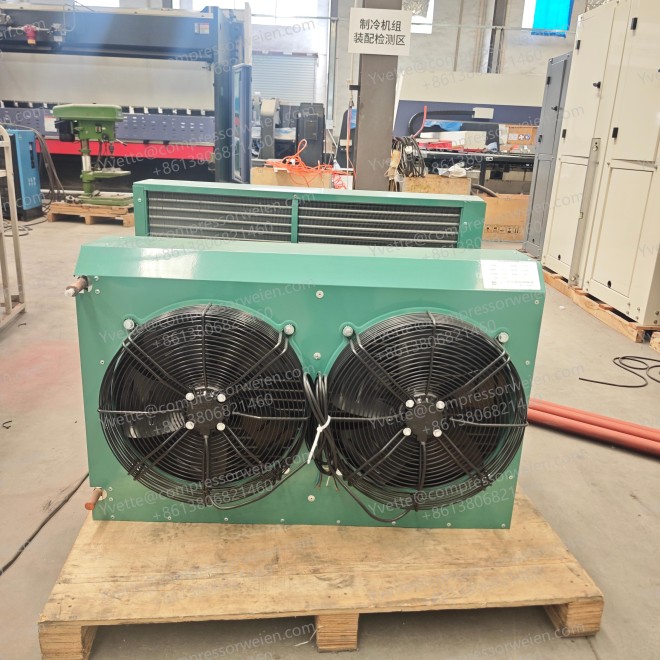
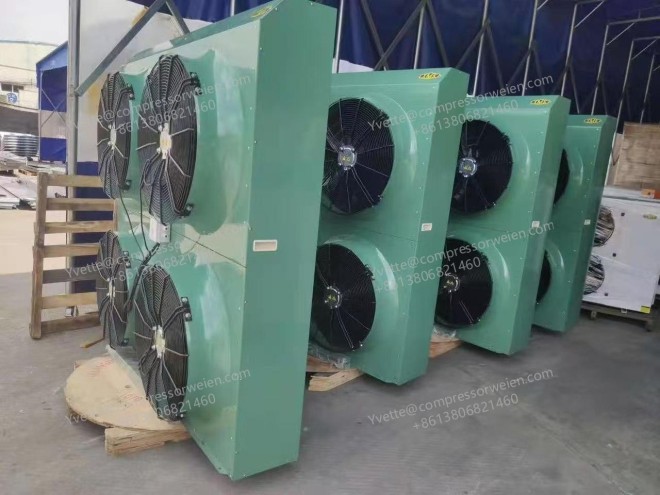
The refrigeration and air-conditioning sector in the Republic of the Philippines operates under a unique nexus of geographical and economic factors. Consisting of more than 7,600 islands located squarely within the tropical typhoon belt, the country experiences an equatorial climate characterized by year-round high ambient temperatures (regularly oscillating between 32°C and 40°C in industrial corridors) paired with sustained relative humidity frequently climbing past 85% to 90%. Under such punishing thermodynamic environments, commercial cold storage units, blast freezers, supermarket central chilling systems, and refrigerated cargo vans must work continuously against extraordinary heat loads.
Furthermore, commercial power tariffs in the Philippines—particularly across franchise areas managed by the Manila Electric Company (MERALCO) and regional electric cooperatives in the Visayas and Mindanao—stand among the highest across the entire ASEAN region, often running between 10.50 to 13.00 PHP per kilowatt-hour. For cold chain operators, meat processors, and mega-warehouse developers in Bulacan, Batangas, Cavite, and Metro Cebu, refrigeration machinery constitutes up to 60% to 70% of baseline operating expenditure. Consequently, condenser fans cannot simply be an afterthought; they are the thermodynamic frontline that dictates compressor discharge pressure, compression ratio, energy consumption, and equipment longevity.
With major commercial trade centers (Manila Harbor Center, Subic Bay, Batangas Port, Cebu International Port, and Davao Sasa Wharf) situated immediately on marine coastlines, airborne sodium chloride concentrations accelerate fin oxidation and tube pitting. Standard untreated condenser coils and non-sealed fan housings rapidly degrade within 12 to 18 months. Our Philippine-bound condenser fan units incorporate high-purity deoxidized copper tubing (TP2) coupled with hydrophilic blue or gold epoxy-coated aluminum fin stocks, tested against stringent ASTM B117 salt spray standards.
Unlike neighboring ASEAN nations utilizing 50Hz electrical distribution, the Philippine national grid operates strictly at 60Hz frequency (single-phase 220V and three-phase 220V/380V/440V). Operating imported 50Hz-rated fan motors on a 60Hz grid produces excessive rotor RPM, motor overheating, inductive reactance imbalance, and premature insulation breakdown. Every condenser axial fan motor we export to the Philippines is engineered specifically for 60Hz duty with Class F insulation and IP54/IP55 ingress rating.
Driven by the Philippine Department of Agriculture's Food Logistics Action Plan and the Cold Chain Association of the Philippines (CCAP) roadmap, cold storage capacity is surging at double-digit compound annual growth rates. Cold logistics developers are aggressively building temperature-controlled packhouses in high-yield farming provinces such as Benguet (vegetables), Bukidnon and South Cotabato (pineapple and banana plantations), and Nueva Ecija (onion storage). Concurrently, booming urban retail hubs, rapid expansion of modern quick-service restaurants (Jollibee, McDonald's, 7-Eleven distribution networks), and burgeoning seafood export hubs demand durable, budget-friendly refrigeration machinery that eliminates distributor markups without compromising performance.


From deep-sea tuna transshipment ports in South Cotabato to expansive supermarket distribution centers in Calabarzon, our condenser systems deliver robust cooling performance.
Designed for -35°C to -45°C blast freezing operations. Multi-fan remote air-cooled condensers provide massive volumetric air displacement (CFM) to quickly evacuate heat from freshly hauled yellowfin tuna and aquaculture shrimp, preventing bacterial spoilage.
Highland cabbage, carrots, highland strawberries, and low-altitude red shallots demand exact relative humidity and consistent holding temperatures (+2°C to +4°C). Our 3HP to 30HP condenser units prevent subcooling fluctuation and reduce dehydration weight loss.
Reefer container staging yards and transshipment hubs require heavy-duty continuous duty condensing coils compatible with Carrier Transicold and Thermo King refrigeration architectures, resisting mechanical vibration and intense tropical solar irradiation.
Sanitary standards mandated by the National Meat Inspection Service (NMIS) dictate rapid post-slaughter carcass chilling. Our condensers maintain stable head pressures even during sudden peak thermal influxes in peak summer months (March–May).
Low-noise aerodynamic axial impellers with dynamically balanced curved blades guarantee minimal acoustic footprint in dense urban neighborhoods, delivering compliant decibel thresholds while lowering MERALCO commercial power consumption.
Fully compliant with Philippine Food and Drug Administration (FDA) temperature mapping requirements for 2°C to 8°C biopharmaceutical preservation, backed by dual-circuit condenser fan redundancy and instantaneous automated cycling.
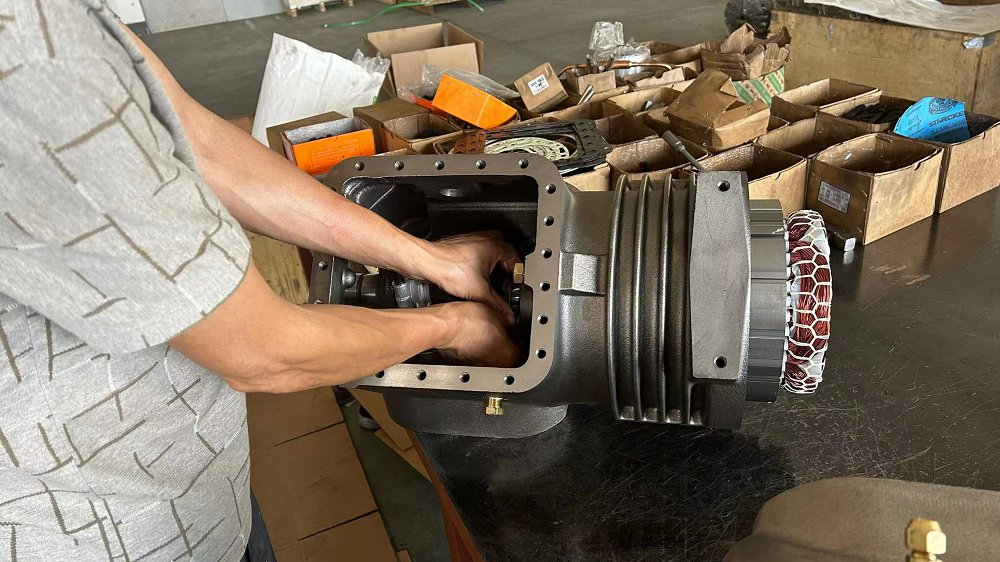
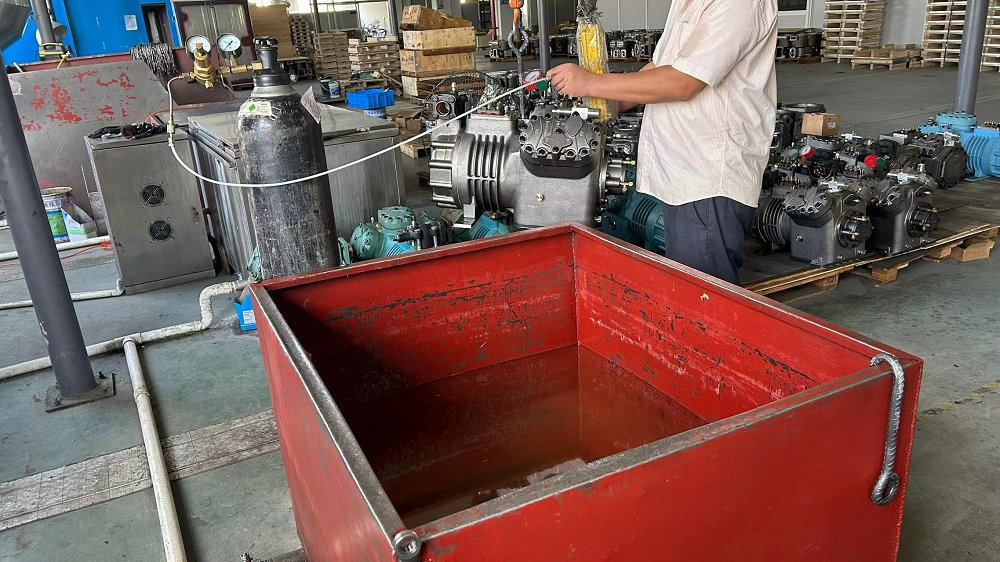
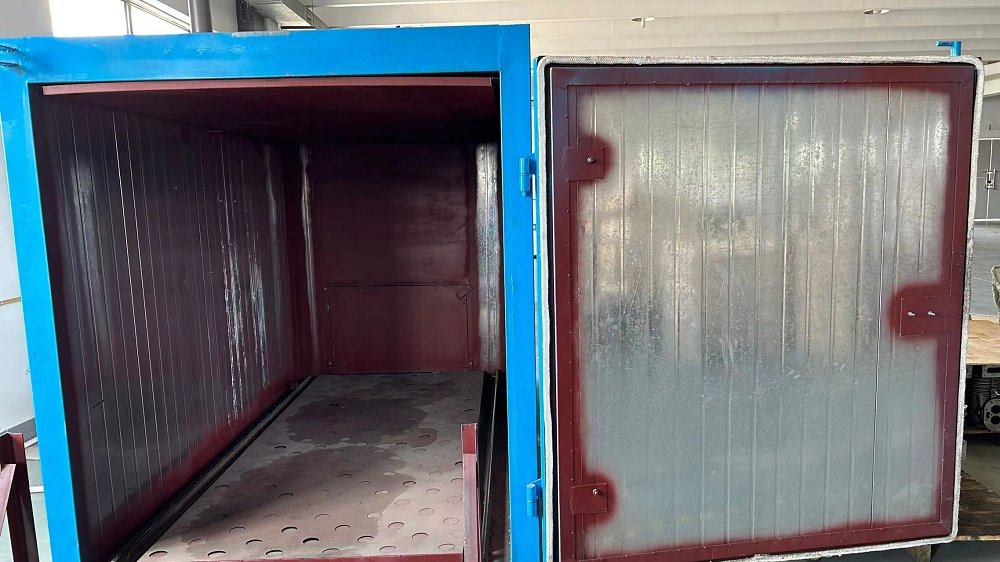
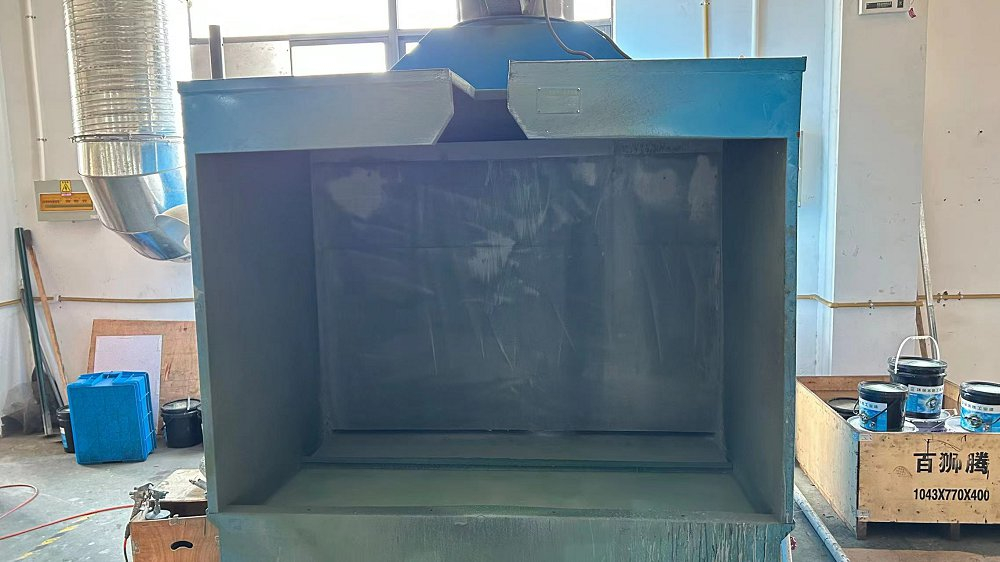
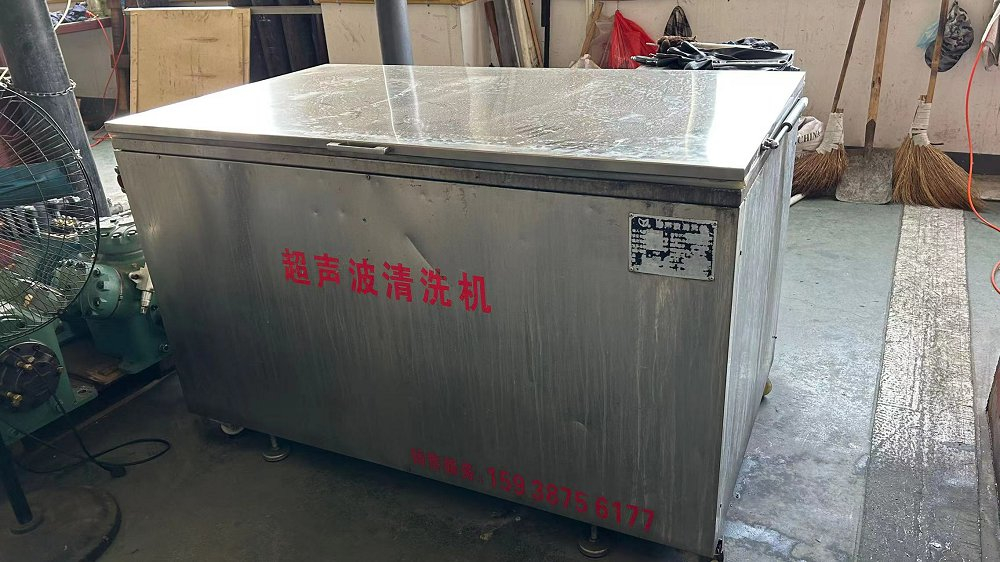
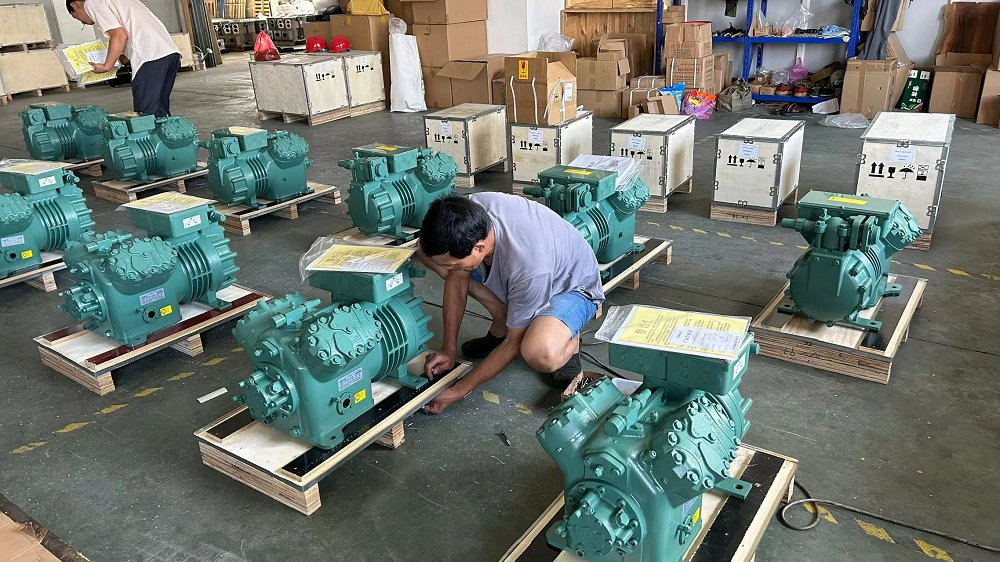
Every condenser fan assembly, refrigeration coil, and compressor component undergoes strict multi-stage quality verification to ensure zero defects prior to containerized sea freight shipment.

Crucial guidance for Philippine electro-mechanical contractors, HVAC/R procurement managers, and facility engineers.
Yes. Unlike standard Asian domestic models operating at 50Hz, our production lines configure custom windings for 220V/1Ph/60Hz and 220V/380V/440V/3Ph/60Hz. This ensures that fans run at rated RPM without overheating or tripping thermal protection overloads under Philippine grid conditions.
We supply specialized blue fin or golden hydrophilic anti-corrosion coatings applied during fin pressing, as well as optional electrostatic powder coating on all galvanized steel fan casings. This extends outdoor service lifespan by 300% in maritime saline environments.
Standard stock assemblies dispatch within 7 to 10 days. Direct sea freight from Ningbo or Shanghai port to Manila North Harbor or South Harbor typically takes only 5 to 8 days transit time. Direct routes to Cebu and Davao ports are also routinely arranged.
Absolutely. As an integrated manufacturer and exporter, we consolidate complete cold storage condensing units together with Bitzer, Copeland, and Carrier compatible replacement parts (valve plates, connecting rods, gaskets, oil pumps) in a single container, drastically reducing Philippine Bureau of Customs (BOC) import clearing fees.
Explore our comprehensive lineup of air-cooled condensing units and fan assemblies engineered for walk-in cold rooms, logistics freezers, and industrial ice-making operations.