Leave Your Message
When engineering modern commercial cold storage rooms, selecting the right cooling components is a foundational step toward ensuring operational reliability, thermal stability, and energy efficiency. Historically, heavy industrial fans dominated this landscape. However, the refrigeration industry is experiencing a profound technological convergence. Today, high-performance car condenser fans—specifically those engineered with automotive-grade precision, brushless DC (BLDC) motors, and high protection ratings (IP68)—are being widely integrated into the construction of commercial cold storage rooms, mobile refrigeration hubs, and transport reefer systems.
Commercial cold storage room construction requires systems that can withstand harsh, continuous operating environments while minimizing thermal loss. The integration of automotive-grade condenser fans into modular commercial cooling units offers unparalleled adaptability. These fans are engineered to operate in tight physical footprints, handle extreme temperature differentials, and resist constant vibration—attributes originally perfected for the automotive and transport refrigeration industries (such as Carrier Transicold and Thermo King systems). As a result, cold room builders and HVAC designers are leveraging these robust fans to optimize airflow across condenser coils, ensuring rapid heat dissipation and lower energy consumption.
Automotive-grade condenser fans undergo rigorous testing for thermal shock, humidity exposure, and mechanical vibration. When applied to commercial cold storage room construction, these characteristics translate into prolonged equipment lifespans, reduced maintenance cycles, and a significantly lower Total Cost of Ownership (TCO) for logistics providers and warehouse operators.
Traditionally, commercial cold storage facilities relied on standard AC-powered fans that operated at fixed speeds, consuming substantial amounts of energy. The current industry trend points toward Electronically Commutated (EC) and direct current (DC) systems. Modern car condenser fans, adapted for commercial refrigeration units, utilize advanced motor controllers that allow for variable speed operation. By matching the fan speed directly to the real-time heat load of the cold storage room, energy consumption can be reduced by up to 40%. This transition is vital for meeting green building certifications and reducing the carbon footprint of global cold chain networks.
The versatility of heavy-duty condenser fans makes them indispensable across several key cold chain infrastructure projects. Below, we analyze the specific scenarios where these fans optimize cooling cycles and maintain strict temperature control.
Ideal for urban distribution hubs and supermarket chains where space is limited. High-airflow, low-profile condenser fans ensure that outdoor condensing units remain compact yet highly efficient at heat rejection.
Used for global shipping of perishables. These units require condenser and evaporator fans that can survive ocean salt spray, extreme vibration, and continuous 3-phase power fluctuations without failing.
Post-harvest facilities require rapid pull-down temperatures. Condenser fans designed with high static pressure capabilities ensure that heat is stripped from the crop quickly, preserving freshness.
In regions experiencing extreme summer temperatures, standard commercial condensers often struggle to maintain the required pressure differentials, leading to system shutdowns or thermal runaway. High-velocity car condenser fans, with their optimized blade aerodynamics and heavy-duty motor windings, provide the necessary static pressure to force air through densely packed condenser fins. This maintains consistent head pressure in the refrigeration circuit, preventing compressor strain and ensuring that the cold storage room remains safely within its target temperature range (down to -30°C or lower for deep-freeze applications).
Cold storage rooms naturally generate high humidity, and the outdoor condensing units are exposed to diverse weather conditions, including rain, snow, and industrial air pollutants. Car condenser fans built for commercial construction are protected with specialized coatings (such as cataphoresis or epoxy powder coating) and feature dual-ball bearing structures. These design parameters prevent rust formation and bearing seizure, ensuring continuous 24/7/365 operation without unexpected downtime.
When integrating condenser fans into a commercial cold storage project, engineers must evaluate several electrical and mechanical parameters to ensure compatibility with existing compressors and evaporators. The selection process typically involves balancing airflow volume (CFM), static pressure, power draw, and acoustic signatures.
1. Airflow Volume (CFM) & Static Pressure: The fan must deliver sufficient CFM to match the heat rejection capacity of the condenser coil under peak load conditions, overcoming the static resistance of the coil fins.
2. Motor Protection (IP Rating): A minimum of IP54 is required for standard indoor applications, while IP68 is highly recommended for outdoor or washdown environments to prevent water and dust ingress.
3. Electrical Compatibility: Systems must support standard commercial voltages, including 12V/24V DC for mobile/transport refrigeration, and 3-phase AC options (such as 230V/460V) for large-scale stationary cold storage facilities.
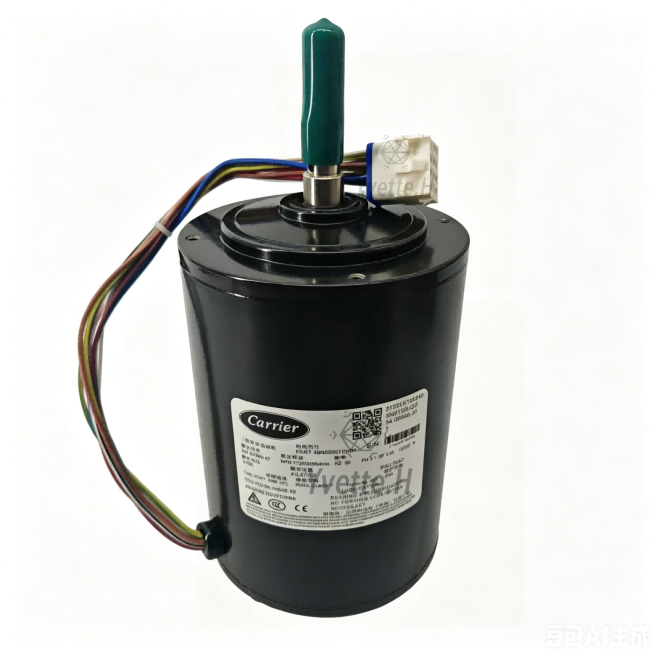
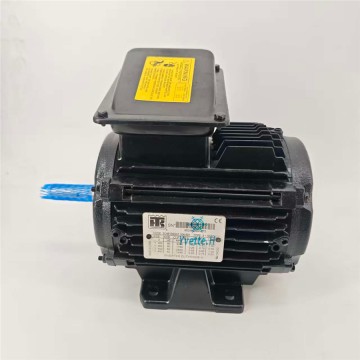
A balanced refrigeration system requires seamless synchronization between the condenser fan (which rejects heat outside) and the evaporator fan (which distributes cold air inside). Utilizing premium replacement motors, such as the 54-00648-20 Evaporator Fan Motor (a 3-phase, 2-speed replacement for Carrier Transicold PrimeLINE/ThinLINE units) or the 104-691 Evaporator Fan Motor for Thermo King systems, ensures that the internal airflow matches the high-efficiency performance of the external condenser. This holistic approach prevents coil icing, optimizes cycle times, and protects the compressor from liquid slugging.
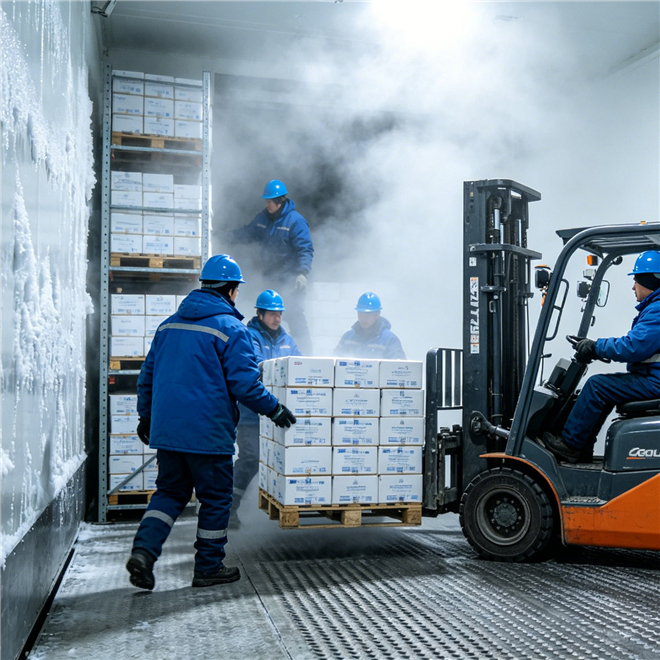

Lies in our extensive inventory and product diversity — reducing the need for multiple suppliers and simplifying your procurement process. By consolidating your sourcing with us, you save time, reduce shipping costs, and minimize administrative overhead.
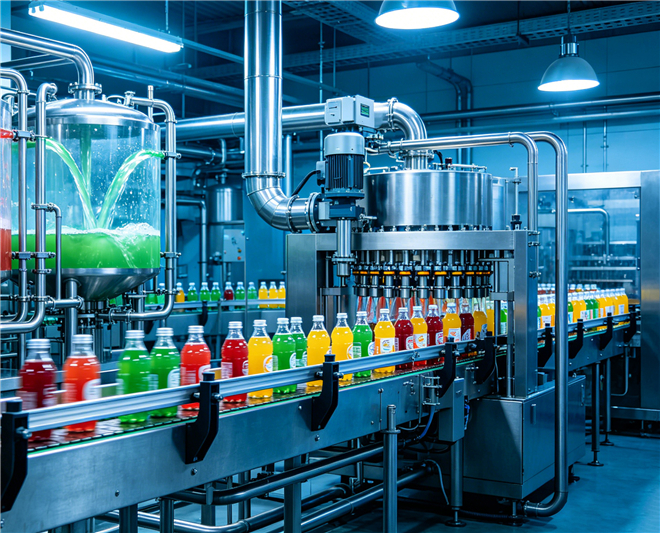
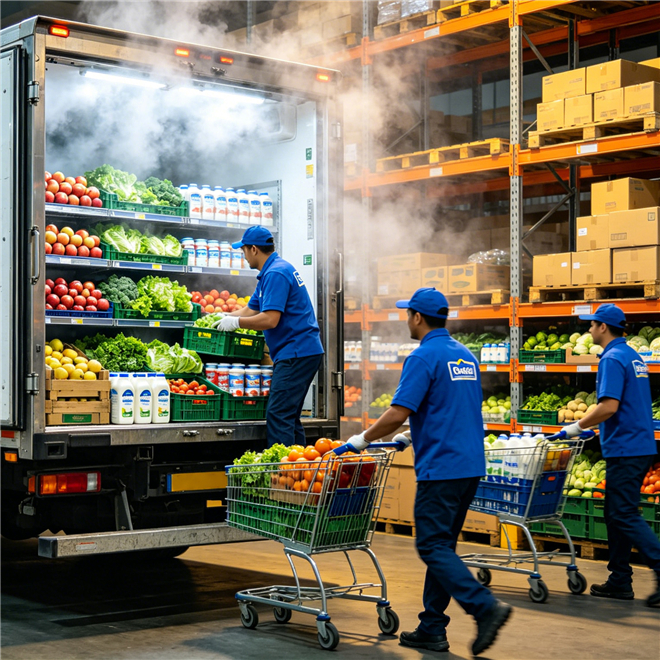
At Xinchang Weien, customer satisfaction is at the core of what we do. With solid industry expertise and a commitment to reliable service, we don't just supply products — we aim to exceed your expectations and support the long-term success of your refrigeration operations. Contact us today to experience the convenience of one-stop refrigeration sourcing.
As global supply chains expand, the demand for cold storage construction is projected to grow exponentially. This growth brings new challenges, particularly regarding environmental regulations and operating costs. The future of commercial cold storage lies in the implementation of smart, connected technologies and natural refrigerants.
Global environmental agreements, such as the Kigali Amendment, are forcing a phase-out of traditional hydrofluorocarbons (HFCs) in favor of natural refrigerants like Carbon Dioxide (CO2), Ammonia (NH3), and Propane (R290). These eco-friendly refrigerants operate under higher pressures and require highly efficient heat rejection systems. Consequently, advanced condenser fans with precision blade designs and intelligent speed controls are crucial to safely managing the high thermal loads associated with natural refrigerant cycles.
Modern commercial cold storage facilities are transitioning into smart buildings. Condenser fans are increasingly equipped with Modbus or CAN bus communication protocols. This allows the fan to transmit real-time telemetry data—such as rotational speed, current draw, and bearing temperature—to a central building management system. By analyzing this data, maintenance teams can identify potential failures before they occur, preventing costly product loss due to unexpected cooling system shutdowns.
As urban cold storage distribution centers are constructed closer to residential areas, noise pollution has become a critical regulatory factor. Fan manufacturers are utilizing advanced computational fluid dynamics (CFD) to design fan blades with serrated trailing edges and winglets (similar to aircraft wings). These design innovations minimize turbulence and vortex shedding, significantly reducing acoustic output without sacrificing airflow volume or static pressure capabilities.