Leave Your Message
In the globalized supply chain, maritime refrigerated containers (commonly known as reefers) are the unsung heroes that preserve the freshness of perishables, pharmaceuticals, and chemical goods over thousands of ocean miles. The operational environment of marine shipping vessels exposes these containers to extreme atmospheric challenges: relentless salt spray, high humidity, continuous vibrations, and dramatic ambient temperature fluctuations. Within this ecosystem, the condenser and evaporator fan assemblies serve as the primary heat-exchange engines, ensuring that the internal temperature remains absolutely stable.
Although the term "car condenser fan" traditionally refers to passenger vehicle cooling systems, the underlying design engineering has converged with transport refrigeration units. Today, high-capacity transport refrigeration systems draw inspiration from the compact, high-efficiency, and brushless motor technologies originally perfected in the automotive sector. Adapting these robust aerodynamic profiles to maritime reefer container maintenance has significantly reduced energy consumption while maximizing airflow capacity.
A single failure of a condenser fan motor during a transoceanic transit can lead to a catastrophic thermal runaway event. When heat cannot be efficiently rejected from the condenser coils, the compressor experiences elevated head pressures, leading to automatic safety shutdowns. The resulting cargo loss not only costs cargo owners millions of dollars but also damages the reputational credibility of shipping lines. Consequently, marine port engineers and fleet maintenance crews prioritize preventive maintenance and the deployment of premium-grade replacement motors like the Carrier Transicold PrimeLINE and Thermo King compatible systems.
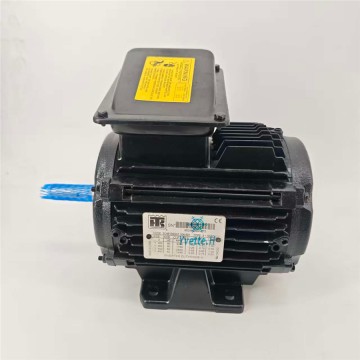
While the engineering principles of a car condenser fan and a maritime reefer fan overlap, the environmental demands are vastly different. A marine-grade fan motor must feature advanced corrosion resistance, typically achieved through specialized epoxy coatings, marine-grade aluminum alloys, and stainless steel shafts. Furthermore, electrical components must meet strict IP67 or IP69K sealing standards to prevent salt-water ingress. The electrical architecture must also handle multi-phase, high-voltage systems (such as 3-phase 460V configurations common in maritime reefers) compared to the standard 12V or 24V DC systems found in passenger vehicles.
Utilizing high-torque brushless designs inspired by automotive applications, minimizing wear and extending service intervals to over 50,000 operational hours.
Coated with anti-corrosive polymers that withstand continuous exposure to saline environments, preventing oxidation of motor housings and fan blades.
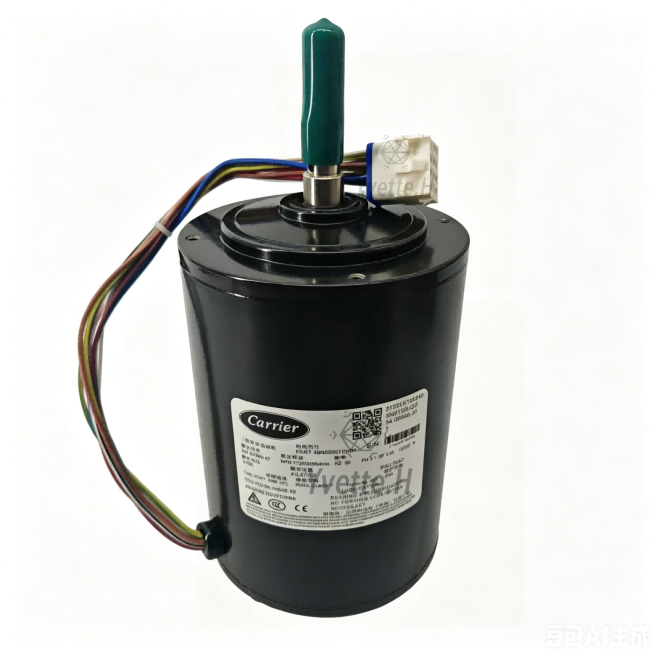
Supports multi-phase, dual-speed operations (as seen in the 54-00648-20 models) to match cooling demand, significantly reducing vessel auxiliary power draw.
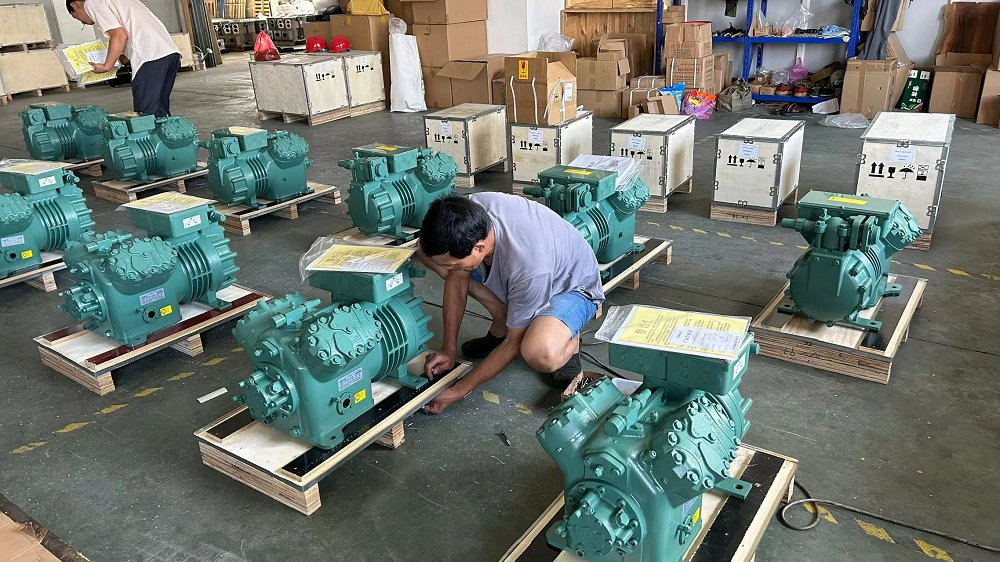
With a strong focus on quality and performance, we offer a comprehensive product portfolio compatible with world-leading brands such as Bitzer, Carrier, Thermo King, Copeland, and more. Our wide-ranging lineup covers everything from complete cold storage units to precision-engineered components.



To maintain the efficiency of maritime transport refrigeration units, port authorities and maintenance crews must implement structured diagnostic schedules. Condenser fans, operating continuously under heavy loads, are prone to mechanical and electrical fatigue. Regular inspection of the fan blades for salt encrustation, checks on motor winding resistance, and bearing lubrication status are critical steps in extending the life cycle of the cooling system.
For example, when servicing a Carrier Transicold PrimeLINE or ThinLINE unit, replacing an aging motor with the 54-00648-20 Evaporator/Condenser Fan Motor ensures compatibility with the system's controller logic. These advanced dual-speed motors communicate directly with the reefer's central processing unit, adjusting speeds to match ambient conditions. Using non-standard or sub-par aftermarket components can lead to communication errors, incorrect fan speeds, and eventual system failure.
The maritime shipping industry is rapidly transitioning toward "Smart Reefers"—containers equipped with IoT sensors that transmit real-time performance data to vessel crews and shore-based maintenance teams. Future iterations of condenser and evaporator fans will feature integrated diagnostic sensors capable of predicting failures before they occur. By monitoring changes in motor vibration, current draw, and temperature, predictive maintenance systems can flag a failing fan motor while the vessel is still at sea, allowing port engineers to have replacement parts ready the moment the ship docks.