Leave Your Message
Maximize cooling efficiency and prevent transport downtime with our premium replacement fans, engineered to withstand extreme vibrations and temperature fluctuations.
In the modern cold chain logistics sector, Transport Refrigeration Units (TRUs) are the unsung heroes that preserve everything from fresh produce and seafood to life-saving pharmaceuticals. At the heart of these systems is the condenser assembly, where the **car condenser fan** plays a vital role. Its primary task is to draw ambient air through the condenser coil, dissipating heat absorbed from the cargo space and ensuring the refrigerant successfully transitions from a high-pressure gas back into a liquid.
When a condenser fan fails, the entire refrigeration cycle breaks down. High discharge pressures build up rapidly, forcing the compressor to work harder, consume more fuel, and eventually shut down due to thermal overload. In a matter of hours, thousands of dollars worth of temperature-sensitive cargo can spoil. This is why high-quality, durable condenser and evaporator fan motors are crucial for transport refrigeration unit repair.
Market Trends: The global demand for cold chain integrity has skyrocketed, driven by the expansion of online grocery delivery, global pharmaceutical distribution, and stricter food safety regulations. Consequently, fleet managers are shifting from reactive maintenance to proactive, predictive repair strategies. Upgrading to high-performance, energy-efficient fan motors is now standard practice to minimize roadside breakdowns and extend the operating life of Thermo King and Carrier Transicold reefers.
Cold Chain Reliability Target
Extreme Operating Range
Next-Gen Fan Technology
Understanding where and why condenser fans fail helps in selecting the right replacement parts and designing robust preventive maintenance programs.
Urban delivery vehicles experience frequent door openings, requiring the TRU to pull down temperatures rapidly. The condenser fan in these units operates under high-duty cycles in stop-and-go traffic, where ambient road heat from asphalt can exceed 50°C. Repair technicians must select condenser fans with high static pressure capabilities to overcome the limited airflow typical of compact, nose-mounted van refrigeration units.
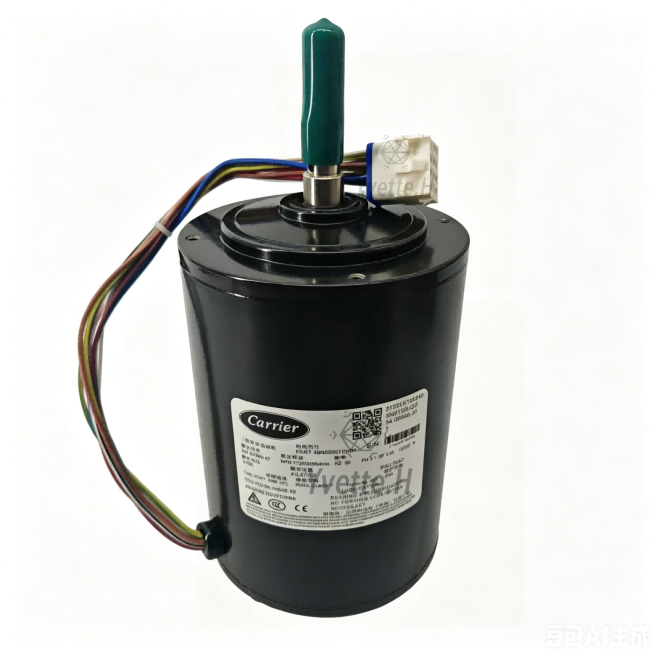
For long-haul operations across continents, reefers run continuously for days. Here, the condenser fan is subjected to relentless road vibration, rain, snow, and highway debris. A failure in the middle of a desert transit is catastrophic. Replacing worn motors with heavy-duty 3-phase, 2-speed fan motors (such as the Carrier Transicold PrimeLINE/ThinLINE replacements) ensures the system can adapt to both extreme heat and mild ambient conditions efficiently.
Ocean-going reefers face the most hostile environments of all: high salinity and humidity. Condenser fan motors used in marine transport refrigeration unit repair must feature advanced anti-corrosion coatings, stainless steel shafts, and hermetically sealed electrical connections. Standard automotive or commercial fans will quickly corrode and fail under these conditions.
With modern emissions regulations, the transport refrigeration industry is transitioning from diesel-driven units to fully electric or hybrid systems. This transition places a premium on electrical efficiency. Modern repair and retrofitting processes increasingly utilize brushless DC (BLDC) motors for condenser and evaporator fans. These smart motors consume up to 40% less energy, reducing the draw on the vehicle’s battery packs and extending the overall range of electric transport fleets.
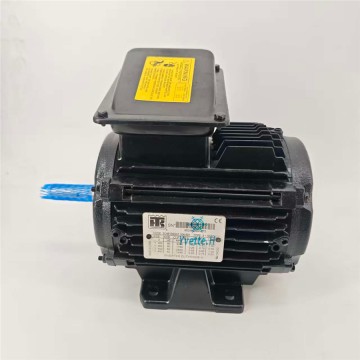
With a strong focus on quality and performance, we offer a comprehensive product portfolio compatible with world-leading brands such as Bitzer, Carrier, Thermo King, Copeland, and more.



A step-by-step diagnostic breakdown for technicians dealing with transport refrigeration unit cooling inefficiencies.
Before replacing a car condenser fan during a transport refrigeration unit repair, technicians should check for the following warning signs:
When performing a replacement, always ensure the power supply is completely disconnected. Clean the condenser coil thoroughly while the fan assembly is removed—dust and leaf buildup restrict airflow and put extra strain on the new motor. Check the fan blade alignment; an imbalanced blade will cause vibrations that can damage the new motor bearings and crack the refrigerant piping over time. Finally, verify that the fan rotation direction matches the manufacturer’s specification (air should be pulled through the coil, not pushed, in most nose-mount configurations).
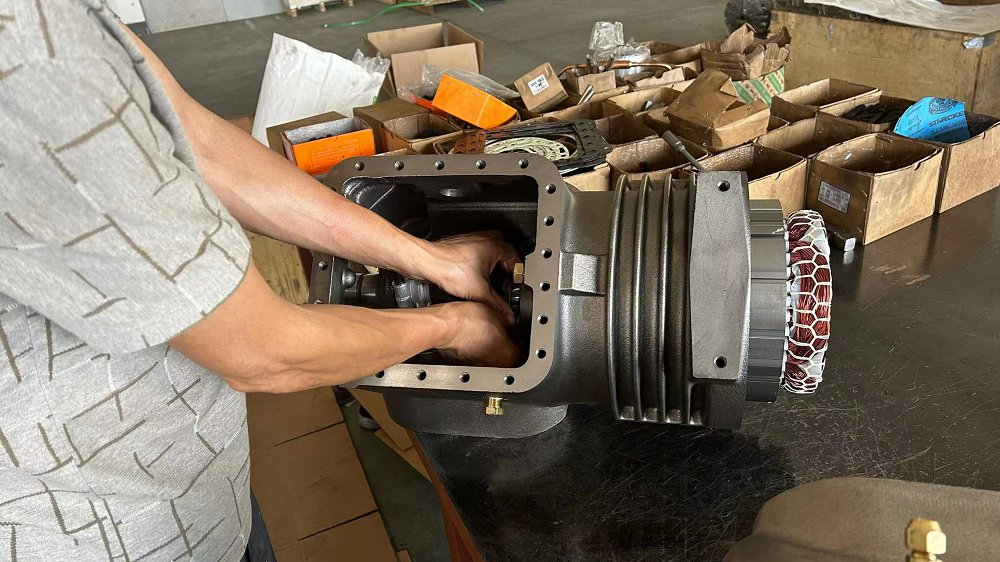
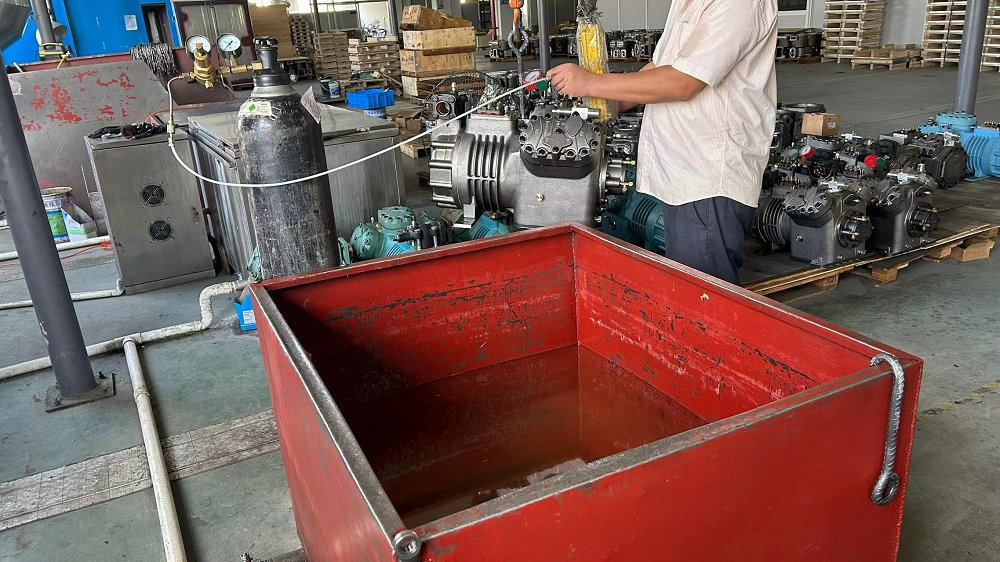
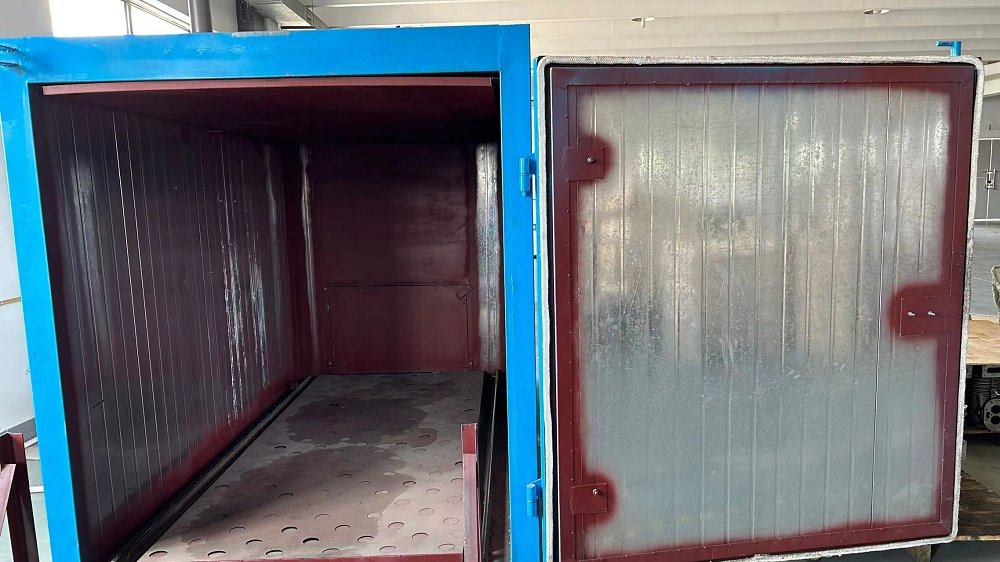
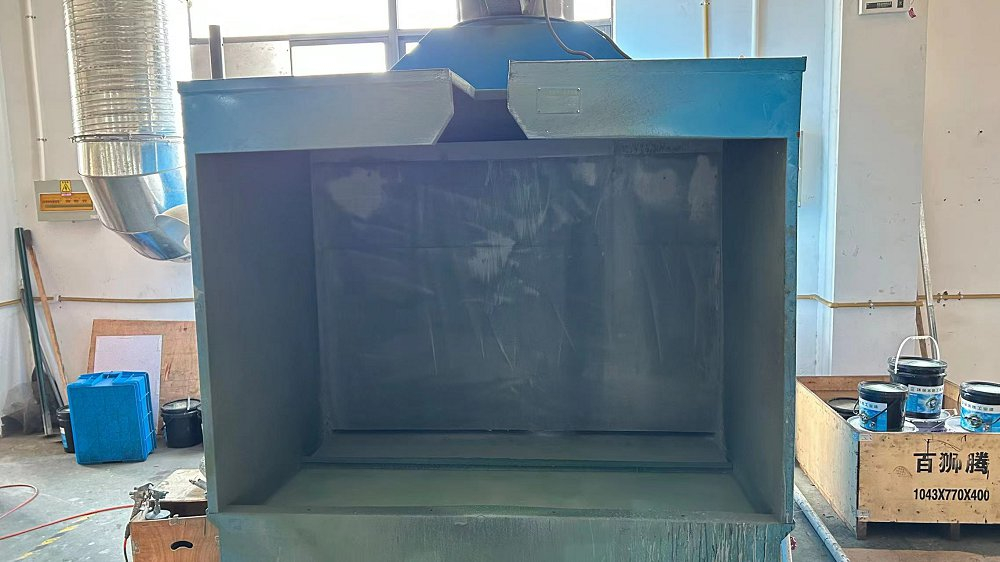
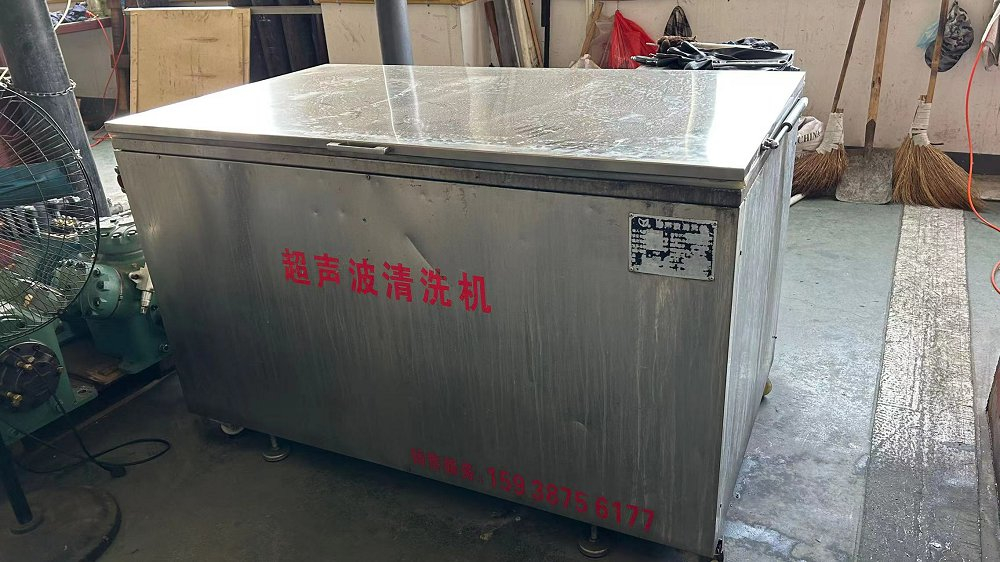
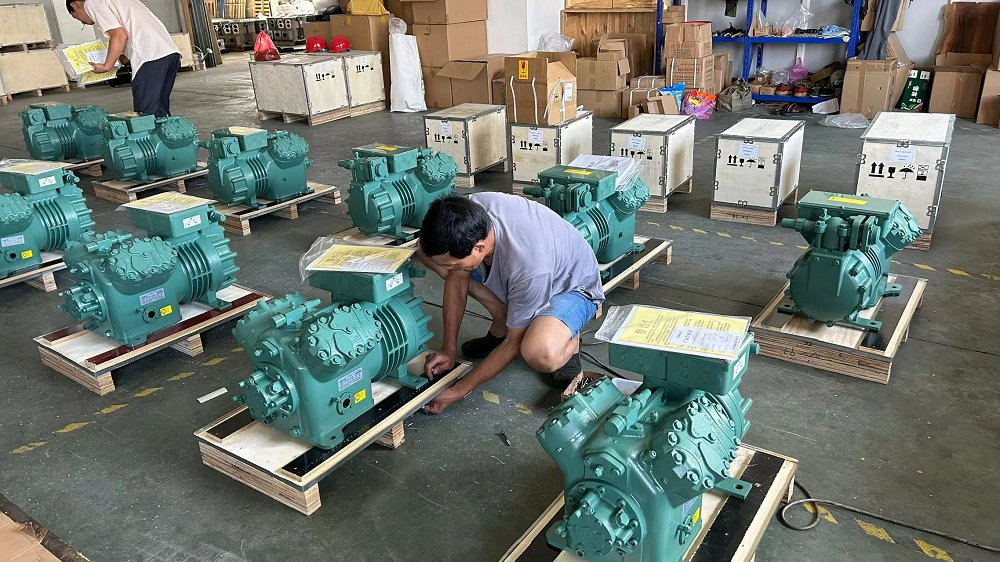
Our rigorous quality control and manufacturing processes ensure every component meets the highest industrial standards before shipment.
Browse our full range of replacement fans and motors compatible with Thermo King and Carrier Transicold systems.