Leave Your Message
Precision replacement parts engineered to preserve hermetic pressure balance, prevent refrigerant leakage, and ensure peak volumetric efficiency across harsh thermal cycles.
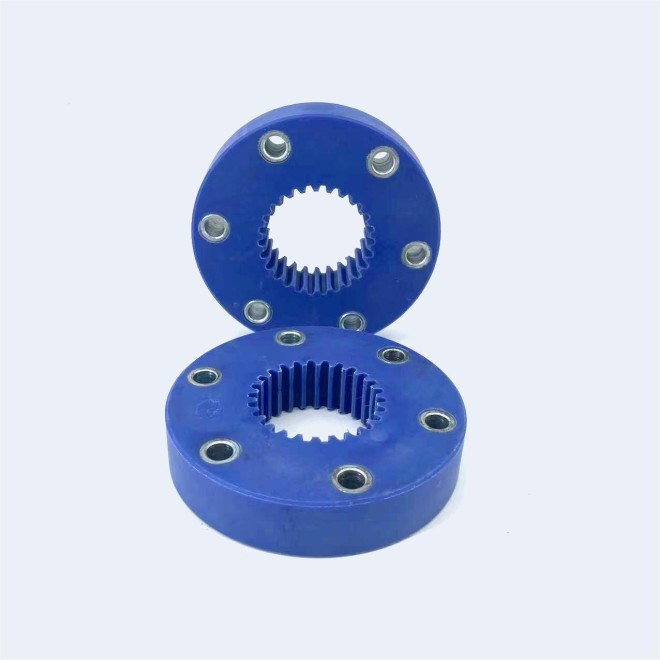
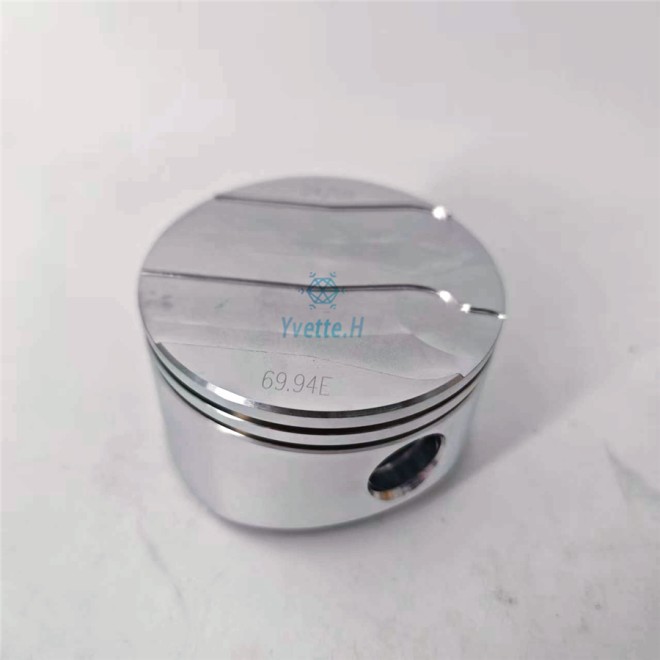
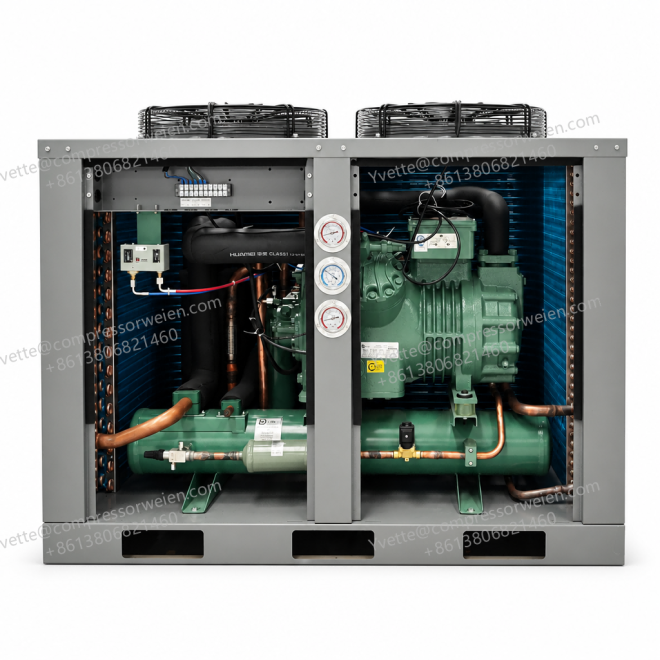
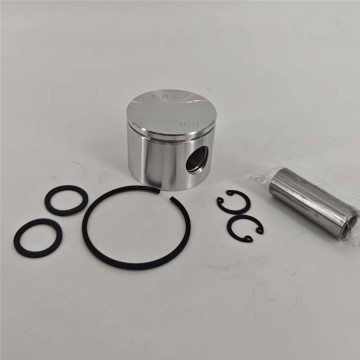
Prevent fugitive refrigerant leakage and safeguard against atmospheric moisture ingress across high-pressure refrigeration systems.
Engineered face pairings like Silicon Carbide vs. Carbon Graphite to manage high surface velocity and boundary lubrication challenges.
Resistant to synthetic POE/PVE lubricants and modern eco-refrigerants including HFOs, R290 Hydrocarbons, and R744 transcritical CO2.
Drastically mitigate unplanned plant shutdowns, preserve COP (Coefficient of Performance), and extend reciprocating & screw unit lifespans.
In modern industrial HVAC and commercial refrigeration architectures, the compressor seal operates as the unsung guardian of thermodynamic stability and environmental compliance. Whether configured as a dynamic mechanical shaft seal in open-drive compressors or specialized elastomer-bonded gaskets in semi-hermetic cylinder heads, the sealing assembly is subjected to relentless mechanical friction, extreme pressure differentials (often exceeding 30 to 120 bar in supercritical systems), and wide thermal cycling between -40°C and +140°C.
Worldwide regulatory updates, such as the EU F-Gas Regulation (EU 2024/573), the US EPA AIM Act, and Kigali Amendment mandates, have catalyzed a global shift toward natural and low-GWP (Global Warming Potential) refrigerants like R744 (Carbon Dioxide), R717 (Ammonia), and R290 (Propane). This evolutionary leap directly impacts sealing technology. Traditional elastomeric compounds often fail under high solubility CO2 conditions due to rapid gas decompression (RGD) and explosive decompression blistering. Concurrently, POE (polyolester) and PAG (polyalkylene glycol) synthetic lubricants chemically degrade inferior elastomer formulations. As a result, engineering high-integrity compressor seal replacements during planned HVAC/R maintenance routines has shifted from a basic part swap to a high-precision, mission-critical engineering intervention.
Xinchang Weien Import & Export Co., Ltd. is a reliable integrated industry and trading company, serving as a one-stop sourcing hub for refrigeration equipment and spare parts. We understand that sourcing refrigeration components from multiple suppliers can be time-consuming, costly, and logistically challenging. That is why we have built a comprehensive supply chain to meet all your refrigeration needs under one roof.
A rigorous maintenance protocol necessitates an in-depth understanding of the distinct sealing mechanisms embedded within modern commercial compressors. Compressor sealing interfaces are broadly divided into dynamic rotating assemblies and static containment barriers:
Predominantly deployed in transport refrigeration (e.g., Carrier Transicold 05G, Thermo King), marine chilling racks, and ammonia screw packages, mechanical shaft seals prevent refrigerant vapor from escaping around the drive crankshaft. A stationary primary ring and a rotating mating ring are pressed against each other by precision spring or bellows tension. An ultra-thin hydrodynamic fluid film, formed by compressor oil, lubricates the micro-gap between faces (typically 0.5 to 1.5 microns). Material selection is vital:
In semi-hermetic reciprocating compressors (such as Bitzer Ecoline, Copeland Discus, and Carrier 06D/06E series), static gaskets isolate high-pressure discharge gas from low-pressure suction plenums. If these seals degrade, internal blow-by occurs, drastically dropping volumetric efficiency, skyrocketing compression ratios, and causing oil carbonization. High-grade metal-reinforced composite graphite and micro-embossed stainless steel core gaskets are mandatory to resist thermal creep and torque loss over prolonged thermal cycling.
| Seal Category | Common Materials | Primary Operating Challenge | Target HVAC/R System |
|---|---|---|---|
| Dynamic Shaft Seal | Carbon vs. Ceramic / SiC vs. SiC | High surface speed, frictional heat, oil film breakdown | Transport Reefer, Open Ammonia Screw Units |
| Cylinder Head Gasket | Expanded Graphite / Metal Core Composite | Thermal micro-movement, blow-by, bolt torque relaxation | Semi-Hermetic Reciprocating Compressors |
| Static Crankcase O-Rings | HNBR, FKM (Viton), Neoprene (CR) | Refrigerant gas saturation, explosive decompression | Commercial Cold Storage Rack Compressors |
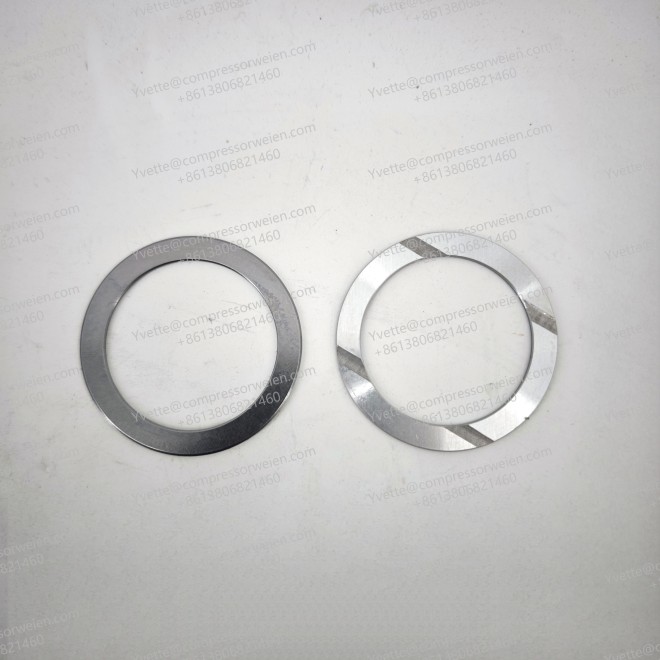
| Oil Pump & Thrust Washers | Engineered Bronze Alloys, PTFE Composites | Boundary wear during cold oil starts, axial thrust loads | Heavy-duty Reciprocating Lubrication Systems |
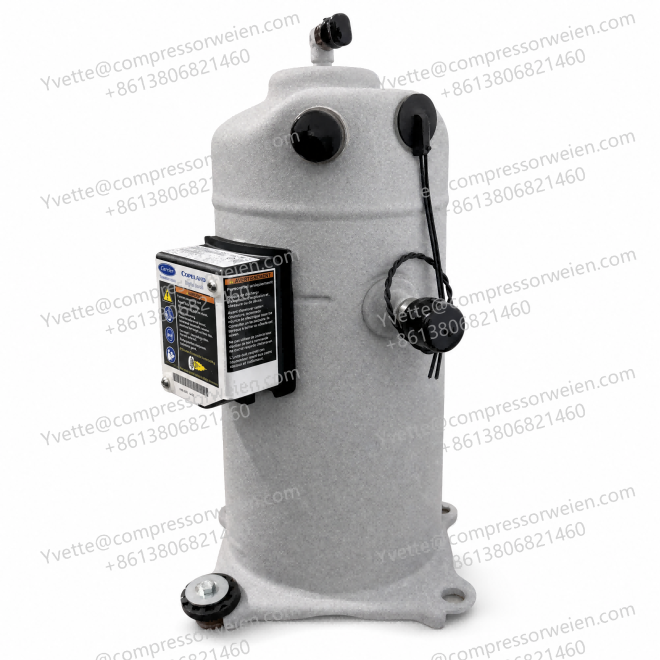
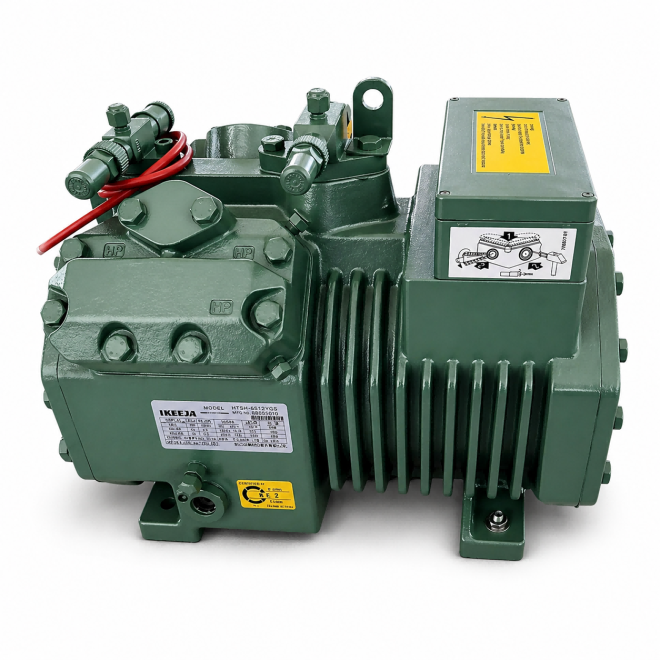
With a strong focus on quality and performance, we offer a comprehensive product portfolio compatible with world-leading brands such as Bitzer, Carrier, Thermo King, Copeland, and more. Our wide-ranging lineup covers everything from complete cold storage units to precision-engineered components.



Compressor seals must perform without interruption under extreme industrial operating parameters. Real-world maintenance demands differ drastically based on the end-use environment:
Marine containers and refrigerated road trailers face constant mechanical vibration, shock loading, and erratic engine speeds. In units driven by Carrier Transicold 05G or Thermo King reciprocating blocks, crankshaft shaft seals must withstand severe start-stop cycles while operating under road salt, humidity, and wide ambient swings. A minor shaft seal failure during cargo transit across trans-oceanic routes can spoil tens of thousands of dollars worth of pharmaceutical or fresh food perishables.
Centralized supermarket packs operate 24/7/365. With the widespread adoption of booster CO2 transcritical systems (R744), operating pressures regularly exceed 85 to 135 bar on the high side. Compressor seals in these architectures cannot rely on standard nitrile rubber compounds. Maintenance engineers must install peroxide-cured HNBR or specialized fluorocarbon grades formulated to withstand explosive decompression when the system undergoes rapid shutdown or pressure equalisation.
Large-scale distribution facilities utilize high-capacity semi-hermetic reciprocating and screw compressors (such as Bitzer 4NES/6GE series and Copeland Stream units). In these setups, valve plate gasket degradation leads directly to excessive discharge temperatures. When high-pressure discharge gas bypasses back into the suction chamber, it carbonizes lubrication oil, leading to rod bearing seizure and catastrophic motor burnout. Periodic proactive renewal of top-end gasket kits and thrust components during scheduled 10,000-hour overhauls is crucial to maintain system COP and avoid millions in energy penalties.
When performing HVAC/R compressor overhauls, skilled maintenance technicians should examine removed seals to diagnose broader underlying system faults:
Precision quality management and systematic remanufacturing workflows guarantee that every replacement seal, piston kit, and compressor sub-assembly meets rigid industrial tolerance limits.
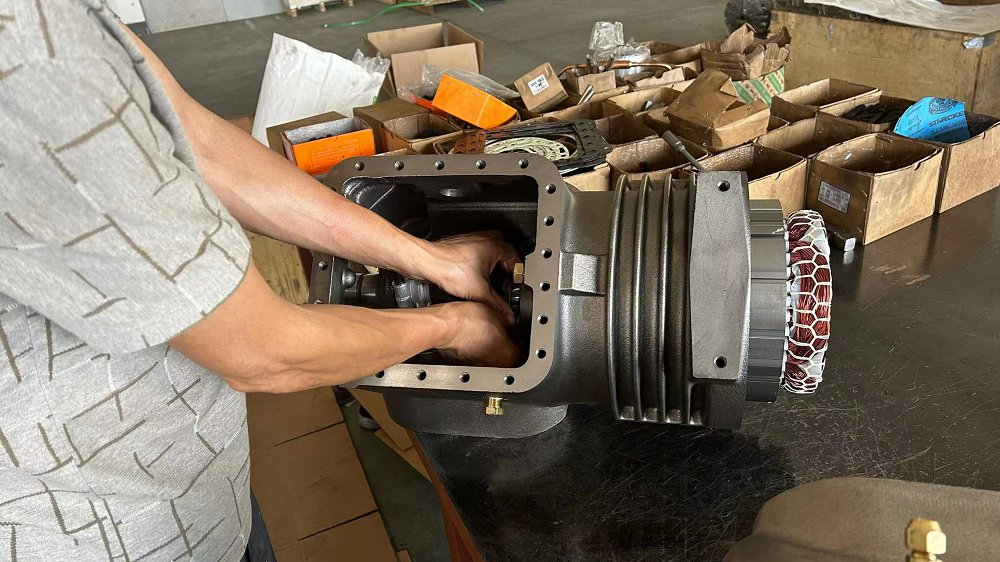 Step 1

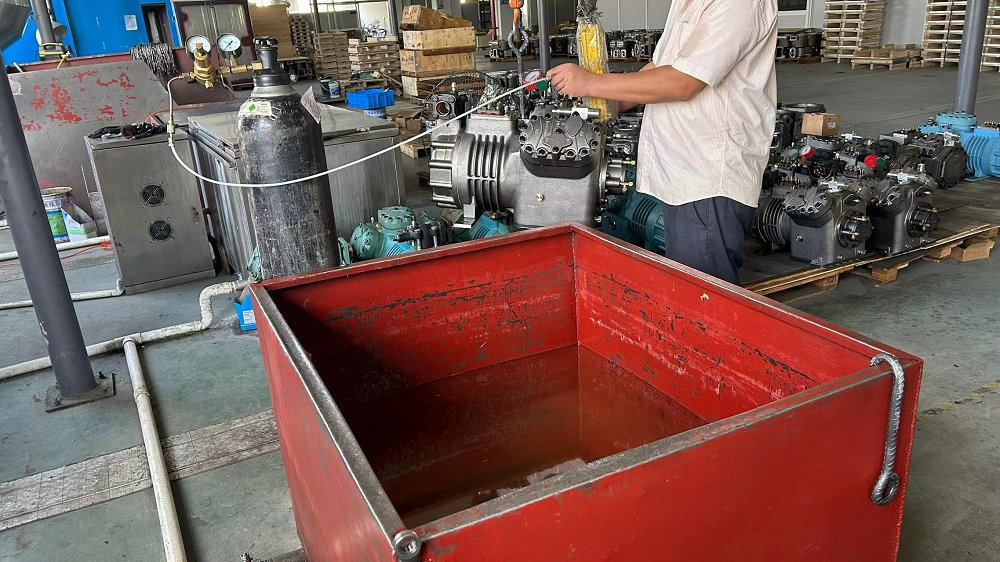 Step 2
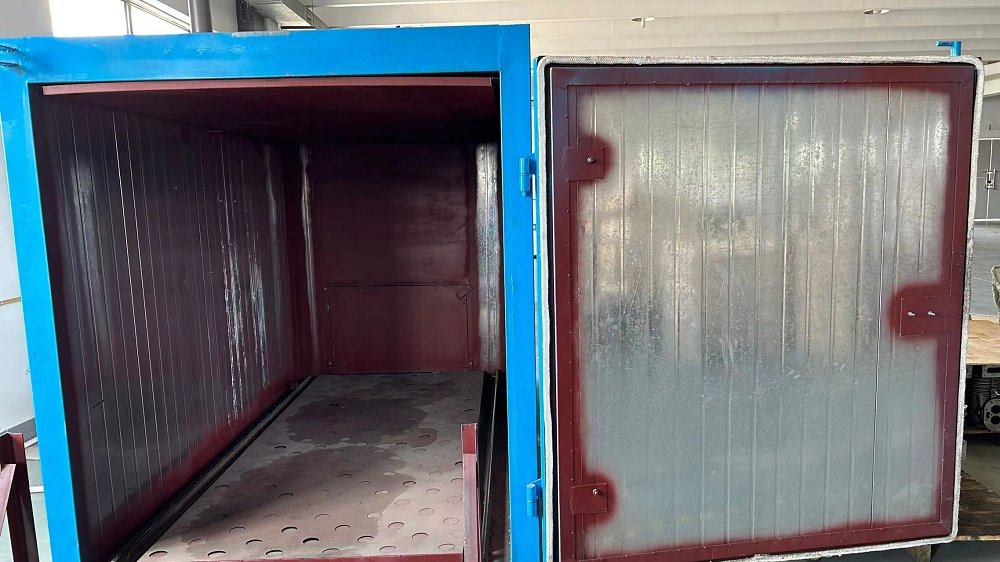 Step 3
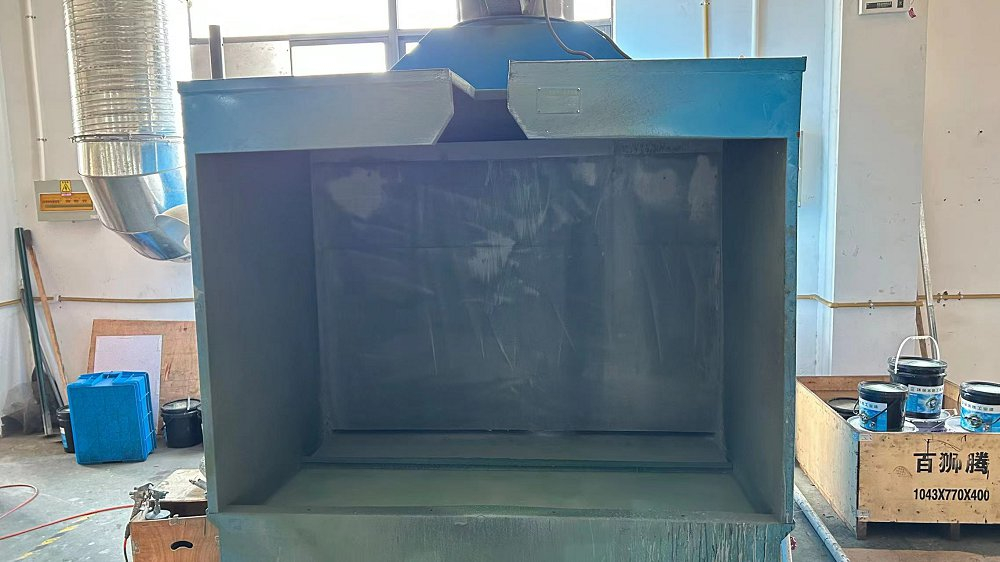 Step 4
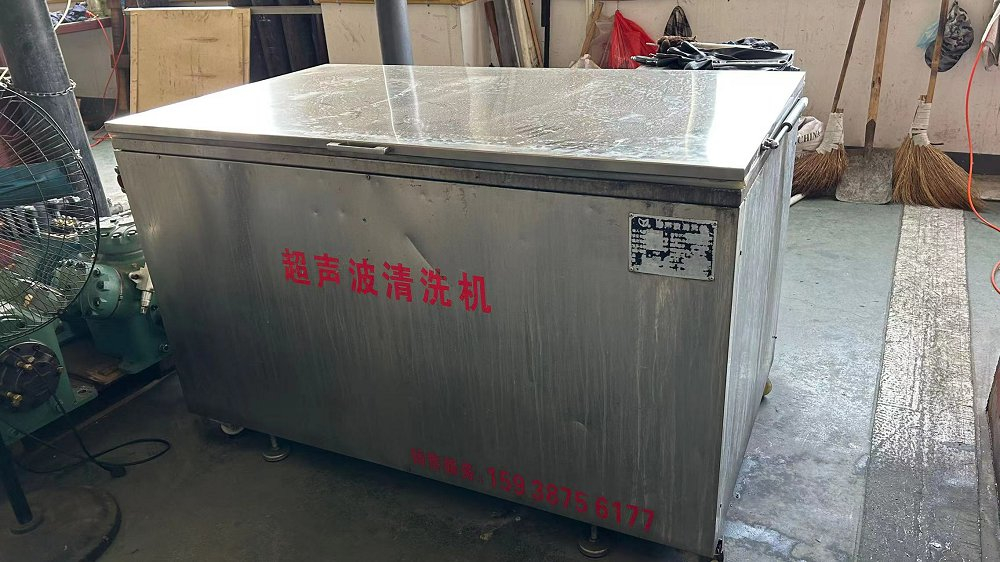 Step 5
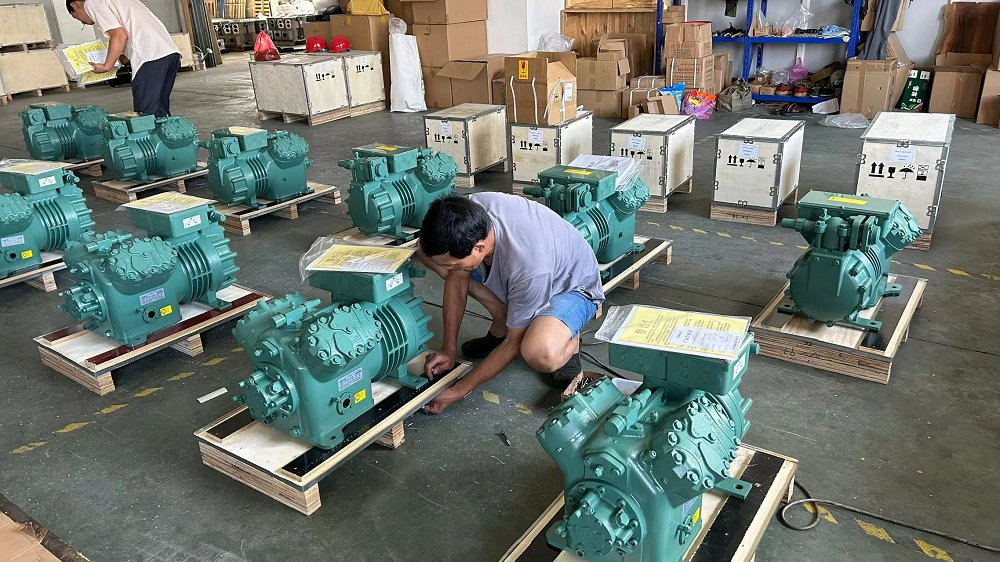 Step 6
Executing a successful seal overhaul demands absolute cleanliness, precision measurement, and meticulous assembly adherence. Even microscopic dust particles on a seal face can lead to rapid catastrophic leakage.
The convergence of predictive IoT analytics, AI-driven diagnostics, and zero-emission environmental targets is transforming the compressor sealing sector. Emerging trends include:
Explore our full line of refrigeration compressors, piston assemblies, thrust washers, drive components, and air-cooled condensing units designed for long-term operational resilience.