
Leave Your Message
Premium heat rejection units featuring aerodynamic axial impellers, dual-speed or variable-speed EC controls, and robust coils built for continuous Bitzer condensing unit operation.
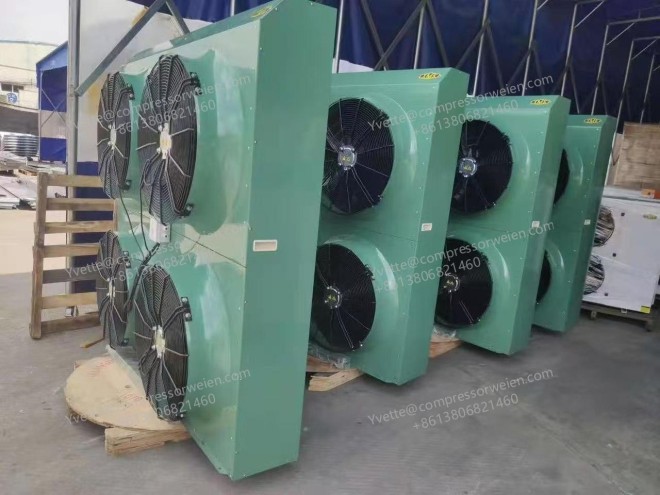
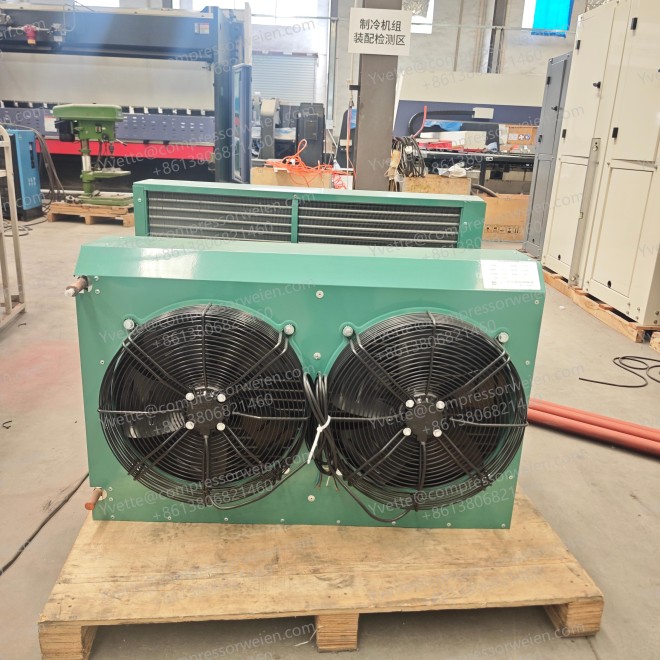
A comprehensive assessment of aftermarket fan aerodynamics, thermodynamic head pressure regulation, and total lifecycle optimization.
Sickle-shaped composite or die-cast aluminum blades eliminate turbulent vortex shed, providing high static pressure overcoming dense coil resistances at lower acoustic decibels.
Brushless electronically commutated (EC) drive motors yield over 85% motor efficiency, allowing step-less continuous speed regulation down to 10% load without harmonic overheating.
Hermetically sealed winding compartments, anti-corrosive epoxy powder finishes, and permanently lubricated high-temperature dual ball bearings safeguard uninterrupted operation.
The global commercial refrigeration industry is undergoing a structural paradigm shift driven by stringent energy efficiency directives (such as EU Ecodesign, US DOE regulations) and the rapid transition toward low-GWP refrigerants including hydrofluoroolefins (HFOs), CO2 (R744), and Propane (R290). In this shifting landscape, Bitzer semi-hermetic reciprocating and compact screw compressors represent one of the most critical backbones of industrial cold storage, logistical distribution centers, processing plants, and food retail superstores worldwide.
However, an operational compressor is only as reliable as its thermodynamic heat rejection loop. In practical commercial operations, condenser fan failure or performance degradation is the leading precursor to catastrophic compressor shutdowns. When condenser fans lose rotational velocity due to bearing wear, capacitor breakdown, or aerodynamic blade fouling, head pressure (discharge condensing temperature) escalates immediately. Elevated condensing pressures force Bitzer compressors to operate far beyond their standard envelope: motor winding temperatures climb exponentially, lubricant viscosity degrades rapidly, and valve reed carbonization accelerates. Consequently, the aftermarket replacement of condenser fans has evolved from a simple reactive maintenance activity into a critical proactive engineering discipline.
Every refrigeration engineer understands that a 1 K drop in condensing temperature can yield a 2% to 3% improvement in overall refrigeration system Coefficient of Performance (COP). In typical Bitzer Ecoline configurations, selecting the correct replacement condenser fan assembly directly dictates the saturation temperature within the copper tubes.
| Fan Aerodynamic Specification | Standard AC Induction Fan | Premium Aftermarket EC Axial Fan | Compressor Operational Impact (Bitzer) |
|---|---|---|---|
| Motor Efficiency | 50% – 65% | 84% – 92% | Drastic drop in parasitic auxiliary electrical draw |
| Static Pressure Head | Moderate drop across dirty fin banks | Sustained airflow via steep aerodynamic curves | Avoids mid-summer high-pressure safety trip cutouts |
| Speed Modulation | Step control (Triac / Star-Delta) | 0-10V / 4-20mA / Modbus RTU variable | Stable condensing pressure; no liquid hunting at expansion valve |
| Vibration & Sound | Higher resonant mechanical noise | Dynamically balanced to G2.5, low acoustic dB(A) | Protects copper refrigeration solder joints from fatigue cracks |
Aftermarket fans intended for Bitzer condensing units encounter vastly disparate mechanical and ambient environments. Direct replacement strategies must account for individual operating realities:
Operating in ultra-low evaporating temperatures (-25°C to -40°C), systems driven by two-stage Bitzer compressors demand absolute condenser consistency. During defrost cycles or quick product changeovers, condensing heat spike profiles are intense. Condenser fan assemblies must quickly throttle to maximum cfm throughput without lag to prevent high-discharge temperature trips.
Urban supermarket condensing units face stringent environmental noise regulations. Premium aftermarket replacement fans with serrated trailing blade edges and winglets simulate bio-mimetic owl-wing acoustics, slashing decibel levels by 4-6 dB(A) while maintaining the 120m2 or 33m2 airflow volumes essential for centralized semi-hermetic packs.
Chemical processing installations and coastal cold rooms subject condensers to intense salt fog and acid traces. High-grade aftermarket fans combine aluminum alloy die-cast impellers treated with anti-corrosive electrophoresis finishes with heavy-gauge copper coils, preventing fin deterioration and impeller unbalance.
The aftermarket replacement sector is moving rapidly toward intelligent digitalization. Rather than isolated mechanically controlled fan units, modern replacement fans for Bitzer units feature integrated RS485 Modbus telemetry. Digital sensors embedded directly in the fan stator measure ambient coil inlet temperatures, motor current curves, vibration frequency spectra, and blade speed. When connected to AI predictive maintenance clouds, the system flags subtle micro-imbalances or abnormal head pressures hours before a Bitzer compressor reaches its high-pressure cutoff switch. This convergence of mechanical durability and smart feedback defines the future of aftermarket refrigeration components.
Whether you are setting up a new refrigeration system or maintaining existing equipment, we provide flexible solutions for both commercial and industrial applications. Our clients include cold storage warehouses, food processing plants, supermarket chains, transport refrigeration companies, and logistics providers.
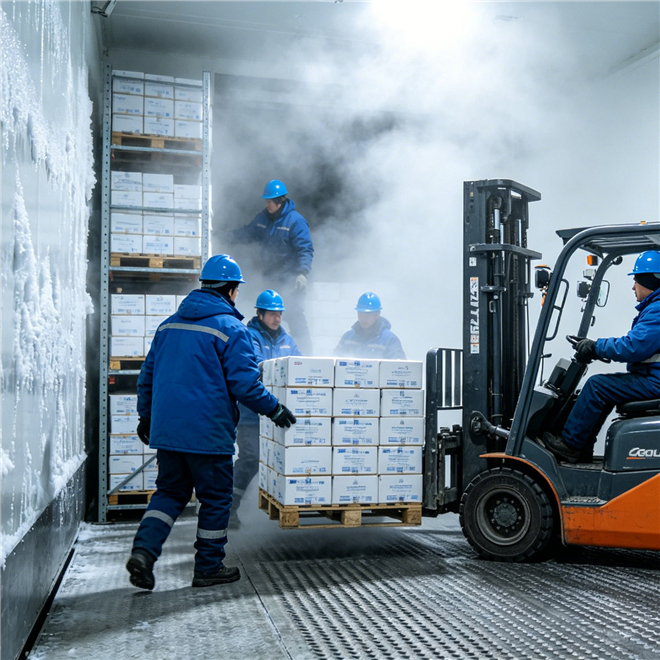

Lies in our extensive inventory and product diversity — reducing the need for multiple suppliers and simplifying your procurement process. By consolidating your sourcing with us, you save time, reduce shipping costs, and minimize administrative overhead.
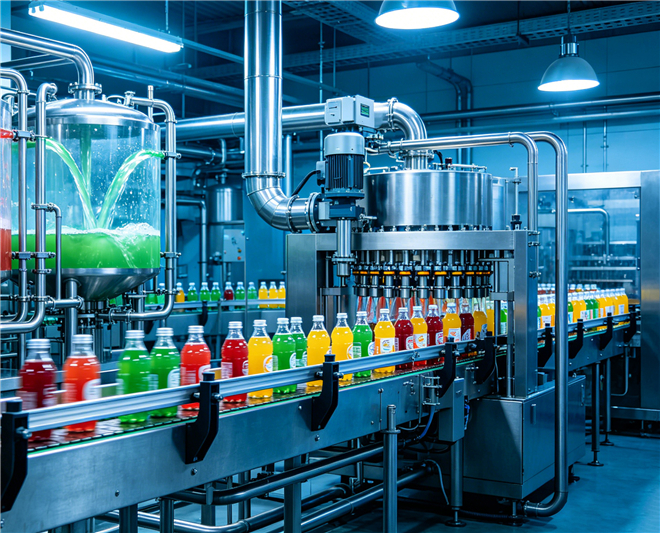

At Xinchang Weien, customer satisfaction is at the core of what we do. With solid industry expertise and a commitment to reliable service, we don't just supply products — we aim to exceed your expectations and support the long-term success of your refrigeration operations. Contact us today to experience the convenience of one-stop refrigeration sourcing.
Verify five essential technical parameters prior to ordering aftermarket condenser fans to guarantee seamless mechanical integration and thermal performance.
Measure exact ring clearance and radial bolt patterns. Our replacement assemblies are dimensionally indexed to Bitzer standard condensing unit brackets from 350mm up to 800mm diameter.
Ensure the volumetric flow matches the total heat rejection (THR) rating of your Bitzer compressor model at summer peak conditions (43°C ambient / 54°C condensing).
Specify suction (pulling air across coil fins) or blowing (pushing air outward). Inverting airflow direction on Bitzer condensing sets severely impairs subcooling performance.
Explore our extensive portfolio of field-proven air-cooled condensers, high-duty copper-tube coils, and axial fan replacements built for Bitzer industrial condensing units.