Leave Your Message
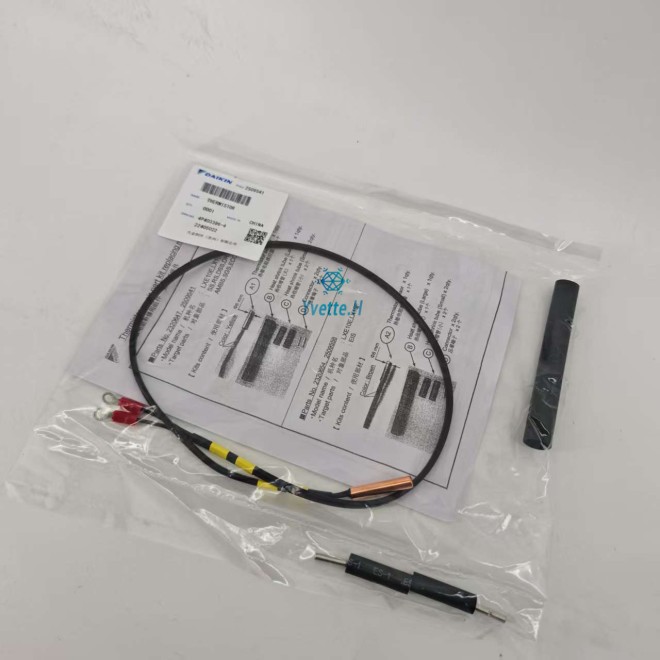
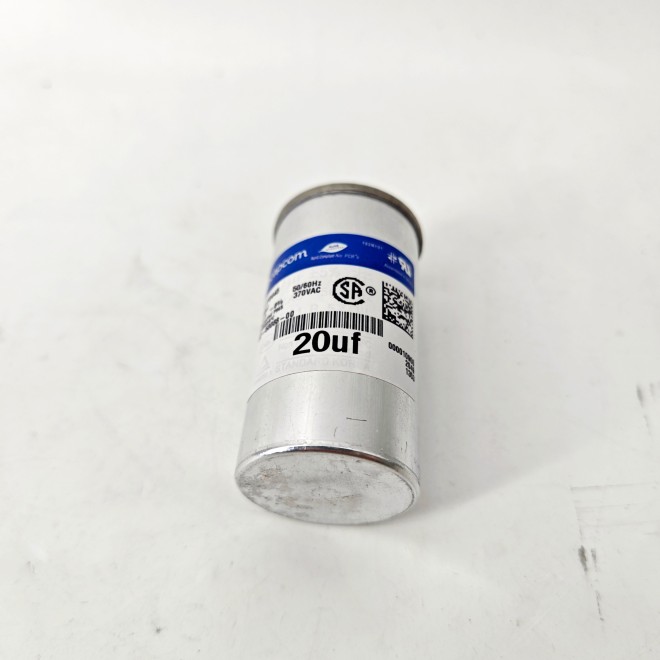
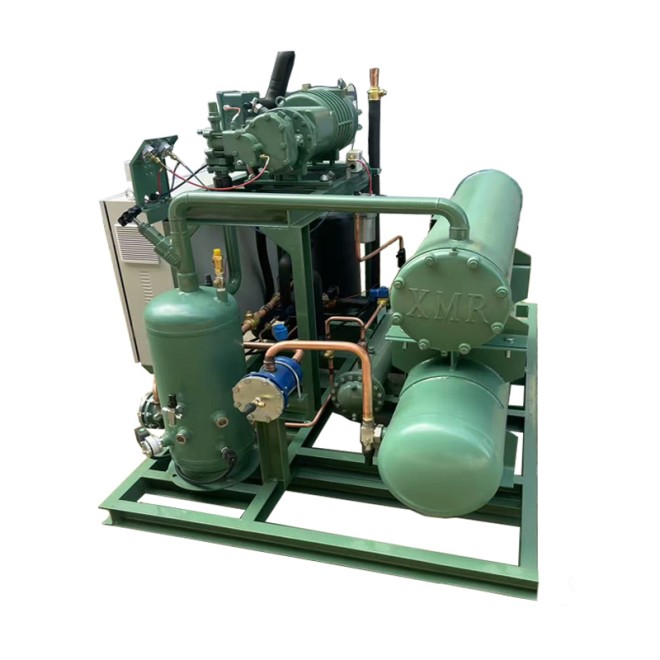
The Philippines is experiencing a massive surge in demand for reliable cold storage systems, driven by rapid urbanization, a booming food retail sector, and government initiatives to reduce post-harvest agricultural losses. From the bustling metropolitan hubs of Metro Manila, Metro Cebu, and Davao, to the agricultural heartlands of Luzon and Mindanao, temperature-controlled environments are vital.
However, the local environment presents unique challenges. High ambient temperatures, extreme humidity, and high salinity in coastal regions accelerate wear and tear on outdoor equipment. Furthermore, dense urban centers like Makati, Bonifacio Global City (BGC), and Ortigas face severe spatial limitations. This is where inside condenser units play a critical role.
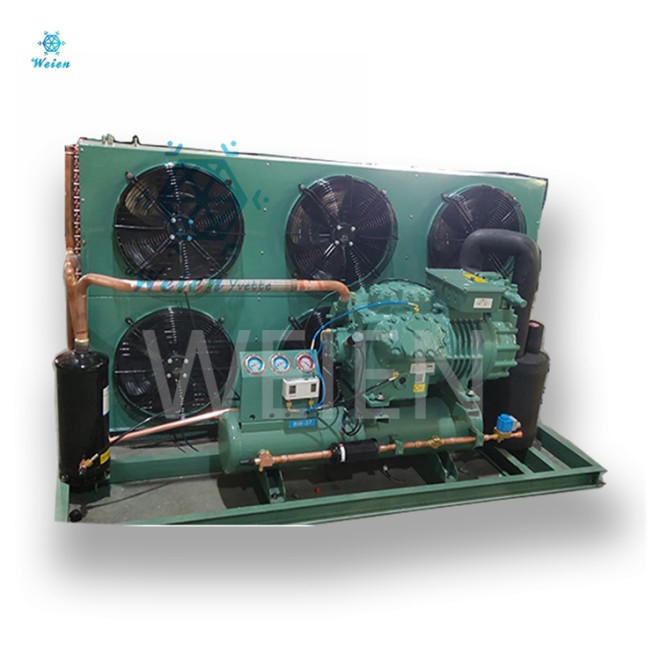
Why Inside Condenser Units are Crucial in the Philippines: They protect vital cooling components from external environmental hazards—such as typhoons, extreme heat, and salty sea breezes—while solving the space constraints of high-rise commercial structures and compact urban retail layouts.
The Philippine refrigeration industry is undergoing a significant transition. With electricity rates in the country being among the highest in the ASEAN region, businesses are prioritizing energy efficiency. Inverter-driven inside condenser units and highly efficient copper coil systems are replacing outdated, power-hungry models.
Additionally, compliance with the Montreal Protocol and the Kigali Amendment has accelerated the adoption of eco-friendly refrigerants. Modern refrigeration systems in the Philippines now favor R404A, R410A, and R32, which require advanced, high-precision sensors and robust electrical components to operate safely and effectively.