Leave Your Message
High-demand replacement displays, panels, and control units for major container refrigeration systems.
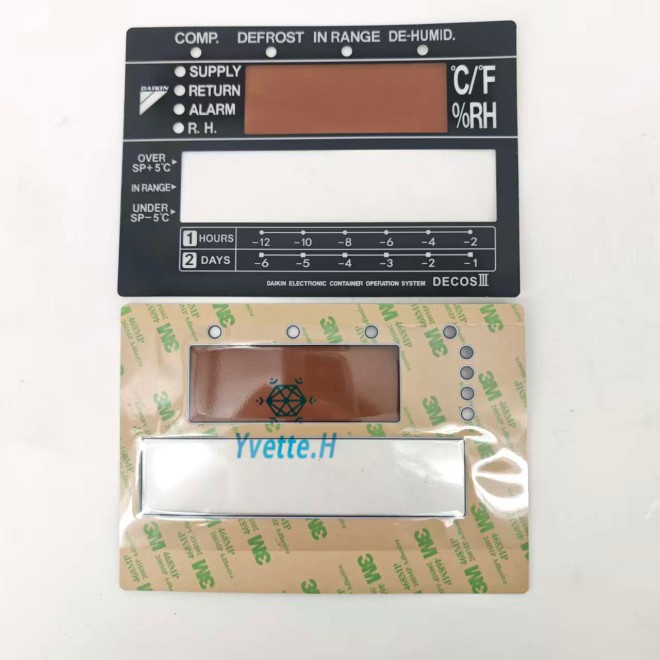
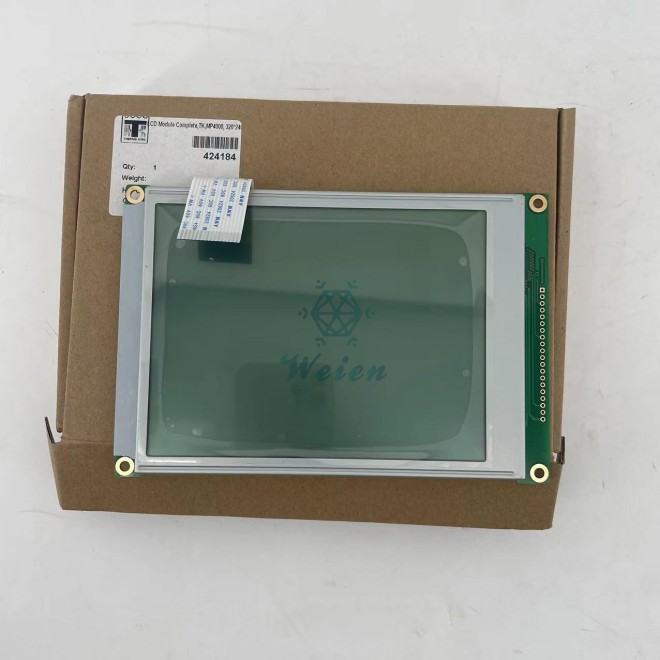
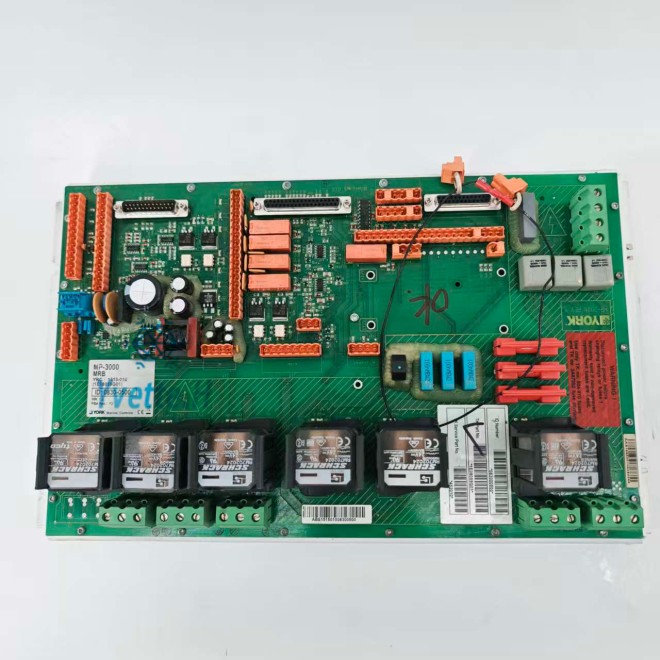
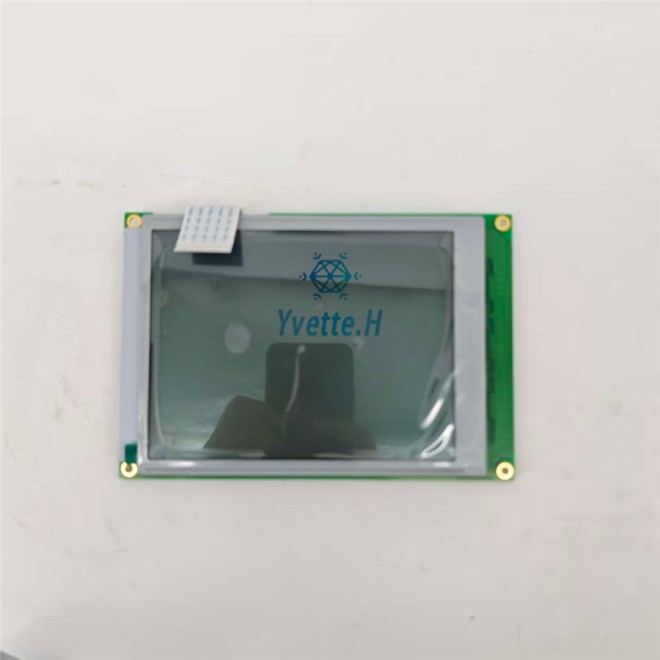
In the high-stakes environment of global maritime logistics, the cargo carried inside refrigerated containers (reefers) represents millions of dollars in perishable goods, pharmaceuticals, and fresh produce. The defrost controller acts as the brain behind maintaining optimal thermodynamic efficiency. Without a highly accurate defrost system, ice build-up on the evaporator coils acts as an insulator, restricting airflow and causing the internal container temperature to rise, which inevitably leads to catastrophic cargo spoilage.
Modern maritime reefer container maintenance demands an in-depth understanding of how these controllers cycle. When humid air enters the reefer unit during loading or through fresh-air ventilation, moisture condenses and freezes on the cold evaporator coils. The defrost controller regulates the activation of defrost heaters to melt this ice structure at computed intervals, protecting cargo integrity while minimizing energy consumption on cargo vessels.
Industry Insight: Statistics show that refrigeration system failures account for over 35% of maritime cargo claims. A significant portion of these failures originates from malfunctioning sensors, worn-out relay boards, and faulty defrost controllers that fail to manage coil frost levels effectively.
The maritime shipping industry is undergoing a digital revolution, and reefer container maintenance is at the forefront. Traditionally, defrost cycles were controlled by simple timers (e.g., defrosting every 6 hours). However, this method is highly inefficient. If a container is carrying dry cargo or operating in low-humidity environments, unnecessary defrosting cycles introduce heat into the cargo space, forcing the compressor to work harder and consume more fuel once the cooling cycle resumes.
Today, the industry is transitioning toward Demand Defrost Algorithms. Leading controllers, such as the Carrier Micro-Link 3, Thermo King MP-4000, and Daikin DECOS III, use complex data inputs—comparing the temperature difference between the return air, supply air, and evaporator coil temperature sensors—to determine the exact thickness of ice accumulation. The defrost cycle is initiated only when thermal efficiency drops below a set threshold. This smart control paradigm significantly reduces energy consumption and limits temperature fluctuations within the container.
1. Transoceanic Fresh Produce Shipping: Fresh fruits and vegetables continue to respire after harvest, releasing moisture and carbon dioxide. This high moisture level accelerates frost accumulation on evaporator coils. An intelligent defrost controller must balance the frequency of defrost cycles to prevent ice blocking while avoiding temperature spikes that could trigger premature ripening of the produce.
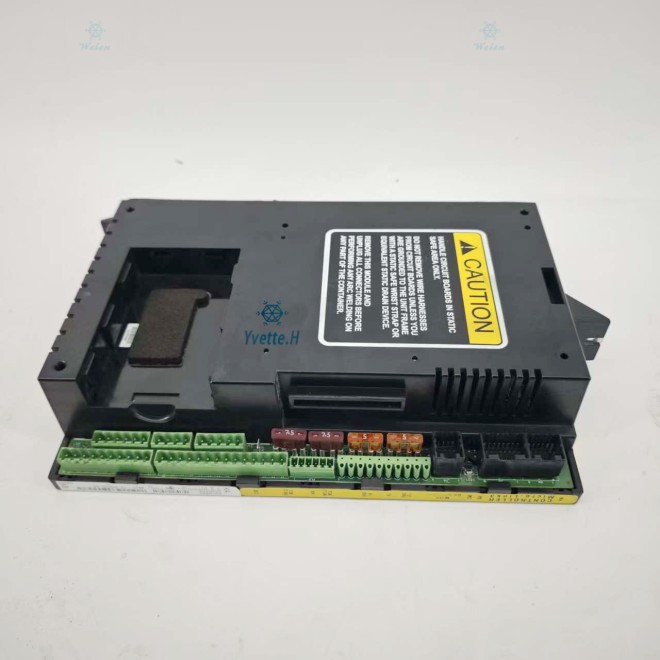
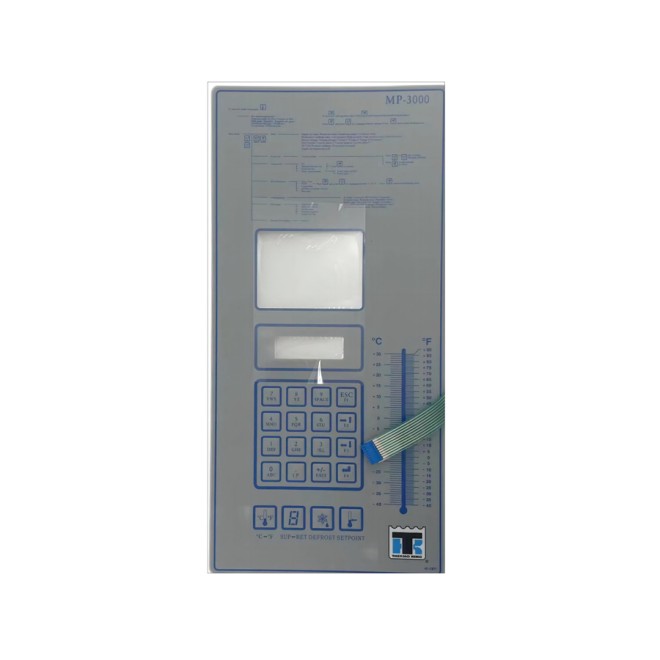
2. Ultra-Low Temperature (ULT) Pharma Logistics: Vaccines and biological materials require strict temperature ranges, sometimes down to -60°C. In these scenarios, defrost cycles must be incredibly short and precisely controlled. Any prolonged heating phase could ruin the active ingredients of the cargo. Replacement parts, such as the main relay boards (MRB) and display overlays, must function flawlessly to ensure crew members can monitor and configure system parameters without delay.
Maritime reefer container maintenance is performed under harsh sea conditions or during quick turnaround times at port terminals. Technicians require reliable replacement parts that match OEM specifications. Key components that frequently require maintenance include:
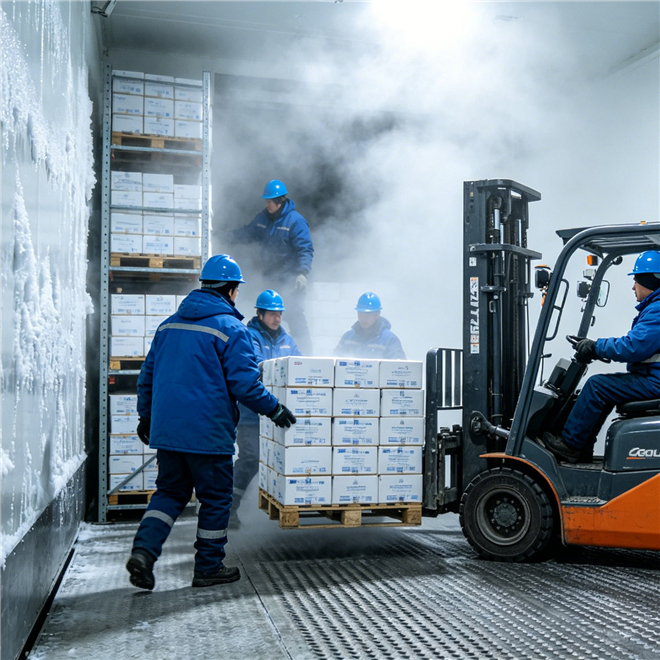

Lies in our extensive inventory and product diversity — reducing the need for multiple suppliers and simplifying your procurement process. By consolidating your sourcing with us, you save time, reduce shipping costs, and minimize administrative overhead.
At Xinchang Weien, customer satisfaction is at the core of what we do. With solid industry expertise and a commitment to reliable service, we don't just supply products — we aim to exceed your expectations and support the long-term success of your refrigeration operations. Contact us today to experience the convenience of one-stop refrigeration sourcing.
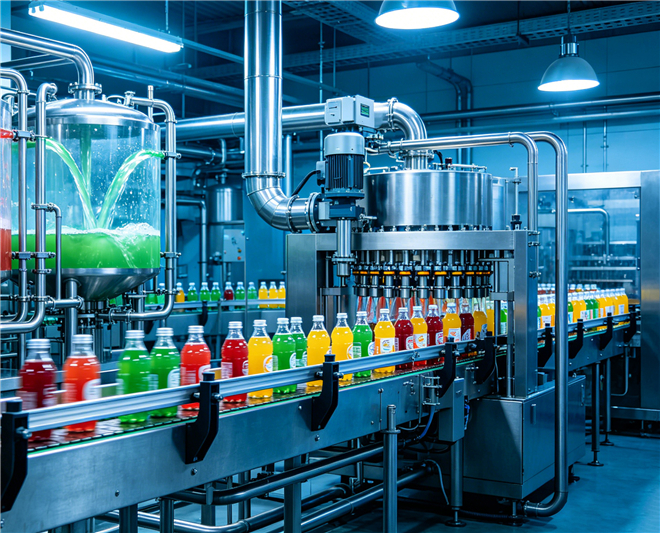
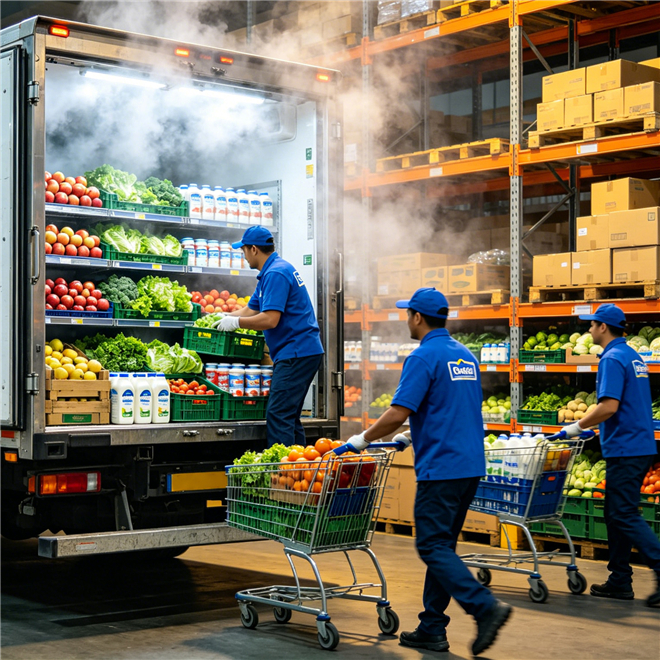
When a reefer container triggers a defrost alarm (such as Alarm 54 for Carrier or AL21 for Daikin), technicians must act swiftly. Here is a diagnostic breakdown of common failure modes:
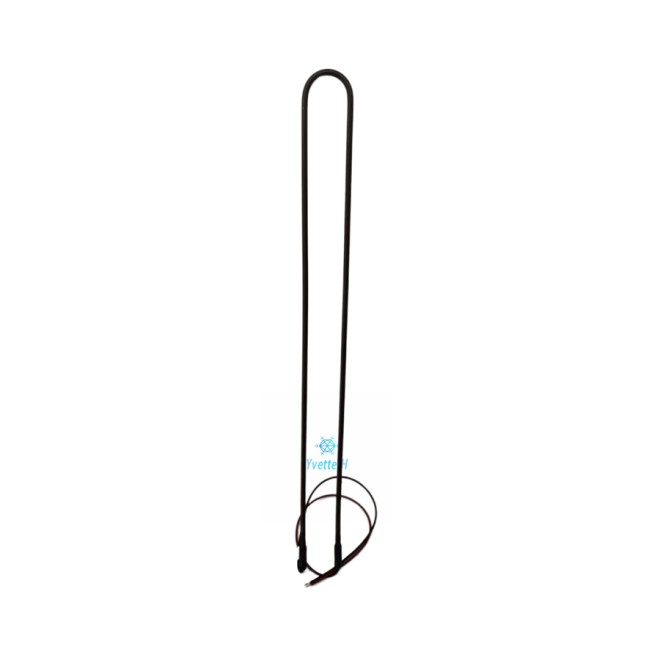
Potential Cause: Defective defrost heater, failed heater contactor on the MRB (Main Relay Board), or a faulty evaporator coil temperature sensor sending incorrect resistance readings to the controller.
Action: Test the resistance of the defrost heater. Check the relay outputs on the controller board. Replace the relay board or heater if electrical open circuits are detected.
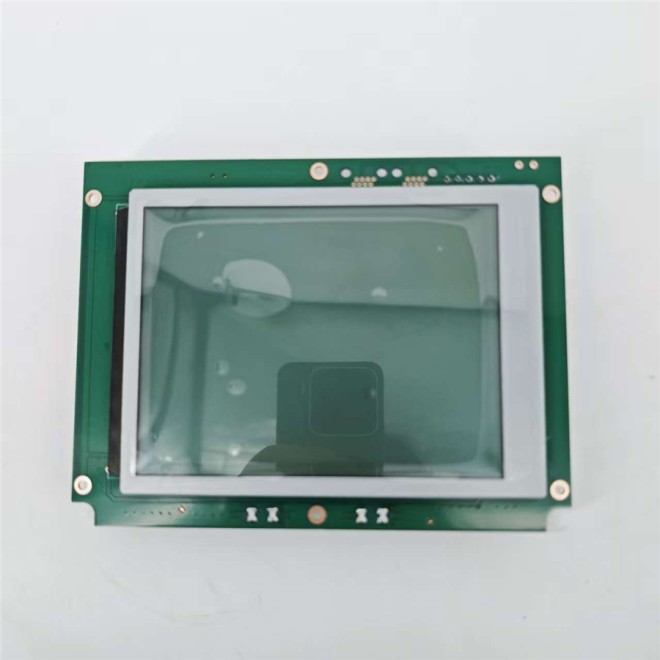
Potential Cause: Water ingress through a cracked display panel overlay or physical damage to the LCD glass panel. This prevents the operator from initiating manual defrost cycles.
Action: Replace the damaged VGA display screen or overlay immediately to restore visibility and system control interface.
Explore our full inventory of high-quality replacement parts, including LCD displays, keypads, relay boards, and heating elements compatible with major brands.