Leave Your Message
Standardized, reliable industrial control units engineered to safeguard fresh grocery and frozen goods across multi-stop logistical corridors.
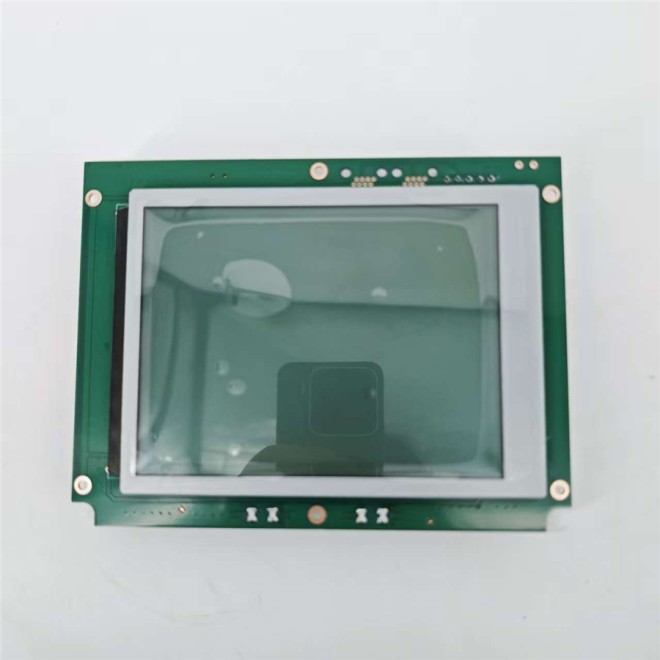
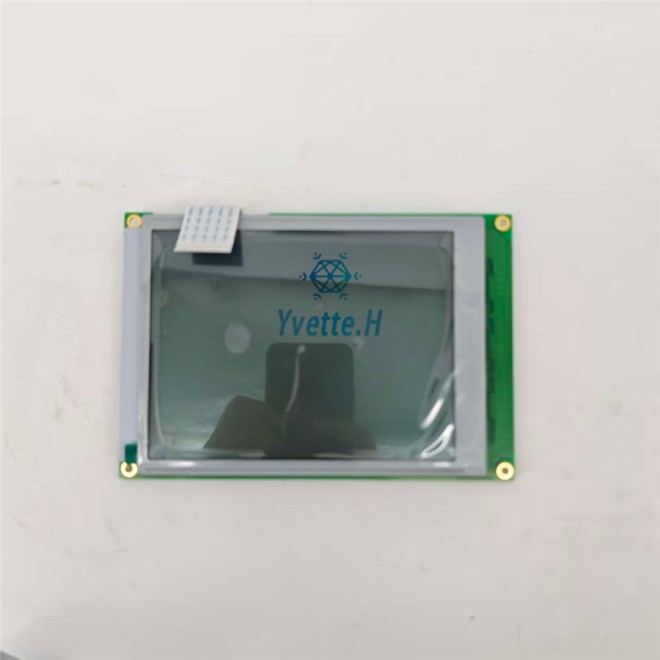
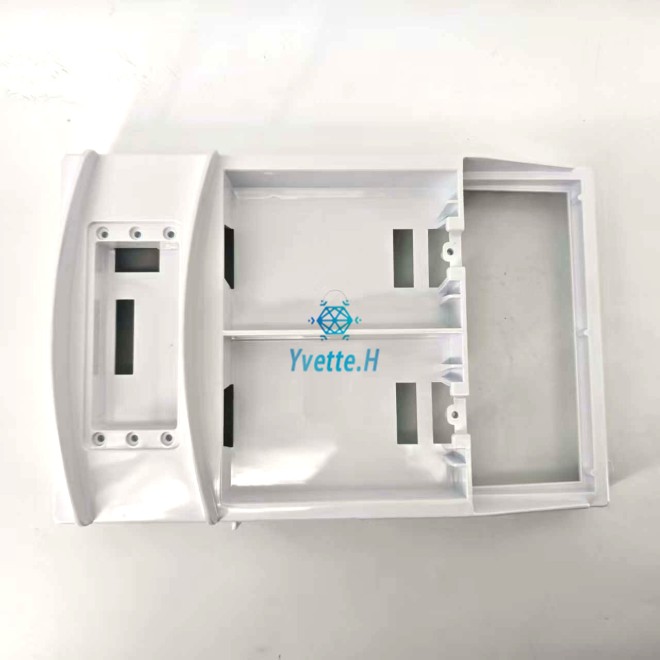
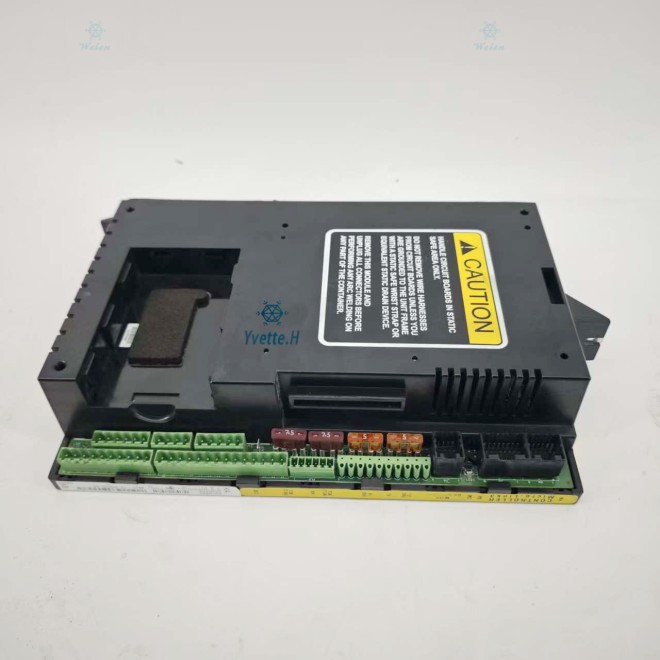
Navigating the complex thermal realities of last-mile supermarket delivery and long-haul intermodal distribution.
In modern commercial grocery operations, the supermarket cold chain represents an intricate web spanning farm gates, regional distribution centers (RDCs), distribution hubs, and retail outlets. The final delivery phase and inter-facility hauling handled by dedicated logistics fleets represent the most vulnerable links in this chain. Within transport refrigeration units (TRUs), continuous temperature management is essential, but it faces an unavoidable thermodynamic obstacle: frost accumulation on evaporator coils. As warm, moisture-laden ambient air enters the refrigerated compartment during loading, transit vibrations, and frequent door openings, vapor condenses and freezes upon cooling fins.
Historically, commercial fleets relied on rudimentary timed defrost systems. These timer-driven mechanisms initiate defrost cycles at fixed intervals regardless of actual ice accretion. In supermarket fleet logistics, this traditional method introduces severe inefficiencies. Unnecessary defrost cycles artificially spike box temperatures, consuming auxiliary fuel or drawing battery reserves, while causing thermal shocks that degrade delicate cargo such as fresh berries, seafood, dairy, and leafy greens. Conversely, delayed defrost leads to choked airflow, reduced heat transfer efficiency, compressor burnout, and catastrophic spoilage. Consequently, the transition toward intelligent Defrost Controllers for Supermarket Cold Chain Logistics Fleets has evolved from an optional maintenance upgrade into an operational and economic imperative.
Unlike maritime reefers that run steady profiles for weeks at sea, supermarket delivery fleets endure hostile operating profiles characterized by:
Microprocessor-driven sensors calculate differential air pressures and temperature drops across the evaporator matrix to initiate defrost cycles only when thermodynamic efficiency drops, cutting unnecessary heating events by up to 40%.
Advanced controllers synchronize electrical heating elements and hot gas bypass valves with variable-speed fans, achieving rapid ice clearance while minimizing cabinet warm-up times and preventing product crust thawing.
Seamlessly interface with fleet-wide CAN-bus systems to stream real-time defrost metrics, heater performance health, relay operational counts, and predictive failure alarms directly to enterprise dispatch teams.
How specialized defrost control architectures solve specific logistics bottlenecks across the grocery supply landscape.
In store replenishment routes, delivery trailers spend hours transitioning between city streets and supermarket loading docks. Here, standard defrost controllers fail because ambient humidity changes radically along the route. Advanced controllers utilize adaptive temperature-differential triggers: by measuring the delta between the evaporator surface temperature and saturated suction temperature, the unit accurately measures ice thickness in real time. Once termination sensors register that coil temperatures have reached 8°C–10°C, the controller immediately cuts the heating cycle, initiates a drip-time sequence, and restarts refrigeration without blowing warm vapor across the retail goods.
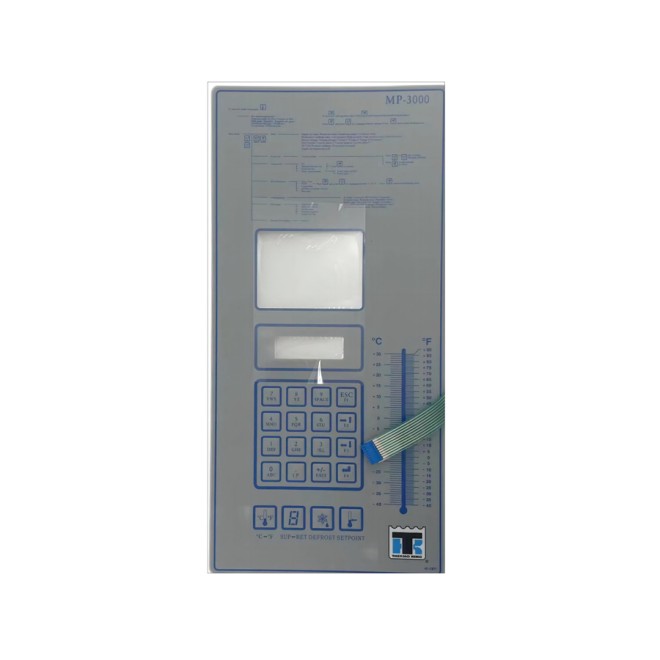
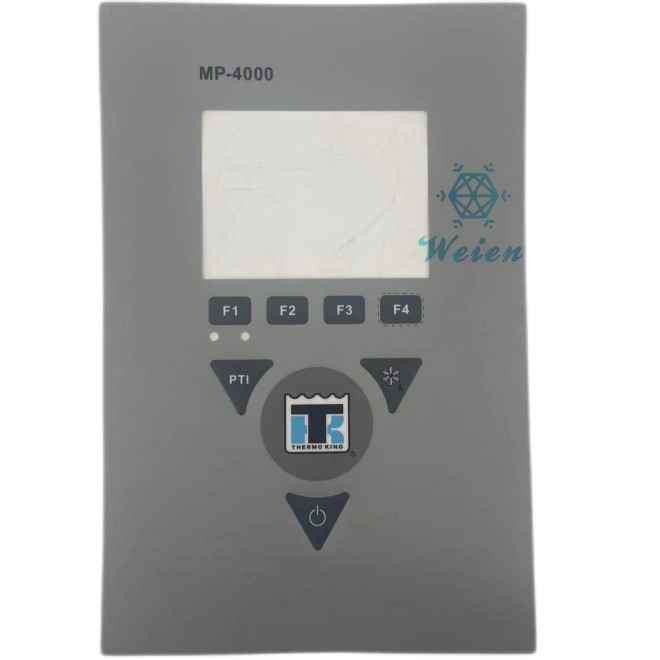
Bulk shipments transported via refrigerated containers across road and rail corridors require total hardware durability. Solid-state relay modules, heavy-duty ABS or polycarbonate housings, and reliable user interfaces (such as VGA displays and tactile keypads) allow terminal technicians to quickly audit cycle histories, clear error codes, and override automated routines during urgent cross-docking bottlenecks. When moving vulnerable commodities like premium meats or frozen pastries, the controller ensures strict compliance with HACCP, FSMA, and Good Distribution Practices (GDP).
Whether you are setting up a new refrigeration system or maintaining existing equipment, we provide flexible solutions for both commercial and industrial applications. Our clients include cold storage warehouses, food processing plants, supermarket chains, transport refrigeration companies, and logistics providers.
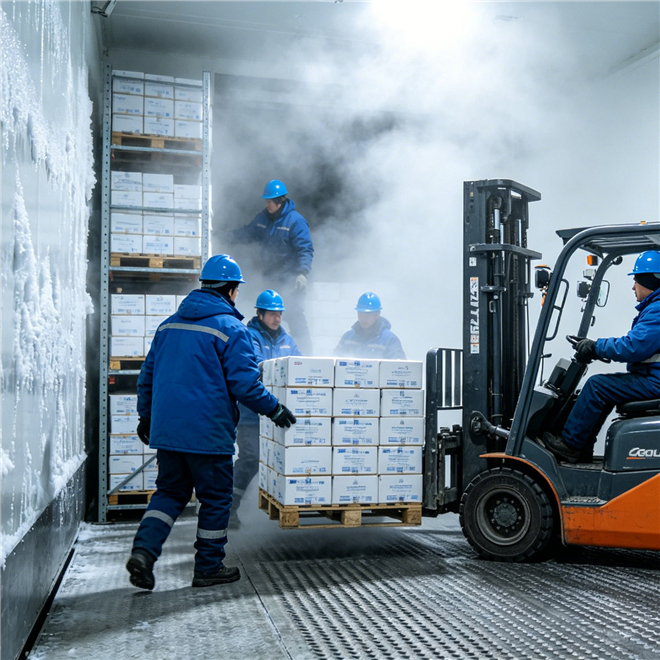
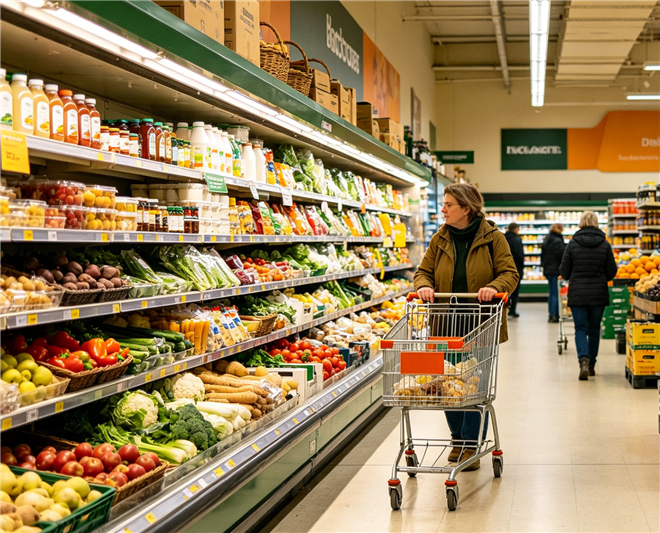
Lies in our extensive inventory and product diversity — reducing the need for multiple suppliers and simplifying your procurement process. By consolidating your sourcing with us, you save time, reduce shipping costs, and minimize administrative overhead.
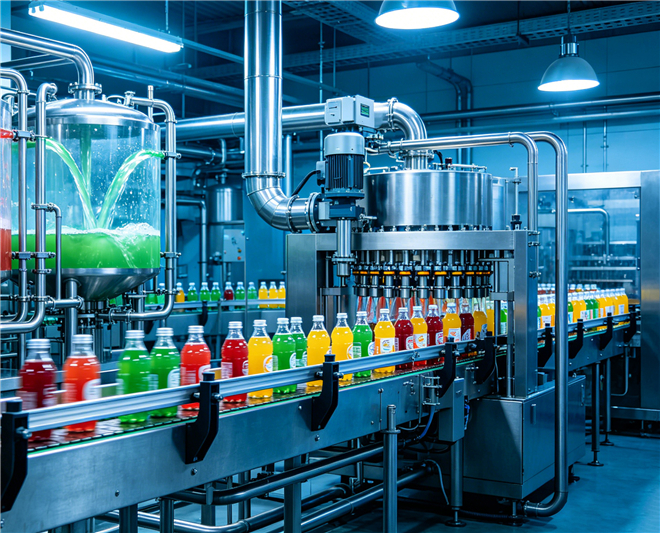
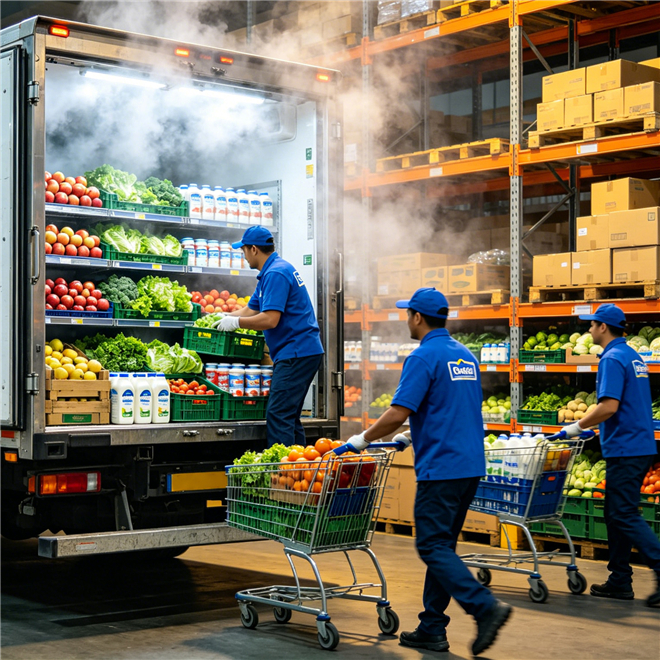
At Xinchang Weien, customer satisfaction is at the core of what we do. With solid industry expertise and a commitment to reliable service, we don't just supply products — we aim to exceed your expectations and support the long-term success of your refrigeration operations. Contact us today to experience the convenience of one-stop refrigeration sourcing.
The evolution of transport refrigeration controls as electrified fleets and artificial intelligence redefine supply chain standards.
The electrification of light-duty and heavy-duty logistics fleets is transforming auxiliary power dynamics. In an electric vehicle (EV) reefer configuration, every watt-hour spent on defrost heaters directly reduces vehicle driving range. Future defrost controllers utilize machine learning models that assess weather forecasts, ambient humidity sensors, cargo thermal inertia, and GPS route data to schedule defrosting during stationary grid charging stops or periods of minimum thermal impact.
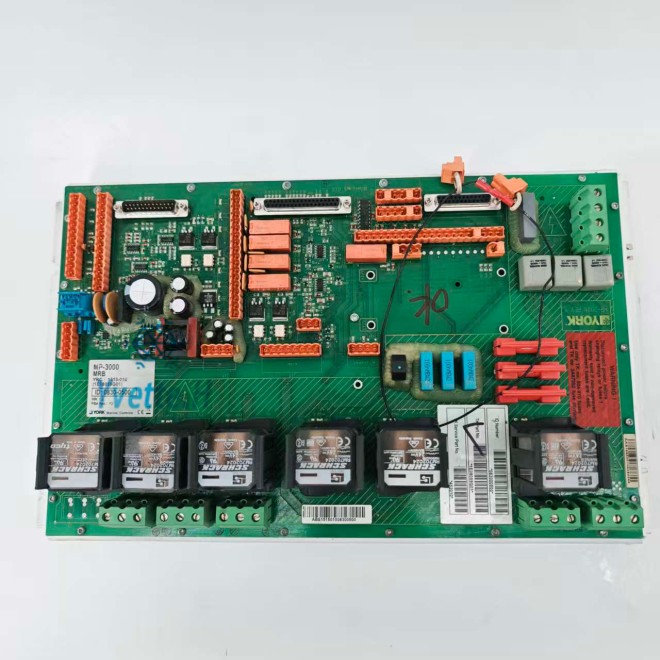
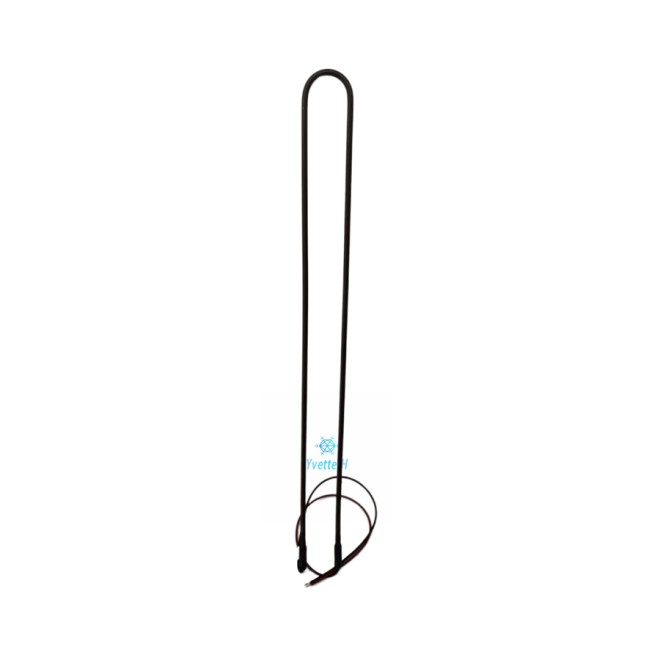
Simultaneously, regulatory shifts toward natural refrigerants (such as R290 propane and R744 CO2) demand ultra-responsive control mechanisms. CO2 transcritical mobile units operate at elevated pressures, requiring defrost controllers that modulate hot-gas flow with microsecond responsiveness to ensure balanced evaporator defrosting without triggering high-pressure safety cutouts. High-efficiency replacement screens, robust keypads, reliable heater rods, and industrial-grade relay boards form the mechanical and electronic cornerstone of this evolving infrastructure.
Browse our complete catalog of OEM-compatible replacement screens, main boards, electric heating elements, and input interfaces designed for Carrier Transicold, Thermo King, and Star Cool units.