Leave Your Message
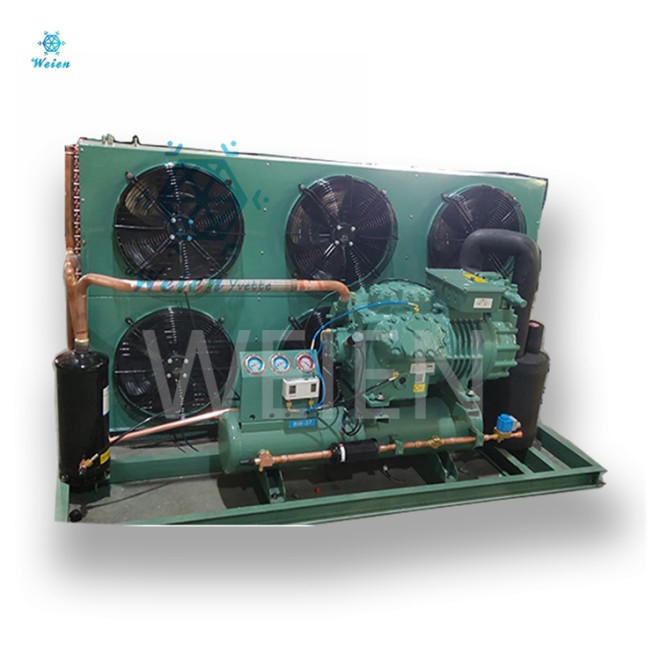
In the commercial and industrial refrigeration sector, thermal management efficiency is paramount. A ducted condensing unit serves as the heartbeat of split refrigeration and ducted HVAC systems. Unlike traditional outdoor open-air condensing units, ducted systems route intake and exhaust air through dedicated ducts. This configuration allows for indoor installations, lower noise pollution, precise airflow direction, and superior protection from harsh environmental elements.
For facility managers, HVAC engineers, and refrigeration technicians, maintaining these units is critical to preventing downtime. A minor failure in a compressor or a faulty sensor can lead to cascading system failures, resulting in substantial losses in temperature-sensitive environments like cold storages, supermarkets, and pharmaceutical warehouses.
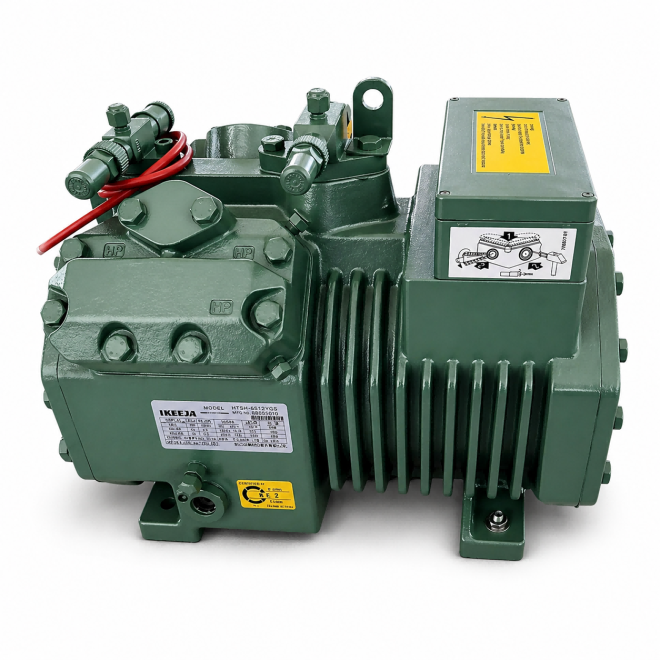
The global demand for reliable cooling solutions is surging, driven by the expansion of the cold chain logistics network, pharmaceutical storage regulations, and the growth of large-scale commercial real estate. At the core of this demand is the HVAC/R compressor. Whether semi-hermetic, hermetic, or screw-type, the compressor requires regular maintenance and high-quality replacement parts to run at peak efficiency.
Governments worldwide are tightening energy standards (such as SEER and COP metrics). A poorly maintained ducted condensing unit with worn-out compressor valves or failing capacitors consumes up to 30% more electricity, increasing operational costs dramatically.
The industry is transitioning toward low-GWP (Global Warming Potential) refrigerants. Upgrading existing ducted condensing systems to handle these new refrigerants requires precise modifications, including compatible thermistors, sensors, and robust electrical components.
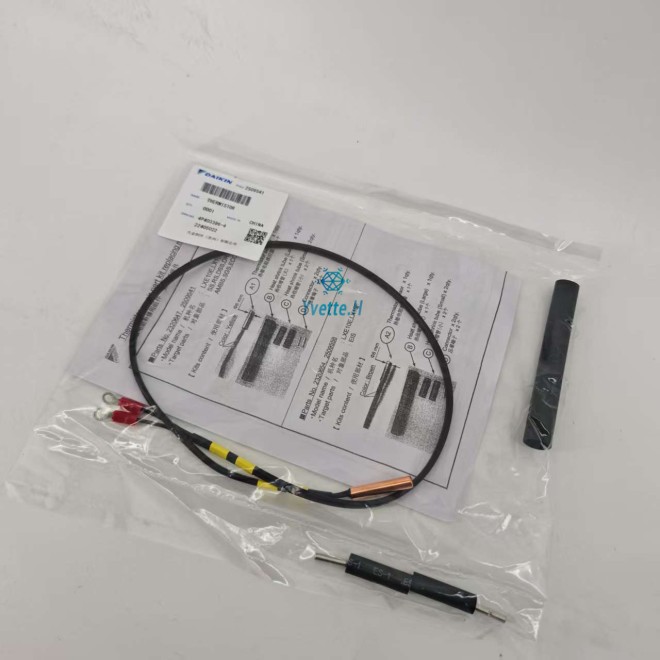
Modern refrigeration units rely heavily on electronic controllers and plastic overlay panels for real-time monitoring. Precision sensors, like the Daikin-compatible EOS thermistor, feed data to smart controllers to catch compressor anomalies before a catastrophic breakdown occurs.



Ducted condensing units and their associated compressors find application in various demanding commercial and industrial sectors. Understanding these applications helps in choosing the right maintenance strategy and replacement parts:
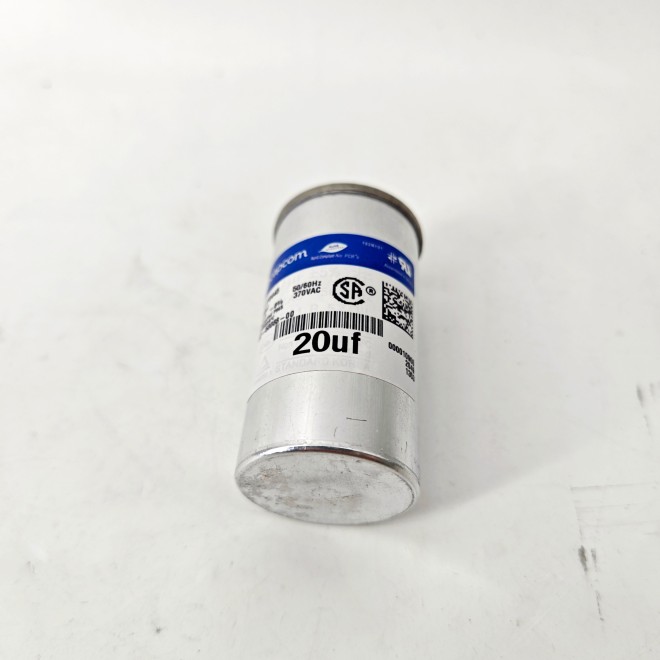
Marine cargo containers (reefers) carry billions of dollars in perishable goods daily across oceans. These systems operate under harsh, high-salt, and highly humid environments. Components like the Carrier Transicold reefer unit capacitor motor (22-50088-00) or Daikin controller parts must meet stringent marine-grade standards. A single failing capacitor can stop the condenser fan, causing the compressor to overheat and trigger high-pressure cut-outs, spoiling the entire cargo.
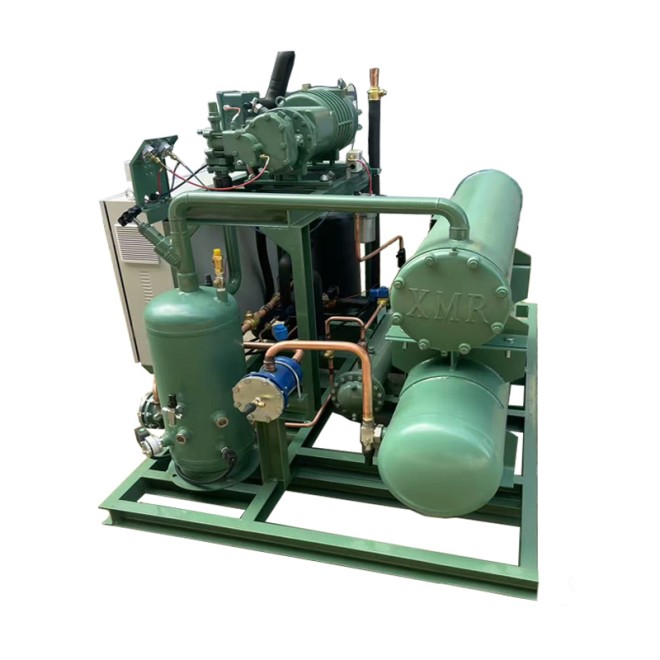
Large cold storage facilities utilize high-capacity semi-hermetic or screw compressor condensing units. Screw compressors, equipped with water- or air-cooled copper coils, are chosen for their high efficiency under continuous loads. Maintenance in these facilities involves monitoring oil lubrication systems, replacing worn piston rings, and ensuring the thermistors accurately read coil temperatures to manage defrost cycles efficiently.
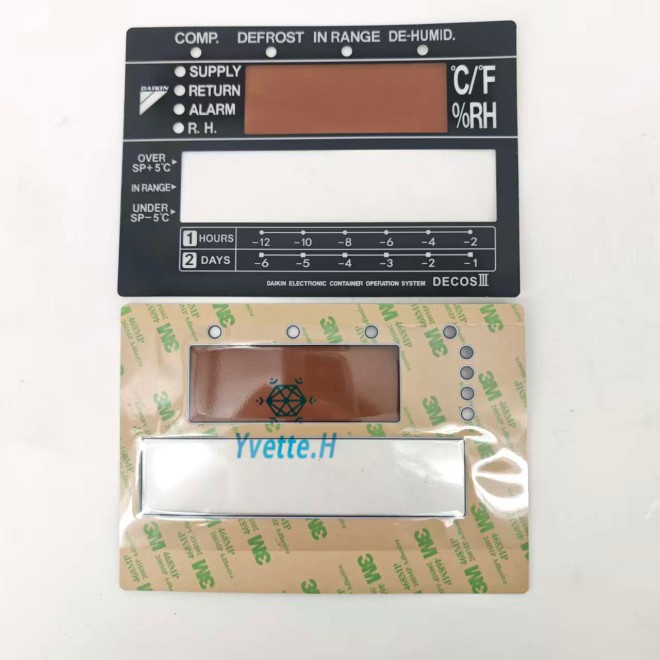
In retail, aesthetics and noise levels matter. Ducted condensing units are often hidden in mechanical rooms, venting heat through roof ducts. The reliability of these systems depends on precise control overlay panels (like the Daikin DECOS III replacement overlays) that allow technicians to program and monitor temperatures easily. Keeping spare overlays and sensors on hand minimizes system downtime during critical sales periods.
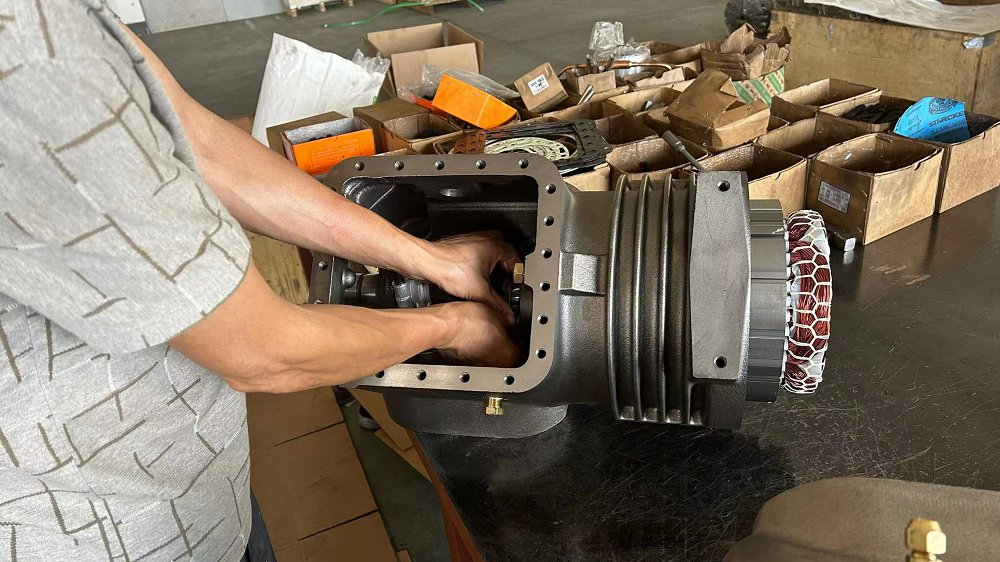

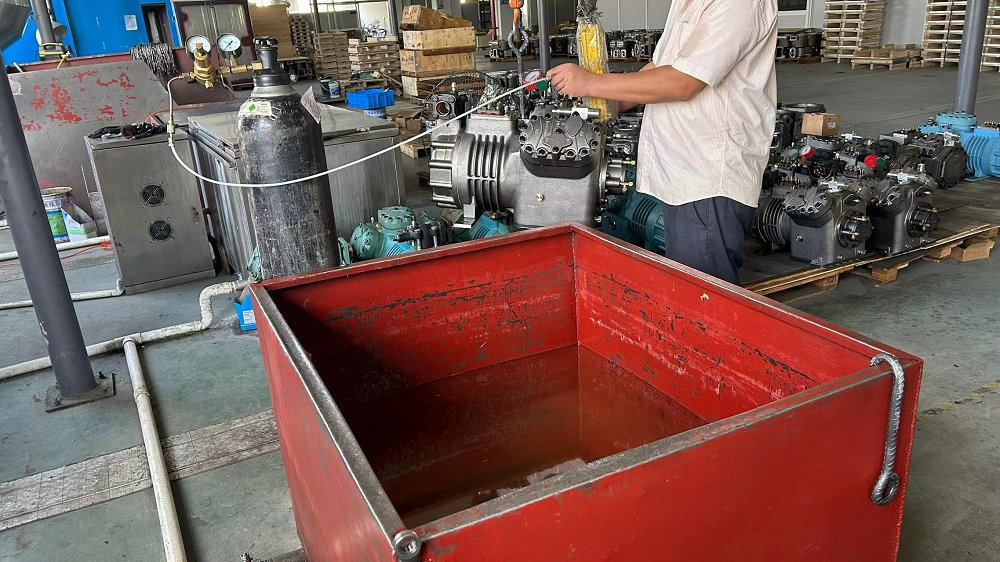
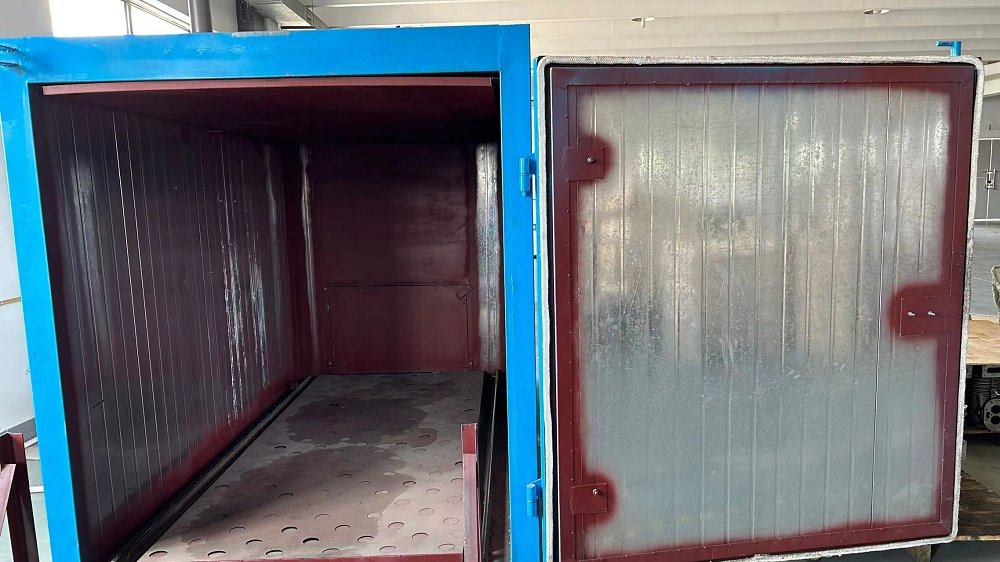
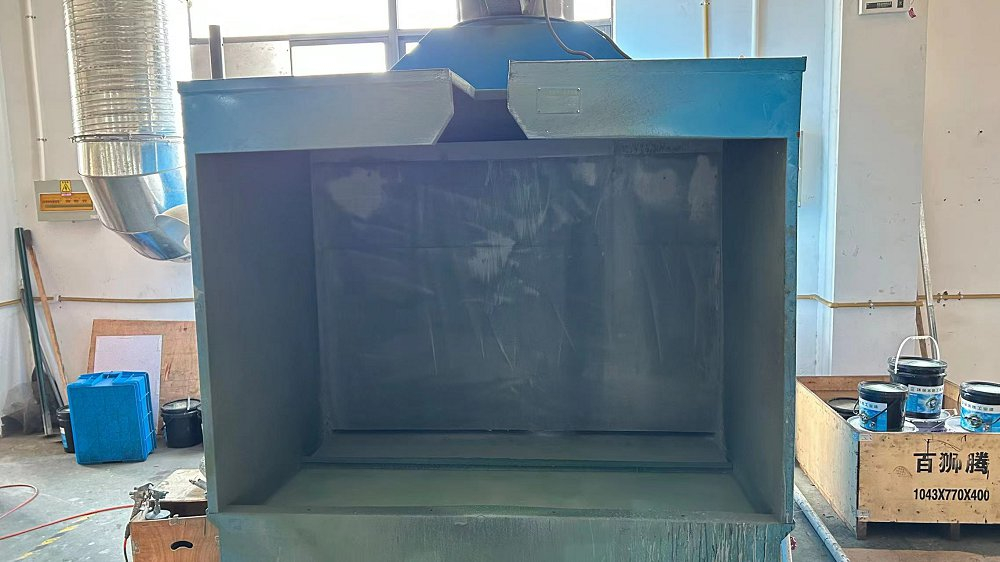
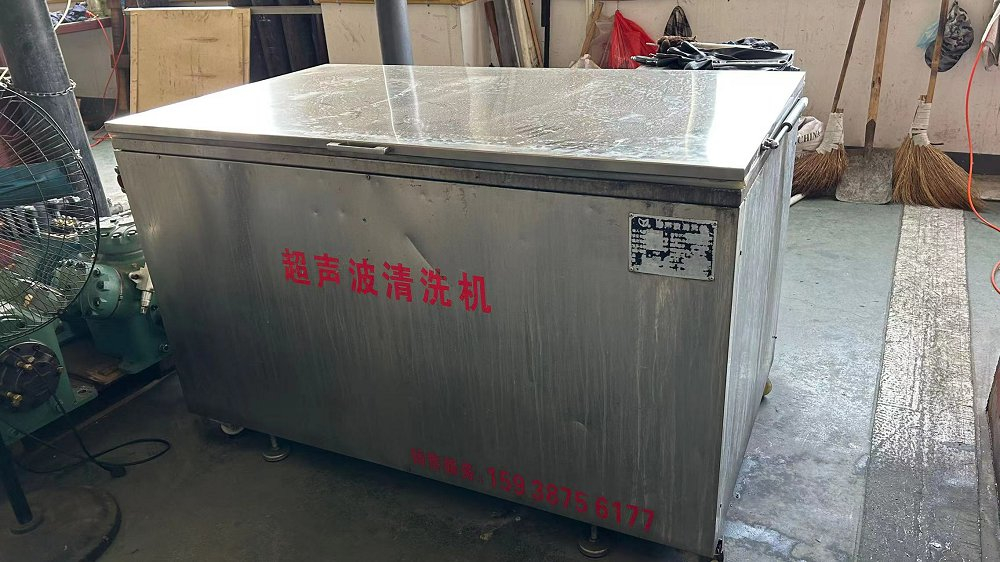
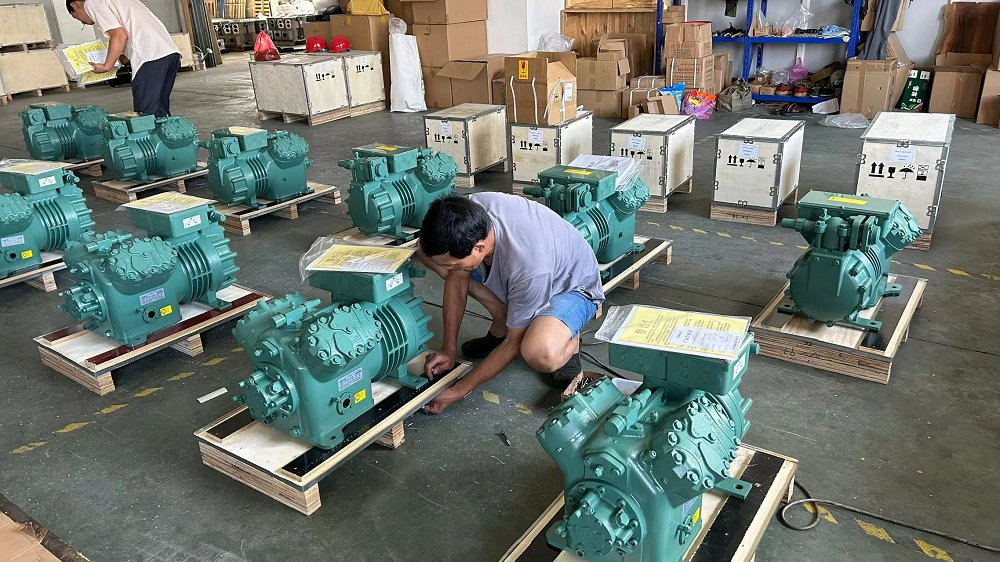
To prolong the service life of your ducted condensing units and avoid costly system breakdowns, a structured preventative maintenance program is essential. Here are the key areas technicians must inspect:
Electrical failure is a leading cause of compressor burnout. Inspect capacitor motors, contactors, and relays regularly. Weak capacitors (such as a 20UF capacitor for Carrier Transicold reefers) can fail to start the motor, resulting in high locked-rotor amps (LRA) that quickly destroy the compressor windings.
Modern systems rely on sensors like the Daikin 2509541 Thermistor EOS to report accurate temperature data. If a thermistor drifts out of calibration, the controller may fail to detect low-suction temperatures, leading to liquid slugging, which mechanically destroys the compressor pistons and valve plates.
Compressors need proper lubrication to minimize friction between moving parts like connecting rods, pistons, and crankshafts. Check oil levels through the sight glass. Dark or contaminated oil indicates acid formation or mechanical wear, requiring an immediate oil change and filter replacement.
In ducted condensing units, air is drawn through ductwork. If the filters or copper coils become clogged with dust, heat transfer efficiency drops. This forces the compressor to run at higher discharge pressures and temperatures, reducing the unit's lifespan and increasing energy draw.