Leave Your Message
In modern industrial manufacturing, food processing logistics, chemical engineering, and pharmaceutical cold supply chains, industrial refrigeration systems represent the single largest electrical energy consumer within facilities. As aging cold storage infrastructure encounters deteriorating heat transfer performance, mechanical wear in reciprocating or screw compressors, refrigerant leaks, and heightened compliance enforcement around fluorinated greenhouse gases (F-Gas regulations and global HFC phase-downs), plant facility engineers face a critical decision point: full capital equipment replacement or strategic refrigeration system overhauling.
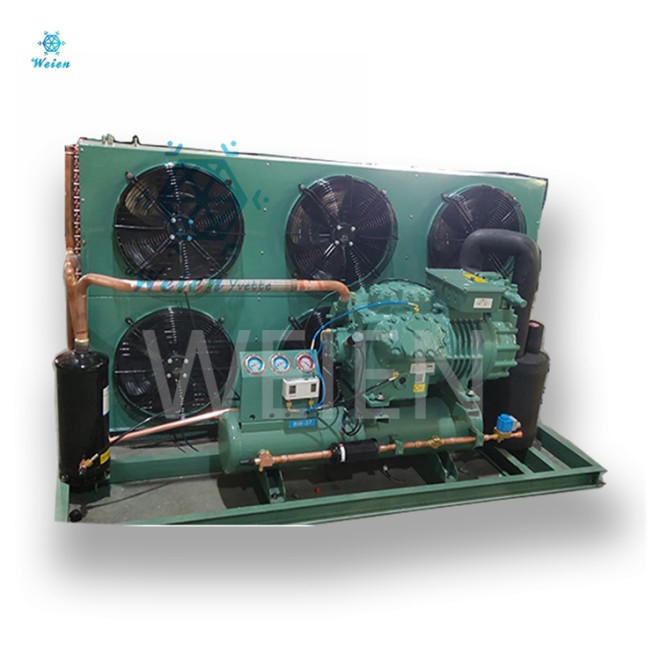
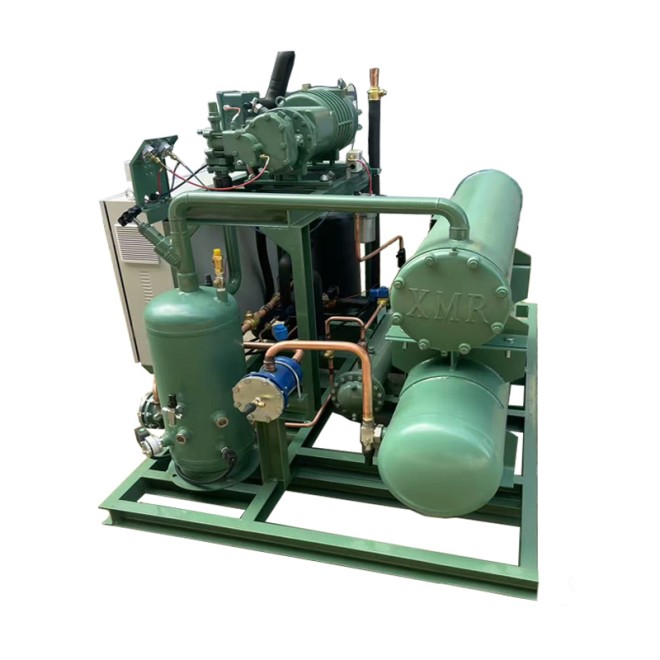
Deploying a Ducted Condensing Unit for Industrial Refrigeration System Overhauling has emerged as the premier engineering strategy for facility modernization. Unlike standard open-frame outdoor condensing units, ducted condensing configurations provide complete environmental isolation, precise ductwork airflow management, variable static pressure control, and superior acoustic attenuation. By retrofitting legacy refrigeration systems with high-static, ducted condensing assemblies, industrial operators can retain existing structural layout and interior piping networks while upgrading core thermodynamic efficiency by up to 35%.
Integrates variable-frequency inverter scroll and screw compressors with microchannel ducted condensers to lower power draw during part-load operating regimes.
Designed for harsh ambient conditions, marine salt spray, coastal moisture, and heavy industrial dust using anti-corrosion hydrophilic copper-aluminum coatings.
Centrifugal and EC plug fans enable high external static pressure (ESP), permitting indoor installation with external discharge ducting to eliminate urban noise pollution.
When executing an industrial refrigeration system overhaul, mechanical engineers frequently encounter physical site constraints. Traditional outdoor air-cooled condensing units require substantial open perimeter space to prevent thermal short-circuiting—where hot discharge air recirculates back into the condenser coil intake. In dense industrial parks, indoor processing facilities, or underground marine cargo spaces, finding adequate outdoor footprint for massive condenser banks is often impossible.
Ducted condensing units utilize high External Static Pressure (ESP) centrifugal fans or electronic commutated (EC) motorized blowers. This allows the condensing unit to be positioned internally within a mechanical plant room. Intake air is drawn via insulated intake louvers, and hot condenser exhaust gas is forcefully ejected through custom sheet-metal ductwork far above the facility roofline, completely eliminating heat recirculation and urban ambient thermal degradation.
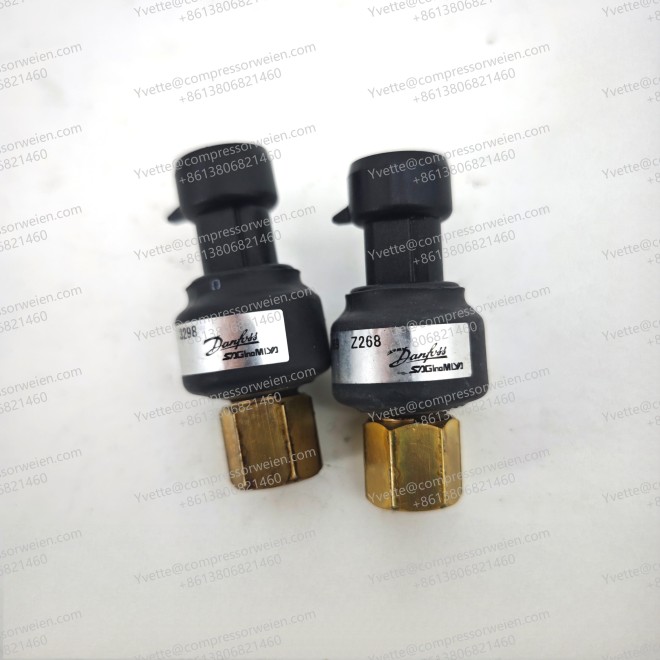
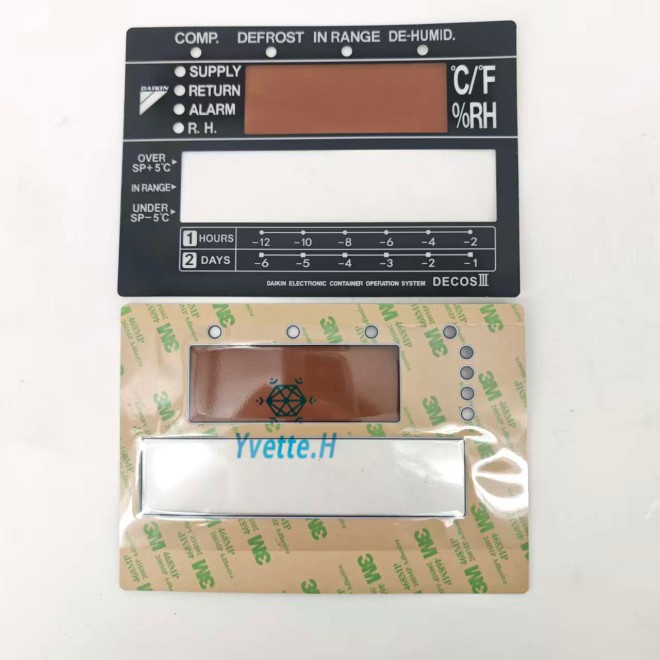
During system overhauling, upgrading to ducted condensing units allows seamless integration with modern electronic expansion valves (EEVs), digital scroll unloading, and precise sensor feedback loops (such as Daikin DECOS III controllers and Star Cool 0-30 bar pressure transmitters). This ensures hyper-stable suction pressure management, avoiding temperature spikes in deep-freeze or cleanroom operations.
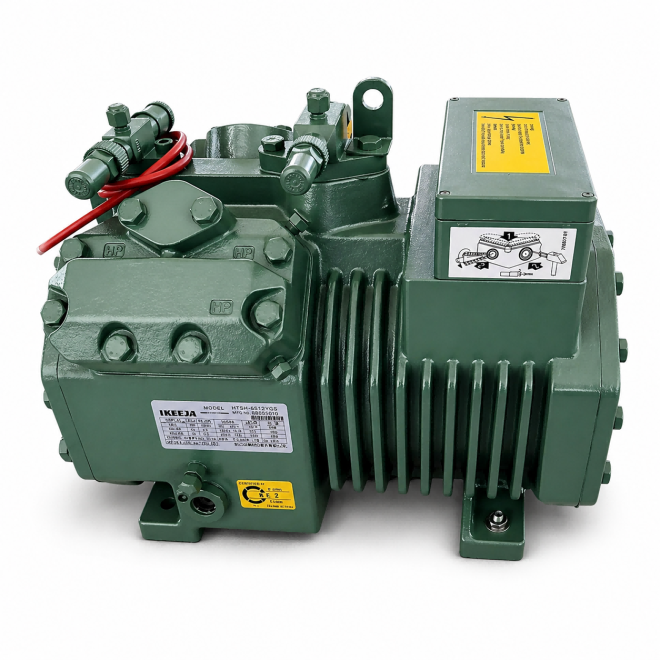
Industrial ducted condensing systems can be retrofitted with inline desuperheaters or heat-recovery water coils within the exhaust duct stream. The high-grade superheated discharge gas from semi-hermetic piston or screw compressors (such as 5HP 4FC-5.2 / 4FES-5 semi-hermetic models) captures rejected condensation heat, converting it into free process hot water for plant sanitation and defrosting.
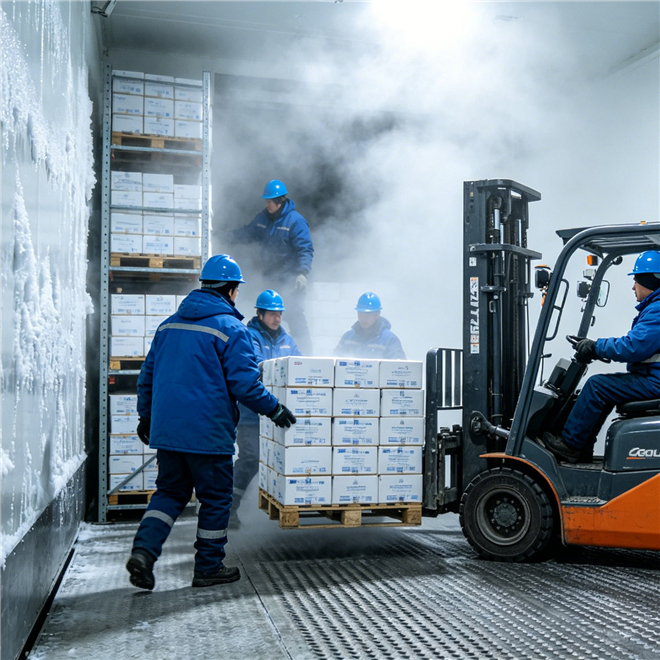

Lies in our extensive inventory and product diversity — reducing the need for multiple suppliers and simplifying your procurement process. By consolidating your sourcing with us, you save time, reduce shipping costs, and minimize administrative overhead.
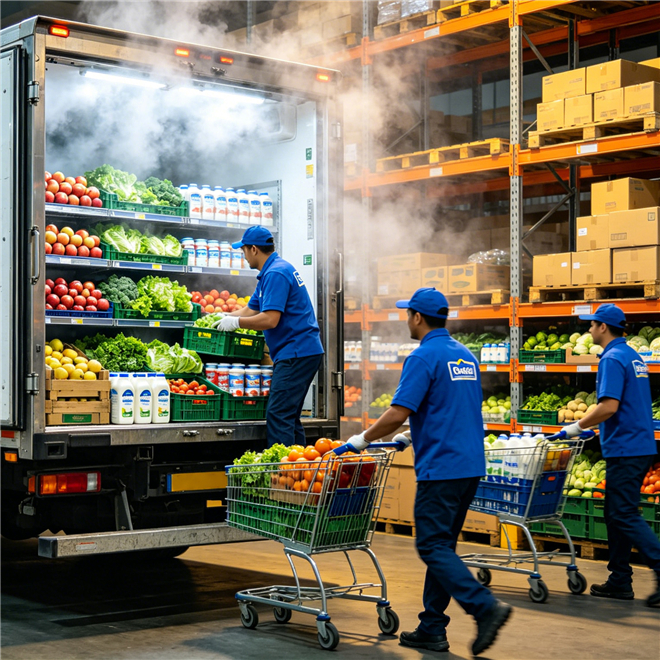
At Xinchang Weien, customer satisfaction is at the core of what we do. With solid industry expertise and a commitment to reliable service, we don't just supply products — we aim to exceed your expectations and support the long-term success of your refrigeration operations. Contact us today to experience the convenience of one-stop refrigeration sourcing.
Industrial refrigeration overhauling is never a one-size-fits-all process. The specialized thermal characteristics of ducted condensing units allow system integrators to overcome geographic, environmental, and spatial limitations across key commercial industries:
In large distribution facilities storing frozen meat, produce, and dairy, retrofitting with ducted screw compressor condensing units provides steady volumetric capacity control. Ducted arrangements allow heat to be extracted directly from indoor machinery shafts, insulating the plant against ambient summer peaks exceeding 45°C.
Blast freezers require rapid pulldown times and extreme suction pressure stability. Ducted condensing units equipped with semi-hermetic piston compressors (such as 4FC-5.2 and 4FES-5 platforms) deliver high displacement efficiency, while ducted exhaust protects processing workers from noise and hot discharge streams.
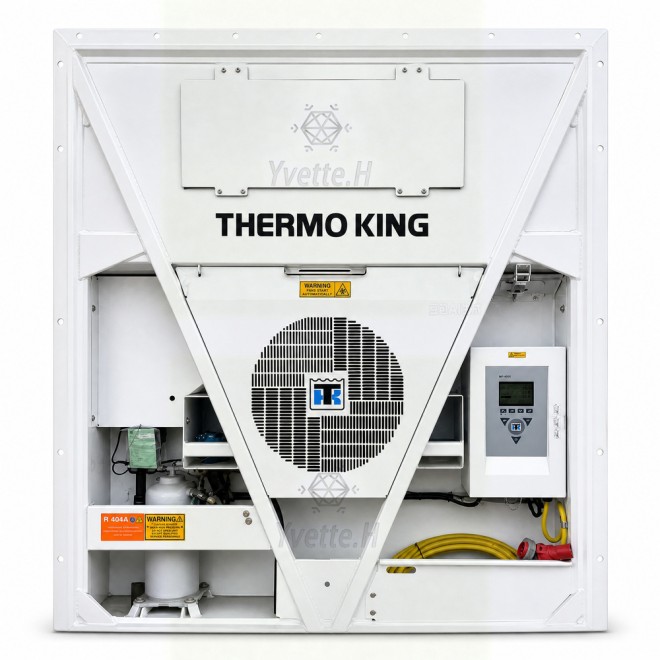
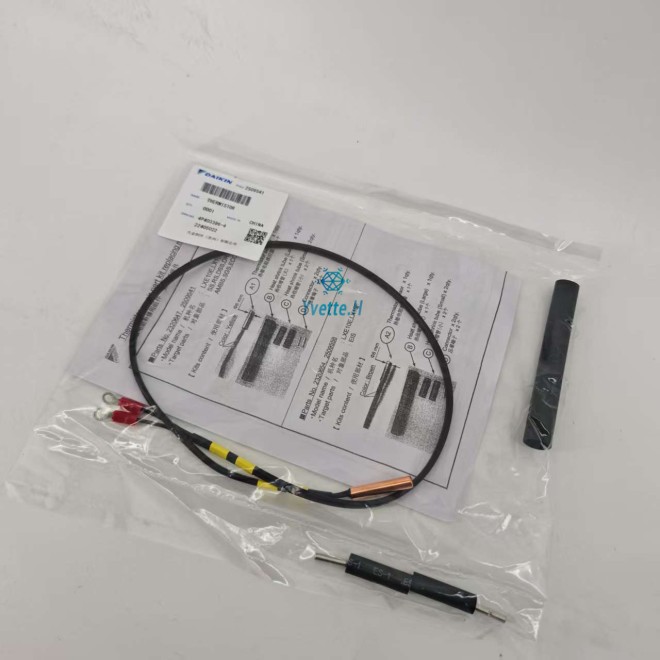
Marine container ports handling shipping units (such as Thermo King Magnum Plus MP4000 and Daikin DECOS III reefers) require precision replacement parts, thermistor EOS sensors, pressure transducers, and robust heavy-duty condensing coils that withstand high-salinity maritime environments.
Strict FDA and GxP validation requires cleanroom ambient temperatures to remain within narrow tolerances. Ducted condensing systems positioned outside clean air zones eliminate airborne particulate contamination, while offering continuous 24/7 variable static pressure regulation.
Achieving peak performance and maximum longevity during an industrial refrigeration overhaul requires a methodical step-by-step installation and retrofitting protocol:
Conduct a comprehensive thermal load calculation accounting for internal heat loads, insulation R-values, wall heat transfer, and door infiltration. Calculate total external static pressure (ESP) resistance across intake louvers, internal duct runs, and discharge grilles to properly sizing duct blower motors.
When replacing legacy units operating on R22 or R404A with modern low-GWP refrigerants (such as R448A, R449A, or R513A), replace synthetic POE lubricant, flush line sets, and verify oil return velocities across long ducted piping risers.
Mount heavy-duty screw or semi-hermetic compressor condensing units on anti-vibration rubber isolation pads. Ensure the ducted condenser copper coil is protected with anti-corrosive coatings when installed in humid or chemically active environments.
Install high-accuracy replacement components including 819504C pressure transmitters (0-30 bar), 2509541 thermistor EOS sensors, and display overlay panels (such as Daikin DECOS III overlays) to ensure direct microprocessor communication with plant automation systems.
Evacuate the system down to 500 microns to eliminate non-condensable gases and moisture. Charge with precise refrigerant weight, record superheat and subcooling values, and test automated duct fan modulation under peak summer condensing temperatures.
The industrial refrigeration landscape is evolving rapidly under the dual pressures of decarbonization and digitalization. Moving forward, ducted condensing unit retrofits will incorporate several cutting-edge innovations:
Transition towards transcritical R744 (CO2) and R290 (Propane) ducted units designed with ultra-high pressure steel copper piping, meeting zero-ODP and near-zero GWP standards.
Embedding micro-sensors directly within compressor housings to track vibration harmonics, oil viscosity decay, and motor winding temperature anomalies prior to mechanical failure.
Adoption of 100% aluminum microchannel ducted condenser coils, reducing total refrigerant charge requirements by up to 40% while enhancing thermal surface contact efficiency.