Leave Your Message
High-reliability ducted condensing units, sensors, and field-tested components optimized for rapid transport refrigeration overhaul.
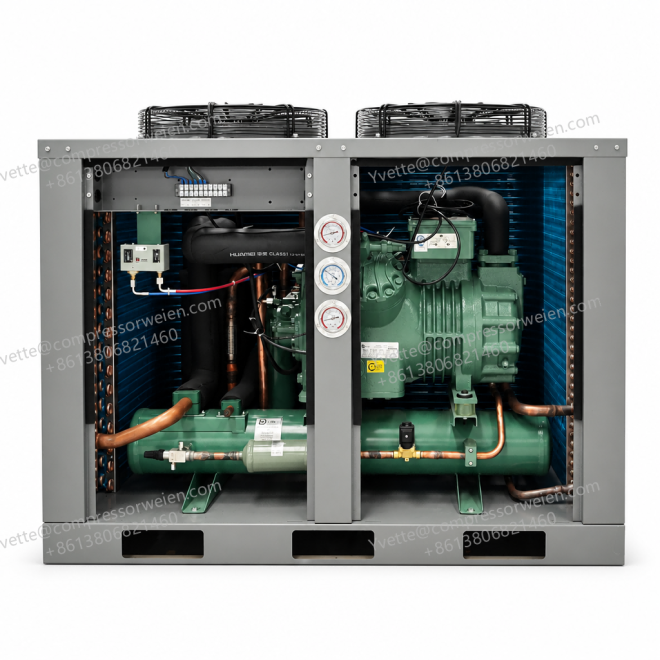
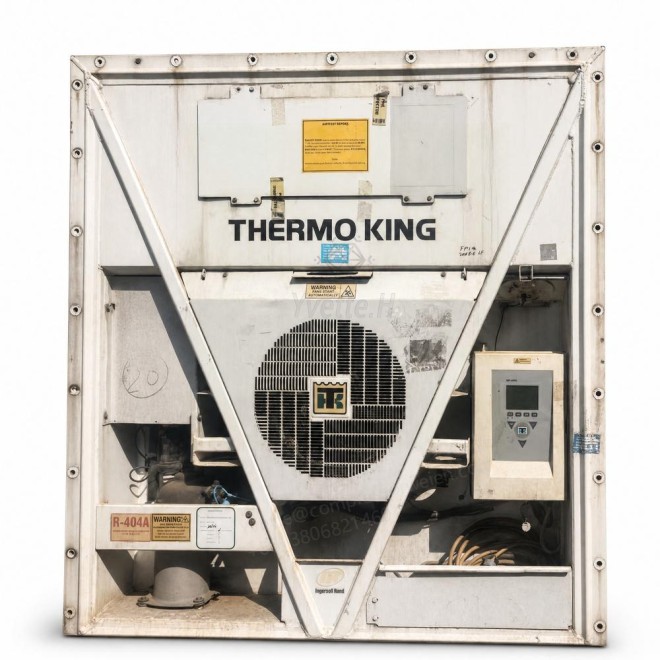
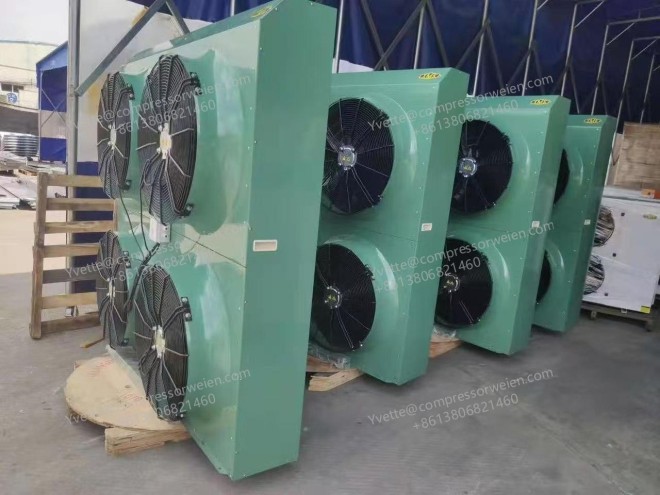
In global cold chain logistics, mobile temperature control relies heavily on thermodynamic stability. Transport Refrigeration Units (TRUs)—whether deployed on cross-country reefer semi-trailers, intermodal ocean containers, or rail wagons—operate under harsh mechanical and environmental conditions. Among all cooling sub-assemblies, ducted condensing units handle continuous high-pressure gas heat rejection, making their structural integrity and operational efficiency central to operational uptime.
When condensing units degrade from fin corrosion, micro-channel leaks, road vibration fractures, or mechanical compressor wear, the consequences extend far beyond delayed freight. A failure in subcooling temperature margins leads directly to thermal excursion, spoilage of high-value biopharmaceuticals, perishable fruit ripening, and costly regulatory compliance violations. Replacing, repairing, and retrofitting ducted condensing units with industrial-grade systems restored to factory tolerances has emerged as an essential practice for fleet directors and depot operators worldwide.
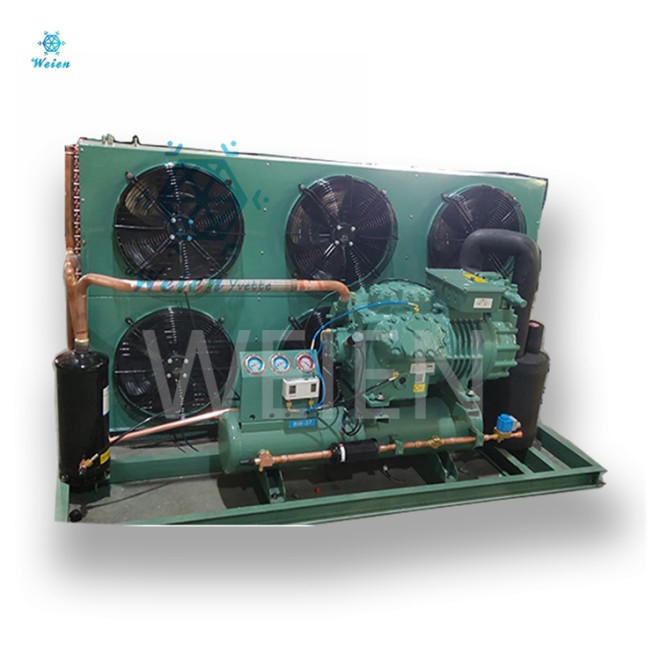
Optimized static airflow designs prevent thermal recirculation and dissipate high head pressures during extreme idling in summer transit.
Heavy-duty reinforced copper-tube circuitry and semi-hermetic mounts engineered to withstand constant G-forces and road impacts.
Seamless integration with precision thermistors and electronic expansion valves guarantees narrow deadband temperature curves.
Historically, early transport cooling designs mounted exposed fan arrays directly opposite engine bays or under-chassis belly boxes. However, exposure to road salt, gravel spray, highway detritus, and water splash frequently caused early coil oxidation and bent aluminum fins. This spurred modern fleet engineers toward engineered ducted condensing unit architectures.
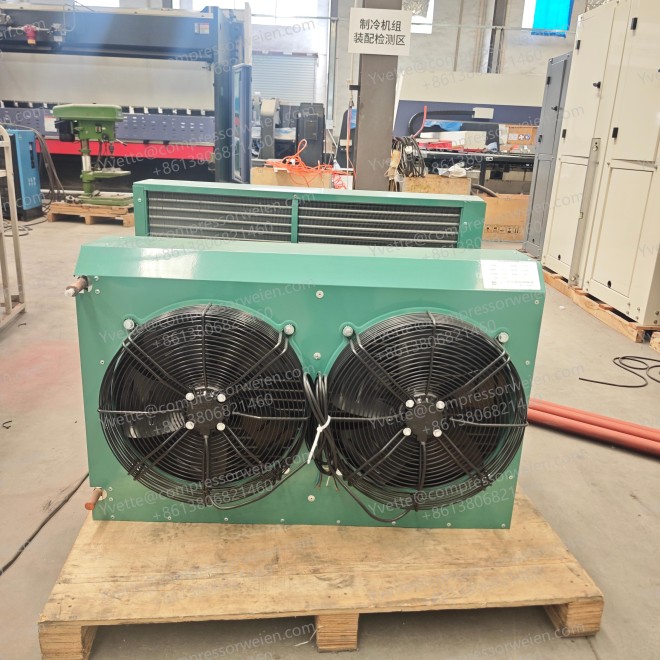
A ducted condensing unit utilizes contoured air intake cowlings, internal directional baffles, and tuned outlet plenums. This layout offers several operational advantages during maintenance overhauls:
Unlike stationary commercial cold storage installations operating in controlled machine rooms, transport refrigeration maintenance addresses severe dynamic loads. When a technician services or retrofits a ducted condensing assembly on a mobile platform, several engineering parameters dictate success:
Urban delivery trucks endure stop-and-go cycles where low engine RPMs minimize baseline airflow, causing condenser saturation and thermal spike. Ducted units configured with high-efficiency axial fans and precision multi-pass coils draw cooler laminar air effectively, lowering condensing temperatures by 4°C to 7°C compared to distressed OEM modules. This temperature delta saves fuel and prevents thermal overload tripping.
Marine containers face continuous salt-laden sea air, while long-haul reefer trailers endure magnesium chloride de-icing compounds on winter highways. During repair cycles, replacing worn units with thick-walled rifled copper tubes paired with hydrophilic coated aluminum fins or electrophoretic immersion coatings prevents pitting corrosion and refrigerant gas leakage over multi-year duty cycles.
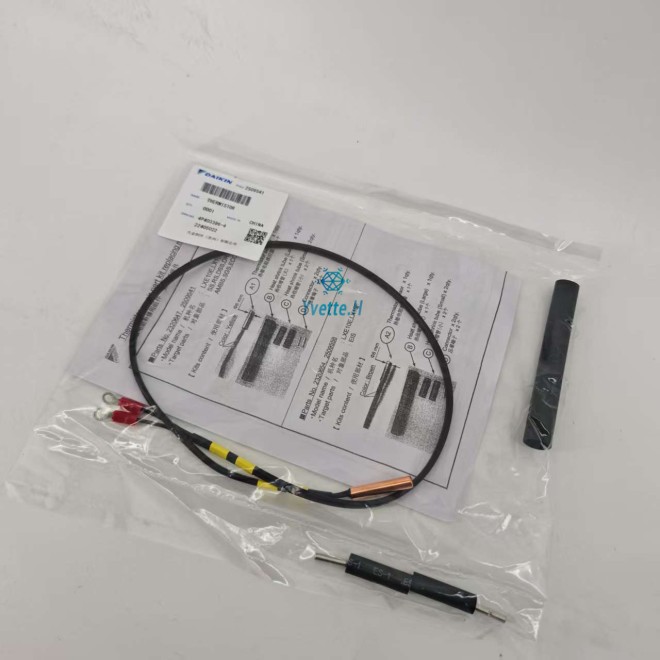
Modern sustainability frameworks require retrofitting legacy R-404A systems with low-GWP alternatives such as R-452A, R-448A, or R-449A. These alternative blends exhibit varying glide characteristics and higher discharge temperatures. During overhaul, pairing ducted condensing coils with precision sensor replacements (such as the 2509541 Thermistor EOS sensor) guarantees the electronic expansion valve modulates correctly, protecting compressor health across extreme load swings.
Achieving dependable performance after a major condenser failure demands disciplined diagnostic and physical installation procedures:
Whether you are setting up a new refrigeration system or maintaining existing equipment, we provide flexible solutions for both commercial and industrial applications. Our clients include cold storage warehouses, food processing plants, supermarket chains, transport refrigeration companies, and logistics providers.
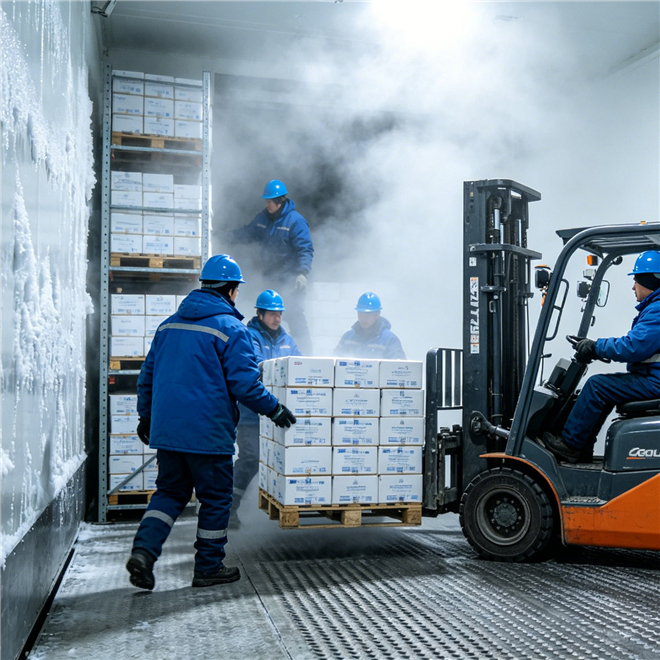

Lies in our extensive inventory and product diversity — reducing the need for multiple suppliers and simplifying your procurement process. By consolidating your sourcing with us, you save time, reduce shipping costs, and minimize administrative overhead.
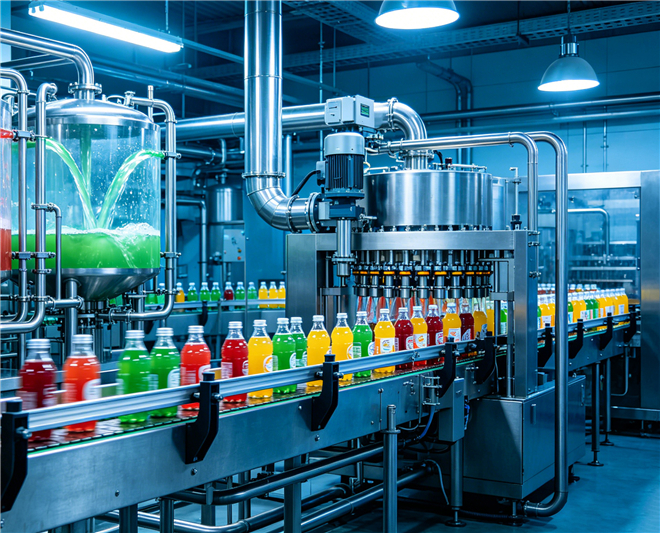
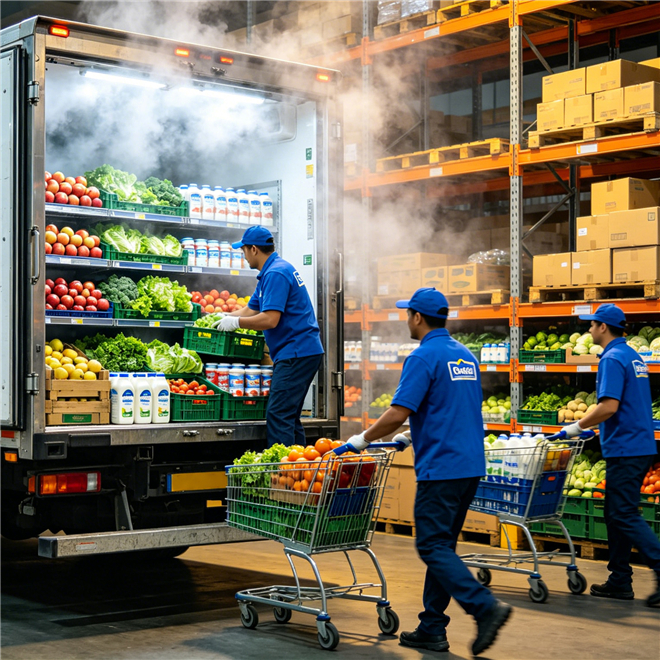
At Xinchang Weien, customer satisfaction is at the core of what we do. With solid industry expertise and a commitment to reliable service, we don't just supply products — we aim to exceed your expectations and support the long-term success of your refrigeration operations. Contact us today to experience the convenience of one-stop refrigeration sourcing.
Explore our comprehensive lineup of heavy-duty condensing packages, semi-hermetic configurations, and replacement parts engineered for mission-critical logistics and storage.