Leave Your Message
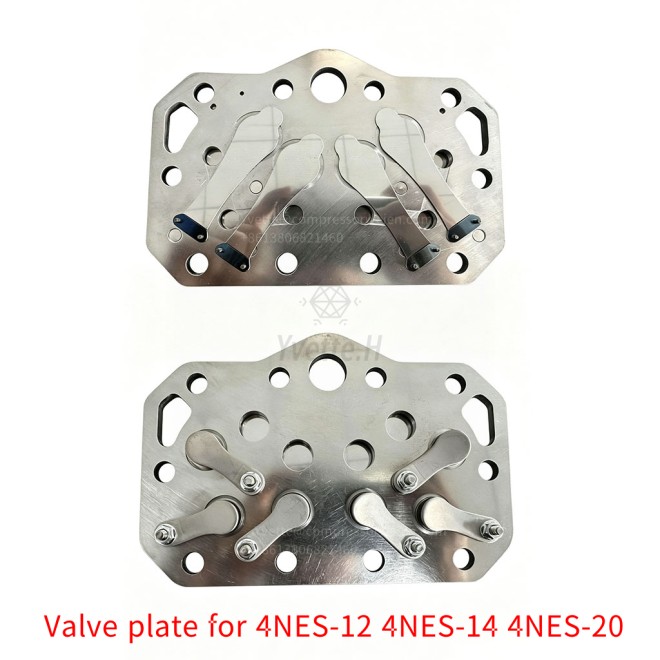
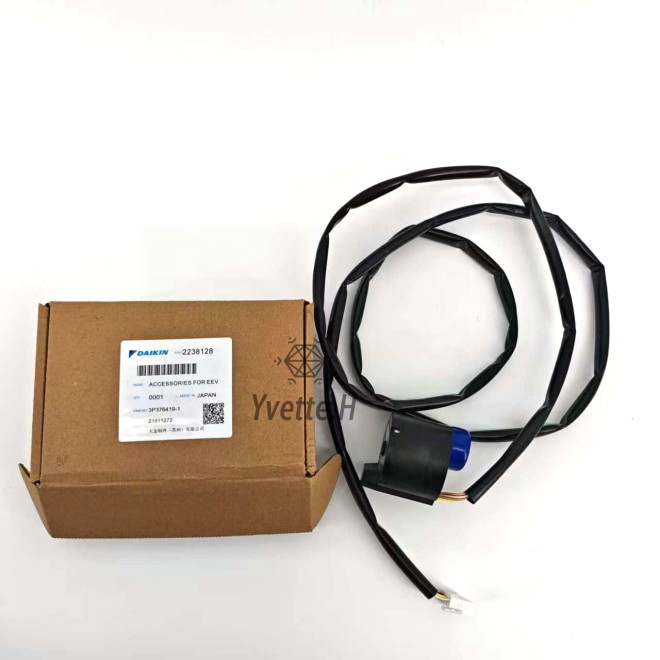
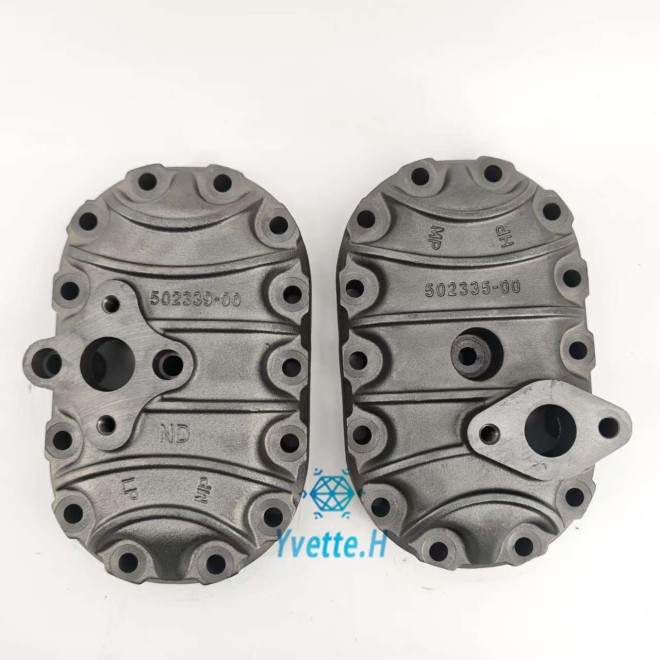
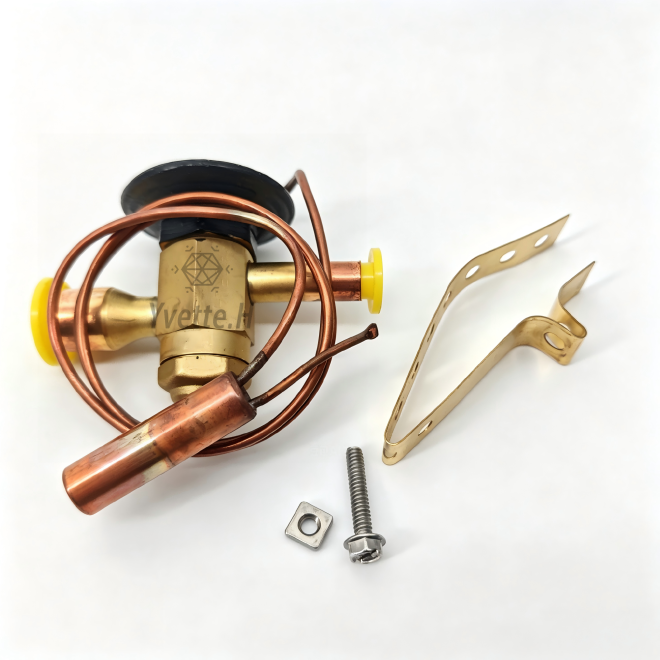
Featured field-proven components and precision-engineered assemblies specifically tailored for marine reefer maintenance, industrial chiller retrofitting, and compressor head rebuilds.
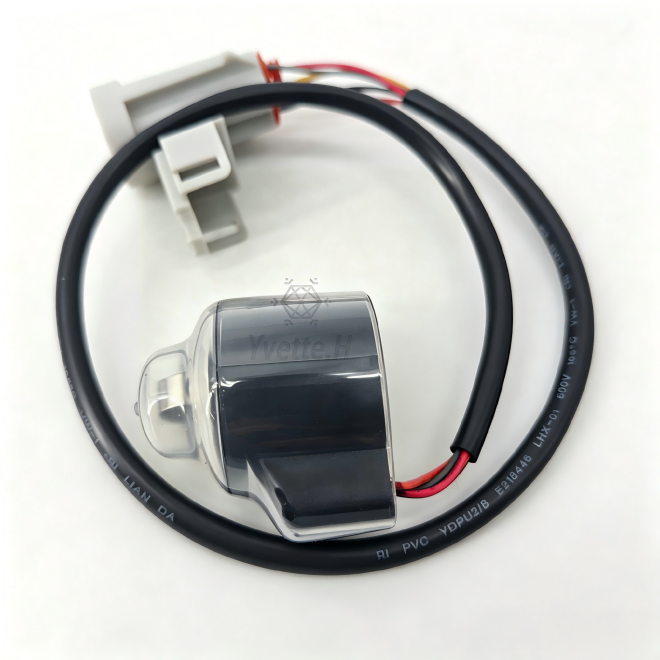
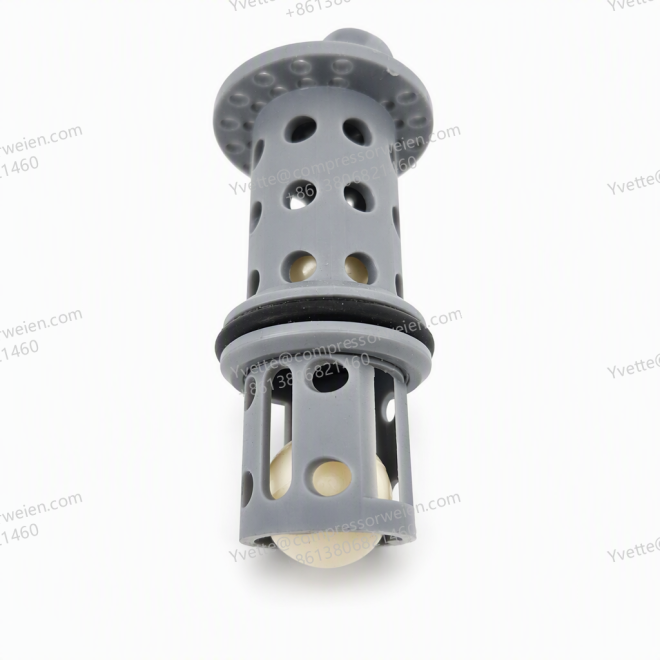
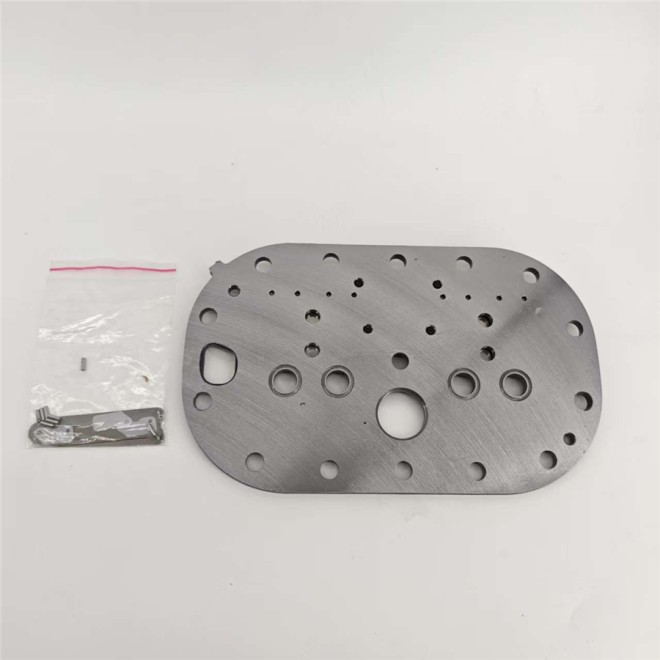
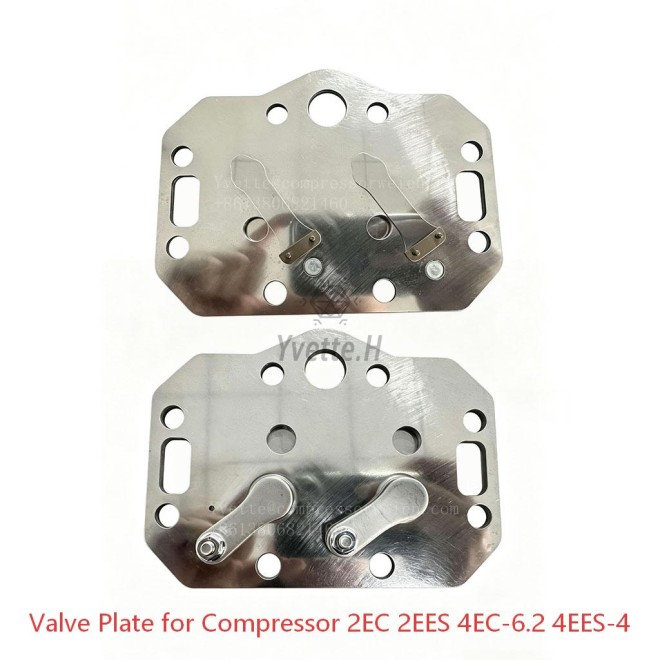
In large-capacity industrial plants, cooling demand fluctuates wildly. Integrating and recalibrating hot gas bypass systems during a major overhaul mitigates extreme pressure anomalies and protects critical mechanical capital.
When the thermal cooling load plummets below minimum compressor turn-down capacity, the bypass introduces metered discharge vapor into the low side, creating an artificial load that shields reciprocating and screw compressors from devastating vacuum cycling.
By guaranteeing that suction saturation temperatures never dip below the freezing threshold in chillers, bypass valves avert severe ice bridging on coil fins and catastrophic tube bundle freezing inside shell-and-tube heat exchangers.
Maintaining adequate volumetric gas velocity through the evaporator and suction line ensures continuous oil entrainment, eliminating lubricant pooling in field evaporators and preventing compressor bearing starvation during low-load intervals.
Industrial refrigeration plants operating in food preservation, chemical liquefaction, pharmaceuticals, and marine shipping face volatile load profiles. When industrial machinery operates under low-load conditions without adequate capacity modulation, suction pressures drop precipitously. A properly sized and meticulously maintained Hot Gas Bypass Valve (HGBV) acts as an automated modulating safety and stability conduit, routing high-pressure discharge gas directly into the low side to sustain minimum permissible suction pressure. Undertaking an industrial refrigeration system overhauling presents a paramount opportunity to inspect, recertify, retrofit, or replace these crucial pressure-regulating systems.
The global industrial refrigeration sector is navigating a pivotal transition phase. Older facilities utilizing synthetic HCFCs or high-GWP HFCs are undergoing rigorous modernization toward energy optimization and low-GWP refrigerants (such as R513A, R448A, R449A, CO2/R744, and Ammonia/R717). However, high-efficiency equipment operating at variable loads introduces immense thermal volatility. In multi-stage screw and semi-hermetic reciprocating systems (such as Copeland, Bitzer, Carrier, and Daikin installations), cycling motors on and off during partial loads induces severe electrical and mechanical stress, leading to contactor degradation, stator heat spikes, and premature valve plate rupture.
Consequently, precision modulating hot gas bypass valves and accompanying electronic expansion controls have transformed from secondary accessories into cornerstone assets of plant stability. Facility managers and overhaul contractors now prioritize comprehensive valve recalibration during scheduled decennial overhauls, knowing that valve drift or mechanical stiction leads directly to surging energy invoices, short-cycling, and compressor motor burnout.
During an overhaul, engineers must evaluate whether the existing bypass routing strategy matches the current operating load characteristics of the refurbished plant. Two main installation topologies dominate industrial engineering:
In this architecture, the bypass valve introduces high-temperature superheated discharge vapor directly between the primary expansion valve and the evaporator distributor.
Key Advantages: The bypass vapor travels completely through the evaporator matrix alongside expanding liquid refrigerant. The thermal energy from the bypassed gas evaporates residual liquid, eliminating the danger of superheated vapor reaching the compressor inlet untreated. Furthermore, it accelerates gas velocity directly across the evaporator tubes, providing outstanding lubricating oil return without requiring an auxiliary desuperheating liquid injection valve.
Frequently utilized when the physical distance between the compressor rack and remote evaporators is extensive. The bypass valve injects hot discharge gas immediately upstream of the compressor suction service port.
Critical Requirement: Bypassing hot gas directly into the suction line causes a rapid escalation in suction gas temperature. If left unchecked, excessive discharge temperatures will carbonize compressor lubricant, scorch cylinder head gaskets, and warp reed valve plates. Consequently, an overhaul of this system mandate the simultaneous recertification of a Liquid Injection (Quench) Desuperheating Valve to introduce finely atomized liquid refrigerant and maintain suction superheat within OEM-safe envelopes.
Overhauling a high-capacity hot gas bypass system requires meticulous procedural diligence to eliminate catastrophic errors. Certified technicians adhere to the following diagnostic and rebuilding roadmap:
The modernization of industrial chillers is accelerating the shift from traditional purely mechanical diaphragm bypass regulators toward hybrid electronically controlled stepper bypass systems. Integrated PLCs utilize artificial intelligence algorithms to forecast thermal drop-offs based on ambient temperature forecasts and production cycles. By orchestrating the hot gas bypass valve concurrently with variable frequency drives (VFDs) and electronic expansion valves, facilities eliminate over-bypass energy penalties, achieving microsecond-accurate capacity balancing while reducing net energy consumption across cold chain logistics centers.
Whether you are setting up a new refrigeration system or maintaining existing equipment, we provide flexible solutions for both commercial and industrial applications. Our clients include cold storage warehouses, food processing plants, supermarket chains, transport refrigeration companies, and logistics providers.
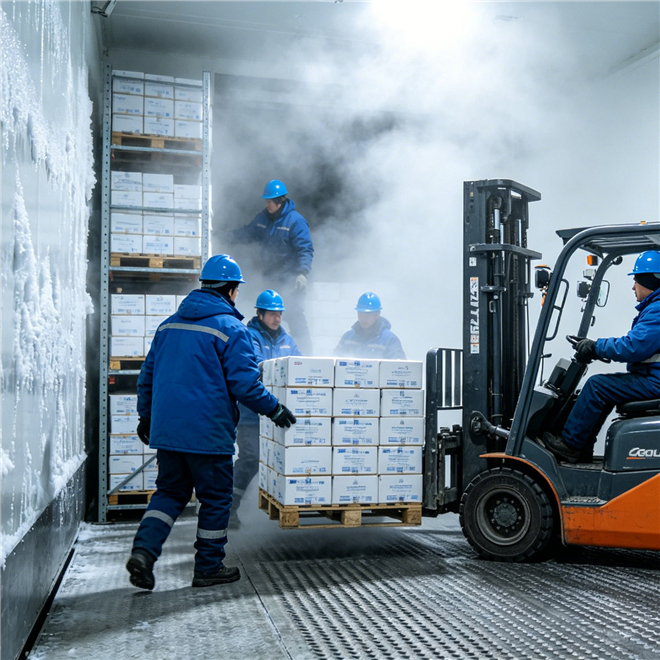

Lies in our extensive inventory and product diversity — reducing the need for multiple suppliers and simplifying your procurement process. By consolidating your sourcing with us, you save time, reduce shipping costs, and minimize administrative overhead across extensive industrial overhauling projects.
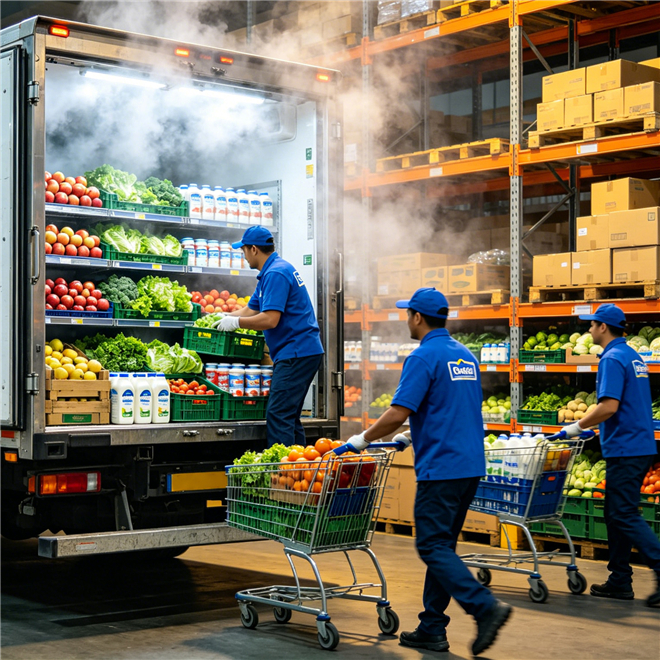
At Xinchang Weien, customer satisfaction is at the core of what we do. With solid industry expertise and a commitment to reliable service, we don't just supply products — we aim to exceed your expectations and support the long-term success of your refrigeration operations. Contact us today to experience the convenience of one-stop refrigeration sourcing.
Complete precision inventory for heavy-duty reciprocating compressors, marine container reefer refrigeration plants, and commercial cold chain retrofitting.