
Inside the Condenser Unit: The Core of HVAC and Refrigeration Systems
The condenser unit functions as the thermal gateway of any cooling system. In commercial refrigeration and industrial HVAC applications, looking inside the condenser unit reveals a complex network of heat exchangers, motor controls, and sensors designed to reject absorbed heat. When performing HVAC and refrigeration compressor maintenance, understanding the spatial layout and functional dynamics inside this unit is critical to preventing premature compressor failure.
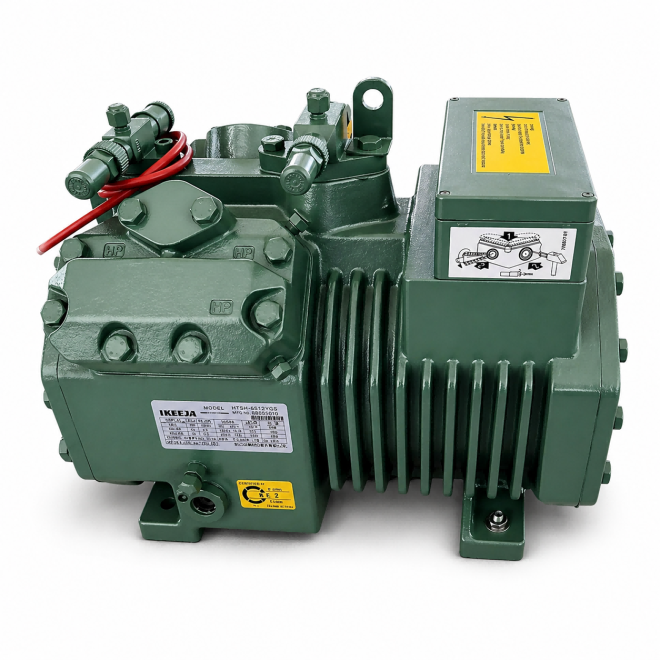
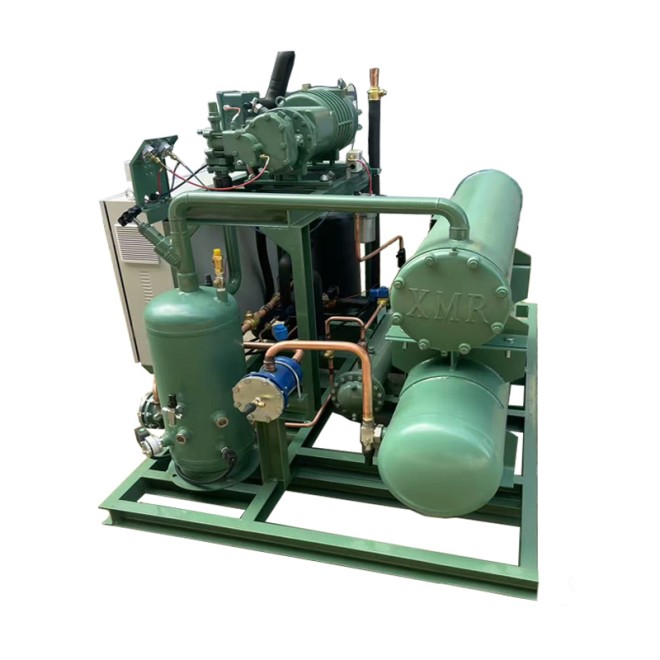
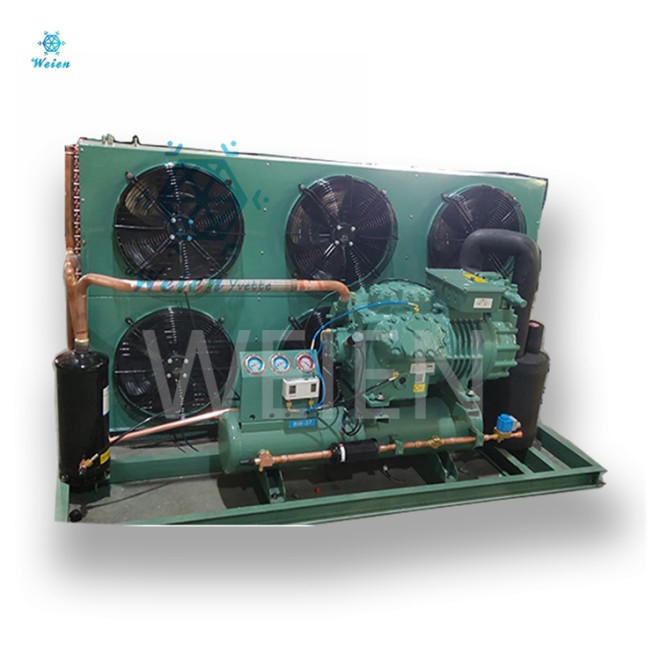
Typically located outdoors or in well-ventilated utility spaces, the condenser unit must withstand harsh environmental conditions while maintaining peak thermodynamic efficiency. At its core, the unit contains the condensing coil, fan assembly, electrical control systems (such as start capacitors and thermistors), and occasionally the compressor itself. The primary objective is to transition the high-pressure, high-temperature gaseous refrigerant discharged by the compressor back into a subcooled liquid state before it re-enters the evaporator.
Commercial & Industrial Landscapes of HVAC/R Systems
The modern industrial refrigeration landscape is under constant pressure to optimize energy performance and reduce environmental impact. With strict global regulations such as the F-Gas regulations in Europe and the EPA's SNAP program in the United States, commercial operators are shifting toward low-GWP (Global Warming Potential) refrigerants and natural refrigerants like CO2 (R-744) and Ammonia (R-717). This shift significantly impacts the design and maintenance of components inside the condenser unit.
High-operating pressures of natural refrigerants demand thicker-walled copper or stainless-steel coils and more robust control mechanisms. Furthermore, logistics operations, cold chain storage facilities, and marine container refrigeration (such as Daikin and Carrier Transicold reefers) rely on uninterrupted cooling. A single sensor failure or a degraded run capacitor can lead to thermal runaway, ruining high-value cargo. Therefore, procurement managers and service engineers are increasingly turning to reliable, single-source suppliers like Xinchang Weien Import & Export Co., Ltd. to secure high-precision replacement parts.
Key Components Inside the Condenser Unit
A closer look inside the condenser unit reveals several key components that must be maintained in perfect harmony:
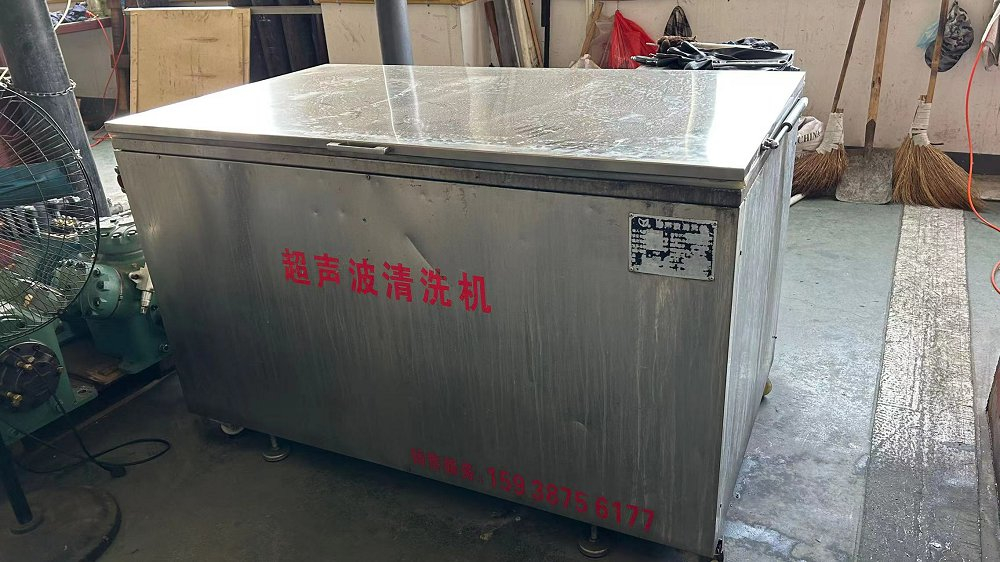
- Condenser Coils (Copper/Aluminum): The physical medium through which heat transfer occurs. These coils are prone to micro-leaks and dirt accumulation. Regular pressure testing and ultrasonic cleaning during manufacturing and maintenance are vital.
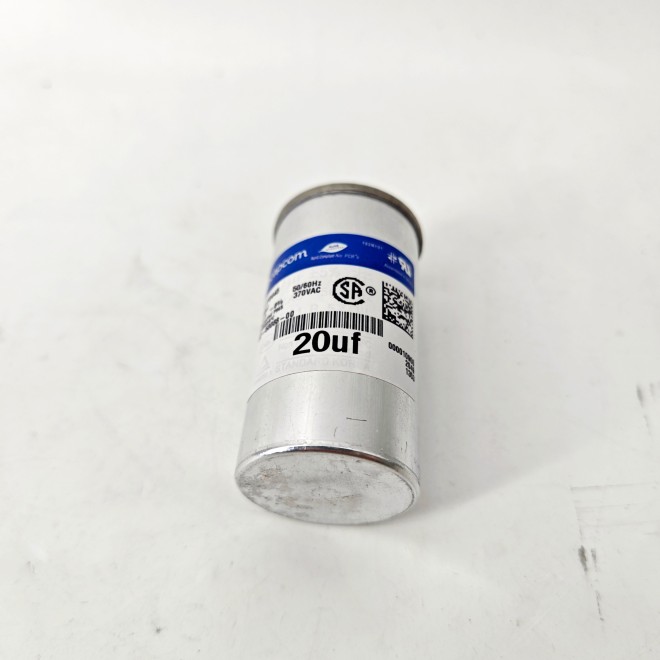
- Condenser Fan Motors & Capacitors: The fan draws ambient air across the coils. A failing capacitor (such as a 20UF motor capacitor) will cause the fan motor to overheat or fail to start, leading to rapid head pressure spikes in the compressor.
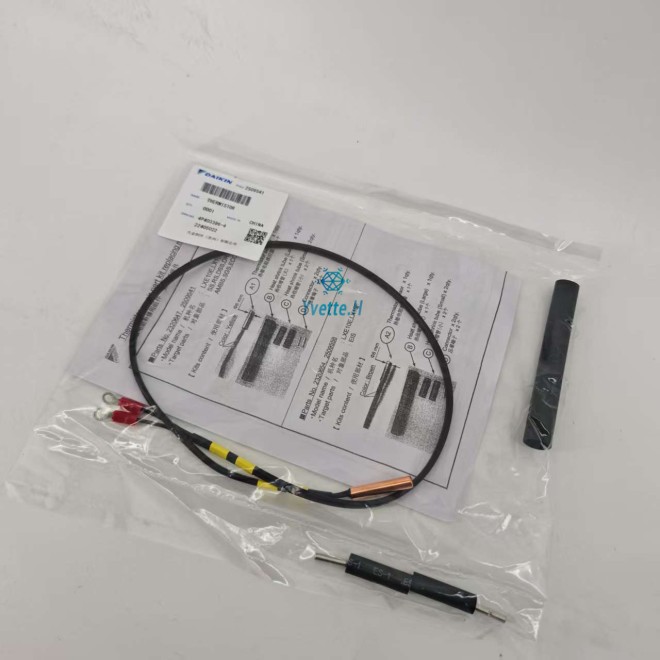
- Thermistors and Sensors: Modern systems use high-precision sensors (like the Daikin EOS sensor) to monitor subcooling temperatures. Inaccurate readings can cause the controller to miscalculate the required refrigerant flow, stressing the compressor.
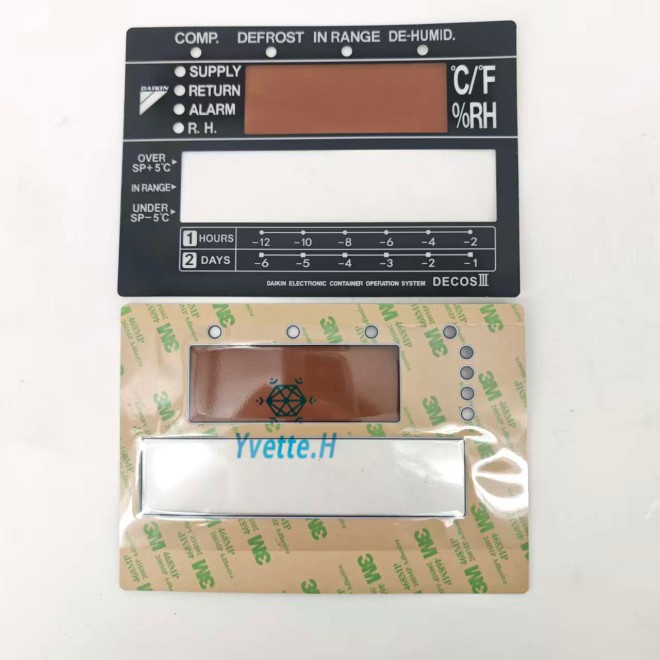
- Electrical Controllers & Interfaces: User interfaces like the Daikin DECOS III display panel allow technicians to diagnose system faults directly at the unit. Keeping these interfaces protected and functional is key for efficient troubleshooting.
Preventative Compressor Maintenance Protocols
Compressor maintenance is not just about servicing the compressor itself; it requires a comprehensive inspection of the entire condensing loop. Technicians should follow a structured maintenance checklist:
1. Thermal Profile Analysis
Using infrared thermography, technicians can inspect the temperature gradient across the condenser coils. Cool spots can indicate internal blockages or oil logging, while excessive heat at the top of the coil suggests non-condensable gases in the system or an overcharged refrigerant line.
2. Electrical Diagnostics
Electrical components inside the condenser unit decay over time due to heat cycles. Regularly testing the capacitance of the fan motor capacitor and checking the resistance values of thermistors against their factory temperature charts prevents unexpected system shut-downs.
3. Physical Coil Restoration
Coils must be chemically cleaned to remove dirt, grease, and oxidation. In marine or coastal environments, salt spray accelerates galvanic corrosion between copper tubes and aluminum fins. Utilizing weatherproof coatings or opting for heavy-duty copper-to-copper coils can extend the lifespan of the unit.
Future Trends: Smart Diagnostics and IoT Integration
The future of HVAC and refrigeration compressor maintenance lies in predictive analytics. Instead of waiting for a threshold alarm, smart sensors continuously stream vibration, temperature, and current draw data to centralized cloud systems. By analyzing minor deviations in the condenser fan speed or subcooling trends, AI algorithms can predict component failures weeks in advance. This allows fleet and facility managers to plan maintenance during scheduled downtimes, ensuring maximum operational reliability.