Leave Your Message
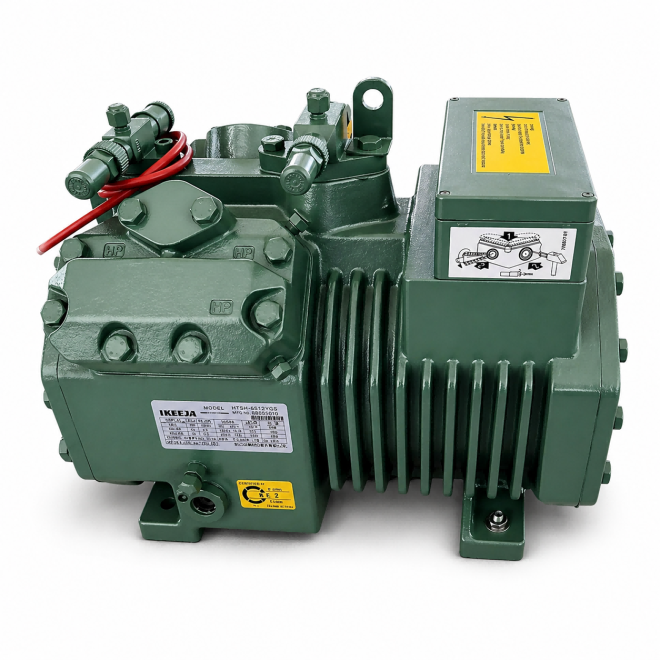
Explore our primary selection of high-performance replacement components designed for Daikin, Carrier, and industrial refrigeration systems, ensuring continuous temperature control in harsh marine environments.
In global shipping, maritime reefer containers are the unsung heroes that preserve billions of dollars of perishable cargo daily—ranging from fresh farm produce and frozen seafood to highly sensitive pharmaceuticals. At the heart of these mobile refrigeration systems lies the inside condenser unit. This component acts as the primary heat rejection mechanism, transferring heat extracted from inside the container to the external atmosphere. When a vessel navigates through tropical oceans or stays docked under scorching port suns, the efficiency of the inside condenser unit determines whether the cargo arrives fresh or spoiled.
Maintaining these systems goes far beyond routine checkups. The marine environment is uniquely hostile, characterized by high salinity, extreme humidity, constant vibrations, and dramatic temperature swings. A minor drop in condenser efficiency forces the compressor to work harder, consuming excess fuel, accelerating wear, and increasing the risk of catastrophic system failure mid-transit.
Condenser coils must be treated with advanced epoxy or polyurethane coatings to withstand constant exposure to salt spray and prevent galvanic corrosion.
Equipped with heavy-duty capacitor-run motors designed to handle voltage fluctuations common in maritime electrical grids.
Utilizing high-accuracy thermistors (like EOS sensors) to monitor coil temperatures and prevent ice buildup or overheating.
From an industrial perspective, the maritime reefer market has experienced unprecedented growth. The globalization of dietary preferences and the expansion of biopharmaceutical logistics have pushed shipping lines to operate larger, more advanced fleets of refrigerated containers. Major shipping conglomerates manage hundreds of thousands of reefers, making maintenance optimization a critical factor in operational profitability.
The cost of a single reefer failure at sea is staggering. Beyond the direct loss of cargo value, shipping lines face insurance claims, regulatory penalties (especially for food and medical products), and reputational damage. Consequently, the procurement of high-quality replacement parts—such as heavy-duty condenser coils, reliable thermistors, and robust fan motor capacitors—has become a strategic focus for fleet managers and marine engineering firms worldwide.
Today, the industry is shifting away from reactive "break-fix" maintenance toward proactive, planned replacement programs. This transition ensures that critical wear components are replaced before they reach their end-of-life cycle, keeping the inside condenser unit running at peak thermodynamic efficiency throughout the voyage.
The integration of smart technology and environmental regulations is driving significant changes in how inside condenser units are designed and maintained:
To understand the practical application of maintaining the inside condenser unit, we must look at the specific scenarios encountered by marine technicians:
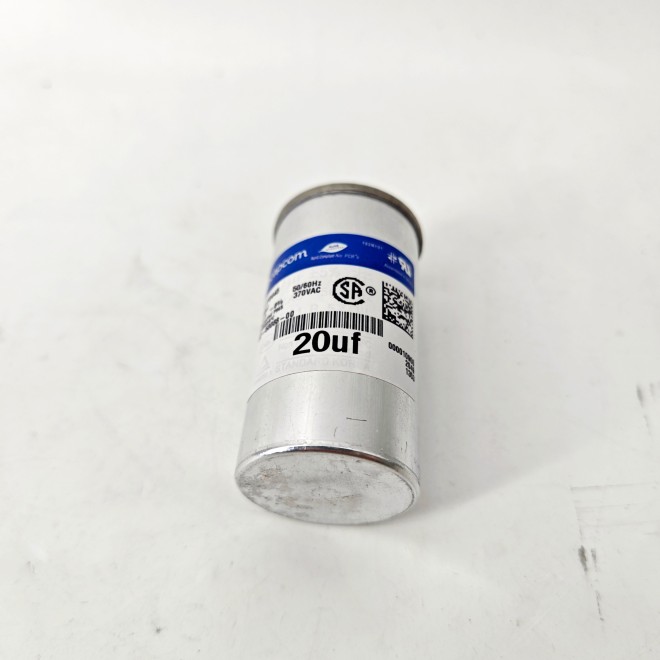
When a vessel passes through equatorial regions, ambient temperatures can exceed 45°C. Under these conditions, if the condenser coil is fouled with salt crust or dust, the rate of heat transfer drops. The refrigerant fails to condense fully, leading to a rapid rise in discharge pressure. The system's high-pressure switch will trip to protect the compressor, shutting down the refrigeration cycle. Maintenance protocols require regular chemical washing of the copper coils and testing the condenser fan motor's starting torque, which is heavily reliant on the health of its run capacitor (such as the 22-50088-00 20UF capacitor).
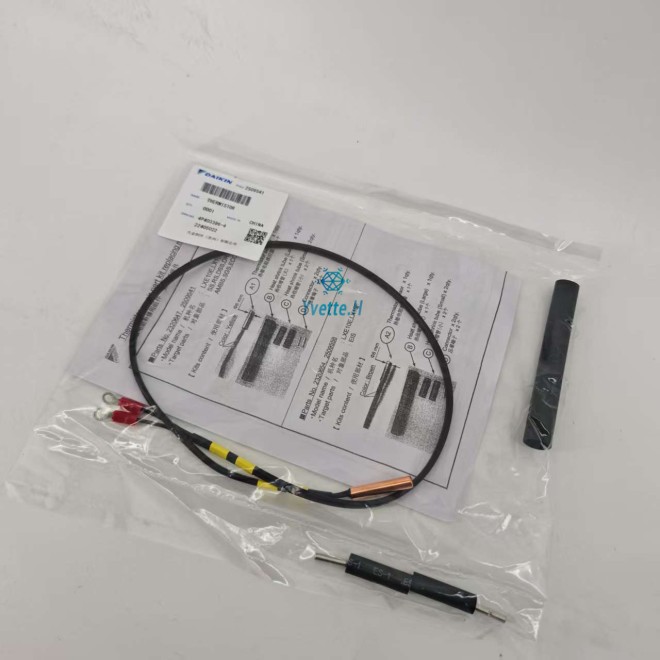
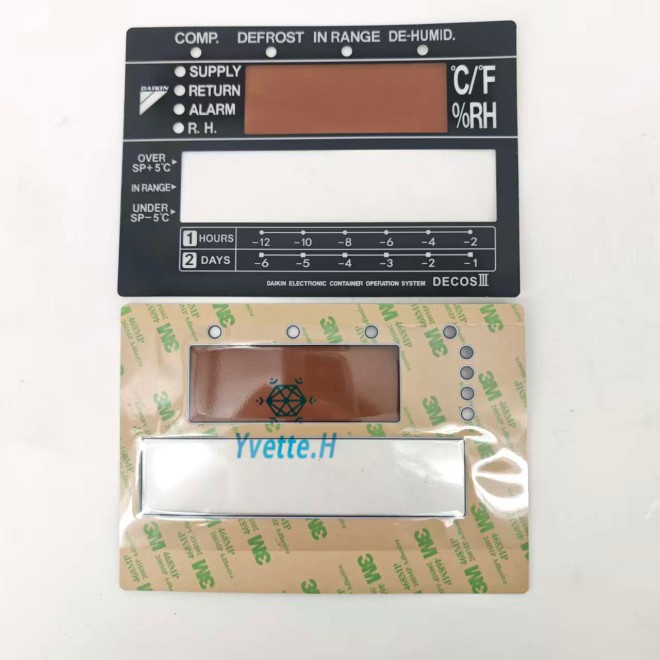
Modern reefers rely on sophisticated controllers (like the Daikin DECOS III) to modulate cooling capacity. The controller makes operational decisions based on data received from sensors like the EOS (Entering Outer Sensor) thermistor. If the thermistor degrades due to moisture ingress, it may report inaccurate temperatures, causing the controller to under-cool or over-cool the cargo. Replacing faulty sensors with high-grade plastic-encapsulated thermistors (such as the 2509541 Thermistor) is a standard procedure during pre-trip inspections (PTIs).
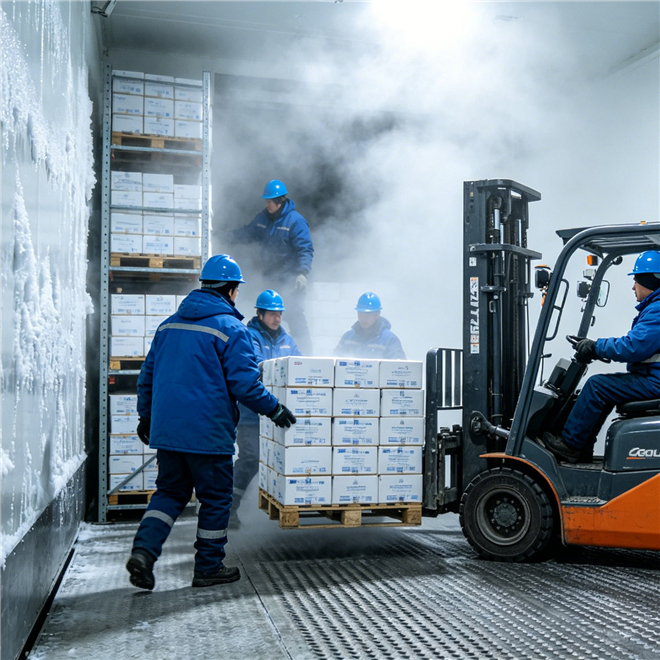

Lies in our extensive inventory and product diversity — reducing the need for multiple suppliers and simplifying your procurement process. By consolidating your sourcing with us, you save time, reduce shipping costs, and minimize administrative overhead, ensuring your fleet remains operational with minimal downtime.


At Xinchang Weien, customer satisfaction is at the core of what we do. With solid industry expertise and a commitment to reliable service, we don't just supply products — we aim to exceed your expectations and support the long-term success of your refrigeration operations. Contact us today to experience the convenience of one-stop refrigeration sourcing.
Browse our full range of replacement parts, sensors, compressors, and condensing units engineered to meet the rigorous demands of industrial refrigeration and maritime cargo protection.