Leave Your Message
Engineered for seamless integration with Carrier Transicold systems and heavy-duty transport refrigeration units.
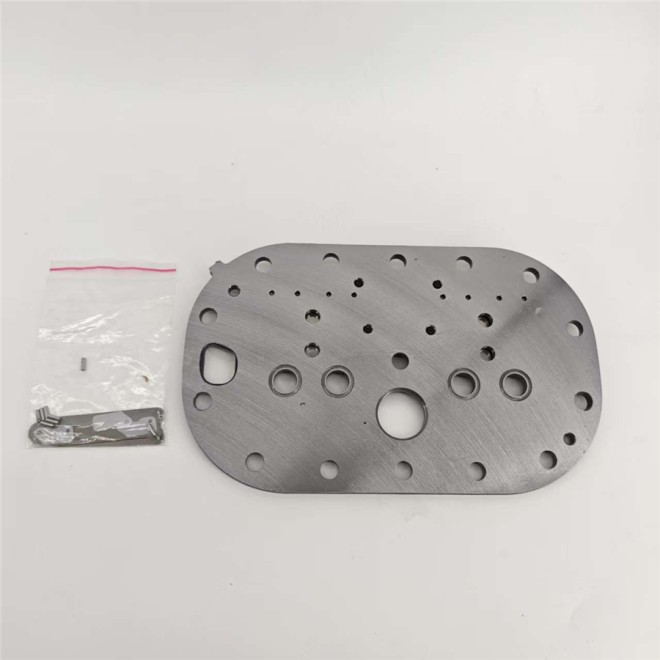
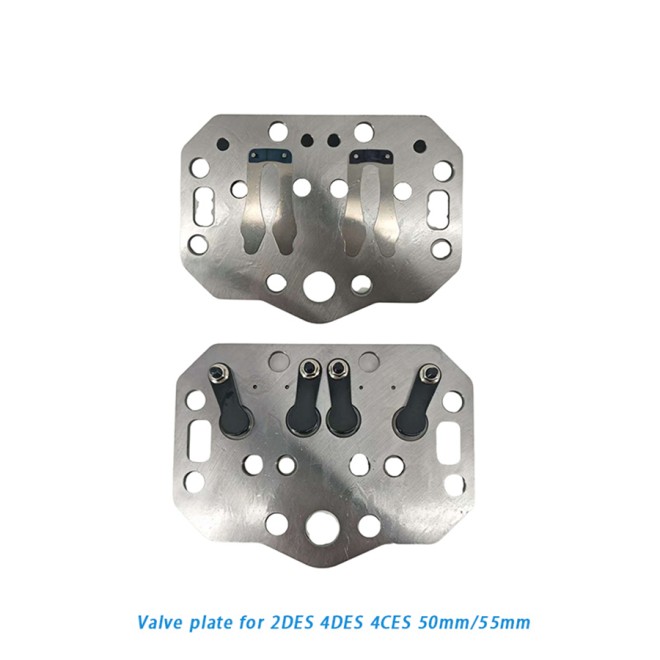
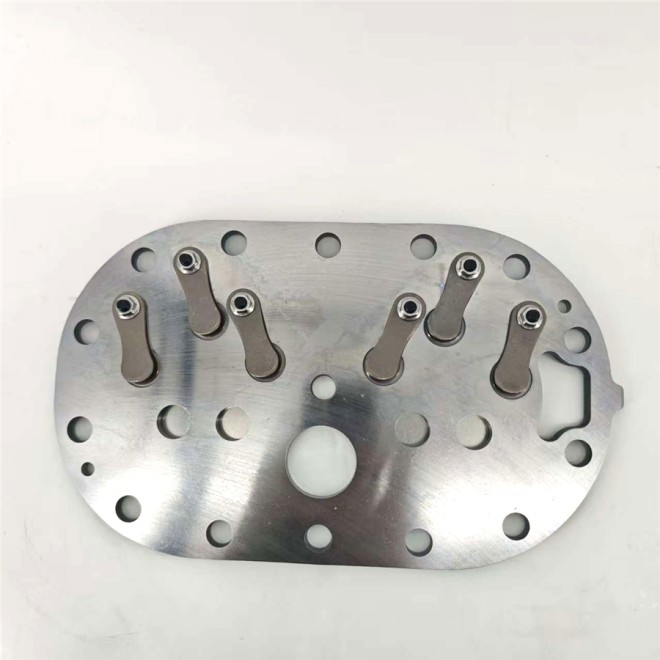
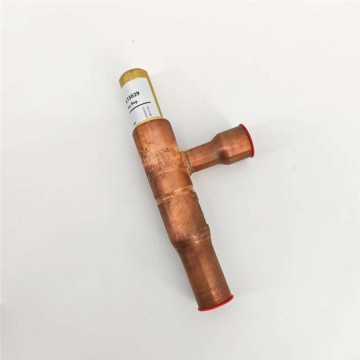
In the global cold chain logistics network, transport refrigeration units (TRUs) like those manufactured by Carrier Transicold are the unsung heroes of food safety, pharmaceutical distribution, and chemical preservation. At the heart of these mobile refrigeration units lies the liquid line solenoid valve, an electromagnetic device designed to start or stop the flow of liquid refrigerant in response to electrical signals from the temperature controller. When the system requires cooling, the solenoid coil energizes, opening the valve and allowing refrigerant to flow to the expansion device and evaporator. When the setpoint temperature is reached, the valve closes, preventing liquid refrigerant from migrating to the evaporator during the off-cycle, which could otherwise cause compressor floodback and catastrophic mechanical failure upon restart.
For fleet operators managing hundreds of refrigerated trailers, containers, and delivery trucks, the reliability of each individual spare part directly correlates with operational profitability. A single failure of a liquid line solenoid valve can lead to uncontrolled temperature fluctuations, resulting in cargo spoilage, regulatory fines, and damaged brand reputation. Sourcing robust, high-performance replacement parts that match OEM specifications is not just a maintenance protocol; it is a critical business strategy.
A malfunctioned solenoid valve can lock closed, causing short-cycling and evaporator starvation, or lock open, causing compressor slugging. In either case, the cargo is put at immediate risk, emphasizing the need for high-tier aftermarket spare parts built to withstand the rigors of long-haul transport.
The transport refrigeration industry is experiencing unprecedented growth, driven by the expansion of online grocery shopping, global pharmaceutical supply chains, and stricter food safety regulations such as the Food Safety Modernization Act (FSMA). This growth has shifted the maintenance paradigm from reactive troubleshooting to predictive and preventive replacement strategies. Fleet managers are increasingly focusing on the Total Cost of Ownership (TCO) of transport units, where high-quality aftermarket components play a vital role.
Historically, fleet operators relied exclusively on OEM parts, which often carried premium price tags and were subject to regional supply chain bottlenecks. Today, advanced manufacturing standards allow specialized aftermarket producers to offer equivalent, if not superior, replacement parts. These parts are engineered to perform under extreme ambient temperatures, high vibration environments, and continuous cycling demands characteristic of long-haul logistics.
Carrier Transicold units, including the Vector™, Maxima™, and Supra™ series, operate under diverse and demanding conditions. Understanding the specific application scenarios of liquid line solenoid valves helps fleet maintenance teams select the appropriate configurations and materials:
Urban delivery trucks equipped with multi-temperature systems rely heavily on liquid line solenoid valves to isolate and control individual compartments. When a truck carries frozen food in the front zone and fresh produce in the rear zone, the controller cycles the solenoid valves to distribute refrigerant flow dynamically. The solenoid valves in these systems experience extremely high cycle rates, opening and closing thousands of times a week. Standard valves quickly suffer from coil burnout or mechanical seat wear under these conditions, necessitating heavy-duty replacements featuring high-temperature Class H coils and reinforced PTFE valve seats.
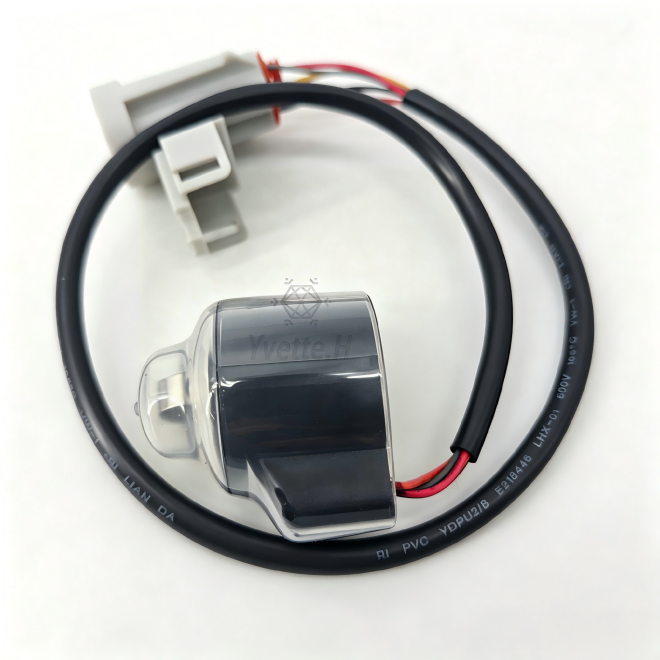
Marine reefer containers face some of the harshest environments on Earth. Operating on container ships, these units are exposed to salt spray, high humidity, and wide ambient temperature swings from tropical waters to freezing ports. The electronic expansion valve coils and liquid line solenoid valves used in these units must feature exceptional corrosion resistance and high ingress protection (IP) ratings, such as IP67 or IP68, with waterproof molded boots to prevent moisture intrusion and subsequent electrical short-circuits.
For long-haul operations spanning continents, vibration is the primary enemy of refrigeration plumbing. Continuous road vibrations can cause copper tube fatigue and loosen solenoid valve coil mounts. Heavy-duty replacement valves feature robust brazed connections and secure, snap-on coil designs that resist vibration-induced wear. Maintaining these components ensures that the unit can run continuously for days on end without loss of refrigerant charge or electrical failure.
| Application Parameter | Standard Requirement | Premium Replacement Specification |
|---|---|---|
| Coil Insulation Class | Class F (up to 155°C) | Class H (up to 180°C) for extended coil life |
| Ingress Protection (IP) | IP65 | IP67 with molded boot for marine applications |
| Refrigerant Compatibility | R134a, R404A | Multi-refrigerant compatible (R134a, R404A, R452A, R513A) |
| Max Operating Pressure (MOPD) | 21 bar | Up to 31 bar for high-pressure eco-refrigerants |
Tailored spare parts sourcing designed to optimize your cooling systems and minimize fleet downtime.
Whether you are setting up a new refrigeration system or maintaining existing equipment, we provide flexible solutions for both commercial and industrial applications. Our clients include cold storage warehouses, food processing plants, supermarket chains, transport refrigeration companies, and logistics providers.
Lies in our extensive inventory and product diversity — reducing the need for multiple suppliers and simplifying your procurement process. By consolidating your sourcing with us, you save time, reduce shipping costs, and minimize administrative overhead.
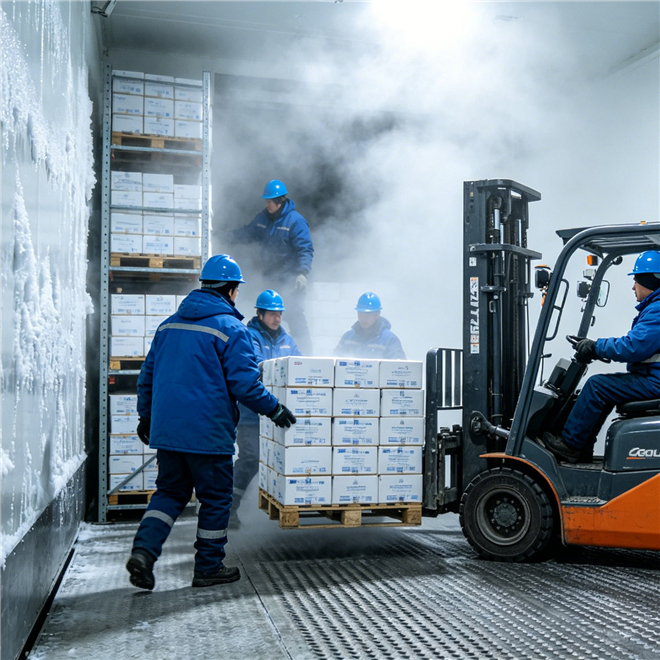

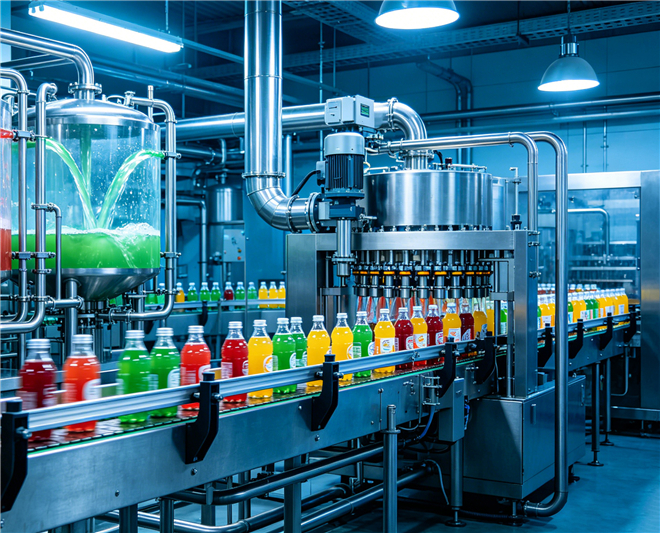
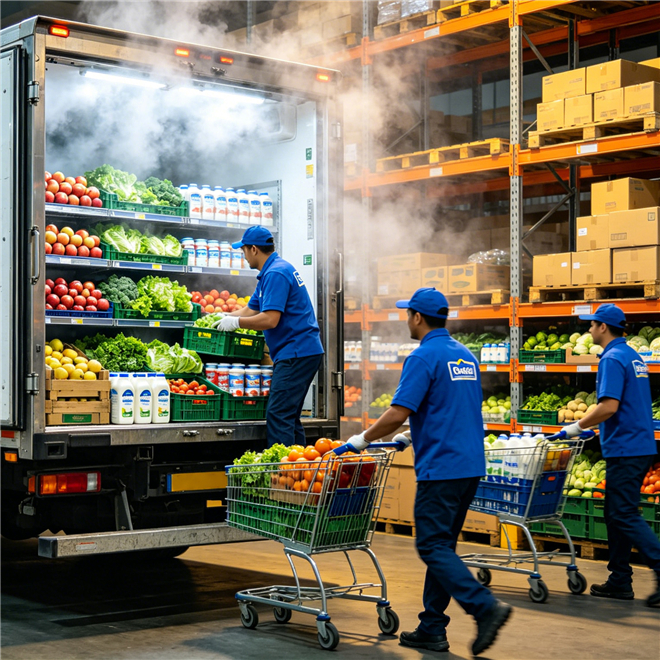
At Xinchang Weien, customer satisfaction is at the core of what we do. With solid industry expertise and a commitment to reliable service, we don't just supply products — we aim to exceed your expectations and support the long-term success of your refrigeration operations. Contact us today to experience the convenience of one-stop refrigeration sourcing.
As the refrigeration industry transitions toward environmentally sustainable operations, several technological trends are reshaping the development and procurement of fleet spare parts:
With global mandates phasing out high-Global Warming Potential (GWP) refrigerants like R404A, fleets are transitioning to alternatives such as R452A and carbon dioxide (CO2). Solenoid valves and expansion valves must be re-engineered to handle the different thermodynamic properties, pressure profiles, and chemical compositions of these new refrigerants. Premium replacement parts are now designed with advanced sealing materials to prevent micro-leakage and ensure compatibility across multiple refrigerant types.
Modern transport refrigeration units are increasingly integrated with telematics systems that monitor component performance in real-time. By analyzing current draw and voltage drops across solenoid coils, fleet managers can detect signs of impending coil failure before it occurs. Choosing replacement coils with precise electrical characteristics ensures seamless integration with these advanced diagnostic systems, avoiding false alarms and keeping trucks on the road.
To reduce fuel consumption in diesel-powered reefers, modern systems utilize Pulse-Width Modulation (PWM) for solenoid and expansion valves. Instead of simple on/off operation, these valves cycle rapidly to match the exact cooling load required. This reduces compressor wear and saves energy but places immense physical stress on the valve's internal needle and orifice. Selecting high-grade replacement valves designed for high-frequency cycling is essential for maintaining system efficiency.
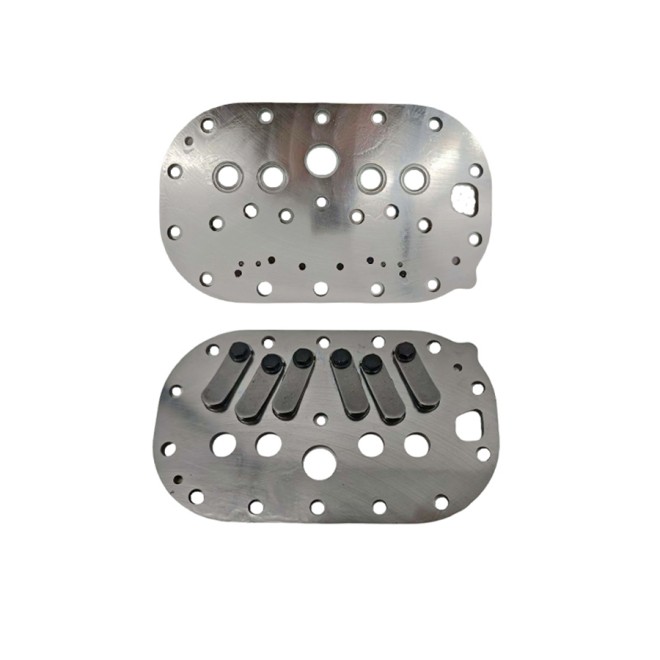
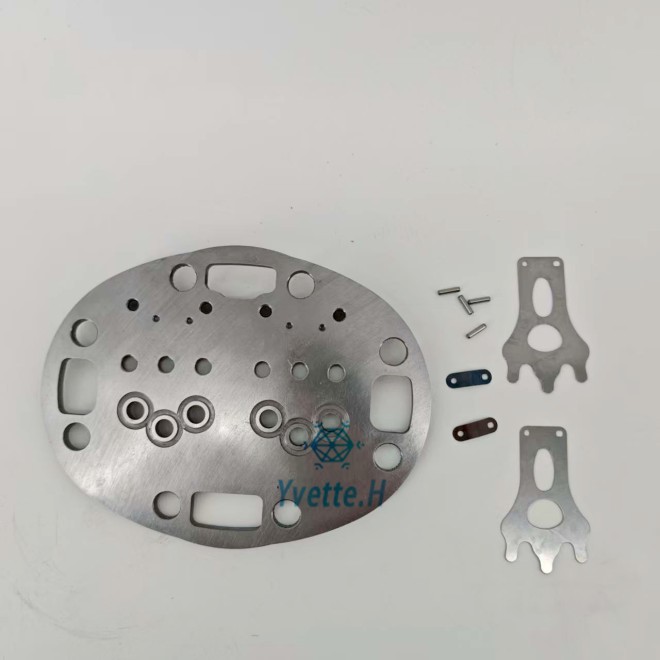
Explore our full range of valve plates, solenoid coils, and discharge valves optimized for transport refrigeration and commercial compressors.