Leave Your Message
Engineered to withstand extreme cyclic pressures, low-temperature thermal stress, and rigorous continuous operation across modern commercial cold storage compressor architectures.
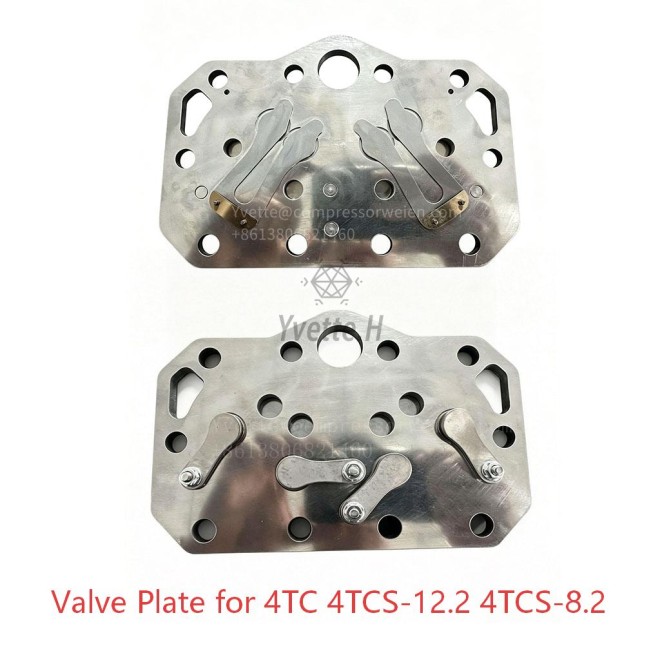
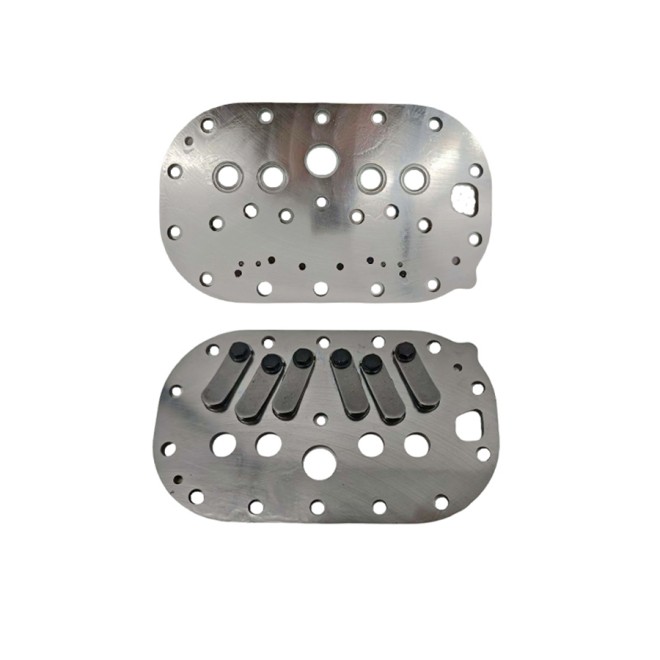
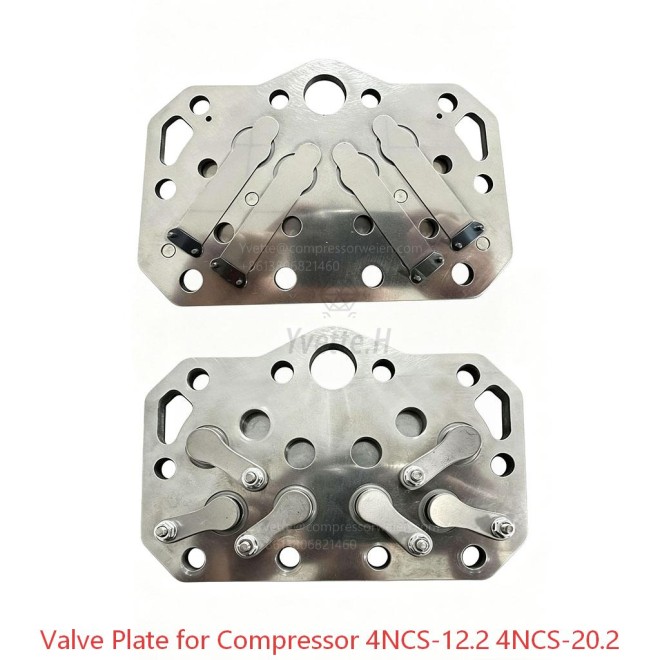
In modern commercial cold storage room construction, the Liquid Line Solenoid Valve (LLSV) serves as the primary electro-mechanical barrier between high-pressure subcooled liquid refrigerant and expansion metering devices. Its primary duty is not merely on-off fluid cycling, but safeguarding the entire refrigeration circuit against devastating failure modes such as refrigerant migration and liquid slugging during off-cycles.
When the cold room's digital thermostat satisfies temperature demands, the liquid line solenoid valve receives an immediate signal to close. This triggers the automated pump-down cycle: the compressor continues evacuating the evaporator until low-side pressure drops below a preset threshold. By ensuring bubble-tight positive shutoff, the LLSV keeps high-pressure liquid locked within the condenser and receiver, eliminating compressor crankcase oil foaming and hydrostatic lock during subsequent restarts.
Why HVAC/R design consultants and facility contractors prioritize premium liquid line solenoid valves during project construction:
The commercial cold storage sector is experiencing a monumental transition toward ultra-low GWP refrigerants, automated logistics fulfillment, and intelligent valve diagnostics.
Global regulatory frameworks including the European F-Gas Regulation, US EPA AIM Act, and Title 24 mandate the phasedown of high-GWP refrigerants like R404A and R507A. Liquid line solenoid valves must now be fully rated for A2L mildly flammable blends (R454A, R454C, R1234yf) and high-pressure transcritical CO2 (R744), requiring explosion-proof coils, specialized internal seating materials, and operating thresholds exceeding 120 bar.
Modern cold chain operators cannot afford unexpected downtime. Intelligent liquid line solenoid assemblies now feature integrated pulse-width modulation sensors, coil temperature telemetry, and acoustic signature monitors. These sensors detect seat erosion, inductive coil degradation, and micro-fluttering before an uncommanded thermal breach can compromise millions of dollars in stored perishable inventory.
Automated Storage and Retrieval Systems (ASRS) in high-bay commercial cold rooms require ultra-fast response times and zero maintenance access windows. Solenoid valves installed in high-altitude pipe racks demand hermetically sealed clip-on IP67/IP69K coils resistant to perpetual ice condensation, frost buildup, and frequent high-pressure chemical washdowns.
Different cold storage construction requirements demand customized solenoid valve configurations, seat geometries, and coil power supplies.
Demands direct-acting or pilot-operated valves with synthetic O-rings capable of maintaining extreme elasticity without embrittlement under intense cyclic temperature shocks.
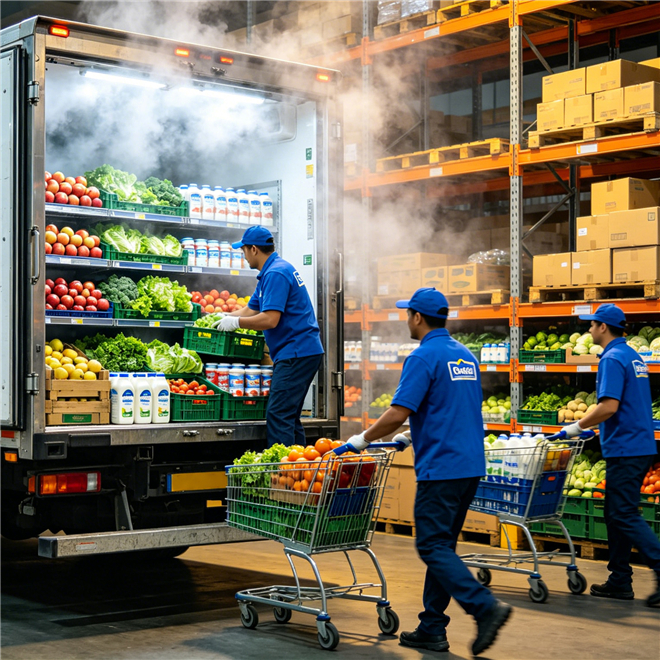
Fruit and vegetable preservation requires ultra-fine humidity regulation. LLSVs coordinate with pulse-width expansion valves to prevent rapid frost accumulation on evaporator fins.
Critical vaccine storage mandates dual-redundant liquid lines where primary and secondary solenoids alternate duty cycles, backed by BMS alarms for zero temperature drift.
High ambient heat infiltration requires heavy-duty liquid line valves capable of handling erratic thermal loads, continuous cycling, and high mass-flow surges without coil burnout.
Whether you are constructing a new automated multi-temperature refrigeration plant or modernizing existing compressor racks, we deliver turnkey flow control and compressor replacement solutions for cold storage warehouses, meat/poultry processing plants, supermarket supermarket chains, transport refrigeration fleets, and global logistics providers.
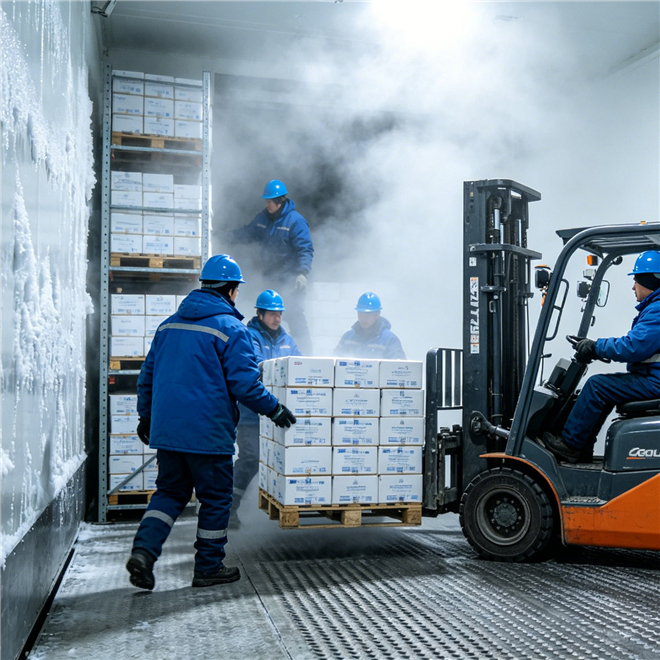

Our core strength lies in our massive inventory depth, manufacturing precision, and diverse component portfolio—substantially eliminating the friction of dealing with disparate vendors and streamlining your technical procurement lifecycle.
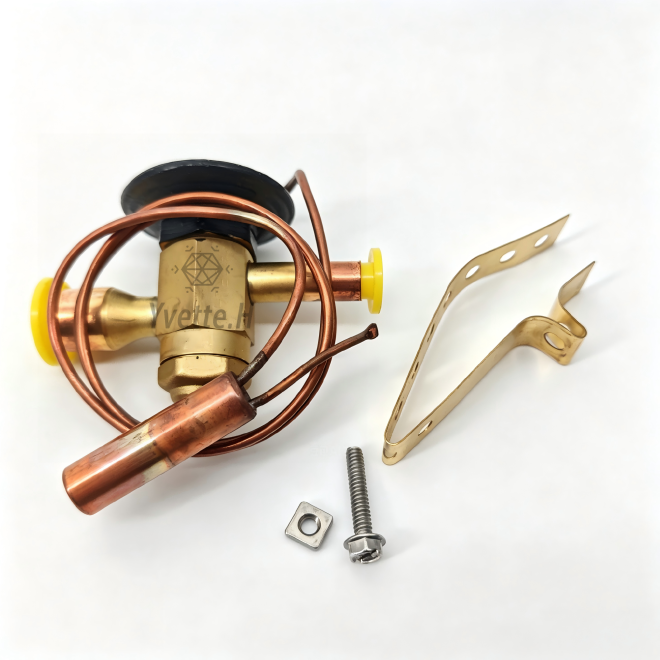
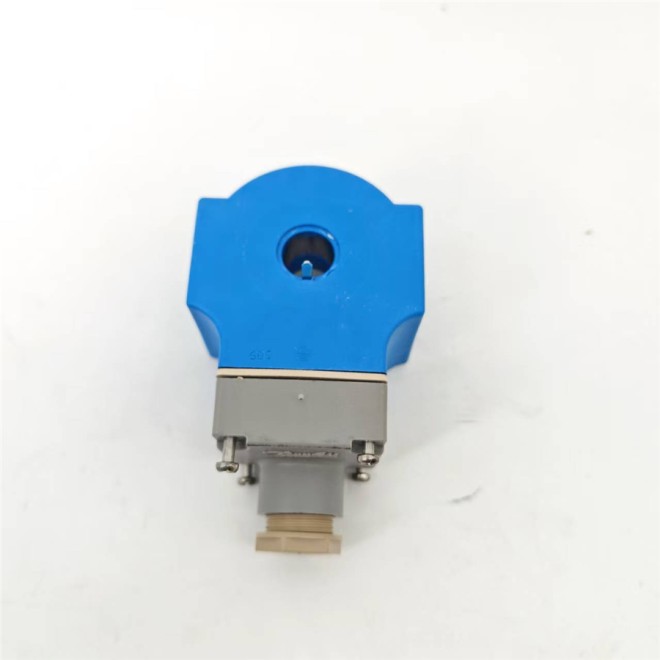
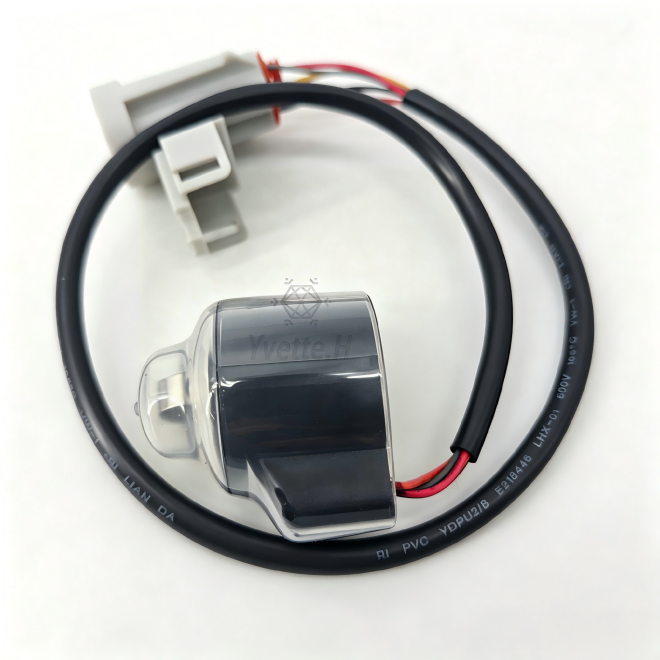
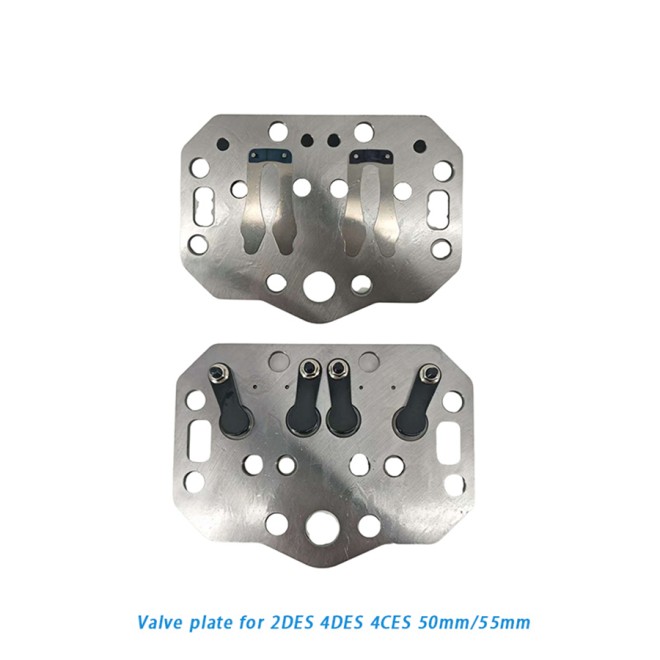
By consolidating your valve plates, liquid line solenoids, expansion assemblies, and coils with us, your project gains guaranteed component interoperability, compressed delivery lead times, minimized freight logistics overhead, and streamlined administrative procurement.
At Xinchang Weien, customer satisfaction and operational uptime form the cornerstone of our engineering philosophy. With deep domain expertise across industrial cold room dynamics, marine reefer refrigeration, and high-pressure compressor components, we deliver robust solutions that consistently outperform expectations.
We don't merely supply standalone replacement parts; we partner with your engineering teams to provide application sizing guidance, technical compatibility validation, and reliable after-sales support to safeguard your multi-million dollar perishable inventories around the clock.
Avoid common installation pitfalls that compromise solenoid life expectancy and system efficiency in low-temperature cold room construction.
Never size a liquid line solenoid valve strictly based on line pipe diameter. An oversized solenoid leads to valve chattering and incomplete pilot opening under low-load conditions; an undersized valve induces severe flash gas generation, erratic expansion valve hunting, and substantial evaporator capacity reduction.
When sweating copper connections during cold storage piping rough-in, the internal valve core and plunger assembly must be dismantled, or the valve body wrapped in a damp heat-sink cloth. Temperatures exceeding 120°C (250°F) permanently deform internal PTFE teflon seals and cause irreversible seat blow-by.
Always install a high-capacity liquid line filter drier immediately upstream of the solenoid valve. Welding slag, copper burrs, and desiccated oil particulate will lodge in the pilot orifice of servo-operated valves, preventing complete seal closure and defeating the pump-down cycle entirely.
Engineered replacement parts manufactured to tight aerospace tolerances for heavy-duty reciprocating compressors, marine container refrigeration units, and industrial cold storage racks.