Leave Your Message
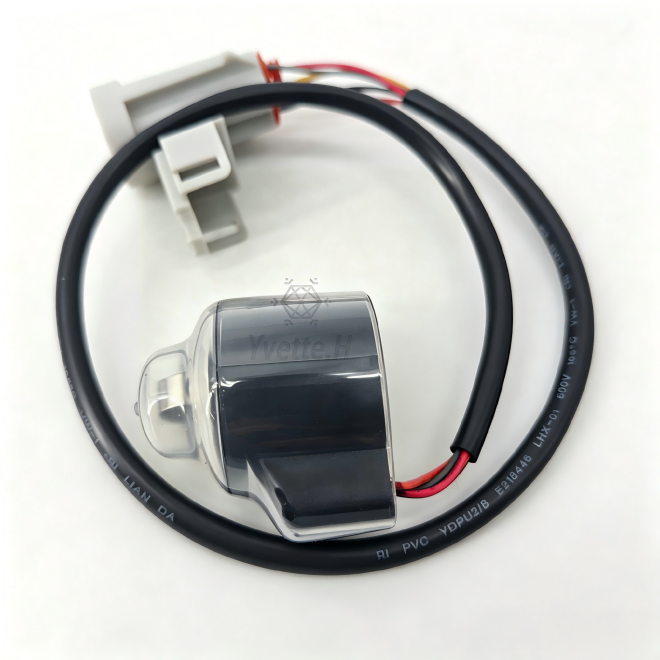
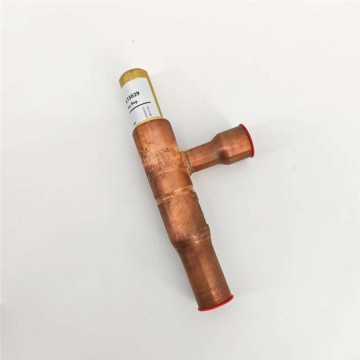
In large-scale industrial refrigeration systems—ranging from cold storage distribution hubs to food processing facilities and chemical processing plants—the liquid line solenoid valve (LLSV) is a vital safety and control component. Positioned in the high-pressure liquid line between the condenser (or receiver) and the expansion valve, the primary function of the LLSV is to automatically shut off the flow of liquid refrigerant when the compressor stops. This prevents the migration of liquid refrigerant into the evaporator, mitigating the risk of catastrophic "liquid slugging" when the compressor restarts.
During an industrial refrigeration system overhauling, the inspection, testing, and potential replacement of liquid line solenoid valves are paramount. Over time, these valves face intense thermal stresses, pressure fluctuations, and mechanical wear. A compromised solenoid valve can lead to internal leakage, electrical coil failure, or physical blockage, which directly impacts the plant's overall coefficient of performance (COP) and compromises safety parameters.
By securing a tight seal during system off-cycles, the valve blocks refrigerant migration to the low-pressure side, protecting compressor cylinders from mechanical damage.
Enables efficient automatic pump-down procedures, isolating the refrigerant charge safely on the high side during routine maintenance or emergency shutoffs.
Acts as an automated fail-safe mechanism, preventing uncontrolled refrigerant spills or extreme pressure build-ups within low-pressure evaporators.
The global industrial refrigeration sector is witnessing a massive transition. Due to strict environmental regulations like the Kigali Amendment and the European F-Gas regulations, systems are shifting away from traditional high-GWP (Global Warming Potential) hydrofluorocarbons (HFCs) toward natural refrigerants such as Ammonia (R717), Carbon Dioxide (R744), and low-GWP hydrofluoroolefins (HFOs).
This transition directly impacts the design and selection criteria for liquid line solenoid valves during system overhauling. CO2 systems operate at significantly higher pressures (often exceeding 120 bar in transcritical loops), requiring heavy-duty, high-pressure rated solenoid valves. Ammonia systems require hermetically sealed, corrosion-resistant stainless steel valves to prevent chemical degradation. Consequently, procurement managers and engineering contractors must carefully evaluate valve compatibility with both the system lubricant and the chemical properties of the new-generation refrigerants during plant retrofits.
1. Multi-Evaporator Cold Storage Facilities: In large cold storage warehouses where a centralized compressor rack serves multiple cold rooms at different temperatures, liquid line solenoid valves are installed at the inlet of each individual expansion valve. During an overhaul, ensuring these valves close tightly prevents cold rooms from over-cooling and limits parasitic heat loads, leading to substantial energy savings.
2. Marine Reefer Containers and Transport Refrigeration: Marine reefers face constant vibration, salt spray, and extreme ambient temperature swings. Solenoid valves in these environments require robust, molded coils with high ingress protection (IP) ratings (such as IP67) and secure electrical connections. During overhauls, matching the precise electrical coil assembly (like the 14-00393-10 Coil Assy with Boot) is critical to preserving cargo safety across global shipping lanes.
3. Industrial Process Chilling: In chemical and pharmaceutical manufacturing, process cooling must be extremely precise. Solenoid valves are integrated with PLC systems to dynamically cycle liquid feed based on real-time load profiles. Overhauling these systems demands high-cycle endurance valves capable of millions of operations without seal degradation.
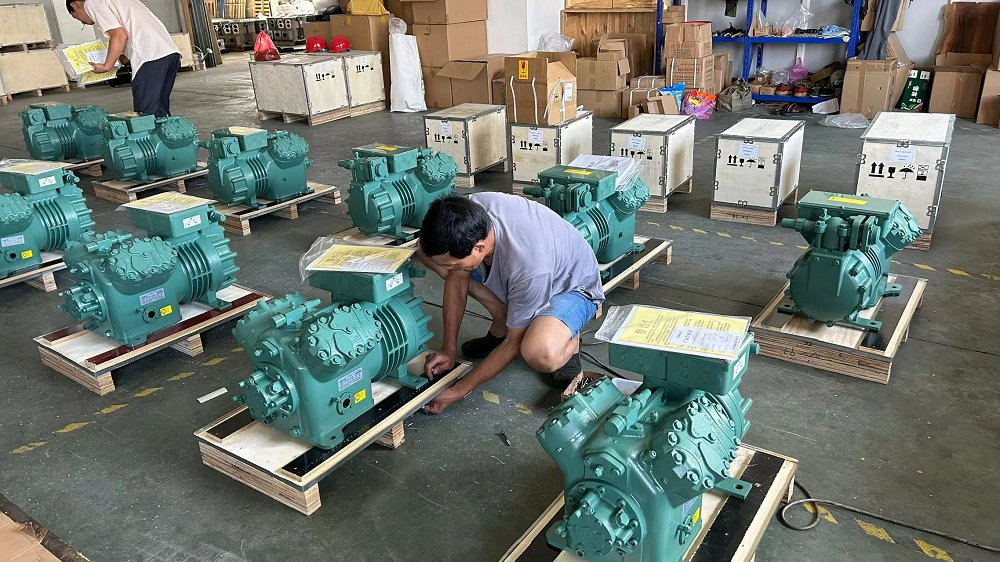
With a strong focus on quality and performance, we offer a comprehensive product portfolio compatible with world-leading brands such as Bitzer, Carrier, Thermo King, Copeland, and more. Our wide-ranging lineup covers everything from complete cold storage units to precision-engineered components.



Whether you need a full refrigeration system for a new warehouse or individual spare parts for routine maintenance, we have the right solution for you.
Overhauling liquid line solenoid valves requires a systematic approach to identify hidden defects before they cause system failures. Here is a technical breakdown of the steps required to restore solenoid valves to OEM specifications:
1. Electrical Diagnostics: Check the solenoid coil for resistance deviations or insulation breakdown. Overheating, caused by voltage fluctuations or incorrect coil application, can lead to coil burnout. Utilizing high-quality replacement coils, such as the 14-00393-10 Coil Assembly, ensures proper magnetic field generation to lift the valve armature reliably.
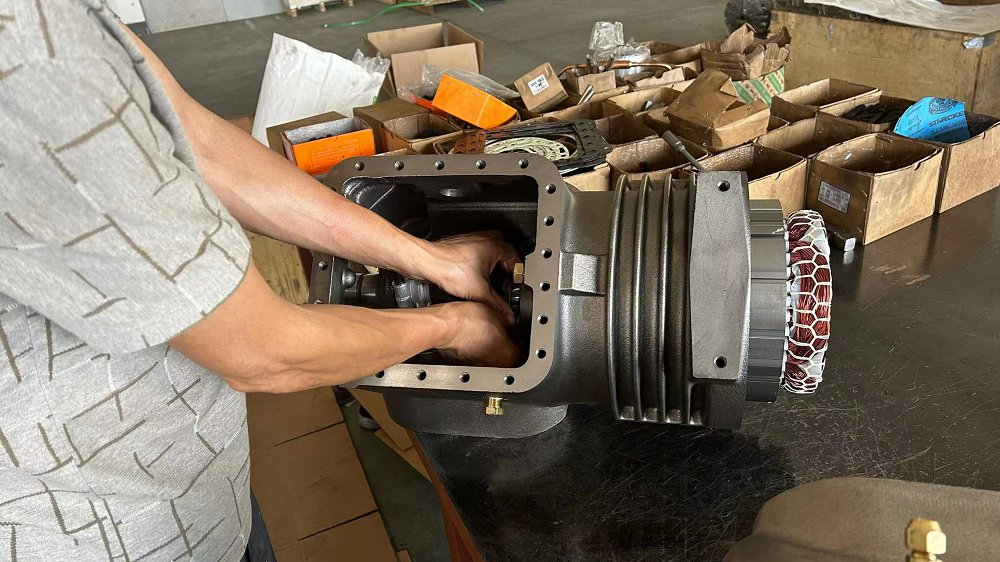
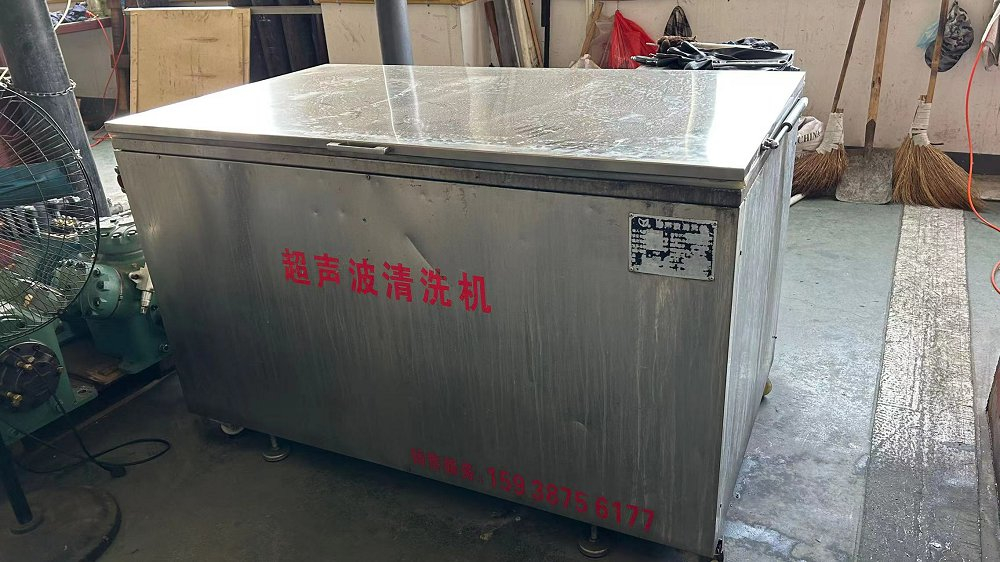
2. Mechanical Inspection and Cleaning: Disassemble the valve body to inspect the internal piston, armature, and spring. Debris, such as copper shavings or carbonized oil, can settle on the valve seat, preventing complete closure. Clean all internal components thoroughly using ultrasonic cleaners.
3. Seal and Diaphragm Replacement: Elastomeric seals and PTFE diaphragms degrade over time due to temperature cycling and chemical exposure. Always replace all O-rings, gaskets, and diaphragms during an overhaul using genuine service kits.
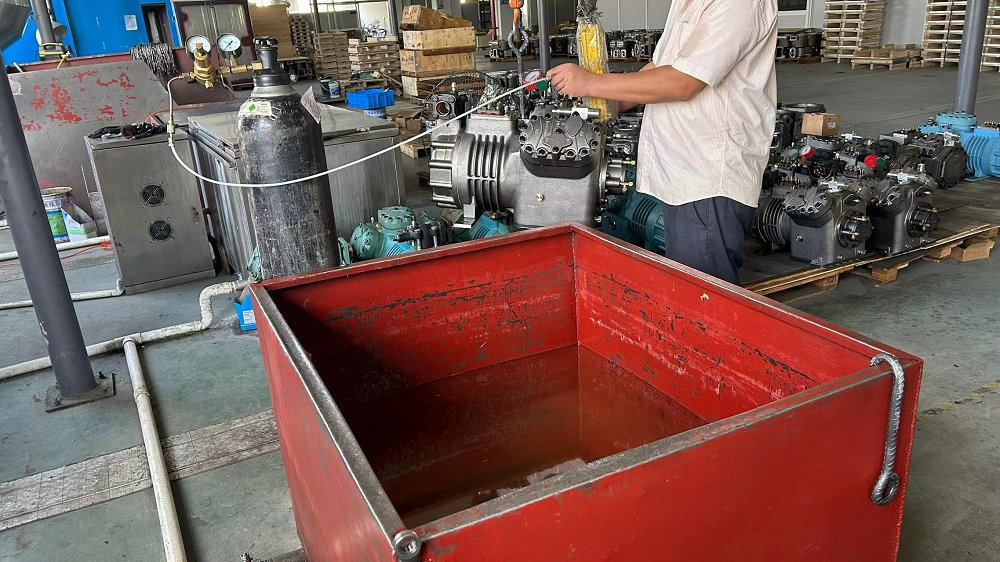
4. Reassembly & Pressure Testing: Reassemble the valve body, ensuring correct torque is applied to the housing bolts. Conduct a rigorous pressure and leak test (using nitrogen) to verify the integrity of the external joints and the internal seat seal before charging the system with refrigerant.
The integration of digital technology into refrigeration components is shaping the future of industrial overhauling. Modern "Smart Solenoid Valves" feature built-in diagnostic chips that monitor coil temperature, cycle counts, and electrical current draw. This data is transmitted to centralized building management systems (BMS) or IoT cloud platforms.
By analyzing these metrics, maintenance teams can shift from reactive or preventive maintenance to predictive maintenance. For example, if a solenoid valve's current draw fluctuates, it indicates mechanical resistance or armature wear. The system can flag this component for replacement during the next scheduled overhaul window, preventing unplanned system downtime and preserving temperature-sensitive inventory.