Leave Your Message
In global cold chain logistics, maritime reefer containers are the unsung heroes, transporting billions of dollars worth of temperature-sensitive cargo—ranging from fresh produce and seafood to highly volatile pharmaceuticals. Operating on the open ocean exposes these systems to some of the most punishing environmental conditions on Earth: extreme temperature swings, high humidity, salt-laden atmosphere, and continuous physical vibration. Within this context, the liquid line solenoid valve stands out as a critical component in ensuring the reliability and efficiency of the refrigeration cycle.
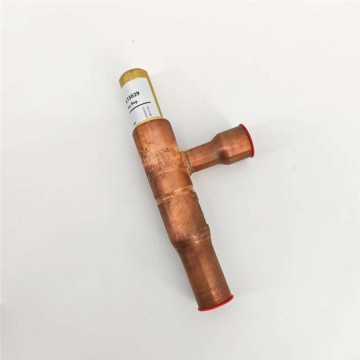
A liquid line solenoid valve is an electromagnetically controlled valve positioned in the liquid line of the refrigeration system, just before the expansion valve. Its primary function is simple yet vital: to stop the flow of liquid refrigerant to the evaporator when the compressor cycles off. This prevents refrigerant from migrating into the compressor crankcase during off-periods, a phenomenon that causes "liquid slugging" upon startup. In the maritime industry, where compressor replacement is highly expensive and logistically challenging, preventing liquid migration is a top priority for fleet engineers and maintenance crews.
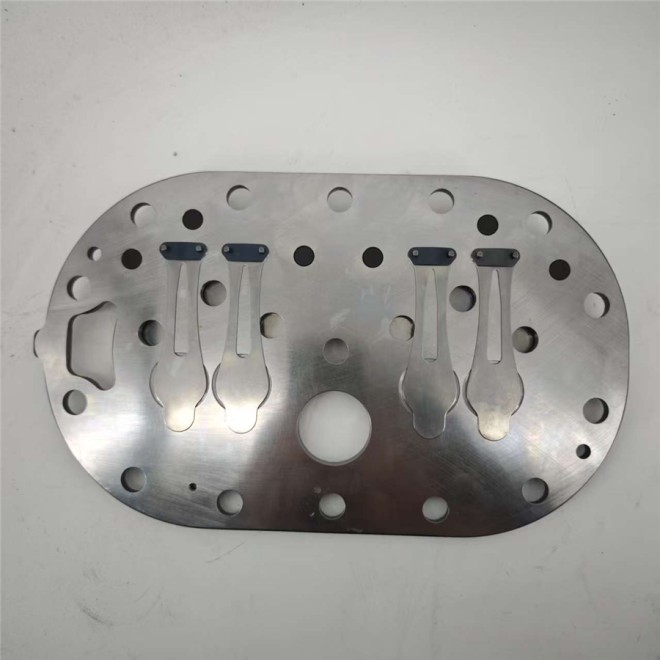
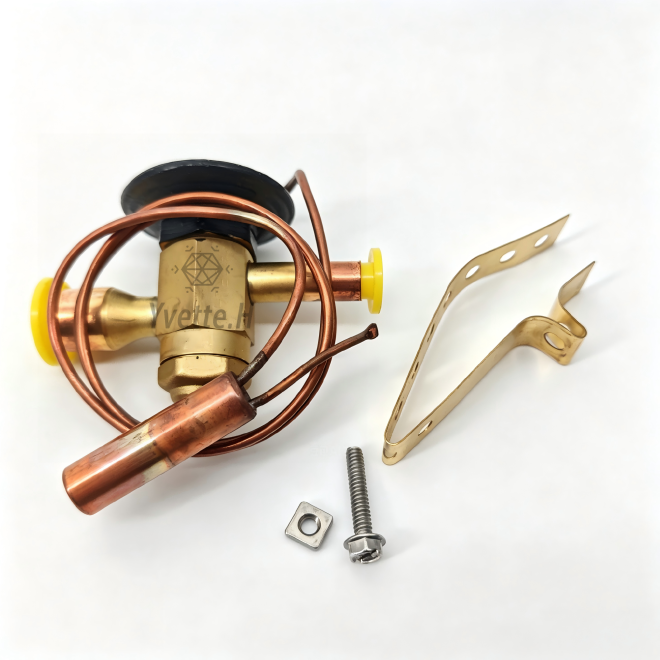
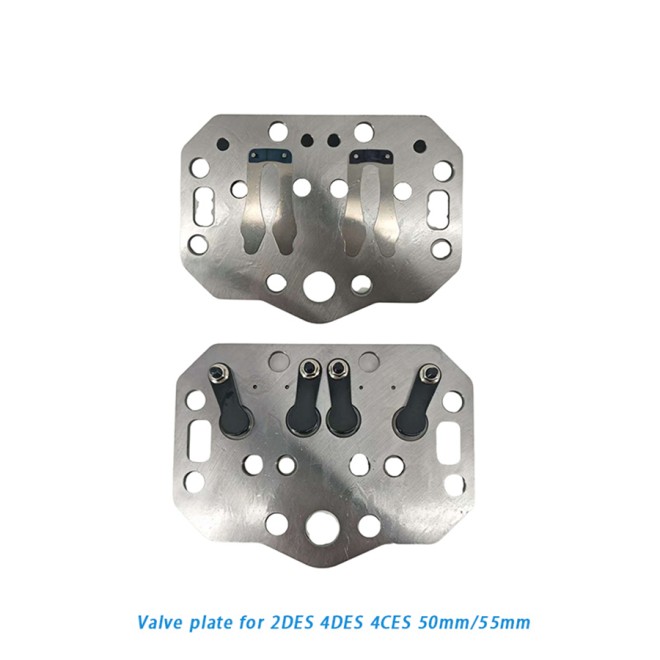
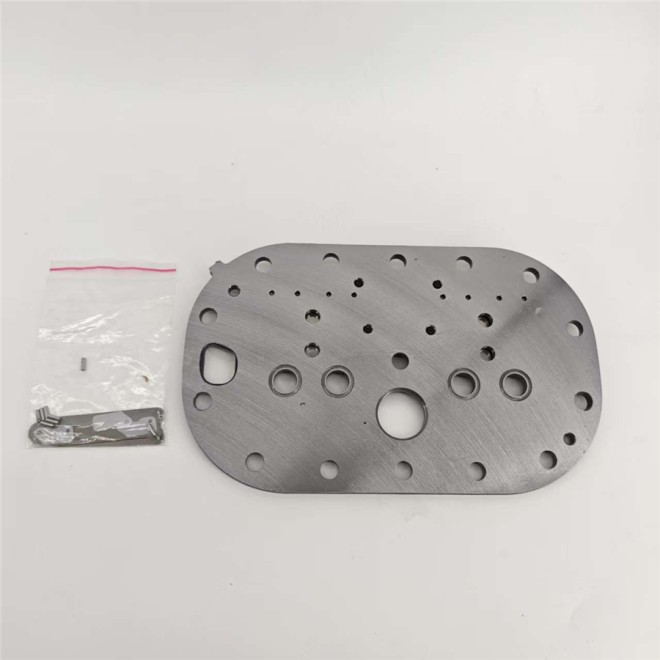
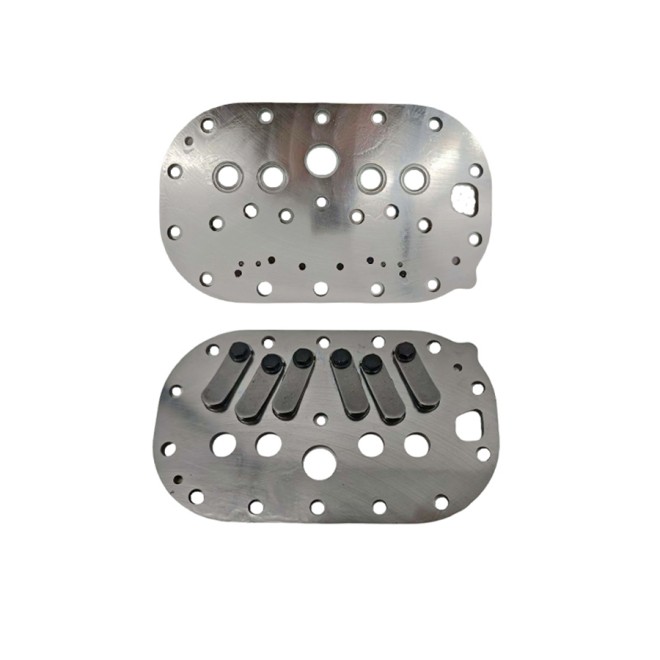
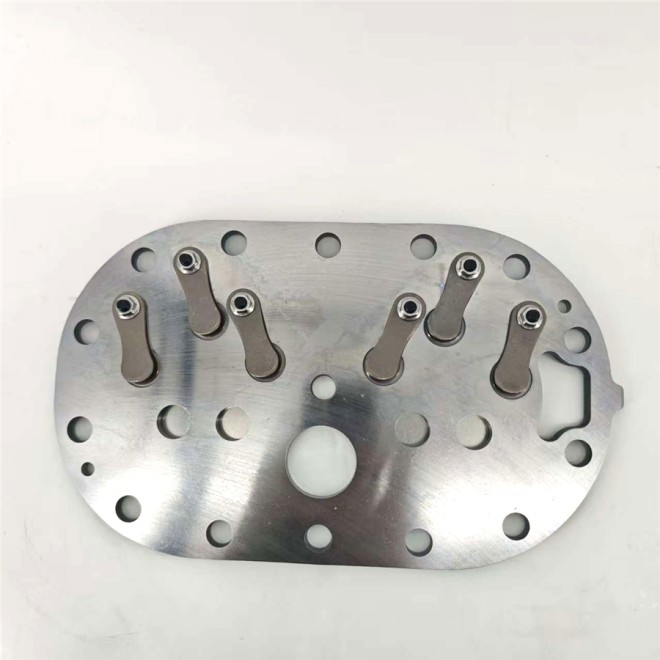
Industry Insight: Compressor failures on the high seas can lead to complete cargo loss. Maintaining the liquid line solenoid valve and associated components (such as valve plates and expansion valves) is the most cost-effective insurance policy for shipping lines.
The maritime shipping industry has seen a massive surge in the demand for refrigerated containers (reefers). As consumers worldwide expect year-round availability of fresh goods, the pressure on shipping fleets to maintain uninterrupted cold chains has never been higher.
Currently, the industry is transitioning toward more sustainable operations. This includes the adoption of low global warming potential (GWP) refrigerants, such as R-513A and CO2 (R-744), and the integration of IoT-enabled "smart reefers" that provide real-time monitoring of temperature, humidity, and system pressure. These advancements place new demands on refrigeration spare parts. Solenoid valves must now be engineered to handle higher operating pressures and exhibit complete compatibility with synthetic lubricants and modern eco-refrigerants.
Understanding where and how these valves fail or succeed is crucial for maritime refrigeration engineers. Let's look at the primary application scenarios:
When a reefer unit reaches its setpoint temperature, the controller de-energizes the solenoid valve coil, closing the valve. The compressor then runs for a short period to pump down the low side of the system before shutting off. By isolating the refrigerant in the high-pressure side (condenser and receiver), the valve ensures that no liquid refrigerant can condense in the cold evaporator or migrate to the compressor crankcase.
During defrost cycles, the liquid line solenoid valve must remain tightly shut to prevent liquid refrigerant from entering the evaporator, while hot gas is bypassed to melt ice buildup. Any internal leakage through the solenoid valve seat during this phase degrades defrost efficiency and delays the return to normal cooling operations.
Unlike stationary cold storage facilities, reefers on container ships are subjected to constant low-frequency vibrations from the ship's main engines and high-frequency shocks from wave impacts. This vibration can cause mechanical wear in the solenoid valve's internal plunger and spring mechanism, leading to valve sticking or failure to seal properly.
During routine maritime reefer container maintenance, technicians frequently encounter several issues related to the liquid line solenoid valve:
Xinchang Weien Import & Export Co., Ltd. is a reliable integrated industry and trading company, serving as a one-stop sourcing hub for refrigeration equipment and spare parts. We understand that sourcing refrigeration components from multiple suppliers can be time-consuming, costly, and logistically challenging. That is why we have built a comprehensive supply chain to meet all your refrigeration needs under one roof.
Our team focuses on delivering high-precision components that meet or exceed OEM standards, ensuring that maritime operators can maintain their reefer fleets without facing unexpected downtime or premature component failures.
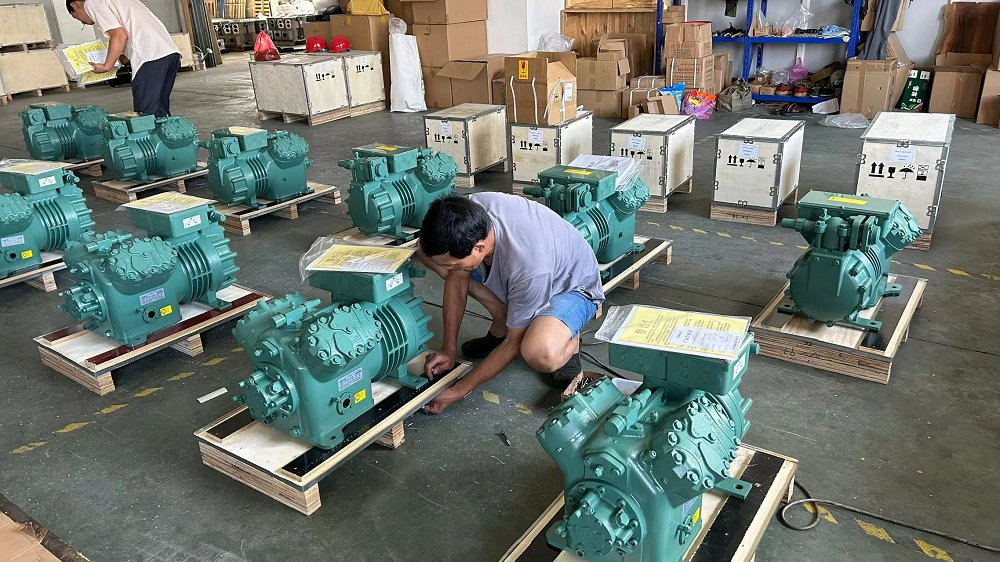
With a strong focus on quality and performance, we offer a comprehensive product portfolio compatible with world-leading brands such as Bitzer, Carrier, Thermo King, Copeland, and more. Our wide-ranging lineup covers everything from complete cold storage units to precision-engineered components.



Whether you need a full refrigeration system for a new warehouse or individual spare parts for routine maintenance, we have the right solution for you.
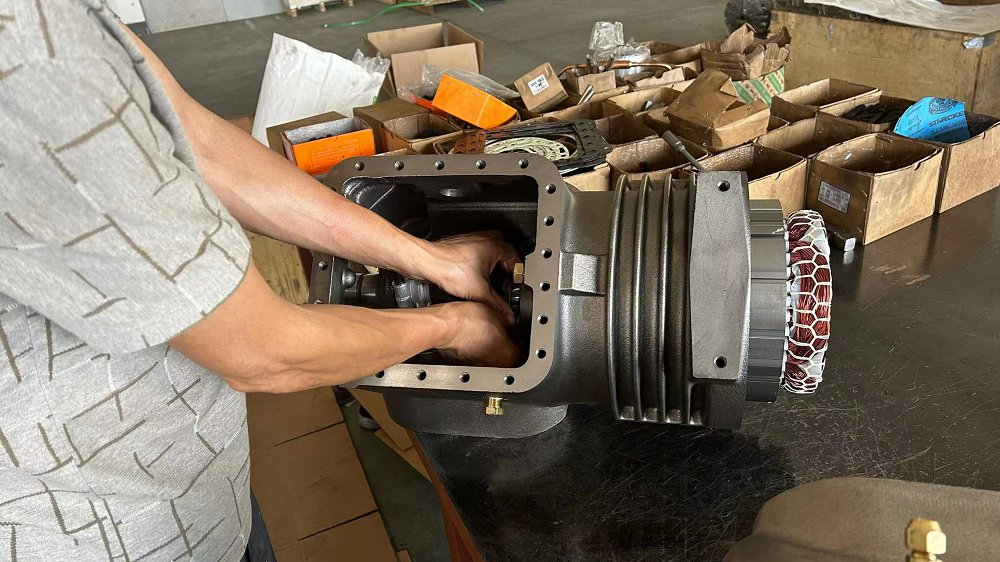
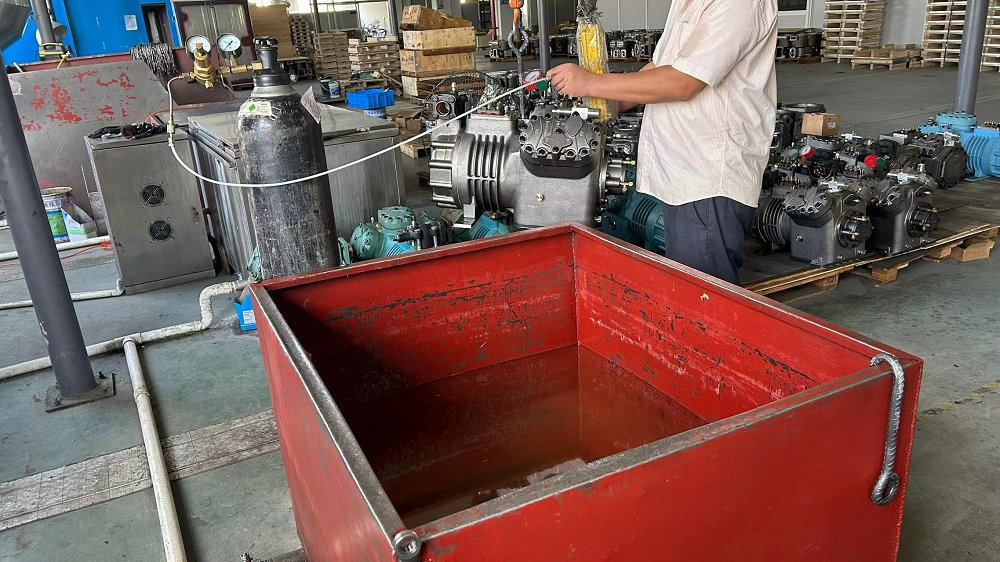
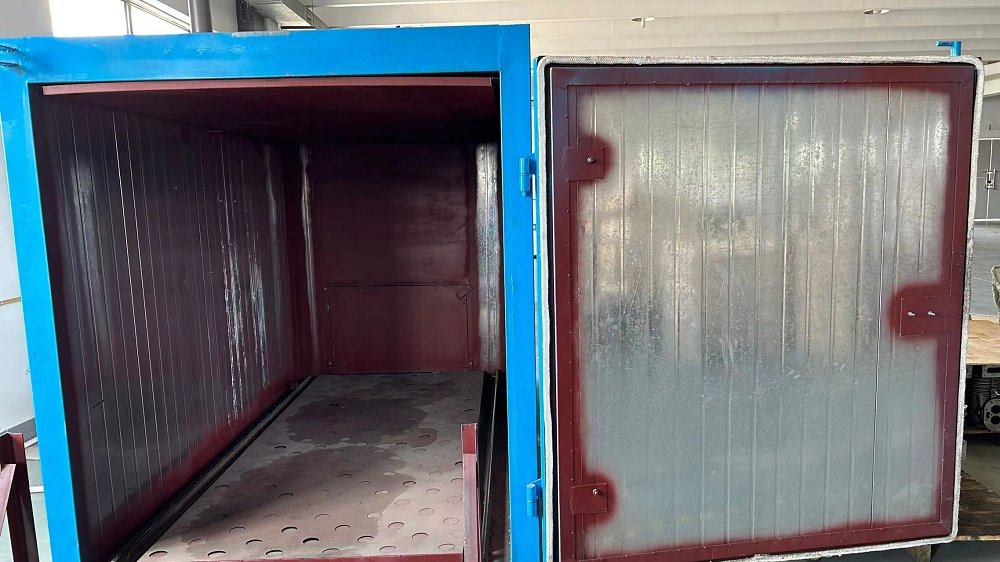
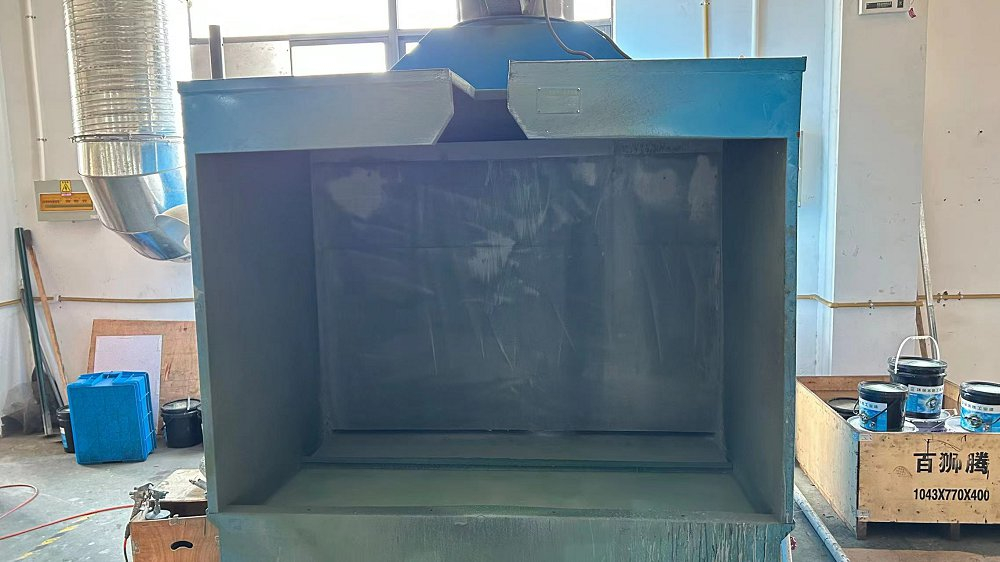
Quality assurance is integrated into every step of our manufacturing and packing workflow, ensuring that parts arrive at your shipyard or warehouse ready for immediate installation.