Leave Your Message
In the realm of commercial cold storage room construction, maintaining precise environmental parameters is not merely a matter of preservation—it is a critical economic driver. At the heart of these cold storage environments lies the low pressure control (LPC) system. Acting as a primary safeguard and regulator, low pressure control ensures that the refrigeration cycle operates within its designed thermodynamic limits.
During the construction and commissioning of industrial cold rooms, engineers must account for fluctuations in thermal load, ambient temperature variations, and potential refrigerant migration. The low pressure control acts as a sentinel, monitoring the suction pressure of the compressor. By detecting drop-offs in refrigerant flow or pressure, it prevents the compressor from operating under vacuum conditions, which can lead to motor burnout, air ingress, and catastrophic system failure.
Without accurate low pressure controls, refrigeration systems face severe operational risks. If the suction pressure drops too low, the evaporator temperature falls below freezing thresholds inappropriately, causing rapid coil icing. This blocks airflow, spikes energy usage, and eventually risks liquid refrigerant floodback, which can destroy reciprocating or screw compressors.
The global commercial cold storage market is undergoing rapid expansion, driven by the growth of online grocery delivery, pharmaceutical logistics (including vaccine storage), and strict food safety regulations. Consequently, cold storage room construction demands components that exhibit high reliability and compliance with international standards. When selecting low pressure controls, contractors look for robust compatibility with leading global brands such as Bitzer, Carrier, Copeland, and Thermo King.
Modern low-pressure controls must feature micro-adjustable cut-in and cut-out settings. This level of calibration ensures that the compressor cycles efficiently, reducing wear and tear on motor starters while maintaining tight temperature control within the cold storage envelope.
With the transition toward low-GWP (Global Warming Potential) refrigerants like R448A, R449A, CO2 (R744), and hydrocarbons, low pressure switches must be chemically compatible and pressure-rated for the specific thermodynamic properties of these alternative fluids.
Industrial cold storage rooms are increasingly managed via centralized Building Management Systems (BMS). Traditional mechanical pressure switches are being augmented or replaced by smart pressure transducers that send real-time 4-20mA or Modbus signals to PLC controllers for predictive maintenance.
Severe environmental conditions within plant rooms—humidity, vibrations, and temperature shifts—require controls encased in high-IP-rated housings (such as IP65/67) with heavy-duty silver contacts to ensure thousands of reliable electrical operations.



Low pressure control is not a one-size-fits-all component. Its application varies dramatically depending on the specific type of commercial cold storage facility being built. Below, we analyze three primary engineering scenarios where pressure management is paramount to operational success.
These facilities experience high traffic and frequent door openings, causing massive thermal spikes. Low pressure controls prevent the suction pressure from dropping too low when the cooling load drops suddenly after doors are closed, safeguarding the compressor from cycling too rapidly.
Operating at temperatures as low as -40°C, blast freezers require precise low pressure settings to manage high compression ratios. The control must prevent the compressor from operating in a deep vacuum, which can draw air and moisture into the system through seals.
Used for long-term storage of agricultural produce, CA rooms require precise humidity control. Low pressure control settings directly dictate the temperature difference (TD) across the evaporator coil, preventing moisture extraction and preserving produce weight.
With zero tolerance for temperature deviations, pharmaceutical cold rooms utilize redundant low pressure controls connected to alarm networks, ensuring immediate alert generation if pressure signatures deviate from strict setpoints.
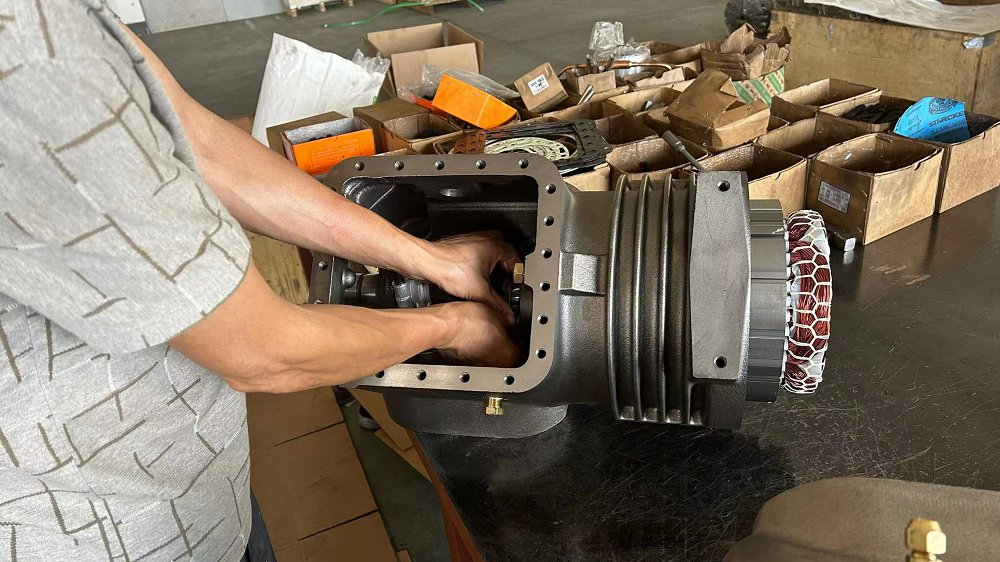
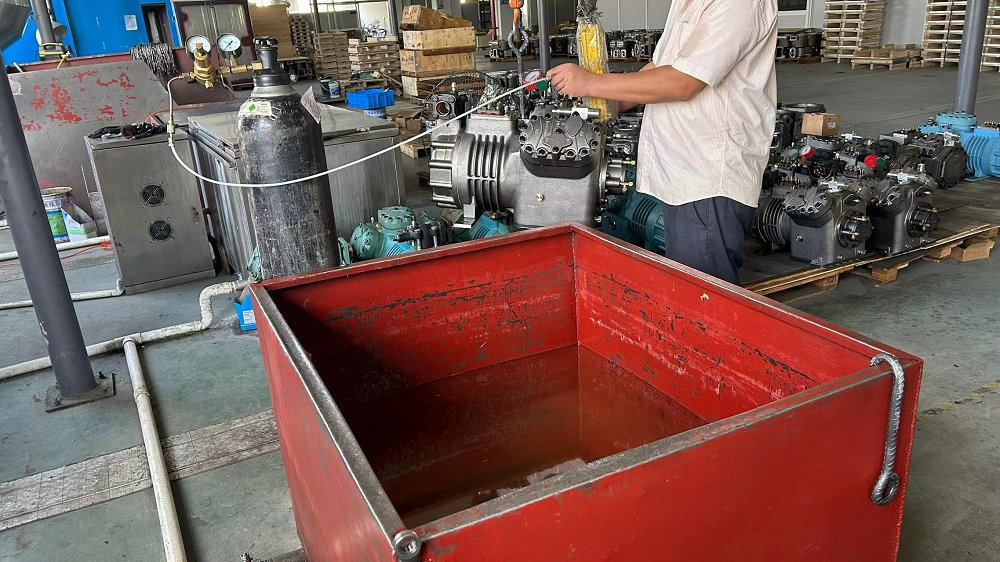
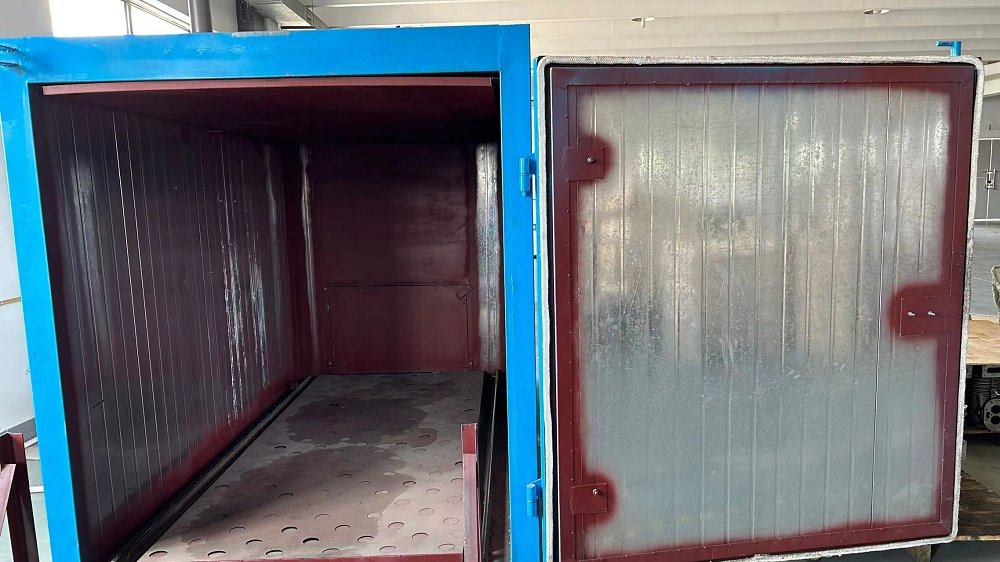
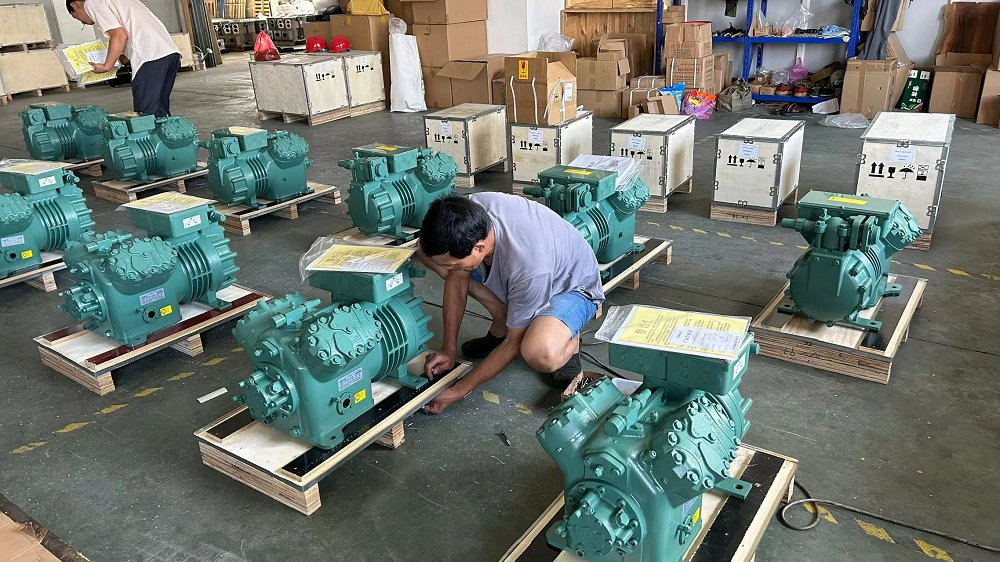
Integrating low pressure controls during cold storage room construction requires meticulous planning. The control must be mounted in a location that minimizes exposure to compressor discharge vibrations, which can cause premature mechanical failure or contact chatter. The sensing line should be taken from the top of the suction line to prevent oil from entering the pressure element, which could damp response times or cause inaccurate readings.
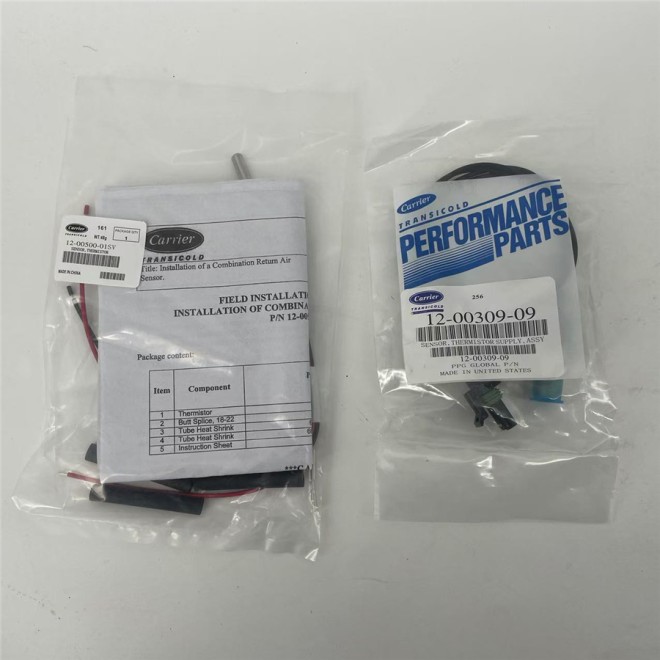
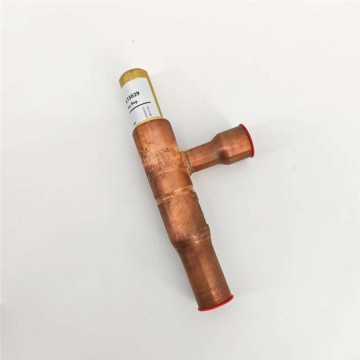
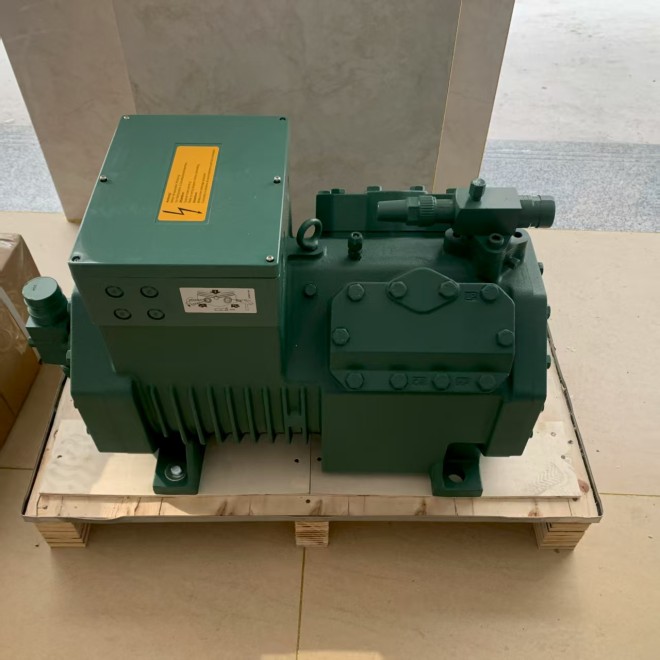
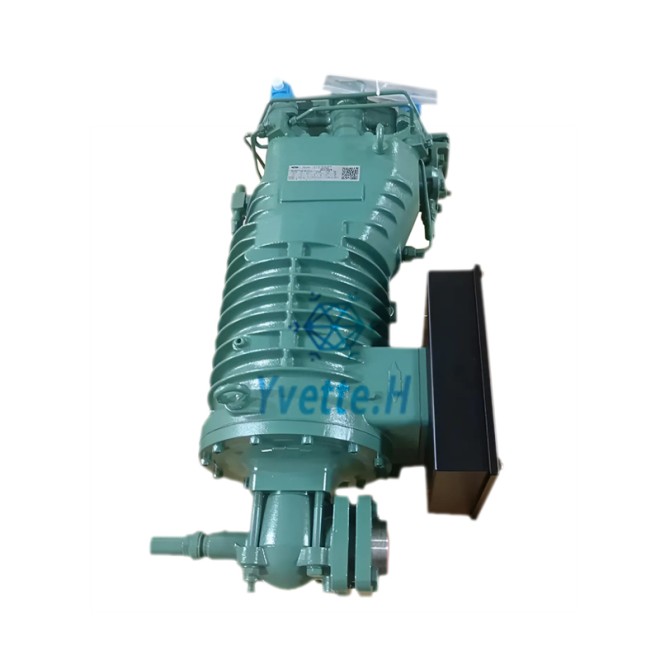
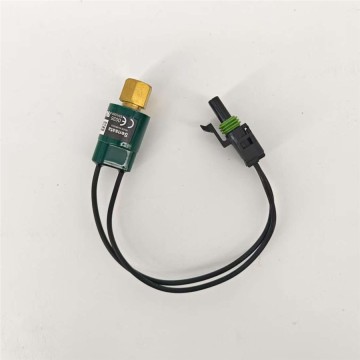
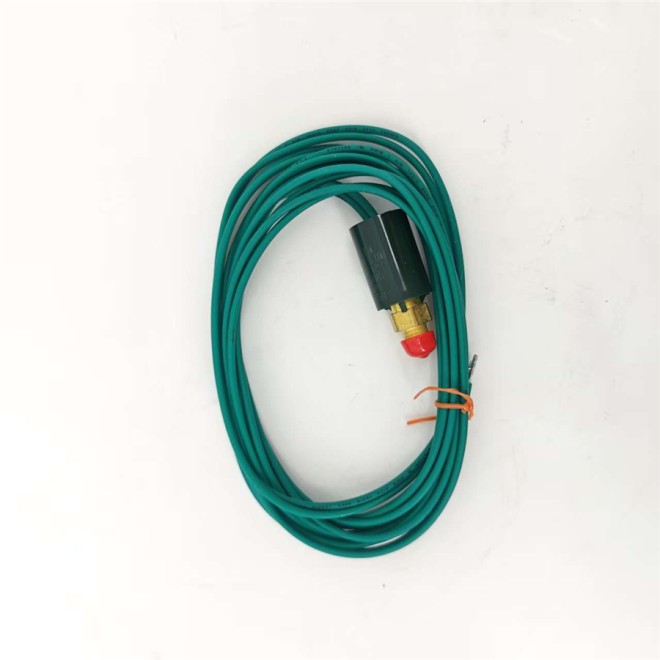
At Xinchang Weien, we supply high-precision pressure switches, thermistor sensors, and robust semi-hermetic/screw compressors engineered to withstand the demanding conditions of commercial cold room construction. Our components are designed to integrate seamlessly, ensuring your refrigeration loop remains sealed, monitored, and efficient.