Leave Your Message
In the contemporary logistics ecosystem, the integrity of cold chains is paramount. As global supply chains grow increasingly complex, the reliance on high-efficiency transportation cooling solutions has surged. Micro refrigeration units represent the cutting edge of this evolution, offering localized, ultra-precise temperature regulation. These compact units are no longer confined to static cold boxes; they are dynamically integrated into transport fleets, delivery vans, and heavy-duty reefer containers.
For fleet operators managing Carrier Transicold systems, ensuring that every micro refrigeration unit runs at peak efficiency is not just a operational goal—it is a financial necessity. The industrial landscape has shifted from reactive repair schedules to predictive maintenance regimes. This transformation requires immediate access to top-tier, reliable fleet spare parts that match or exceed original equipment manufacturer (OEM) standards. The cost of a cargo loss due to thermal deviation can easily dwarf the cost of premium replacement sensors, controllers, and compressors.
Modern fleets face strict regulatory frameworks such as the FDA's Food Safety Modernization Act (FSMA) and the European Union's Good Distribution Practice (GDP) for pharmaceuticals. These regulations dictate that temperature-controlled assets must maintain constant, verifiable thermal states. Consequently, micro refrigeration units have become highly sophisticated, featuring integrated telemetry, IoT sensors, and modular components.
According to recent logistics research, component failure in micro refrigeration systems accounts for over 40% of unplanned fleet downtime. Utilizing robust spare parts like verified thermistors and heavy-duty pressure switches significantly reduces these costly operational bottlenecks.
The applications for micro refrigeration units within Carrier Transicold fleets are vast and highly specialized. Understanding these scenarios helps fleet maintenance managers choose the exact spare parts required for their unique operating environments.
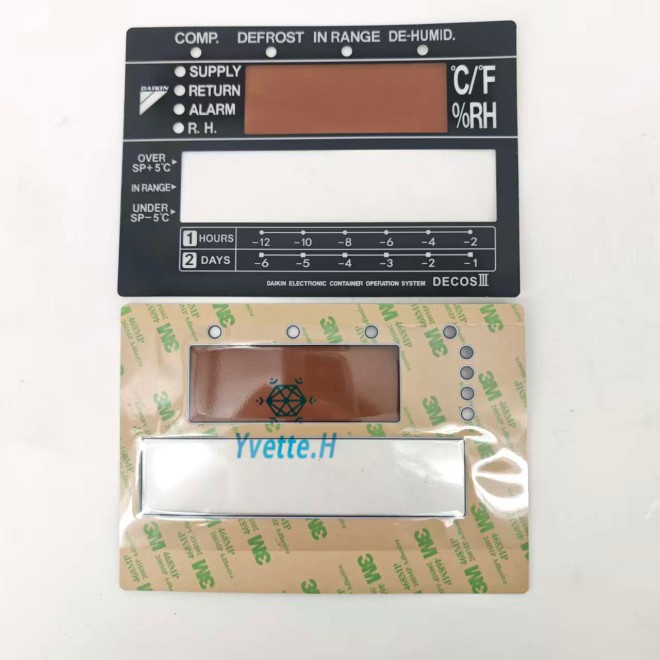
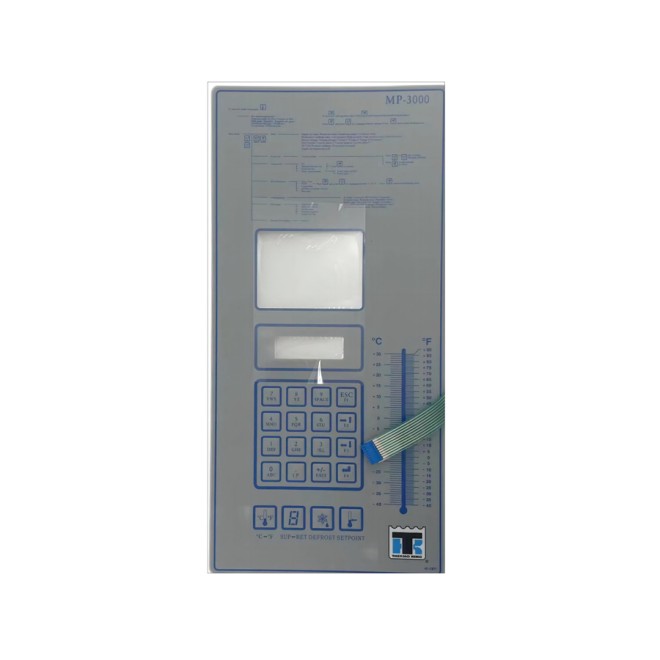
The explosion of online grocery shopping has created a massive demand for multi-temperature delivery vehicles. Fleet operators use micro refrigeration units to partition standard delivery vans into distinct zones: frozen, chilled, and ambient. These micro units run off the vehicle's electrical system, demanding highly efficient control mechanisms. In this scenario, replacement parts like custom keypads, display panels, and sensitive temperature probes must withstand constant door openings, vibration, and urban stop-and-go cycles.
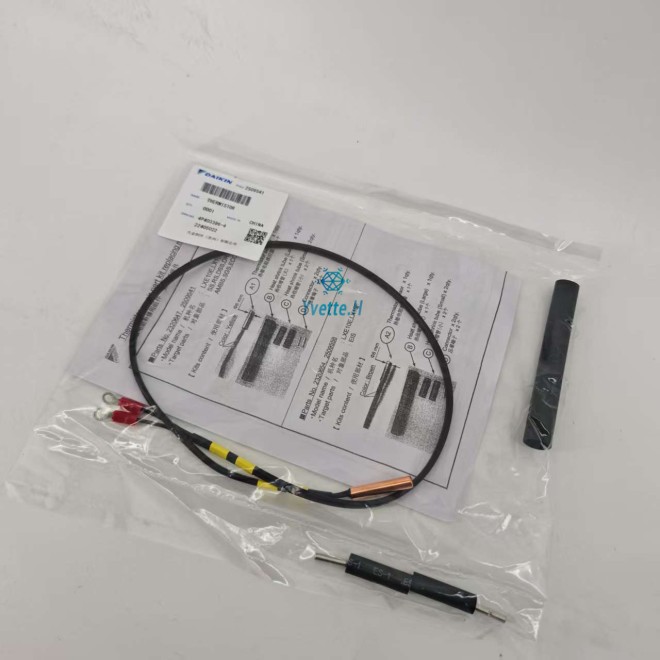
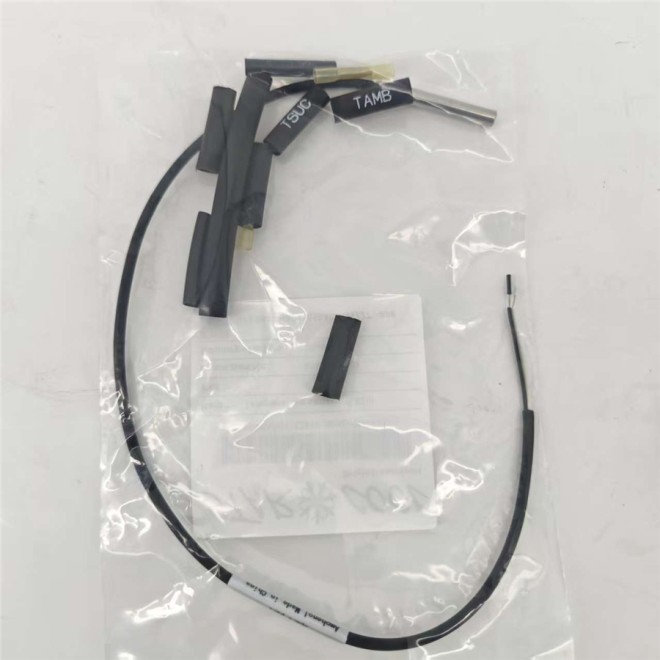
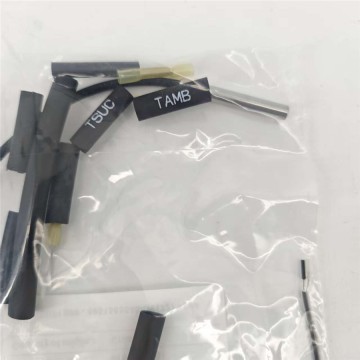
Biologics, vaccines, and clinical trial materials are highly sensitive to even minor temperature fluctuations. A deviation of just 2°C can ruin millions of dollars worth of pharmaceutical inventory. Micro refrigeration units deployed on Carrier Transicold reefers in this sector require ultra-reliable sensors. Replacement parts such as the 2509541 Thermistor EOS Sensor or the 818940A Temperature Sensor are critical components that feed real-time data back to the central controller, triggering micro-adjustments to the compressor speed and refrigerant flow.
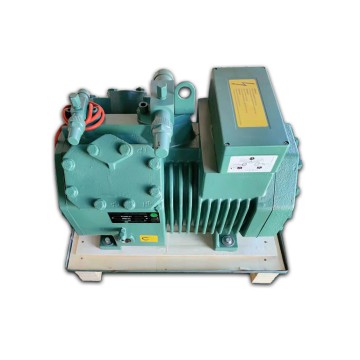
When containers are loaded onto cargo ships for transoceanic voyages, they are exposed to extreme environmental conditions, including salt spray, high humidity, and wide ambient temperature swings. The internal micro refrigeration systems must operate continuously for weeks without physical inspection. Fleet spare parts utilized in marine reefers, such as semi-hermetic reciprocating compressors and high-pressure switches, must be built to marine-grade specifications. A failed pressure switch in the middle of the Pacific Ocean could lead to the loss of an entire shipment of fresh produce.
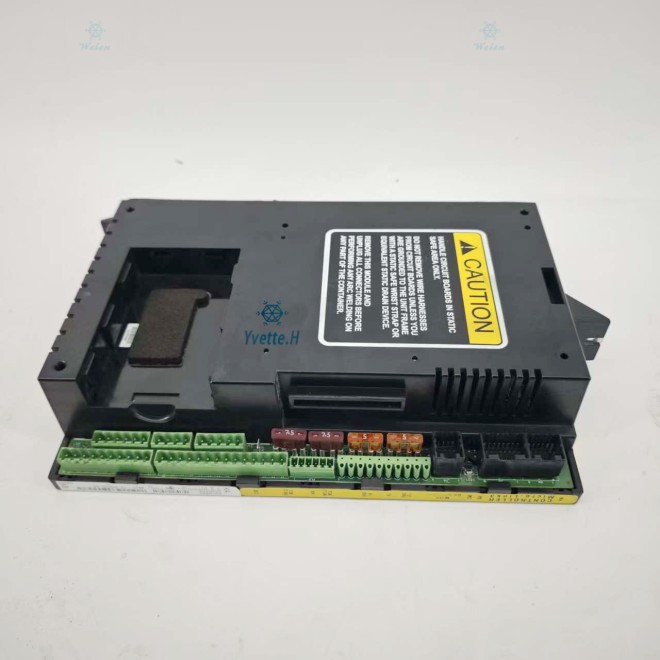
As smart warehousing and automated logistics expand, micro refrigeration units are increasingly integrated into autonomous mobile carts and robots. These systems operate inside large distribution centers, moving perishable goods between deep-freeze storage and shipping docks. These units rely heavily on compact electronic controllers, such as the Micro-Link 3 Controller, to communicate with warehouse management software and optimize energy consumption while keeping goods at their exact thermal setpoint.
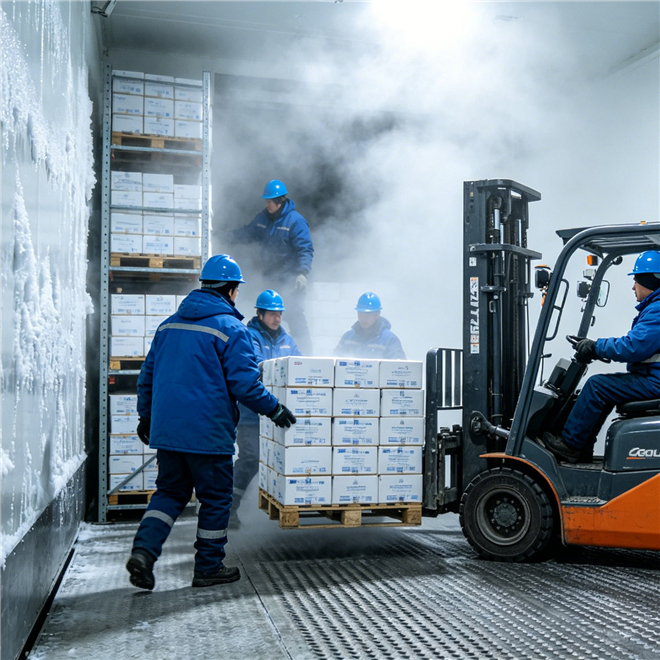

Lies in our extensive inventory and product diversity — reducing the need for multiple suppliers and simplifying your procurement process. By consolidating your sourcing with us, you save time, reduce shipping costs, and minimize administrative overhead.

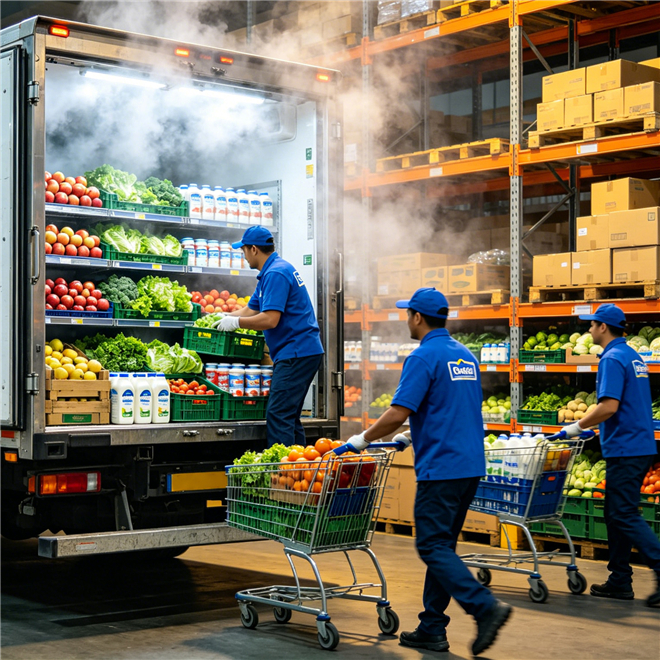
At Xinchang Weien, customer satisfaction is at the core of what we do. With solid industry expertise and a commitment to reliable service, we don't just supply products — we aim to exceed your expectations and support the long-term success of your refrigeration operations. Contact us today to experience the convenience of one-stop refrigeration sourcing.
The future of transport refrigeration is deeply intertwined with electrification and smart diagnostics. As logistics fleets transition to electric vehicles (EVs), traditional belt-driven compressors are being replaced by hermetic scroll and reciprocating compressors powered by high-voltage DC battery packs. This requires micro refrigeration units to operate with unprecedented electrical efficiency. Intelligent control modules, such as the Micro-Link 3, are receiving software updates to manage power-saving algorithms and dynamically balance the vehicle's propulsion battery limits with the refrigeration load.
Furthermore, the integration of artificial intelligence (AI) in fleet telematics is driving the adoption of predictive maintenance. Instead of waiting for a temperature sensor to fail, AI algorithms analyze minor deviations in resistance values over time. By identifying these patterns early, fleet managers can replace a degrading sensor or control keypad during routine servicing, completely avoiding on-road thermal failures.
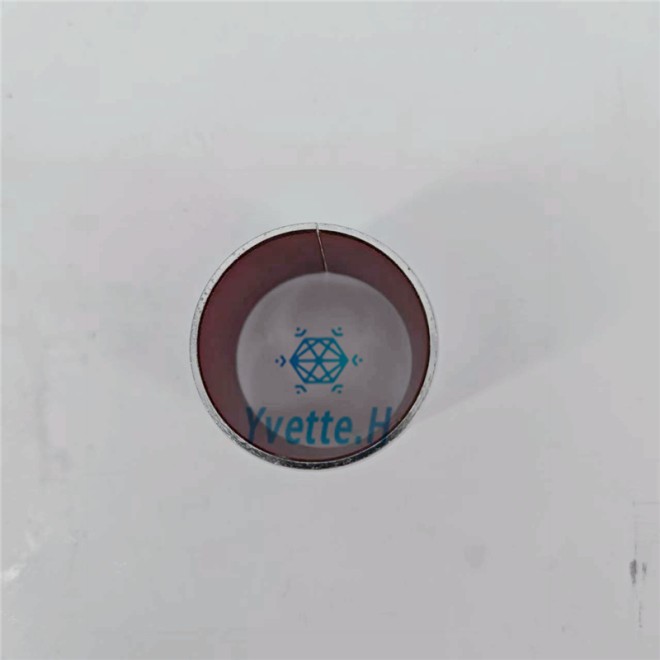
Global environmental regulations are forcing a phase-out of high-GWP (Global Warming Potential) hydrofluorocarbons (HFCs) in favor of natural refrigerants like CO2 (R-744) and hydrofluoroolefins (HFOs). These new refrigerants operate under significantly higher pressures and different thermodynamic properties. Consequently, spare parts such as high-pressure switches, expansion valves, and compressor bearing bushes must be redesigned to withstand harsher chemical environments and higher mechanical stresses. Purchasing parts engineered to handle these modern refrigerants ensures future-proof compliance for your entire Carrier Transicold fleet.
Ensuring that replacement keypads, controllers, and sensor probes comply with international standards is vital for cross-border logistics fleets. High-quality aftermarket parts guarantee seamless integration with existing Carrier Transicold systems without triggering error codes or system faults.