
Cold Chain Vendor Selection: Factory-Audited Condensing Unit Suppliers with In-House Machining vs. Pure Trading Companies
Why Cold Chain Buyers Are Demanding Factory Audits Before They Sign
A cold chain procurement manager at a Middle Eastern food-service integrator opened a vendor-bid spreadsheet in late 2025 and counted twenty-eight active supplier relationships in the refrigeration compressor scope. Twenty-three of them were trading companies. Five were factories. The twenty-three trading companies had delivered 71 percent of last year's condensing unit spend — but they had also generated 92 percent of the quality incidents, 87 percent of the warranty disputes, and 100 percent of the cases where the supplier switched its underlying factory without notice. The procurement manager's response was to issue a written policy: as of Q1 2026, every new condensing unit supplier must hold a current third-party factory audit report before the buyer issues the first purchase order. The twenty-three trading companies that did not control a factory would have to either partner with an audited factory or lose the business.
This is the trend that cold chain procurement teams are running in 2026. The shift from trading-company sourcing to factory-audited sourcing is driven by four forces that have compounded over the last three years. First, the quality incidents: multiple high-profile cases of trading companies switching factories without notice have made procurement managers unwilling to accept a supplier's self-declaration. Second, the certification landscape has tightened: many destination markets now require evidence of the factory's certification scope (not just the trading company's), and a factory audit is the cleanest way to collect that evidence. Third, the warranty chain has become more complex: brand owners want to know exactly which factory built their condensing unit so they can file a direct warranty claim when needed. Fourth, the ESG disclosure requirements that brand owners face require them to disclose the manufacturing source of their products, and a factory audit report is the standard evidence.
The downstream consequence is that factory-audited condensing unit suppliers with condensing unit factory in-house production capability are capturing share that used to flow through trading companies. The buyers are willing to pay a 5 to 15 percent unit-price premium for the audit evidence, because the total cost of ownership (lower warranty cost, lower quality-incident cost, lower re-audit cost) typically offsets the premium over a 3- to 5-year supply horizon.
The Six Dimensions of a Factory Audit for a Condensing Unit Supplier
A factory audit for a condensing unit supplier covers six dimensions. Each dimension is scored on a defined scale (typically 1 to 5 or 1 to 10), and the buyer uses the aggregate score plus the dimension-level scores to make the vendor-qualification decision.
| Dimension | What the auditor checks | Why it matters | Typical scoring weight |
|---|---|---|---|
| People | Engineering headcount, technician headcount, turnover rate, training records | Engineering depth determines the supplier's ability to handle new specifications and to solve field problems | 15 percent |
| Equipment | Machine park on site, machine age, maintenance plan, calibration records | Equipment age determines the supplier's machining precision and its capacity to handle peak demand | 20 percent |
| Process | Assembly process flow, leak-test process, pre-shipment acceptance test (PSAT) procedure | Process discipline is the leading indicator of unit-to-unit quality consistency | 25 percent |
| Material | Supplier list for key components (compressors, condensers, control panels), incoming-inspection procedure, traceability | Material traceability determines the supplier's ability to investigate warranty claims | 15 percent |
| Environment | Working conditions, ventilation, refrigerant storage, hazardous-materials handling | Environment compliance determines the supplier's ESG profile and its acceptance by destination-market regulators | 10 percent |
| System | Quality management system (typically ISO 9001), document control procedure, corrective-action procedure | System discipline determines the supplier's ability to maintain quality over a multi-year relationship | 15 percent |
The six dimensions are scored individually and aggregated into a single vendor-qualification score. Buyers typically require a minimum aggregate score (often 70 or 75 out of 100) plus a minimum score on the process dimension (often 3 out of 5) to qualify a new vendor. The audit report is valid for 12 months; the supplier must be re-audited annually to maintain qualified status.
The audit is run by the buyer or by a third-party auditor (typically BSI, SGS, TÜV, or a regional certification body), and the output is a scored report on each of the six dimensions, with a recommendation for the buyer's vendor qualification. The audit cost is typically USD 3,000 to USD 8,000 per supplier for a 2- to 5-day on-site audit, plus report writing. The cost is borne by the buyer or split with the supplier, depending on the buyer's procurement policy.
In-House Machining: What It Tells You About the Supplier
In-house machining capability is the cleanest single signal of whether a condensing unit supplier is a real factory. Five capabilities separate a real factory from a light-assembly shop or a trading company.
Lathe capability
The supplier can machine a custom copper fitting, a custom receiver end-cap, or a custom valve body on-site without sourcing out. A real factory has at least two lathes (typically one manual and one CNC), and the supplier's machine list should include lathe model, axis count, and maximum workpiece size. A light-assembly shop has one manual lathe and outsources everything else. A trading company has no lathes and outsources 100 percent of the machining.
Milling capability
The supplier can cut a custom mounting bracket, a custom control panel face, or a custom frame component on-site without sourcing out. A real factory has at least one milling machine (manual or CNC), and the supplier's machine list should include milling model, table size, and axis count. A light-assembly shop has one small milling machine and uses it for occasional brackets. A trading company has no milling and outsources 100 percent.
CNC capability
The supplier has at least one CNC machine (typically a CNC lathe or a CNC machining centre) for higher-precision components. CNC capability is the single strongest signal of a real factory: the capital cost of a CNC machine (USD 50,000 to USD 500,000 depending on size) is a significant commitment that a light-assembly shop and a trading company do not make. A real factory typically has 2 to 5 CNC machines; a light-assembly shop has 1; a trading company has 0.
Drilling capability
The supplier has a drill press and a tap set, indicating it can machine threaded holes in custom components. This is the lowest-capability signal: a real factory has multiple drill presses and a tap set covering metric and imperial threads; a light-assembly shop has one drill press; a trading company outsources all drilling.
Grinding capability
The supplier has a surface grinder or a cylindrical grinder, indicating it can finish bearing surfaces or mating surfaces to a controlled tolerance. This is the highest-capability signal: a surface grinder or a cylindrical grinder is a specialised machine that only a real factory invests in. A light-assembly shop does not have a grinder; a trading company outsources all grinding.
A supplier with all five capabilities is a real factory. A supplier with two or three is a light-assembly shop (it can do some custom work but outsources the rest). A supplier with one or none is a trading company. The audit report should explicitly score each of the five capabilities, and the buyer should require the supplier to share its machine list with model numbers and acquisition dates as part of the audit evidence.
Pure Trading Companies: The Five Risks They Cannot Disclose
Pure trading companies in refrigeration compressor procurement carry five risks that they typically do not disclose to the buyer. The risks are structural to the trading-company model, not unique to any particular trading company, and they explain why factory-audited suppliers are gaining share.
Risk 1 — Quality variance
The trading company sources from one or more anonymous factories, and the factory changes without notice when the price moves. The trading company presents a quotation based on Factory A's pricing; the purchase order is placed; the production is scheduled; the factory that actually builds the unit turns out to be Factory B (or Factory C) because Factory A's queue was full or Factory A's price moved up. The buyer receives a unit built by an un-audited factory with different quality discipline. The trading company does not disclose the switch.
Risk 2 — Warranty friction
When a compressor fails in the field, the warranty path crosses two parties: the trading company says the failure was caused by the factory's poor assembly; the factory says the compressor was running outside its envelope. The buyer ends up arbitrating a warranty dispute between two parties that have no contractual relationship with each other. The trading company does not have the technical authority to negotiate with the factory on the buyer's behalf, because the trading company's contract with the factory covers price and delivery, not warranty terms.
Risk 3 — Certification ambiguity
The trading company claims a certification scope (CE, UL, ETL, or KC) that the underlying factory does not actually hold. The trading company's website lists the certification mark; the trading company's quotation references the certification; but when the buyer asks for the underlying certificate document, the trading company cannot produce one because the certificate belongs to a different factory that the trading company used to work with. This risk has grown as more destination markets require evidence of the factory's certification scope.
Risk 4 — Delivery slip
The trading company has no production-line visibility and cannot give the buyer an honest lead time when the factory's queue is full. The trading company quotes a 4-week lead time; the factory's queue is 8 weeks; the buyer receives the unit in week 10 with no advance warning. The trading company's response is that the factory slipped, which the trading company claims to have just learned about. The buyer cannot enforce the original 4-week commitment because the trading company's contract is with the buyer, not the factory.
Risk 5 — Engineering-change opacity
When the factory changes a component or a process, the trading company does not communicate the change to the buyer, and the buyer's specification drifts over time. A factory might switch from Brand X contactors to Brand Y contactors because Brand X raised its price; the buyer's specification said Brand X; the unit arrives with Brand Y; the trading company does not flag the substitution. Over a 3-year supply horizon, the buyer's specification can drift significantly from the actual delivered product, which complicates warranty claims and downstream service.
How to Read a Factory Audit Report Without Visiting the Site
Not every cold chain procurement team has the budget to visit every supplier's site in person. The audit report itself, when read carefully, gives the buyer enough signal to make a vendor-qualification decision without an on-site visit. Eight indicators separate a substantive report from a superficial one.
- The auditor's name and credentials. A third-party auditor with a BSI or SGS qualification carries more weight than an in-house auditor from the buyer. The auditor's name, qualification, and certification body should be on the cover page of the report.
- The audit date and on-site time. An audit of less than 4 hours on site is usually superficial; an audit of more than 8 hours is substantive. The on-site time should be recorded in the report's introduction.
- The audit scope. The report should explicitly cover the six dimensions (people, equipment, process, material, environment, system) and score each. A report that covers fewer than six dimensions is incomplete.
- The auditor's photographic evidence. A report with 20 or more on-site photos carries more weight than a report with 2. The photos should include the machine park, the assembly line, the test bench, the warehouse, and the quality documentation area.
- The corrective-action list. A report with no corrective actions is suspicious; a real audit always finds issues. The corrective-action list should be specific, with a finding, a root cause, a corrective action, a deadline, and a responsible person for each finding.
- The follow-up plan. The report should commit to a follow-up audit in 6 to 12 months. A one-off audit with no follow-up is a snapshot, not a vendor-qualification.
- The supplier's signed acceptance. A supplier that signs the corrective-action plan is a real factory; a supplier that disputes every finding is a trading company with no authority over its underlying factory.
- The cross-references. The report should reference the supplier's quality manual and the relevant ISO 9001 clauses. A report without cross-references is not tied to the supplier's quality system.
Buyers who apply all eight indicators to a candidate supplier's audit report can make a vendor-qualification decision without visiting the site. The decision still carries some risk — a written report cannot fully replace the audit's gut feel from walking the factory floor — but the risk is much smaller than the risk of qualifying a supplier without an audit at all.
Three Documents That Separate a Real Factory from a Trading Company
Three documents, when requested as part of the factory audit, give the buyer a definitive answer on whether the supplier is a real factory or a trading company. The documents are standard in any ISO 9001-certified factory; they are not standard in a trading company.
Document 1 — The machine list with model numbers and acquisition dates
The machine list is the cleanest single document. A real factory maintains a machine list that includes each machine's model number, serial number, acquisition date, last-maintenance date, and current status (in service / under repair / retired). The list should cover the lathes, the milling machines, the CNC machines, the drill presses, the grinders, the welding stations, the leak-test stations, and the PSAT stations. A trading company cannot produce a machine list because it does not own machines. A light-assembly shop produces a partial list (typically 1 or 2 machines).
Document 2 — The build sheet for a recent production run
The build sheet for a recent production run (typically the last 30 to 90 days) is the second cleanest document. A real factory maintains a build sheet for every condensing unit that ships, with the serial number, the build date, the compressor serial number, the condenser serial number, the control panel serial number, the refrigerant charge, the PSAT result, and the destination customer. A trading company cannot produce a build sheet because it does not run a production line. A light-assembly shop produces a partial build sheet that covers the final assembly but not the sub-components.
The build sheet is also the buyer's warranty audit trail: when a unit fails in the field, the buyer can request the build sheet by serial number and trace the failure to a specific component batch. This is the mechanism by which the factory's quality system extends into the buyer's after-sales service. For more detail on what the compressor-side build-sheet entries look like, the compressorweien.com key-components-of-a-refrigeration-compressor reference walks through the major components and their typical batch-level identifiers.
Document 3 — The supplier list for key components
The supplier list for key components (compressors, condensers, control panels, contactors, expansion valves, solenoid valves) is the third cleanest document. A real factory maintains a supplier list with each supplier's name, the component supplied, the supplier's audit status, the annual purchase volume, and the alternates identified for risk-management purposes. A trading company cannot produce a supplier list because it does not procure components directly. A light-assembly shop produces a partial list that covers the final-assembly components but not the sub-assembly components.
The three documents together — machine list, build sheet, supplier list — give the buyer a definitive answer on whether the supplier is a real factory, a light-assembly shop, or a trading company. A buyer who is uncertain about a candidate supplier should request all three as part of the qualification process, and should reject the supplier if any of the three cannot be produced.
Six Questions to Ask the Supplier During the Audit Walk
The factory walk is the audit's most valuable 4 to 8 hours. Six questions, asked at the right moment during the walk, give the auditor the signal that the written documents cannot.
- Question 1 — "Show me the most recent PSAT result for a unit on the test bench right now." A real factory has a unit on the test bench most days; a trading company has no test bench. The auditor asks the question, the supplier walks to the test bench, and the auditor sees the PSAT in progress.
- Question 2 — "Walk me through the leak-test process for this unit." A real factory's technicians can describe the leak-test process in detail (test medium, test pressure, dwell time, pass criterion). A trading company's technicians give a vague answer. The auditor asks the question and listens for specificity.
- Question 3 — "Where is the build sheet for the unit on the test bench?" A real factory produces the build sheet within minutes. A trading company cannot produce one because the factory (not the trading company) maintains the build sheet, and the trading company's staff do not have access to the factory's records.
- Question 4 — "Show me the calibration certificate for the pressure gauge on the test bench." A real factory has a current calibration certificate from an accredited calibration lab. A trading company's pressure gauge has no calibration certificate.
- Question 5 — "Walk me through the corrective-action procedure for a field failure." A real factory's quality manager can describe the procedure in detail (failure report, root-cause analysis, corrective action, customer notification, follow-up verification). A trading company gives a vague answer because the trading company does not run the procedure.
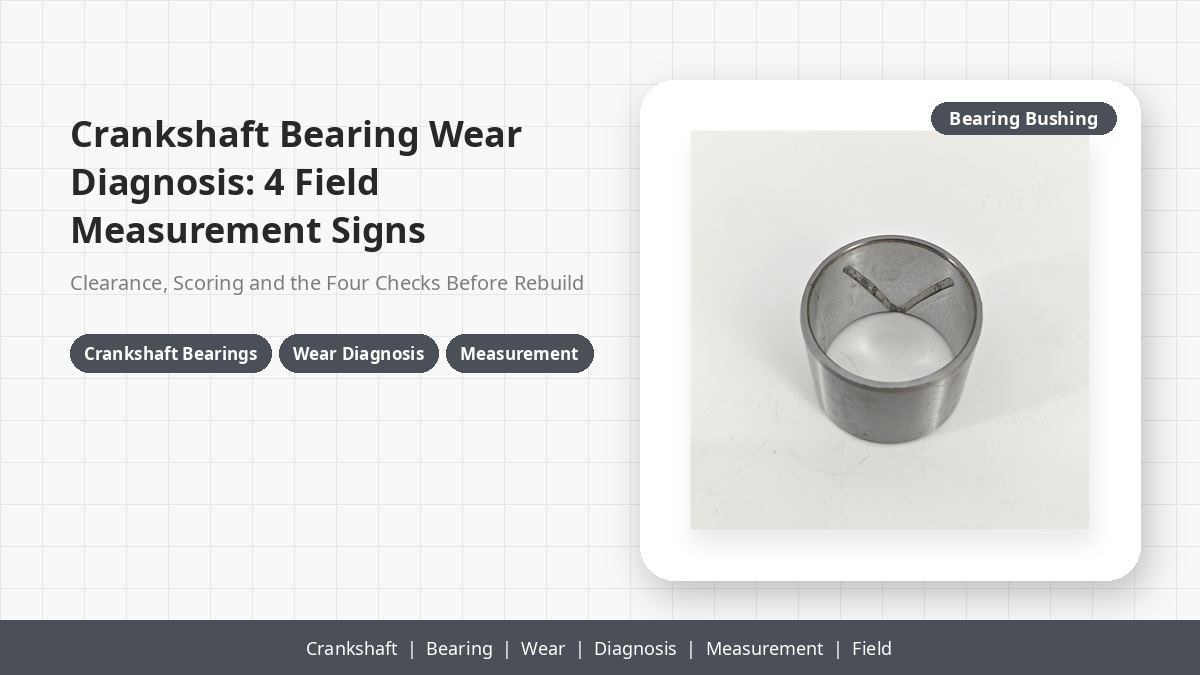
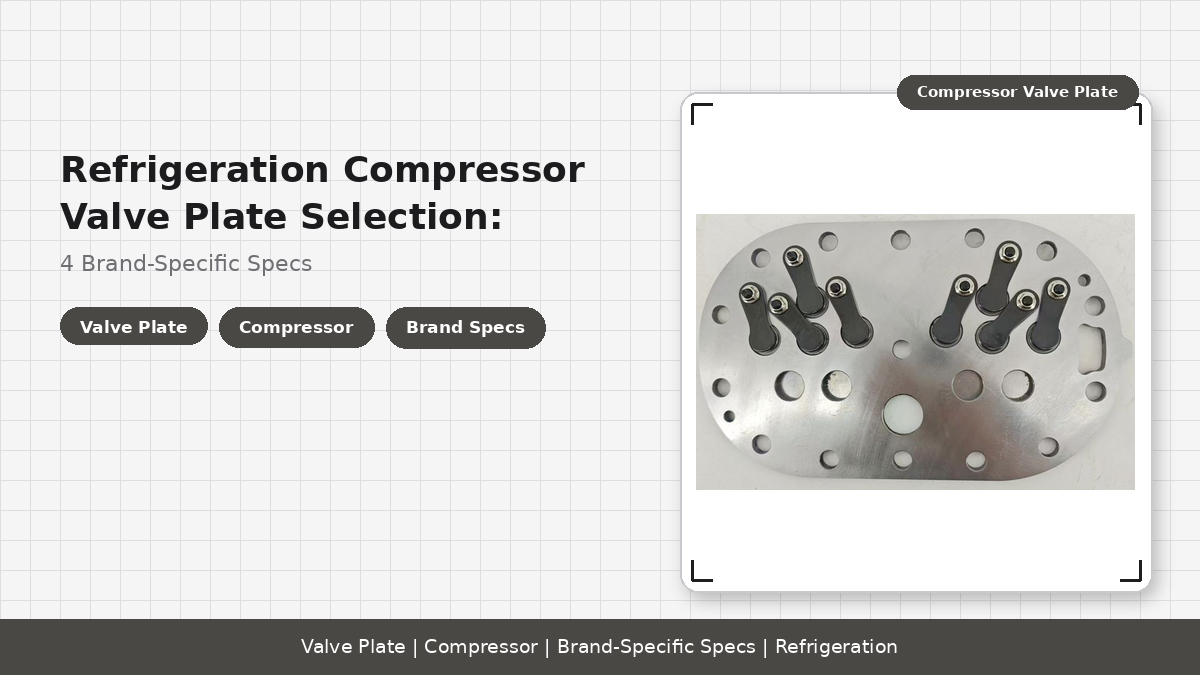
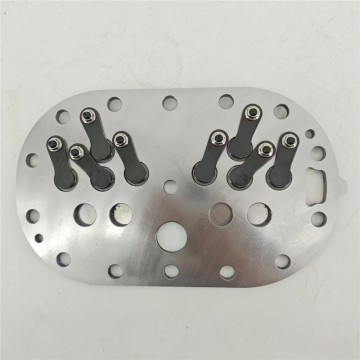
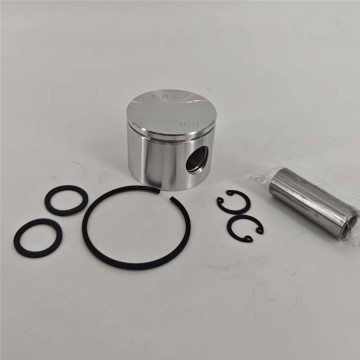
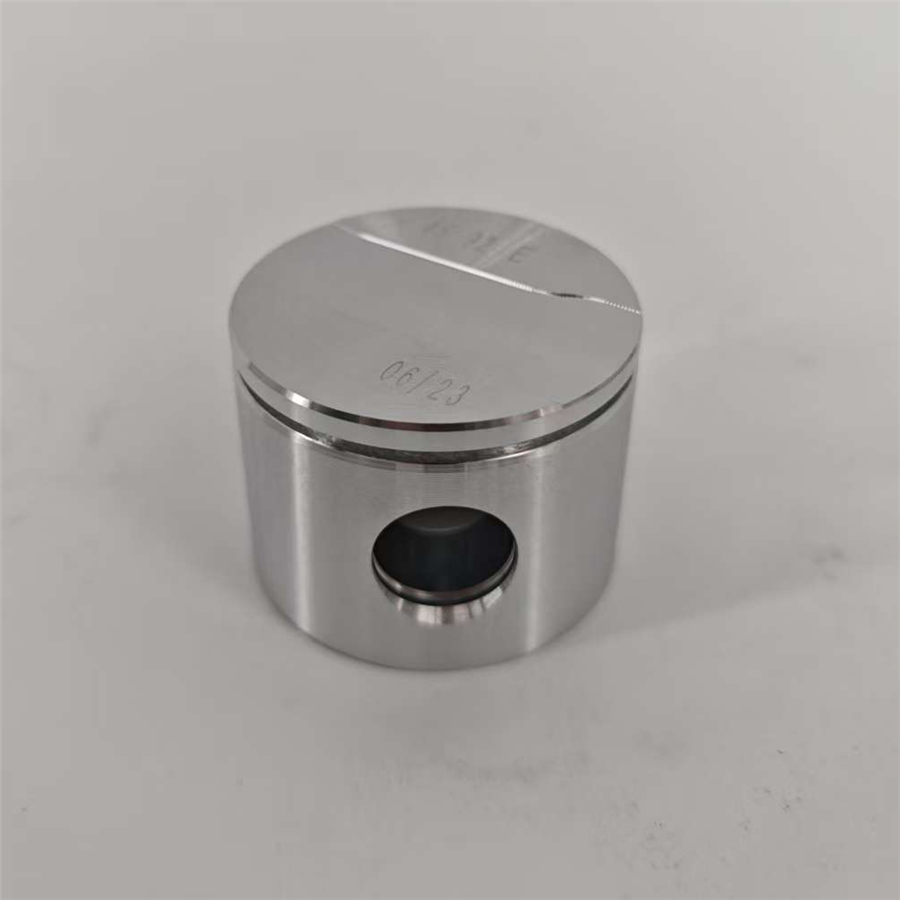
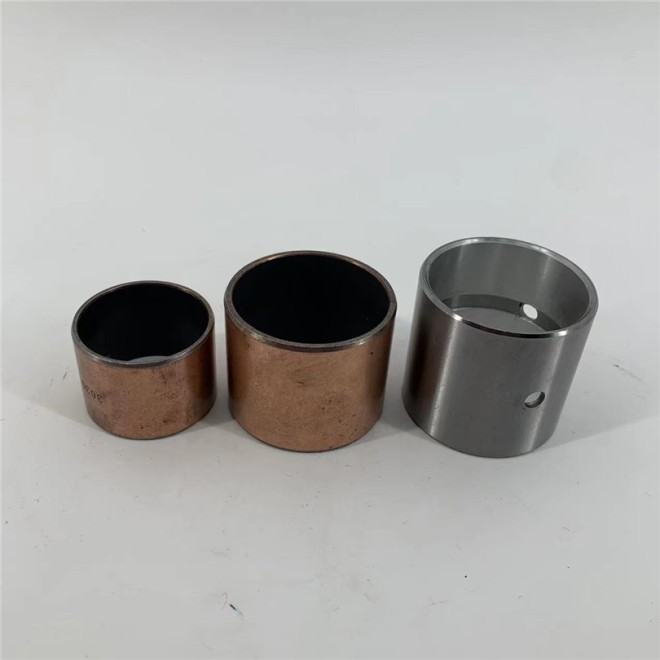
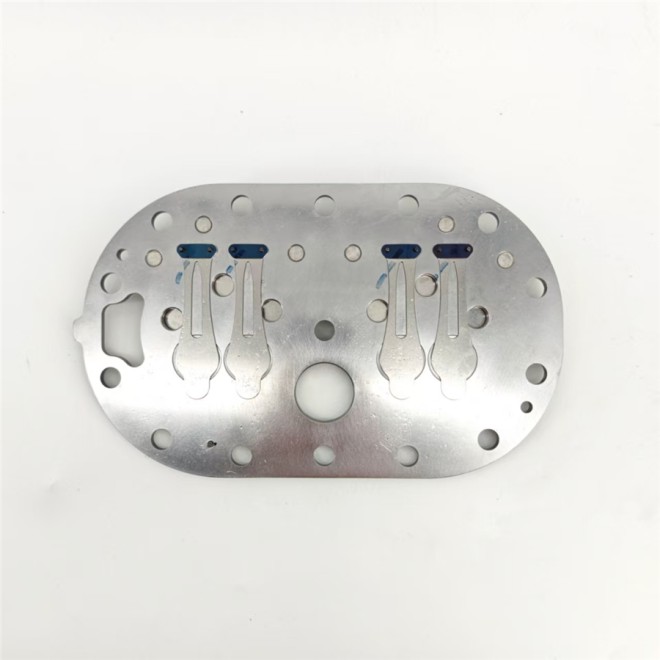
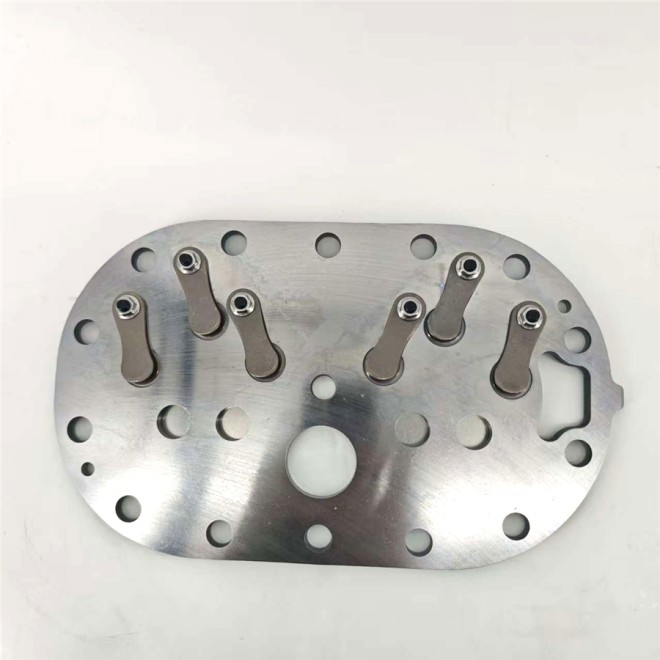
- Question 6 — "Show me the spare-parts inventory for the compressor family in this unit." A real factory carries spare parts (valve plates, bearing bushes, piston kits, gaskets) for the compressor family. A trading company does not carry spare parts. The auditor asks the question and looks at the warehouse.
The six questions are deceptively simple. The auditor's value comes from listening to the specificity of the answer, observing the speed with which the supplier retrieves the requested document, and noting the consistency between the answer and the actual factory floor. A real factory answers all six questions with specificity and retrieves all six documents within minutes. A trading company answers two or three and fails the rest. The audit's pass-fail decision usually turns on these six questions.
When a Trading Company Is the Right Choice
Factory-audited suppliers are the right choice for most cold chain condensing unit procurement above an annual volume threshold, but trading companies remain the right choice in three specific scenarios.
Scenario 1 — Very low annual volume
If the buyer's annual condensing unit spend is below USD 50,000, the overhead of qualifying and re-auditing a factory is not justified. The buyer is better off working with a trading company that aggregates volume across multiple small buyers and amortises the factory qualification across the trading company's full customer base. The total cost of ownership (slightly higher unit price, slightly higher warranty friction) is offset by the buyer's avoided qualification cost.
Scenario 2 — Short-term project with no service obligation
If the buyer's condensing unit procurement is for a short-term project (typically 6 to 18 months) with no after-sales service obligation, a trading company can deliver the units at a competitive price and the buyer does not need the warranty-chain depth that a factory-audited supplier provides. The buyer trades warranty depth for short-term price, which is the right call when the after-sales obligation does not exist.
Scenario 3 — Specialty refrigerant or specialty certification that the audited factory does not cover
If the buyer needs a specialty refrigerant (for example, R744 / CO2 transcritical) or a specialty certification (for example, ATEX for explosive atmospheres) that the buyer's qualified factory-audited supplier does not cover, the buyer is better off working with a trading company that has a relationship with a specialty factory. Forcing the specialty through the qualified factory adds engineering time and certification cost that exceeds the trading-company premium.
Outside these three scenarios, the factory-audited supplier is the right call. The five risks of trading companies (quality variance, warranty friction, certification ambiguity, delivery slip, engineering-change opacity) are structural to the trading-company model and do not improve with relationship maturity. The factory-audited supplier's quality system, on the other hand, improves with each annual re-audit, and the buyer's total cost of ownership falls over a 3- to 5-year supply horizon.
For a vendor-selection conversation that fits a specific procurement profile, contact the Compressor Weien engineering team with the last twelve months of condensing unit spend and the destination-market matrix. The engineering team replies within one business day with a side-by-side comparison of factory-audited sourcing vs trading-company sourcing on the buyer's specific volume and destination profile.
Send your last twelve months of condensing unit spend and destination-market matrix. The Compressor Weien engineering team replies within one business day with a factory-audit brief and a side-by-side comparison of factory-audited sourcing vs trading-company sourcing on your specific profile.
Frequently Asked Questions
What does a factory audit actually cover for a condensing unit supplier?
A factory audit for a condensing unit supplier covers six dimensions: (1) people — engineering headcount, technician headcount, and turnover rate; (2) equipment — the machine park on site, its age, and its maintenance plan; (3) process — the assembly process flow, the leak-test process, and the pre-shipment acceptance test (PSAT) procedure; (4) material — the supplier list for the key components (compressors, condensers, control panels) and the incoming-inspection procedure; (5) environment — the working conditions, the ventilation, the refrigerant storage, and the hazardous-materials handling; (6) system — the quality management system (typically ISO 9001), the document control procedure, and the corrective-action procedure. The audit is run by the buyer or by a third-party auditor, and the output is a scored report on each of the six dimensions, with a recommendation for the buyer's vendor qualification.
What in-house machining capability tells you the supplier is a real factory?
Five in-house machining capabilities tell you the supplier is a real factory rather than a trading company. (1) Lathe capability — the supplier can machine a custom copper fitting or a custom receiver end-cap on-site without sourcing out. (2) Milling capability — the supplier can cut a custom mounting bracket or a custom control panel face without sourcing out. (3) CNC capability — the supplier has at least one CNC machine (typically a CNC lathe or a CNC machining centre) for higher-precision components. (4) Drilling capability — the supplier has a drill press and a tap set, indicating it can machine threaded holes in custom components. (5) Grinding capability — the supplier has a surface grinder or a cylindrical grinder, indicating it can finish bearing surfaces or mating surfaces to a controlled tolerance. A supplier with all five capabilities is a real factory; a supplier with one or two is a light-assembly shop; a supplier with none is a trading company.
What are the most common risks of buying from a pure trading company?
The five most common risks of buying from a pure trading company in refrigeration compressor procurement are: (1) quality variance — the trading company sources from one or more anonymous factories, and the factory changes without notice when the price moves; (2) warranty friction — when a compressor fails, the trading company points to the factory and the factory points to the trading company, and the buyer is caught in the middle; (3) certification ambiguity — the trading company claims a certification scope that the underlying factory does not actually hold; (4) delivery slip — the trading company has no production-line visibility and cannot give the buyer an honest lead time when the factory's queue is full; (5) engineering-change opacity — when the factory changes a component or a process, the trading company does not communicate the change to the buyer, and the buyer's specification drifts over time.
How do you read a factory audit report without visiting the supplier's site?
Reading a factory audit report without visiting the site is a skill built on eight key indicators. (1) The auditor's name and credentials — a third-party auditor with a BSI or SGS qualification carries more weight than an in-house auditor from the buyer. (2) The audit date and the auditor's on-site time — an audit of less than 4 hours on site is usually superficial; an audit of more than 8 hours is substantive. (3) The audit scope — the report should explicitly cover the six dimensions (people, equipment, process, material, environment, system) and score each. (4) The auditor's photographic evidence — a report with 20 or more on-site photos carries more weight than a report with 2. (5) The corrective-action list — a report with no corrective actions is suspicious; a real audit always finds issues. (6) The follow-up plan — the report should commit to a follow-up audit in 6 to 12 months. (7) The supplier's signed acceptance — a supplier that signs the corrective-action plan is a real factory; a supplier that disputes every finding is a trading company. (8) The cross-references — the report should reference the supplier's quality manual and the relevant ISO 9001 clauses.
How long does a typical cold chain supplier factory audit take?
A typical cold chain supplier factory audit takes 2 to 5 working days on site, plus 3 to 5 working days for the auditor's report writing and the supplier's corrective-action response. The on-site phase covers an opening meeting, a factory walkthrough (typically 4 to 8 hours), document reviews (quality manual, process records, calibration records), personnel interviews (engineering lead, production manager, quality manager), and a closing meeting with preliminary findings. The report-writing phase is when the auditor consolidates the findings into the scored six-dimension format. The corrective-action phase is when the supplier responds to each finding with a root cause and a corrective-action plan, and the auditor accepts or rejects each response. Total elapsed time from audit kickoff to a fully-signed-off corrective-action plan is typically 4 to 6 weeks.
Why are cold chain procurement teams demanding factory audits in 2026?
Cold chain procurement teams are demanding factory audits in 2026 for four reasons. First, the quality incidents over the last three years — multiple high-profile cases of trading companies switching factories without notice — have made procurement managers unwilling to accept a supplier's self-declaration. Second, the certification landscape has tightened: many destination markets now require evidence of the factory's certification scope (not just the trading company's), and a factory audit is the cleanest way to collect that evidence. Third, the warranty chain has become more complex: brand owners want to know exactly which factory built their condensing unit so they can file a direct warranty claim when needed. Fourth, the ESG disclosure requirements that brand owners face require them to disclose the manufacturing source of their products, and a factory audit report is the standard evidence.
Which audit dimension is most predictive of supplier reliability?
The audit dimension most predictive of supplier reliability is the process dimension — specifically, the assembly process flow, the leak-test process, and the pre-shipment acceptance test (PSAT) procedure. A supplier that documents these three processes rigorously, trains its technicians on the documented procedures, and records the actual results on every unit shipped is a reliable supplier. A supplier that cannot produce these three process documents, or whose technicians describe the processes inconsistently, is not reliable regardless of how well it scores on the other five dimensions (people, equipment, material, environment, system). The reason is that process discipline is the leading indicator of quality; equipment age and headcount are lagging indicators. Buyers who can only audit one dimension should audit the process dimension.
Is a factory-audited supplier always more expensive than a trading company?
Yes, a factory-audited supplier is typically 5 to 15 percent more expensive per unit than a pure trading company in 2026, because the factory-audited supplier carries the cost of the documented process discipline, the in-house machining capability, the certification scope, and the engineering headcount that the audit verified. The price gap is real but smaller than it used to be: trading companies have raised their prices as they have been forced to invest in their own quality documentation to compete with factory-audited suppliers. The right way to think about the price gap is total cost of ownership, not unit price: the factory-audited supplier delivers lower warranty cost, lower quality-incident cost, and lower re-audit cost, which usually offsets the unit-price premium over a 3- to 5-year supply horizon.
About the Author
References and Industry Resources
The following resources were used to support the factory-audit and vendor-selection analysis in this article. They are industry-association and certification-body references, not the underlying ISO/ASTM/AHRI standards themselves. For exact standard text, refer to the regulatory authority directly.
- American Society of Heating, Refrigerating and Air-Conditioning Engineers: ASHRAE
- European HVAC certification and rating programme: Eurovent Certification
- American Society of Heating, Refrigerating and Air-Conditioning Engineers refrigeration committee: AHRI
- British Standards Institution ISO 9001 quality management portal: ISO 9001 Quality Management
- Global HVAC manufacturer (industrial and commercial refrigeration): Carrier