Leave Your Message
Precision-engineered high-pressure safety switches, compression valve assemblies, pulse electronic expansion coils, and hermetic electrical terminal boards designed for continuous thermal duty.
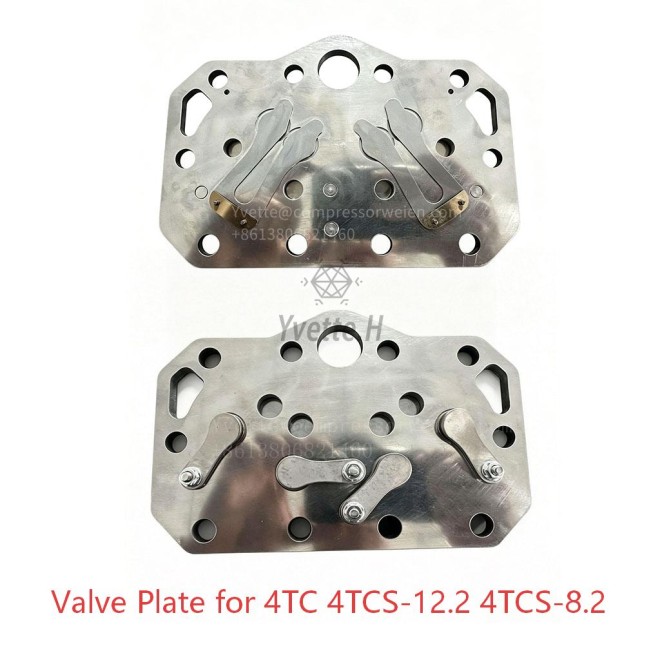
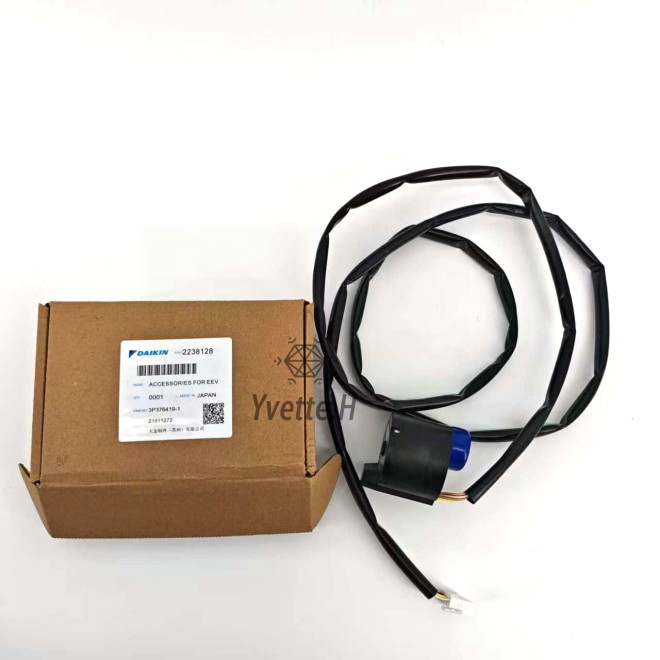
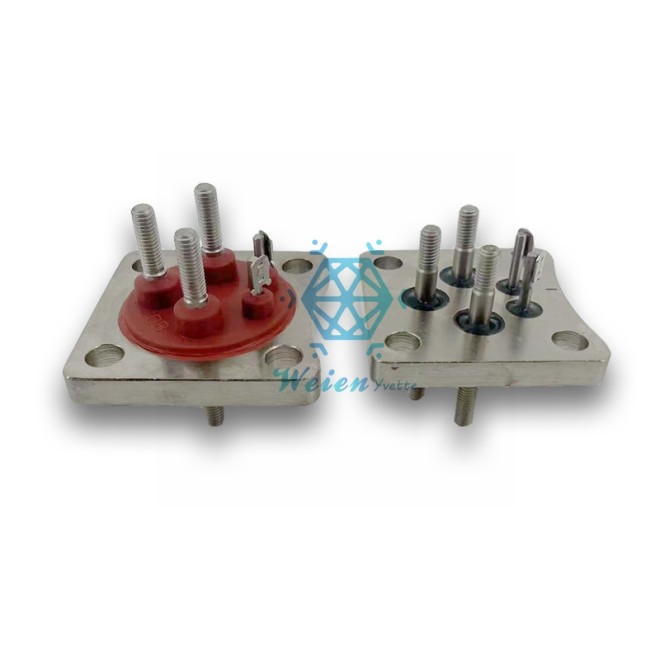
Xinchang Weien Import & Export Co., Ltd. is a reliable integrated industry and trading company, serving as a one-stop sourcing hub for refrigeration equipment and spare parts. We understand that sourcing refrigeration components from multiple suppliers can be time-consuming, costly, and logistically challenging. That is why we have built a comprehensive supply chain to meet all your refrigeration needs under one roof.
From heavy-duty industrial cold storage complexes and reefer shipping container fleets to central HVAC chiller networks, modern thermal machinery depends directly on continuous thermodynamic stability. Operating as an engineering-driven partner, we supply mission-critical mechanical and electro-mechanical compressor assemblies engineered to OEM tolerance thresholds, mitigating costly downtime and optimizing compressor volumetric efficiency across demanding industrial duty cycles.
Compressors serve as the mechanical heart of vapor-compression chillers and industrial air handlers. Maintaining correct operating superheat, oil levels, and mechanical tolerance preserves high Seasonal Energy Efficiency Ratios (SEER) while reducing parasitic power loss across multi-megawatt facilities.
Modern compressor maintenance demands components with superior micro-finish planar surfaces, high tensile fatigue resistance, and rigorous thermal stability. Our valve plates, piston kits, and wrist pins undergo cryogenic stabilization to guarantee extended mean time between failures (MTBF).
Effective predictive maintenance integrates real-time pressure differential transmitters, optoelectronic oil flow monitors, and high-dielectric motor terminal plates to isolate mechanical anomalies, liquid migration, and electrical phase imbalances before catastrophic failure occurs.
The global industrial cooling and HVAC compressor market is undergoing profound structural shifts driven by decarbonization mandates, energy conservation regulations, and digital transformation.
In continuous cold storage, pharmaceutical warehousing, and containerized maritime logistics, a compressor shutdown can precipitate catastrophic fiscal consequences. A single temperature deviation inside a transoceanic refrigerated container can spoil perishable biologicals or premium agricultural freight valued at hundreds of thousands of dollars.
Consequently, global procurement teams are transitioning away from ad-hoc reactive servicing toward predictive lifecycle fleet engineering. Facilities engineers now maintain strategic inventories of rapid-wear mechanical interfaces—including reed valves, oil differential switches, and electronic expansion coils—to execute scheduled overhauls without suspending operational throughput.
The phased regulatory drawdown of high-GWP hydrofluorocarbons (HFCs) under the Kigali Amendment has accelerated the adoption of natural refrigerants such as Carbon Dioxide (R744 / CO2), Propane (R290), and Ammonia (R717), alongside mildly flammable A2L hydrofluoroolefins (HFOs).
Operating at significantly elevated discharge pressures—especially in transcritical CO2 installations where head pressures exceed 120 bar—places extreme mechanical demands on compressor valve plates, piston crowns, and shaft seals. Precision-machined replacement hardware with tight metallurgical consistency is essential to withstand cyclical fatigue and elevated adiabatic compression temperatures.
Inverter-driven scroll and semi-hermetic reciprocating compressors demand robust terminal blocks and electrical insulation capable of handling high harmonic currents and transient voltage spikes (dV/dt) without dielectric breakdown.
Optical oil level regulators, electronic oil flow switches, and digital differential sensors provide edge-computed telemetry directly to automated Building Management Systems (BMS), alerting operators to early lubricating starvation.
Synthetic Polyolester (POE) and Polyalkylene Glycol (PAG) oils exhibit high hygroscopic tendencies. Regular acidity testing and moisture-tolerant differential monitoring prevent bearing scoring and valve carbonization.
Different thermal environments require distinct mechanical configurations, sensor calibrations, and maintenance schedules.
Refrigerated marine shipping containers (operated on Star Cool, Carrier Transicold, Daikin, and Thermo King machinery) endure continuous vibration, high humidity, and extreme saline exposure. Critical maintenance revolves around rapid solenoid valve actuation (such as EEV coils), high-pressure cutoff switch integrity, and contoured lightweight piston kits that sustain unyielding compression across weeks at sea.
Multi-story commercial complexes, cleanrooms, and data center chillers utilize semi-hermetic screw and multi-cylinder reciprocating compressors. Constant seasonal load shifting requires stable capacity control slide valves, flawless terminal plates to prevent electrical arcing, and dependable oil differential sensors that preserve hydrodynamic lubrication bearings during startup torque peaks.
Blast freezers, meatpacking lines, and centralized distribution warehouses run deep-freeze temperatures (-25°C to -40°C). These demanding regimes cause high compression ratios and elevated discharge temperatures. Frequent maintenance of compressor valve plates, reed springs, and oil separator monitors prevents liquid slugging and ensures high isentropic compressor efficiency.
With a strong focus on quality and performance, we offer a comprehensive product portfolio compatible with world-leading brands such as Bitzer, Carrier, Thermo King, Copeland, and more. Our wide-ranging lineup covers everything from complete cold storage units to precision-engineered components.



A systematic, preventative maintenance checklist designed to maximize volumetric efficiency, prevent motor burnout, and eliminate mechanical seizure.
Before initiating any mechanical tear-down, quantify key thermodynamic metrics:
Reciprocating compressor efficiency is predominantly governed by the integrity of the reed valve seals:
Prevent catastrophic hermetic terminal blowouts and stator short-circuits:
| Diagnostic Symptom | Probable Root Cause | Component Involved | Remediation Protocol |
|---|---|---|---|
| Low Net Oil Differential | Worn oil pump gears, clogged suction pick-up screen, foaming caused by refrigerant migration | Differential Sensor (OUT571), Oil Pump, Crankcase Heater | Inspect crankcase heater operation; clean oil pickup strainer; replace faulty differential sensor or internal oil pump gears. |
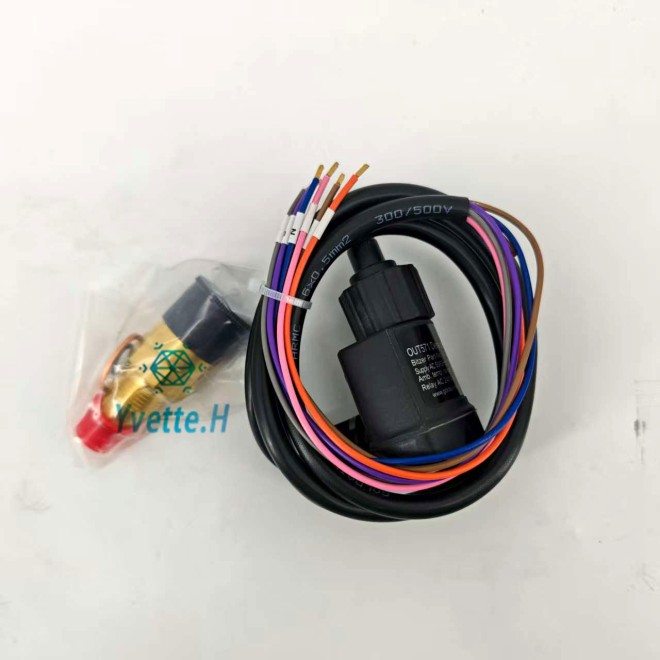
| Discharge Pressure Spike & Trip | Fouled condenser tubes, non-condensable air in system, malfunctioning HPS cutoff | High Pressure Switch (819501A), Condenser Fan / Water Valve | Perform high-pressure trip test; purge non-condensables; descale heat exchanger tubes; replace degraded pressure switch. |
| Excessive Superheat & Hot Discharge | Under-feeding electronic expansion valve, burned-out actuator coil, restricted orifice | EEV Solenoid Coil (Daikin 2238128), Expansion Valve Cartridge | Measure coil resistance and excitation pulse; verify micro-controller step output; swap defective EEV solenoid coil. |
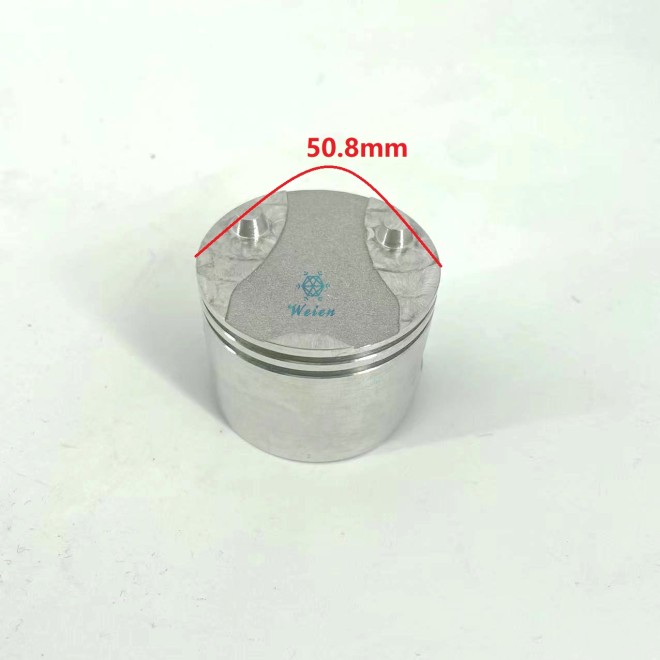
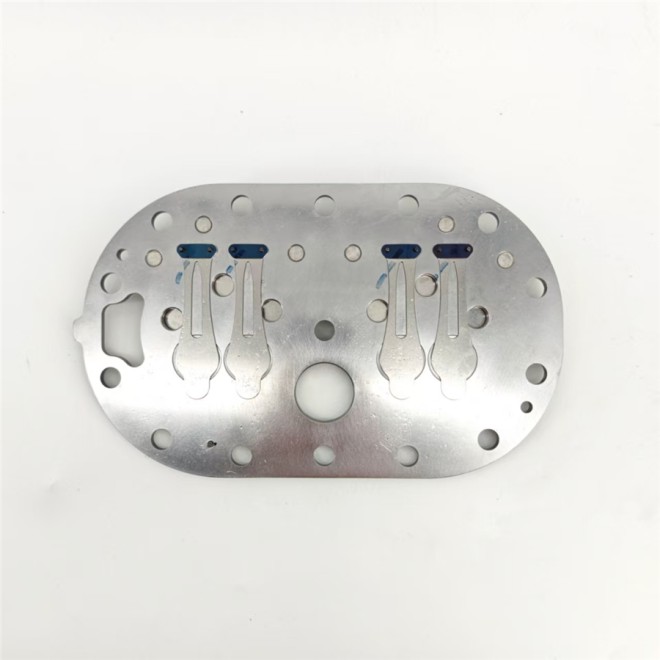
| Loss of Compression Capacity | Broken discharge reed, fractured suction flapper, blow-by through worn piston rings | Valve Plate Assembly (30406304), Piston Kit (Carrier 05G) | Conduct pump-down isolation test; replace damaged valve plate assembly and renew cylinder head gaskets with OEM components. |
Every component and remanufactured assembly passes through strict quality gating stages, adhering to international ISO standards to ensure long-term vacuum and pressure containment.
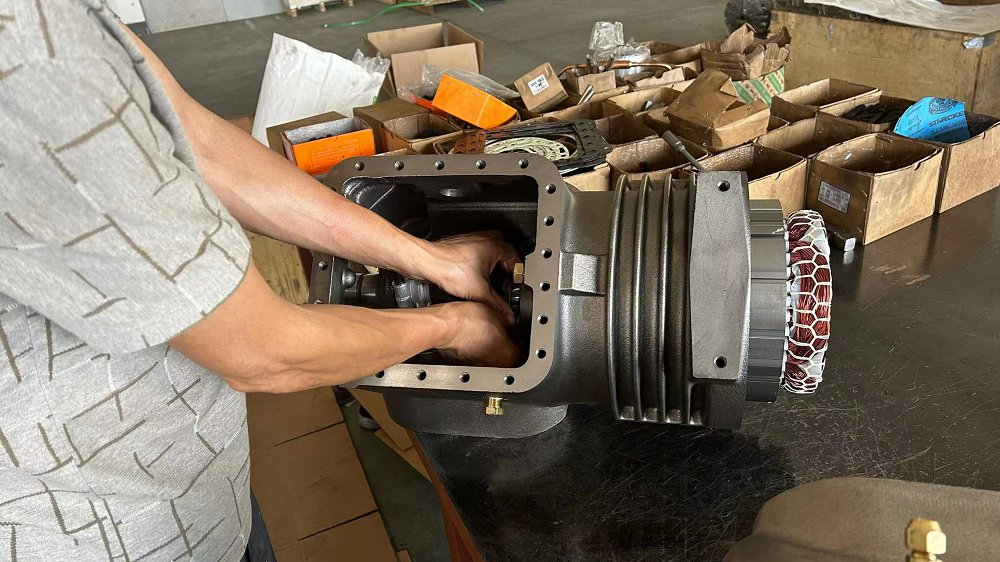
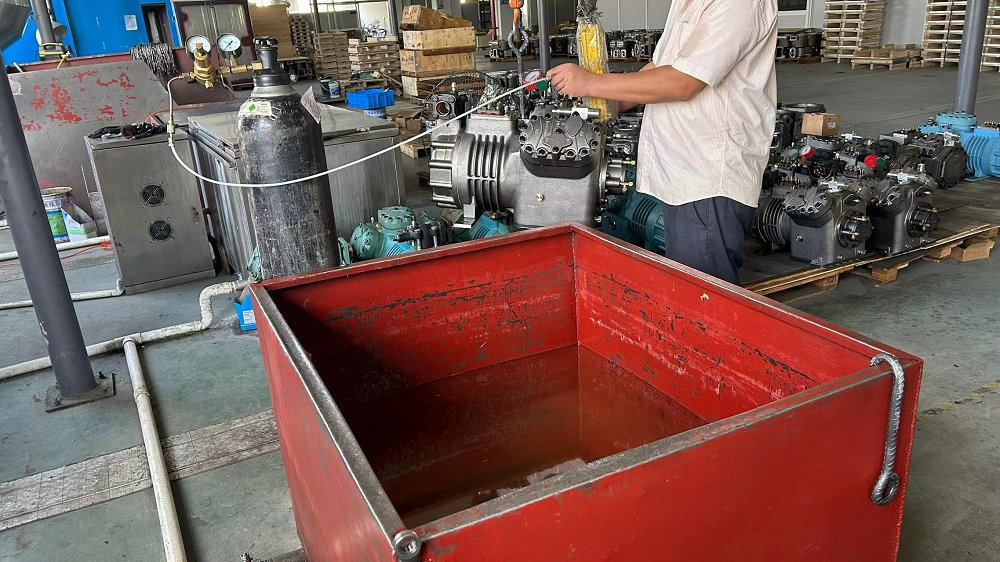
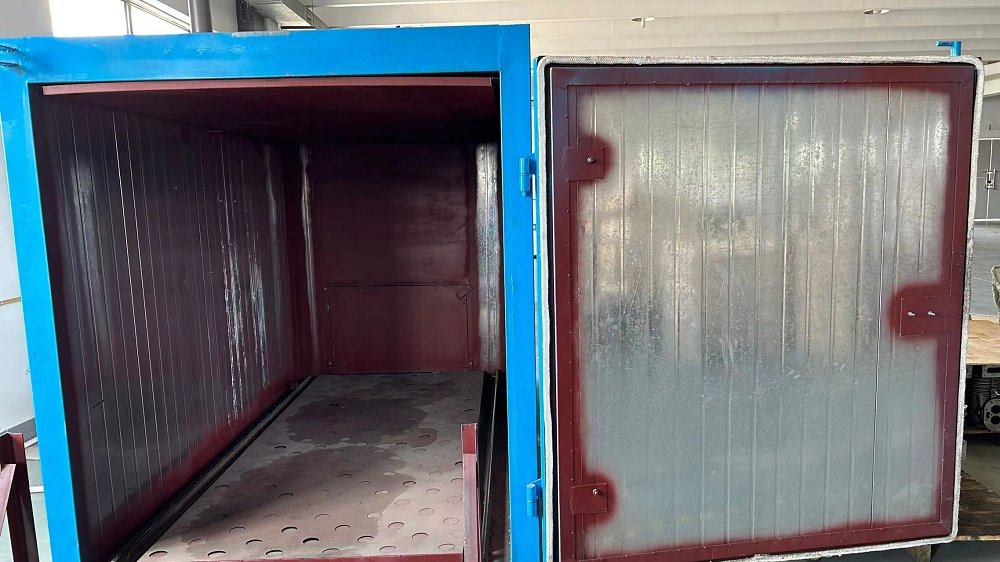
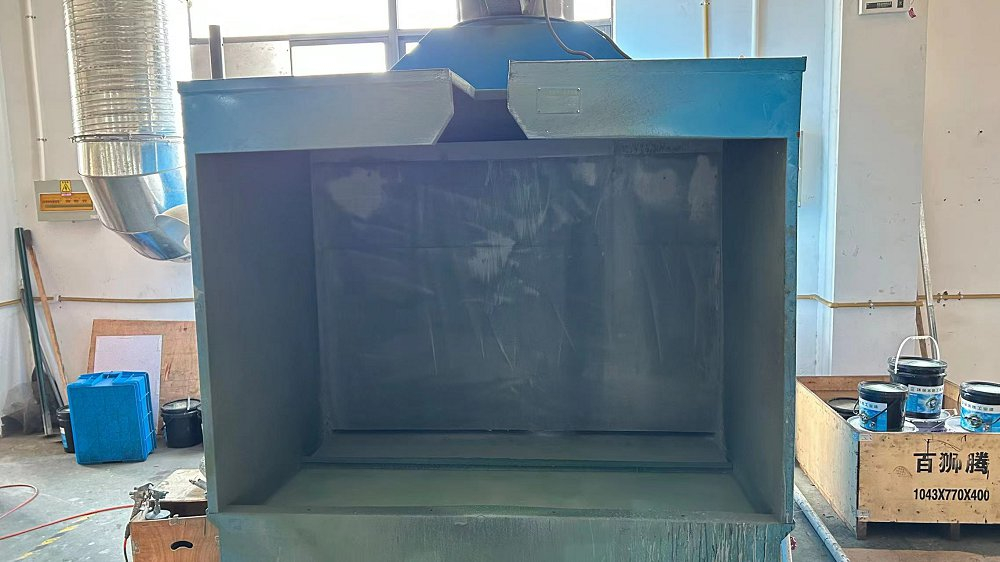
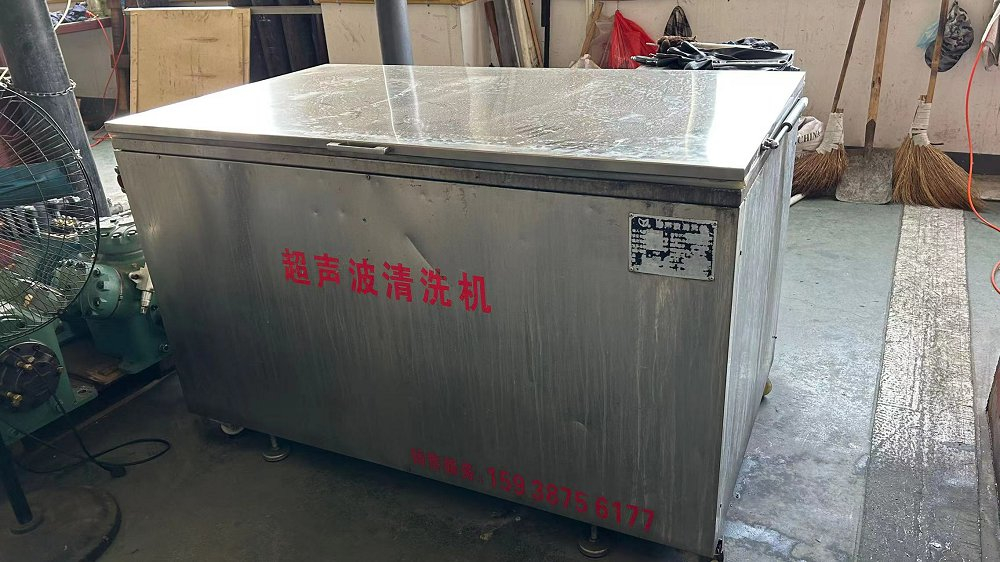
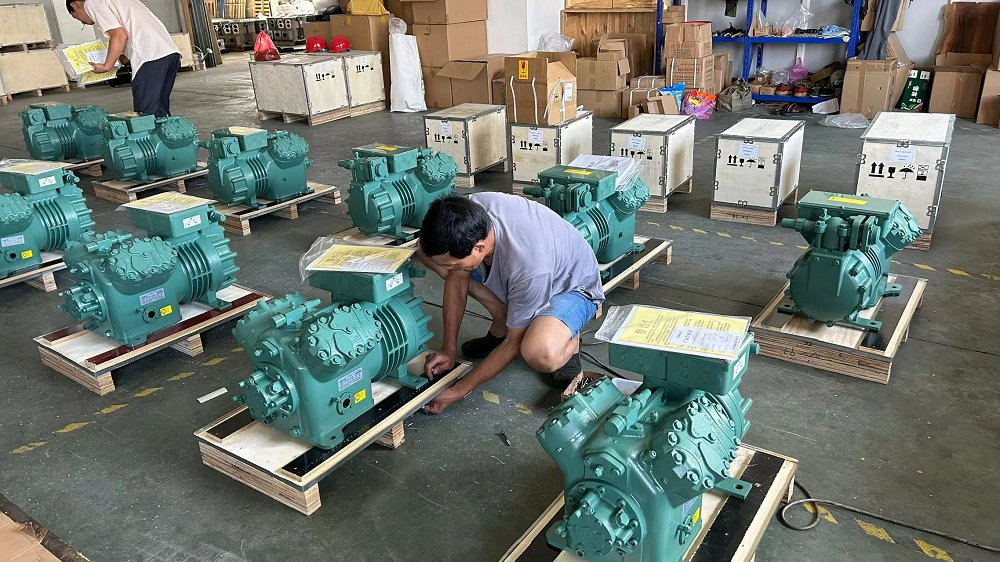

Addressing operational challenges encountered during compressor overhauls, sensor calibration, and preventative servicing.
Discharge and suction valve reeds cycle up to 50 times per second in high-speed compressors. Even sub-micron surface irregularities or warping can cause high-pressure gas bypass, driving up discharge temperatures, diminishing volumetric efficiency, and causing valve flutter that eventually shears the reed metal.
In screw compressors like Bitzer HS/OS series, lubricating oil seals the male/female rotor clearances and cools the compression pocket. Sensors like the OUT571 and oil flow monitor 34750106 track net pressure differential and continuous oil flow, cutting power before boundary lubrication breaks down and damages rotor bearings.
Terminal plates (such as Carrier 06D 5-pin boards) deteriorate due to high operational vibration, acidic POE oil breakdown, and excessive terminal lug torque. Micro-fissures in ceramic or glass insulating insulators allow pressurized refrigerant-oil mixtures to escape, resulting in catastrophic terminal blowout or electrical ground flashover.
Explore our complete catalog of industrial HVAC/R maintenance parts, compatible with Star Cool, Bitzer, Carrier, Daikin, and Thermo King platforms.