
Leave Your Message
Explore our primary refrigeration compressors and control components specifically designed to withstand harsh maritime conditions.
Global trade relies heavily on the continuous, uninterrupted flow of perishable goods. From fresh agricultural produce and seafood to highly sensitive pharmaceutical products and biological samples, the maritime cold chain is the backbone of modern commerce. At the absolute center of this logistical network is the maritime reefer container, and at the heart of every reefer container lies the refrigeration compressor.
Maritime transport presents some of the most demanding environmental challenges for mechanical equipment. Reefer containers are subjected to continuous vibration, high humidity, extreme salinity, and rapid fluctuations in ambient temperatures as ships cross different climatic zones. A failure of the refrigeration compressor during transit can lead to catastrophic cargo loss, resulting in millions of dollars in insurance claims, wasted resources, and disrupted supply chains. Therefore, maintaining these compressors with high-quality OEM or premium aftermarket parts is not just a matter of routine service—it is a critical operational imperative.
Marine vessels experience constant pitching, rolling, and engine vibrations. Refrigeration compressors must be designed with robust internal mounts, heavy-duty connecting rods, and reinforced housings to prevent structural fatigue and refrigerant leakage.
High salt content in marine air accelerates the corrosion of external electrical switches, valve plates, and condenser coils. Using corrosion-resistant materials like brass, treated polymers, and specialized coatings is crucial for longevity.
Generators on cargo ships can experience voltage and frequency fluctuations. Compressor motors, capacitors, and pressure switches must be engineered to handle these variations without overheating or failing prematurely.
The maritime industry is undergoing a massive transformation driven by digitalization and environmental regulations. Today, reefer container maintenance is shifting from reactive "run-to-failure" models to proactive, predictive maintenance strategies. By integrating IoT sensors and telematics, fleet operators can monitor compressor discharge temperatures, oil levels, and power consumption in real-time. This data allows maintenance crews to identify failing components—such as worn pistons or degrading capacitors—before the container is loaded onto a ship.
Additionally, environmental mandates like the Kigali Amendment are pushing the industry toward low-GWP (Global Warming Potential) refrigerants. Modern reefer units are transitioning from R134a and R404A to eco-friendly alternatives like R513A and even natural refrigerants like CO2 (R744). This shift requires compatible semi-hermetic reciprocating and screw compressors capable of operating under the higher pressures and unique lubrication requirements of these new refrigerants.
Xinchang Weien Import & Export Co., Ltd. is a reliable integrated industry and trading company, serving as a one-stop sourcing hub for refrigeration equipment and spare parts. We understand that sourcing refrigeration components from multiple suppliers can be time-consuming, costly, and logistically challenging. That is why we have built a comprehensive supply chain to meet all your refrigeration needs under one roof.
Our engineering expertise and strict quality control systems guarantee that every compressor, valve plate, and electrical component we supply meets or exceeds international marine standards. We are committed to minimizing vessel port times by ensuring the rapid availability of critical replacement parts globally.

With a strong focus on quality and performance, we offer a comprehensive product portfolio compatible with world-leading brands such as Bitzer, Carrier, Thermo King, Copeland, and more. Our wide-ranging lineup covers everything from complete cold storage units to precision-engineered components. Whether you need a full refrigeration system for a new warehouse or individual spare parts for routine maintenance, we have the right solution for you.


To perform effective maritime reefer container maintenance, technicians must understand how individual components interact under load. Let's look at some critical failure points and how quality replacement parts mitigate risk:
For vessel engineers, carrying a standardized "Reefer Repair Kit" is standard practice. These kits generally contain critical gaskets, valve plates, electrical contactors, high/low pressure switches, and oil filters. When a container alarms for "low cooling capacity," a rapid diagnostic check often points to a worn valve plate or a faulty pressure sensor. Having direct access to compatible, high-precision aftermarket components allows ship crew members to perform mid-voyage repairs, saving the cargo and preserving the logistics schedule.
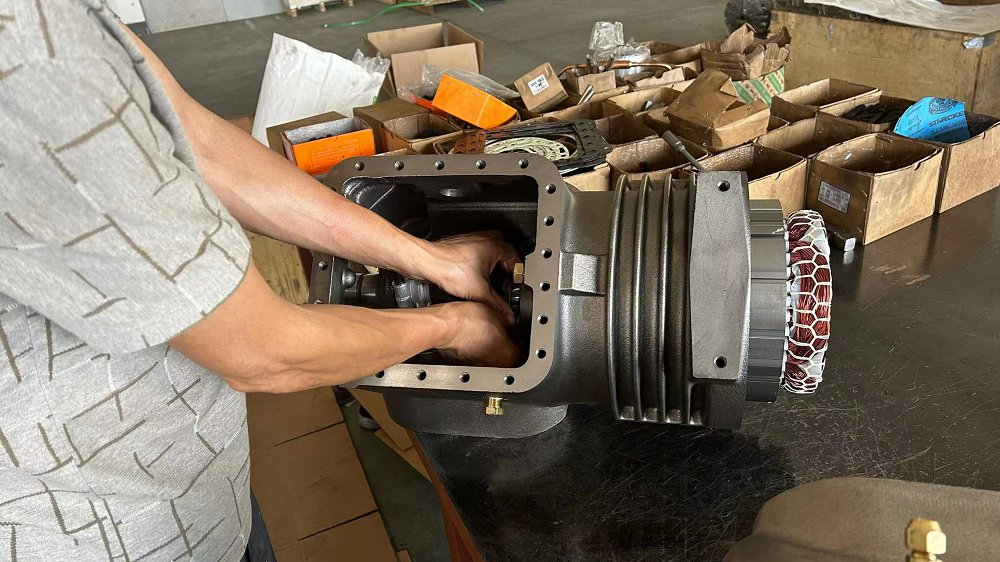
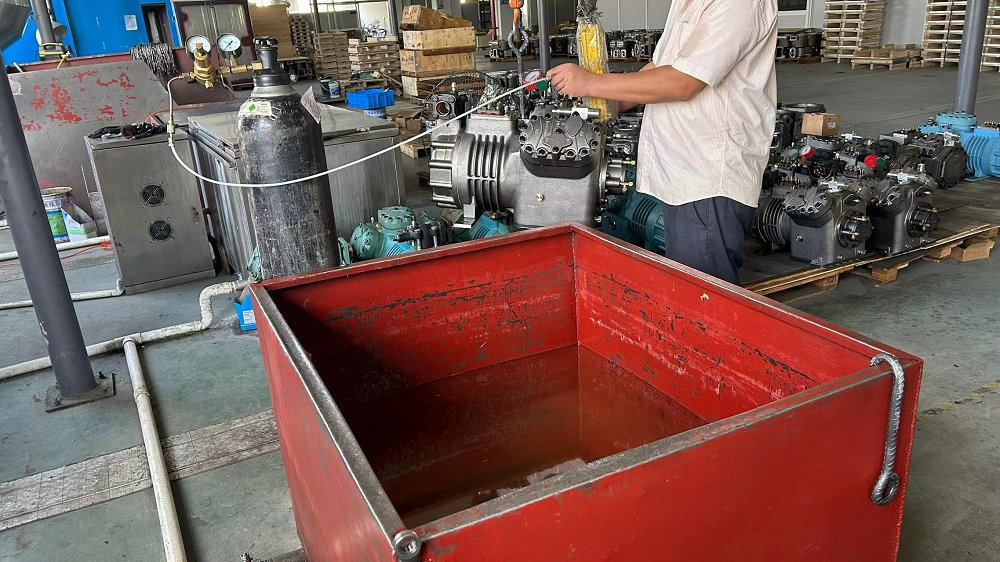
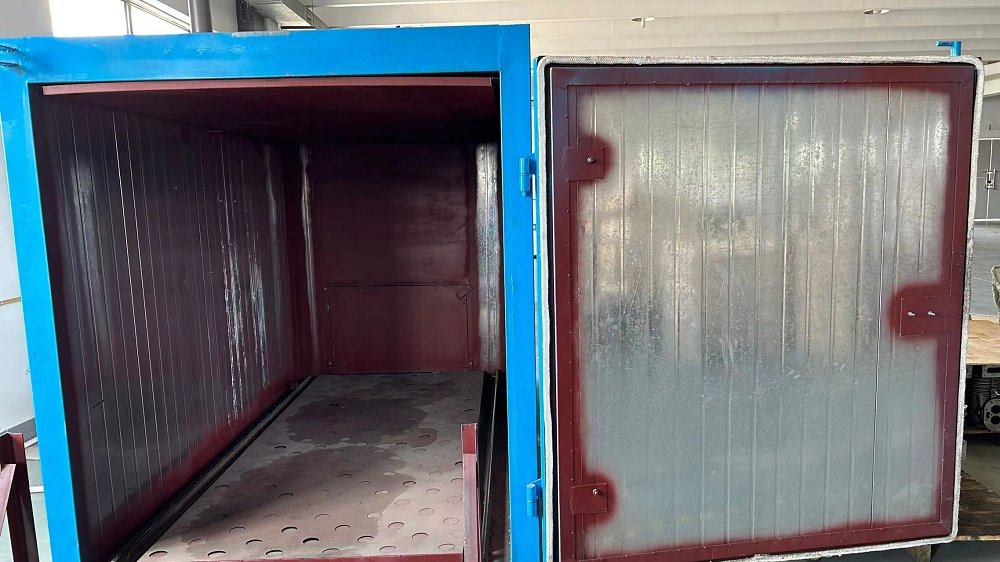
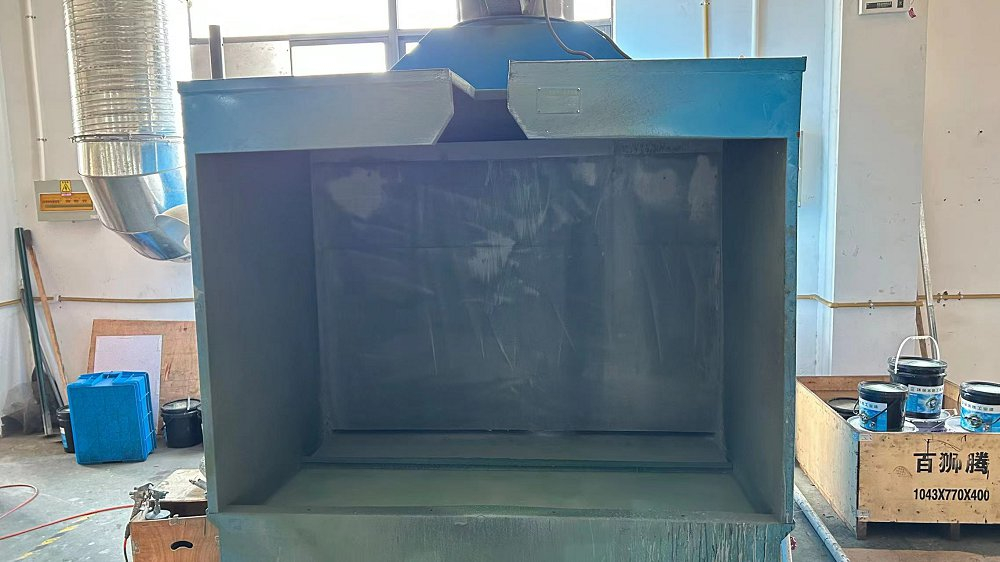
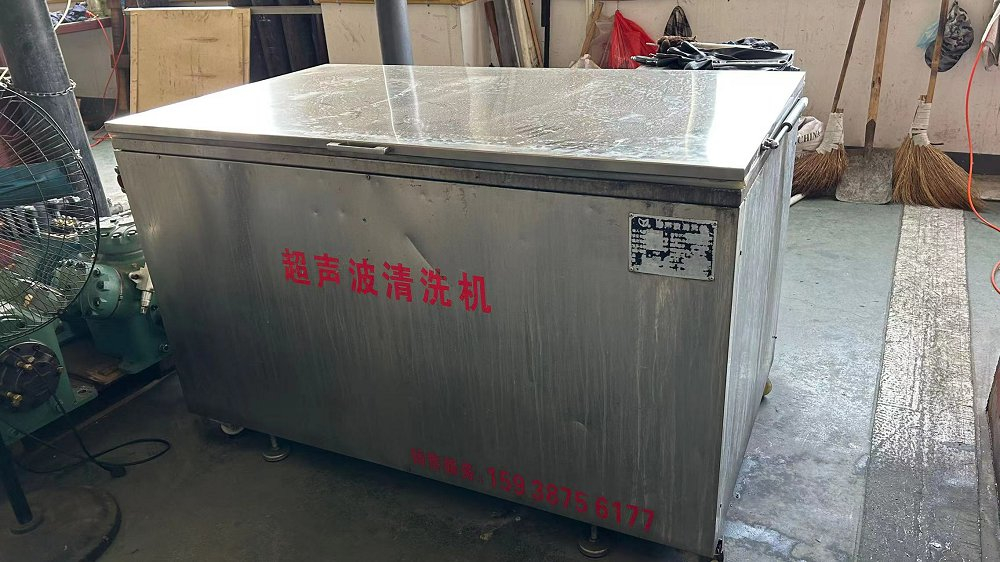
Every single compressor component and refrigeration unit we ship undergoes a rigorous multi-stage manufacturing and testing process to survive the marine environment.

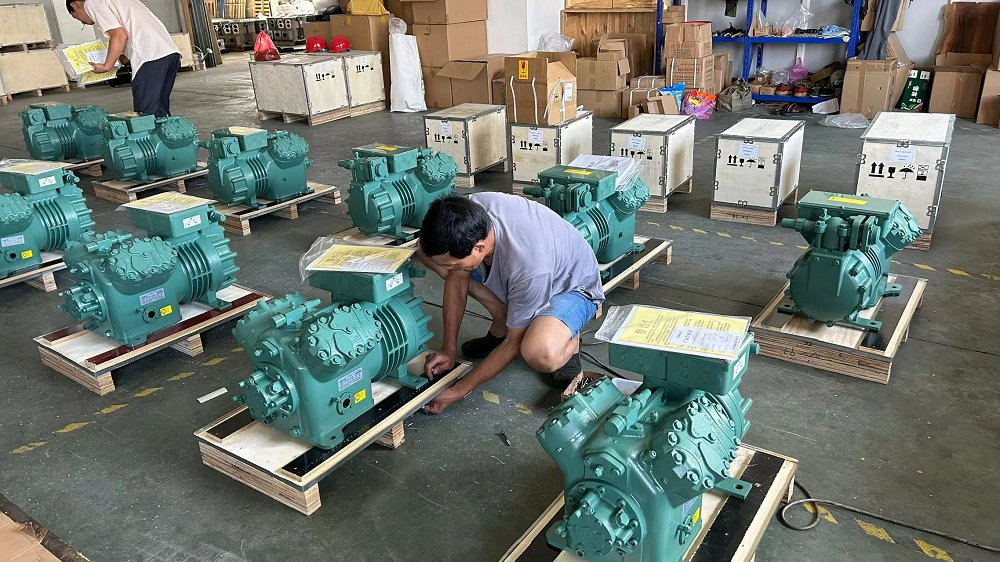
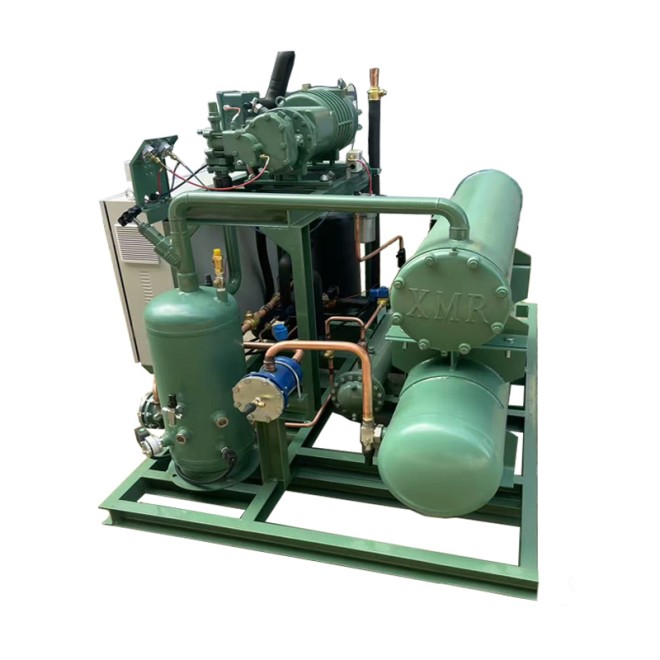
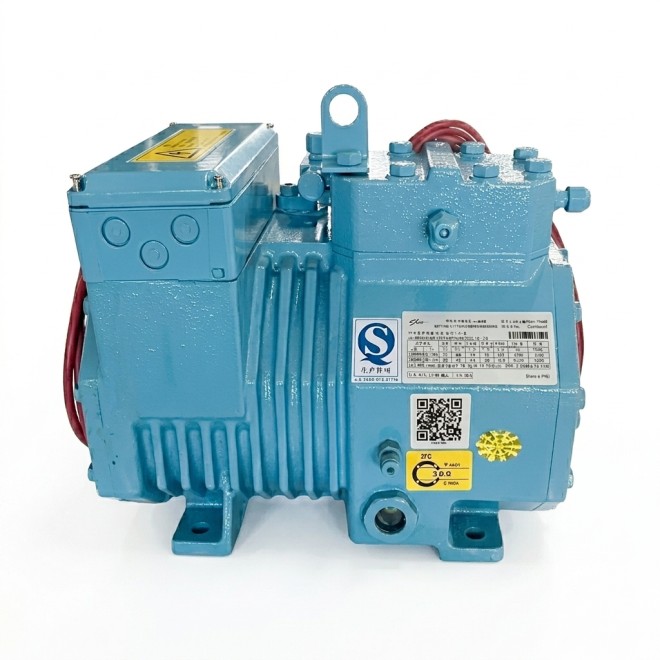
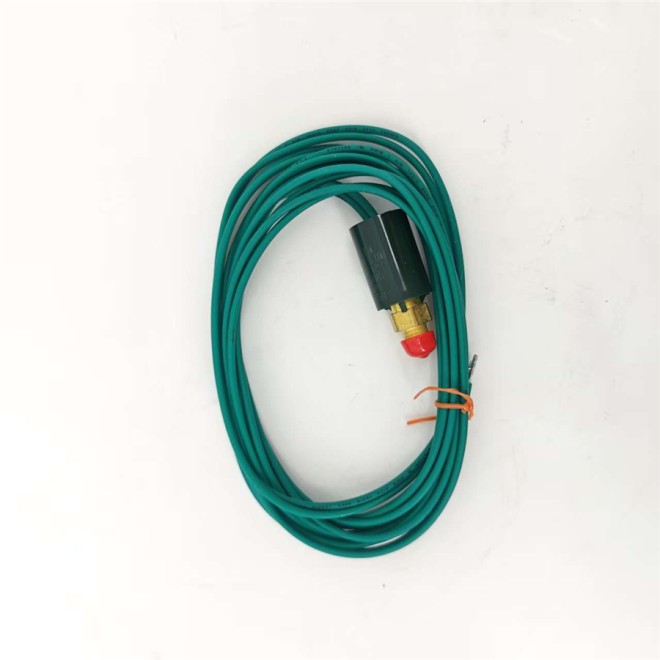
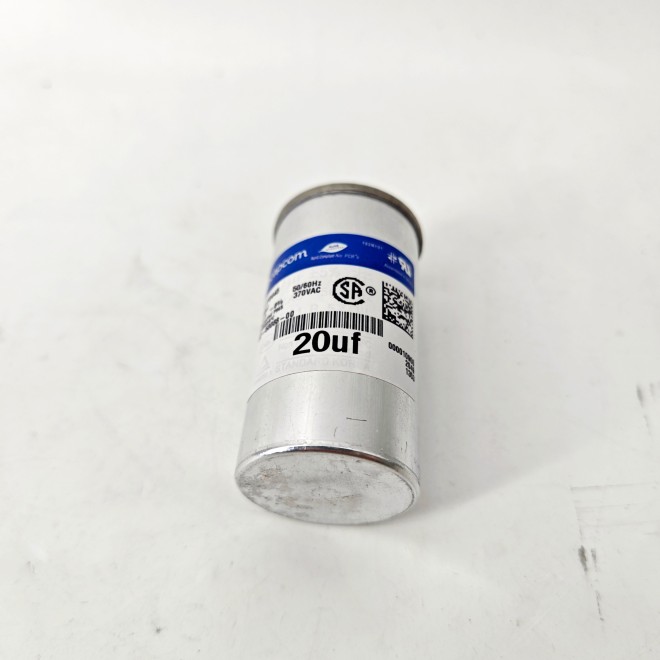
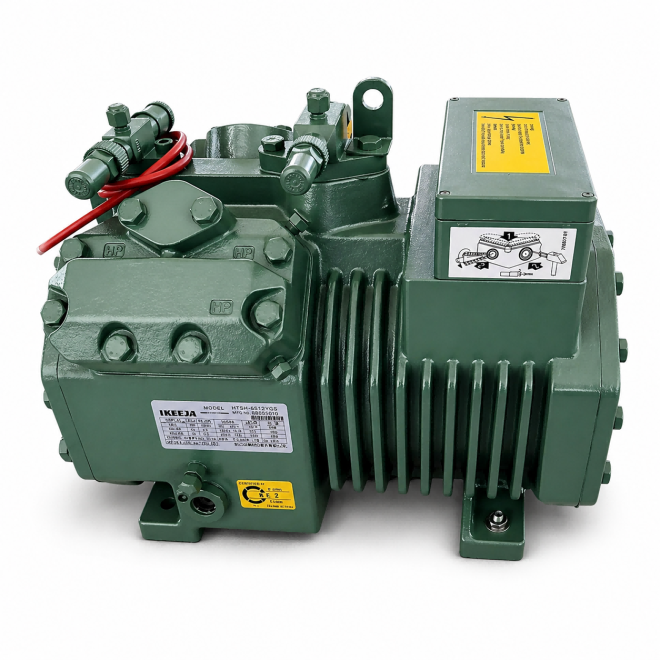
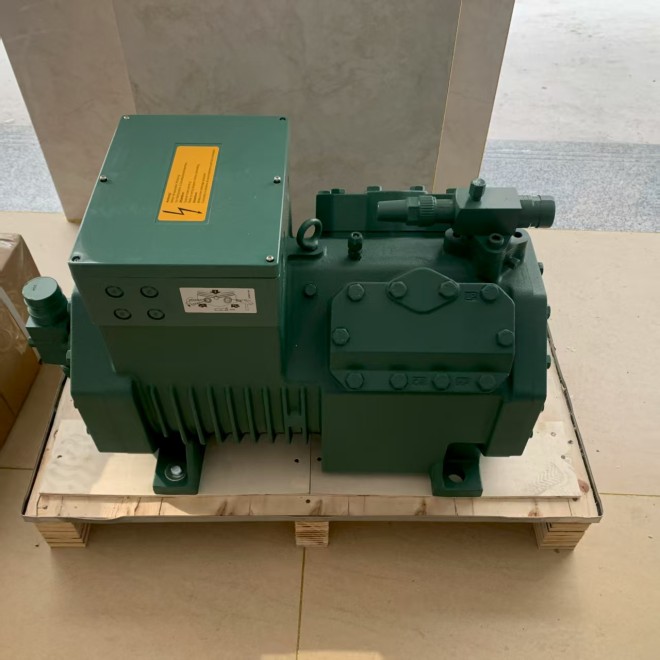
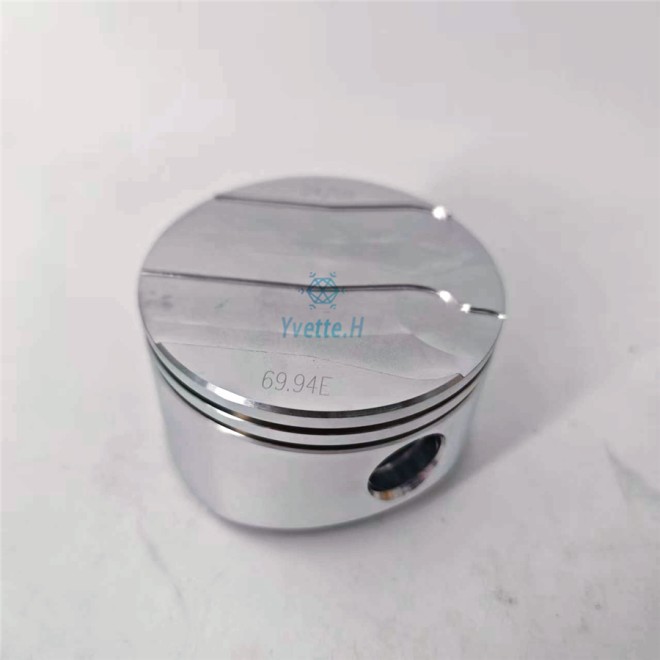
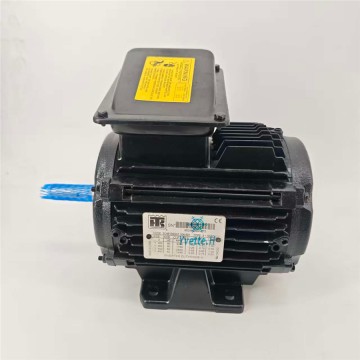
We supply the following range of premium units and replacement parts engineered for global cold storage, transport cooling, and marine maintenance.
As maritime shipping operators face increasing pressure to lower carbon footprints and minimize operational overhead, several technological trends are shaping the future of reefer container refrigeration:
1. Variable Speed Compressors: Traditional scroll or reciprocating compressors run at fixed speeds, cycling on and off to regulate temperature. Modern reefers are integrating Variable Frequency Drives (VFDs) that allow the compressor to adjust its speed precisely to match the thermal load. This reduces start-stop cycles, saves up to 30% in energy, and significantly extends the life of internal components like pistons and bearings.
2. Smart Diagnostic Integration: Future compressors will feature integrated microprocessors capable of monitoring local vibrations, winding temperatures, and internal oil pressure. This data will feed directly into the ship's bridge network or transmit via satellite to port maintenance crews, initiating automated spare part orders before the ship even docks.
3. Advanced Corrosion Protection: With climate change driving more volatile weather patterns at sea, the mechanical components of reefer units will face even higher levels of moisture and salt exposure. Manufacturers are responding by applying advanced nanocoatings to valve plates, using composite materials for fan blades, and utilizing high-grade stainless steel for external fasteners.
At Xinchang Weien Import & Export Co., Ltd., we keep pace with these innovations. By constantly updating our inventory with the latest compatible components and maintaining strict adherence to rigorous testing procedures (Assembly, Pressure Testing, Drying, Painting, Ultrasonic Cleaning, and Packing), we ensure that your fleet remains operational, efficient, and compliant with modern maritime regulations. Trust us to be your one-stop partner for maritime reefer compressor maintenance.