Leave Your Message
High-precision replacement components designed to maintain structural integrity, electrical insulation reliability, and thermodynamic efficiency during critical compressor motor teardown and overhauling cycles.
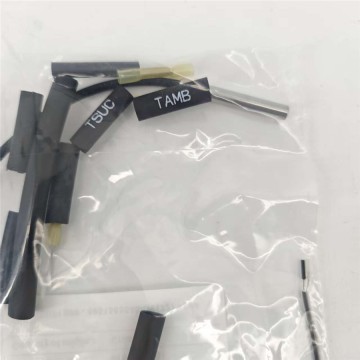
In industrial refrigeration facilities, including meat processing plants, pharmaceutical cold vaults, ultra-low temperature (ULT) logistics hubs, and marine reefer fleets, the refrigeration compressor serves as the mechanical heart of the thermodynamic cycle. However, the true driving force behind this continuous vapor-compression refrigeration loop is the refrigeration compressor motor. Operating under hermetic or semi-hermetic conditions, these specialized electric motors are immersed in complex gaseous and liquid environments containing high-pressure refrigerants (such as R404A, R507A, R134a, R717 Ammonia, or R744 CO2) combined with synthetic polyolester (POE) or polyalkylene glycol (PAG) lubricants.
Overhauling an industrial refrigeration compressor motor is far more complex than standard commercial electric motor repair. It demands an intricate understanding of chemical compatibility, magnet-wire insulation thermal endurance, high dielectric breakdown strength under transient pressure surges, and absolute moisture evacuation. As industrial systems age, operating hours exceed 40,000 to 80,000 hours, subjecting motor stators, rotors, and integral bushings to thermal cycling, acid degradation, partial discharge erosion, and severe mechanical vibration. A comprehensive overhaul restores thermodynamic displacement, reduces electrical current draw, and averts catastrophic plant shutdowns.
Rewinding with Class H/Class N corona-resistant enamels capable of withstanding steep dV/dt voltage spikes from modern Variable Frequency Drives (VFDs).
Utilizing high-grade vacuum pressure impregnation (VPI) with specialized epoxy resins immune to solvent action from halogenated and natural refrigerants.
Achieving ISO 1940 G1.0/G2.5 balance precision to eradicate harmful harmonic vibrations, preventing premature motor-side bearing bush failure.
The industrial refrigeration landscape is undergoing a monumental transition driven by environmental decarbonization regulations (such as the EU F-Gas Regulation, US EPA AIM Act, and global Kigali Amendment mandates). Facilities are rapidly retrofitting legacy high-GWP HFC systems toward low-GWP alternatives, including natural refrigerants like R717 (Ammonia), R744 (Transciritical/Subcritical Carbon Dioxide), and R290 (Propane). This transition imposes rigorous demands on compressor electric motors during overhaul procedures:
| Overhaul Diagnostic Parameter | Standard Acceptable Threshold | Failure Indicator / Root Cause | Corrective Overhaul Action |
|---|---|---|---|
| Insulation Resistance (Megger Test) | > 50 MΩ @ 1000V DC (at 20°C) | < 5 MΩ indicates moisture or acid saturation | Bake-out drying, ultrasonic cleaning, rewind & VPI resin bake |
| Surge Comparison Analysis | Symmetrical waveform overlap (< 3% error) | Waveform split indicates turn-to-turn micro-shorts | Complete stator rewinding using heavy inverter-duty wire |
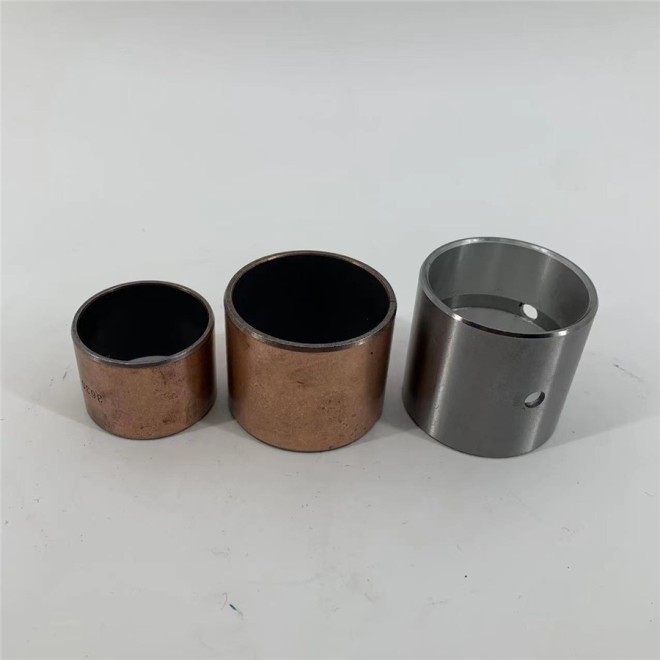
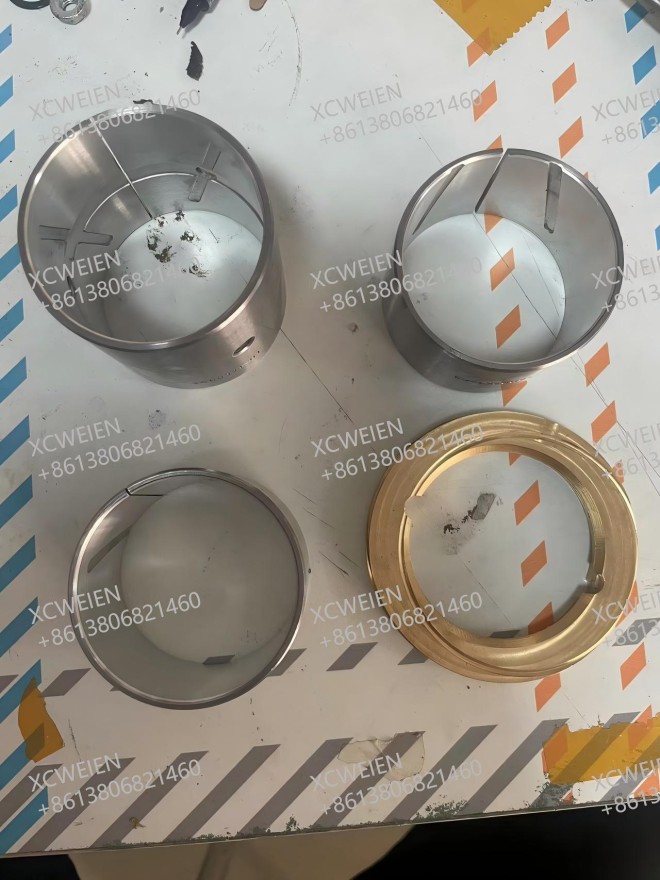
| Shaft Journal & Bushing Clearance | 0.035 mm – 0.075 mm (model-specific) | Excessive play (> 0.12 mm) causing rotor-stator air gap rub | Replacement of motor-side bearing bush (e.g., 31110004) |
| Partial Discharge Inception Voltage (PDIV) | > 1.5x Peak Inverter Operating Voltage | Intermittent corona discharge in winding micro-voids | Double-dip Vacuum Pressure Impregnation with solventless epoxy |
Industrial refrigeration motors rarely experience instantaneous winding burnout without preceding mechanical or electrical symptoms. Plant engineers and maintenance contractors typically schedule comprehensive compressor motor overhauling under four distinct operational scenarios:
1. Post-Acid Contamination Remediation: Following a compressor mechanical seizure or moisture ingress, refrigerant oils break down into hydrofluoric or hydrochloric acids. These acids attack the slot liner insulation (Mylar/Nomex laminates) and phase separators. Overhauling cleanses internal iron cores ultrasonically, neutralizes acid remnants, and installs brand-new, acid-impervious winding assemblies.
2. Thermal Overload from Continuous High-Compression Ratios: In low-temperature blast freezing and single-stage deep freezing operations, elevated discharge temperatures bake the stator insulation over time, leading to brittle enamel coating and eventual phase-to-ground flashovers. Rebuilding with Class H (180°C) or Class C (200°C+) materials restores continuous run-time reliability.
3. Electrical Unbalance & Single-Phasing Incidents: Grid voltage fluctuations or welded contactors can lead to severe phase current unbalance, rapidly generating localized hot spots in the stator core. Overhaul technicians strip the burnt windings, inspect core laminations for hot spots with thermal imaging, re-insulate, and rewind with strict winding resistance symmetry across all three phases.
Xinchang Weien Import & Export Co., Ltd. is a reliable integrated industry and trading company, serving as a one-stop sourcing hub for refrigeration equipment and spare parts. We understand that sourcing refrigeration components from multiple suppliers can be time-consuming, costly, and logistically challenging. That is why we have built a comprehensive supply chain to meet all your refrigeration needs under one roof.
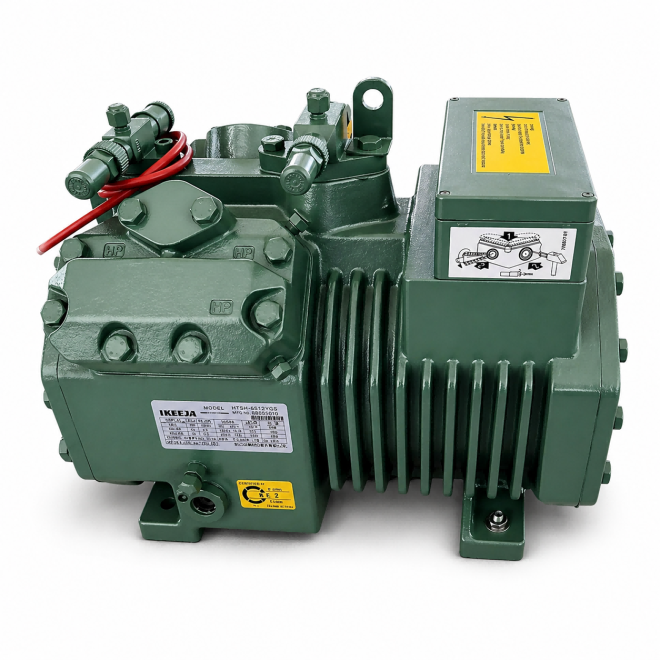
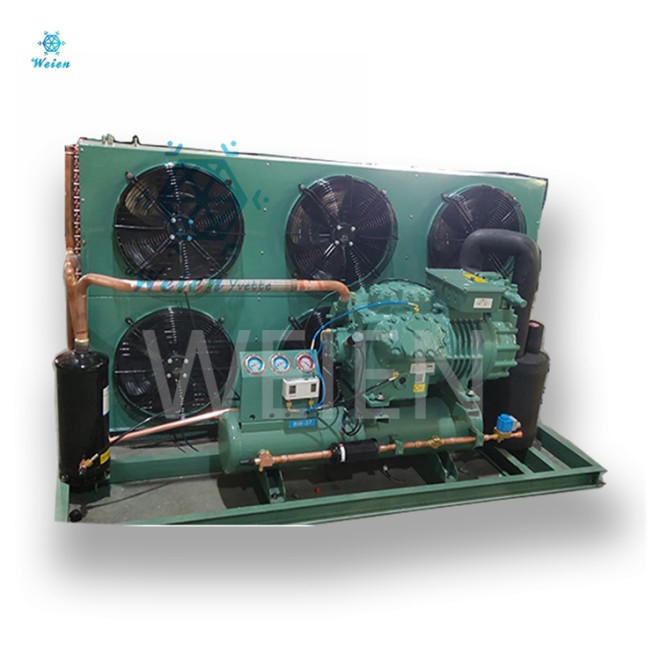
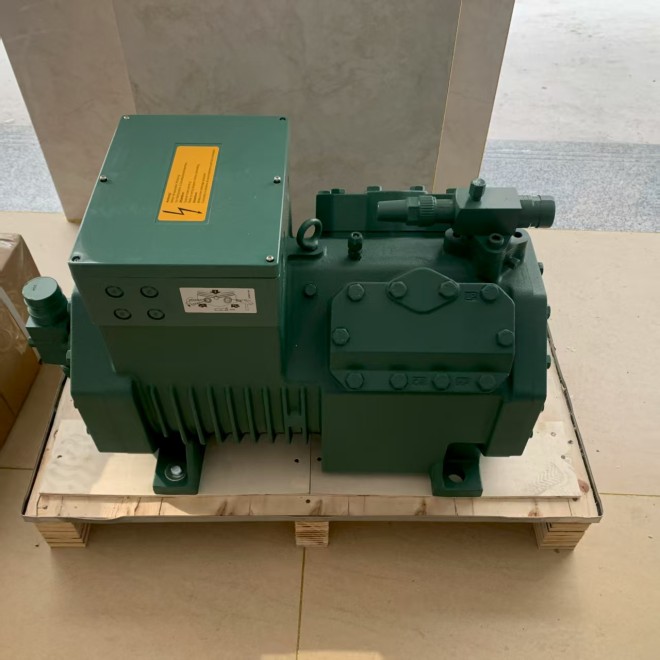
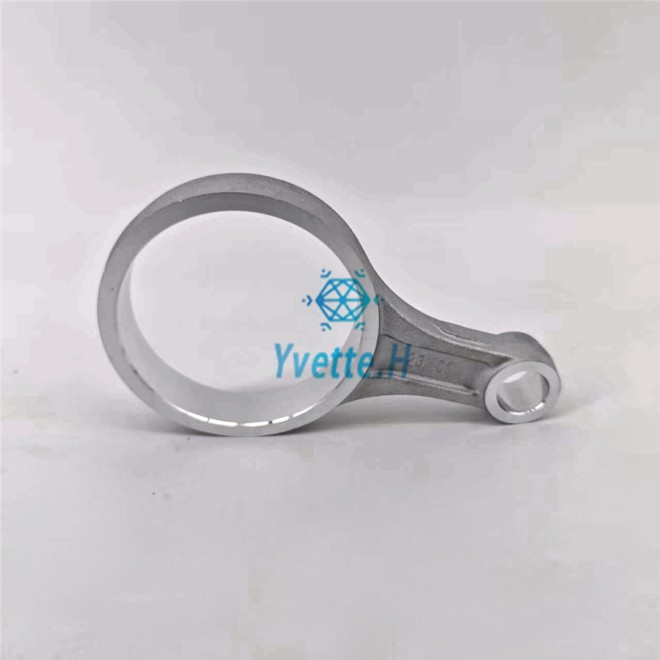
From complete reciprocating and screw compressor packages to precision-machined connecting rods, high-pressure switches, motor-side bearing bushes, and complete condensing assemblies, our engineering catalog supports global refrigeration contractors, overhaul facilities, and cold storage fleet operators with unmatched reliability and stringent quality verification.

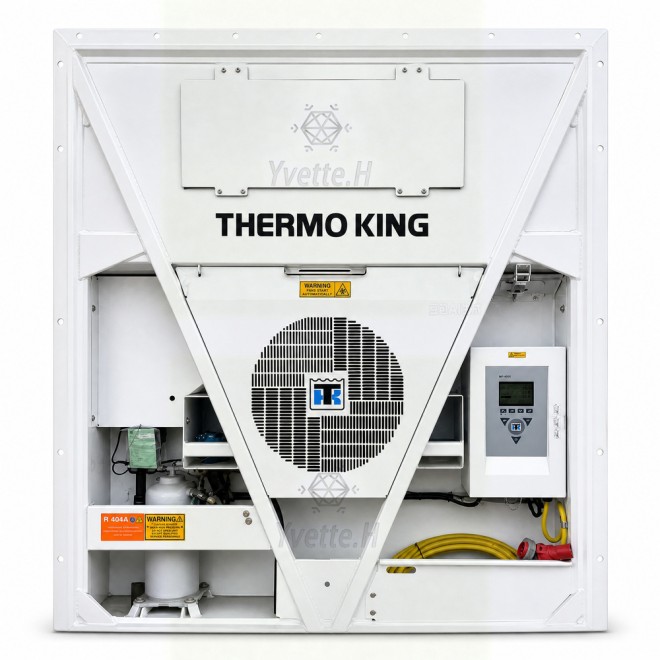
With a strong focus on quality and performance, we offer a comprehensive product portfolio compatible with world-leading brands such as Bitzer, Carrier, Thermo King, Copeland, and more. Our wide-ranging lineup covers everything from complete cold storage units to precision-engineered components.


Every bushing, connecting rod, and motor electrical component undergoes coordinate-measuring machine (CMM) dimensional verification and dynamic stress tests to ensure direct drop-in replacement parity with OEM standards.
Components engineered to support industry benchmarks including Bitzer Ecoline, Carrier 06D/06E, Dorin H/VS Series, Copeland Discus, and Thermo King Magnum refrigeration platforms.
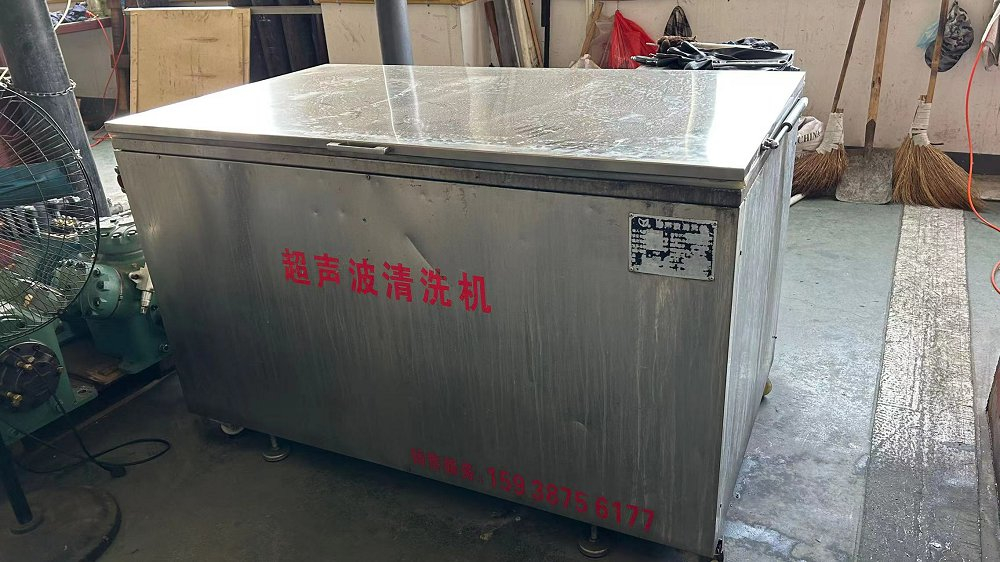
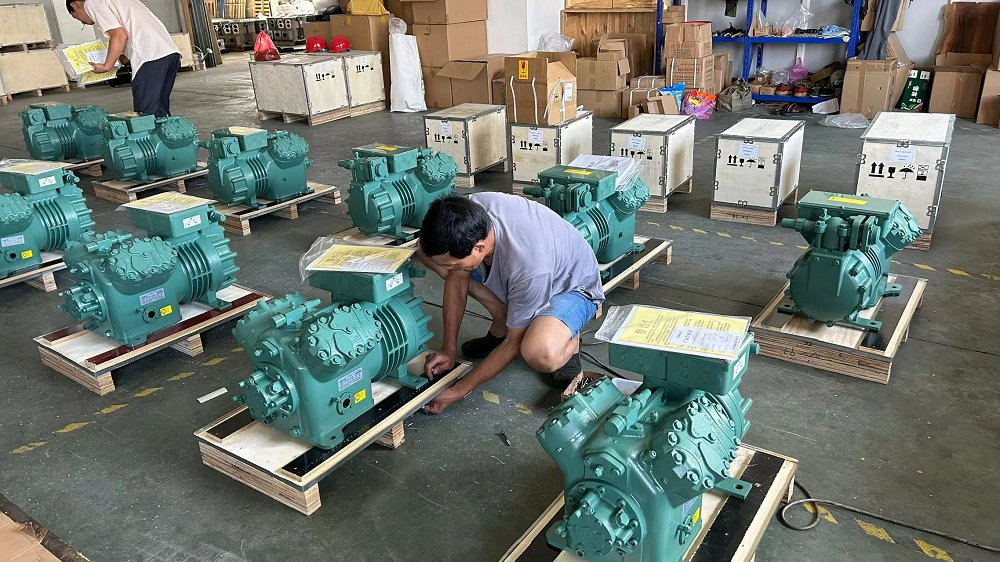
Our manufacturing and remanufacturing workflow adheres to strict ISO-certified protocols, guaranteeing contamination-free assembly, micro-gap precision, structural vacuum drying, and robust protective packaging.
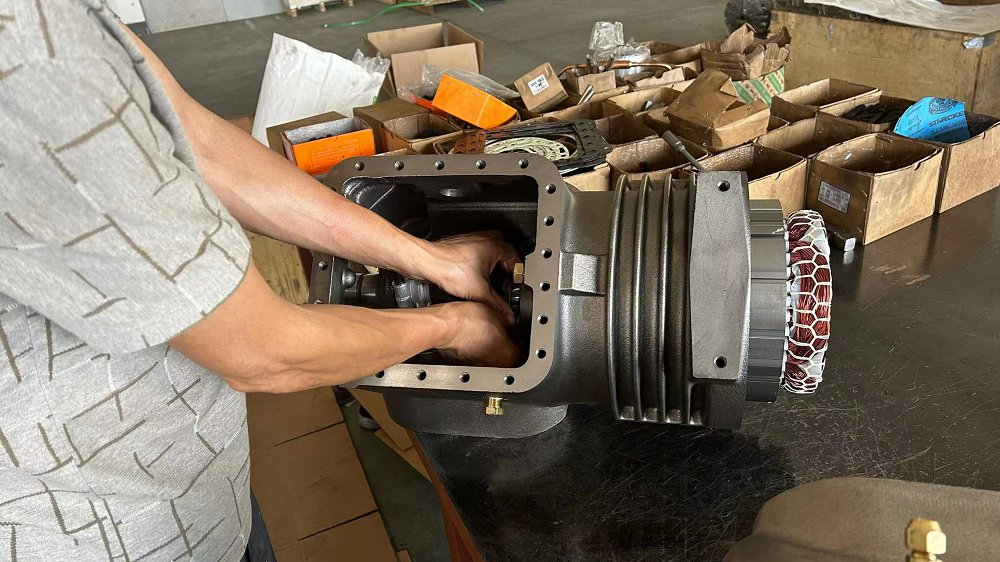 Step 1

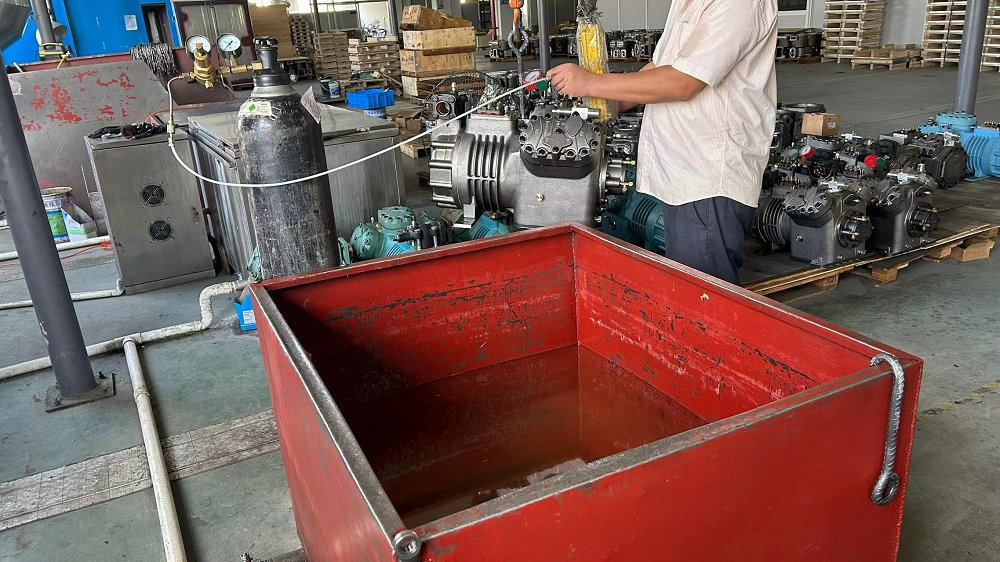 Step 2
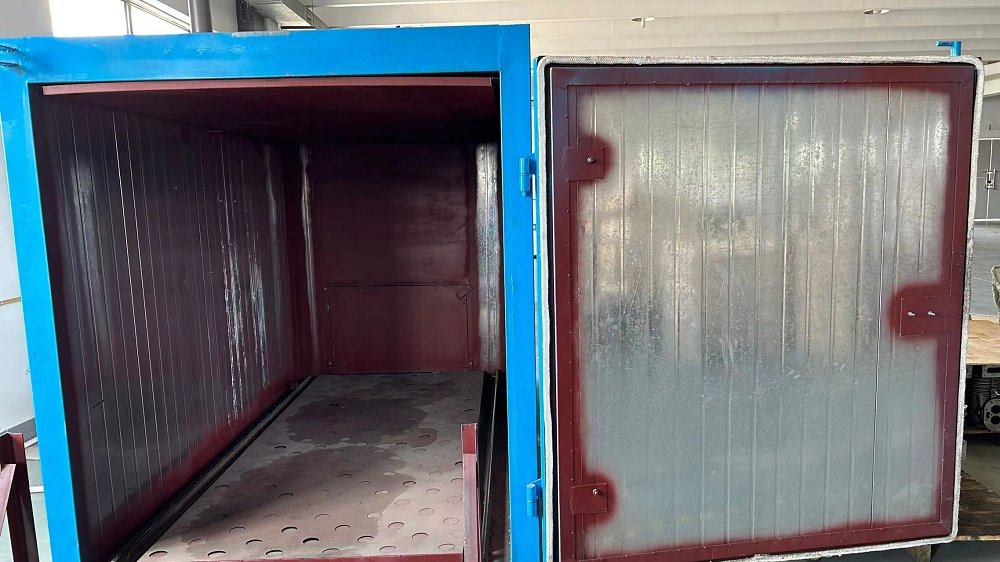 Step 3
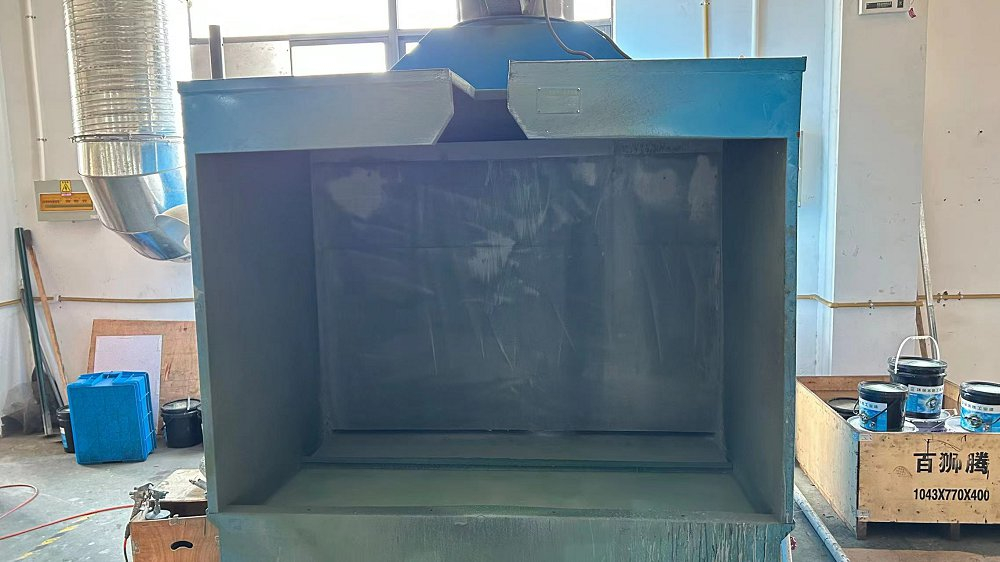 Step 4
 Step 5
 Step 6
Our overhauled motors and high-tolerance mechanical spare parts power mission-critical refrigeration cycles across diverse global industries.
Continuous marine transport across fluctuating ocean temperatures requires ruggedized motors resistant to salt spray humidity and power grid harmonic distortion in container units like Star Cool and Thermo King.
Automated distribution centers rely on high-horsepower semi-hermetic reciprocating and screw compressor racks operating 24/7/365 where motor energy efficiency directly impacts overhead operating margins.
Individual Quick Freezing (IQF) and meat processing facilities demand instantaneous heavy-load torque and extreme thermal endurance during rapid pulldown cycles at -35°C to -45°C evaporating temperatures.
Explore our extensive stock of semi-hermetic compressors, condensing units, electronic controls, and precision machined internal spares engineered for long-term cooling performance.