Leave Your Message
Ensure uninterrupted cooling performance. Explore our primary selections of heavy-duty semi-hermetic compressors, scroll replacements, and data retrieval tools engineered for transport refrigeration.
In global cold chain logistics, transport refrigeration units (TRUs) are the unsung heroes that safeguard perishable foods, life-saving pharmaceuticals, and sensitive chemicals. At the very heart of these complex systems is the refrigeration compressor motor. Unlike stationary industrial systems, a compressor motor integrated into a transport refrigeration unit must operate under extreme environmental stressors. It is subjected to constant road vibrations, severe temperature fluctuations, and erratic electrical loads. When a compressor motor fails, the entire cooling loop collapses, threatening the integrity of the cargo and exposing logistics fleets to massive financial liabilities.
Repairing and maintaining these specialized motors requires a deep understanding of their mechanical and electrical parameters. Modern TRU compressor motors are built to be compact, lightweight, and highly efficient. They are designed as either semi-hermetic or hermetic systems to prevent refrigerant leakage. Whether you are servicing a long-haul trailer reefer, an ocean-going refrigerated container, or a last-mile delivery van, choosing the correct replacement motor or compressor unit is paramount to ensuring consistent temperature control and avoiding costly en-route breakdowns.
The commercial landscape of transport refrigeration is shifting rapidly. Tightening regulatory standards regarding food safety (such as FSMA in the United States) and pharmaceutical distribution (GDP - Good Distribution Practices) mandate precise temperature tracking and zero-tolerance policies for thermal deviation. Consequently, the maintenance and repair of TRUs have transitioned from reactive troubleshooting to highly structured, predictive maintenance protocols.
In the industrial sector, fleet operators manage hundreds of refrigerated assets. The cost of a single compressor failure extends far beyond the price of the replacement motor. It includes emergency towing, cargo loss, environmental disposal fees, and damage to customer relationships. Therefore, service providers specializing in transport refrigeration unit repair look for replacement motors that offer identical or superior performance to OEM specifications, such as those from industry leaders like Carrier Transicold, Thermo King, Bock, and Copeland.
Diagnosing a failing refrigeration compressor motor requires identifying the root cause of the malfunction. In transport refrigeration, motors typically fail due to one of the following reasons:
Engineered to withstand constant road vibration, shocks, and G-forces experienced during long-haul rail and road transit.
Optimized to operate seamlessly on both diesel-driven generators and stationary 3-phase electric standby connections.
Compatible with the latest low-GWP refrigerants including R452A, R448A, and R513A, aligning with global environmental regulations.
Refrigeration compressor motors are integrated differently depending on the specific transport application. Understanding these scenarios helps repair technicians select the correct replacement components:
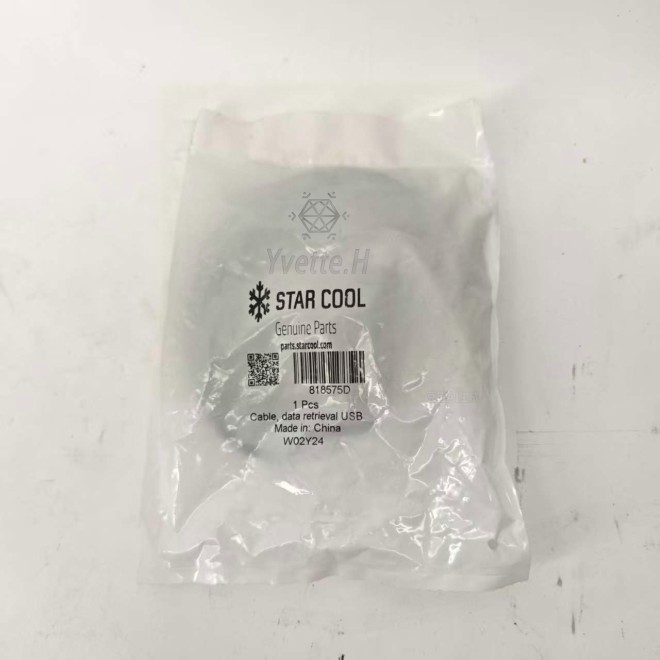
Ocean-going reefer containers travel thousands of miles across oceans, facing corrosive salt air, high humidity, and extreme ambient temperatures. Systems like the Star Cool, Carrier PrimeLINE, and Thermo King units rely on highly sophisticated scroll or reciprocating compressors. For these units, data logging and diagnostic reliability are critical. Components like the 818575D USB Data Retrieval Cable are indispensable for technicians to pull diagnostic logs from CIM5 or CIM6 controllers, allowing them to verify motor run hours, winding temperatures, and identify historical fault codes before a catastrophic motor burn-out occurs.
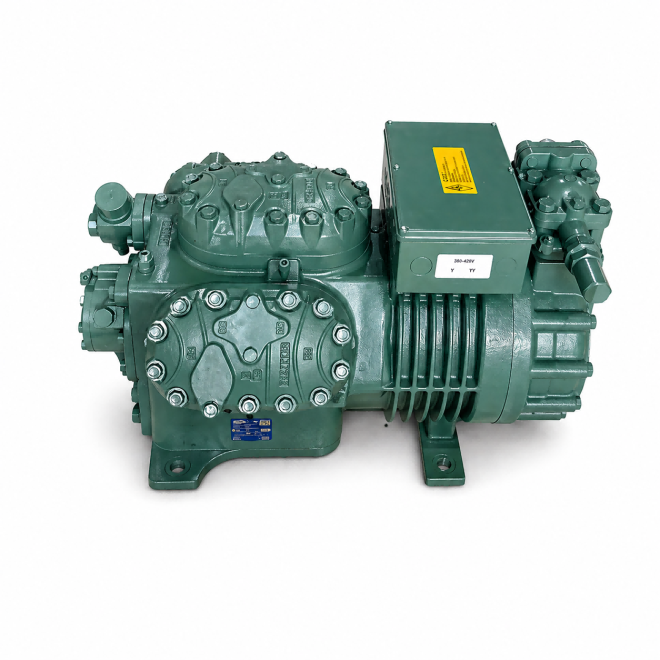
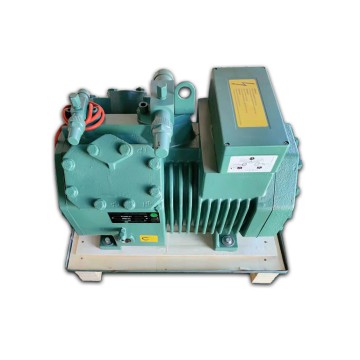
Long-haul trailers transport food products across varying climate zones. These units require high-capacity semi-hermetic compressors (such as 25HP 6-cylinder models like the 6H-25.2 / 6HE-28) to maintain deep-freeze temperatures (-20°F / -29°C) even when ambient temperatures exceed 100°F (38°C). The compressor motor in these units must deliver high torque to handle rapid pull-down phases when warm cargo is loaded.
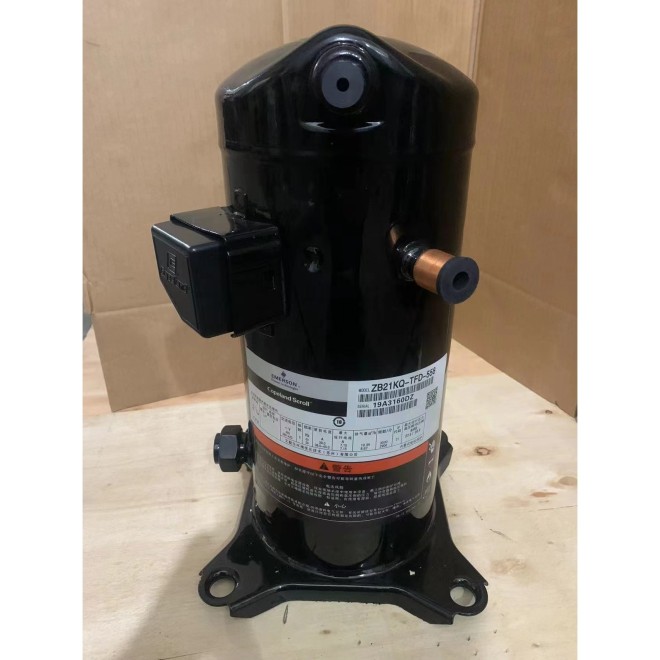
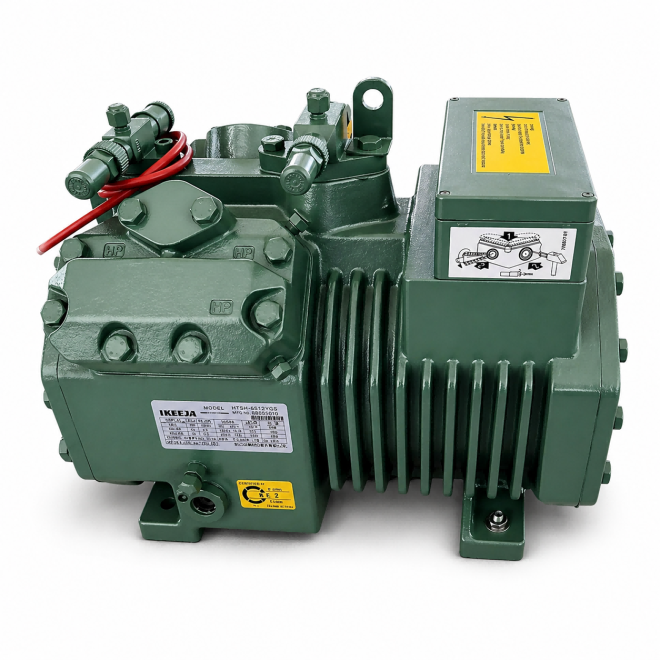
With the boom in e-commerce and grocery delivery, small refrigerated vans require compact, highly efficient compressors. These systems often utilize hermetic scroll compressors (like the ZB21KQ-TFD-558) or low-profile semi-hermetic units (like the 4EC-6.2). Because these vehicles make frequent stops, the compressor motor must endure rapid start-stop cycles without overheating, requiring robust starting capacitors and thermal overload protection.
Whether you are setting up a new refrigeration system or maintaining existing equipment, we provide flexible solutions for both commercial and industrial applications. Our clients include cold storage warehouses, food processing plants, supermarket chains, transport refrigeration companies, and logistics providers.
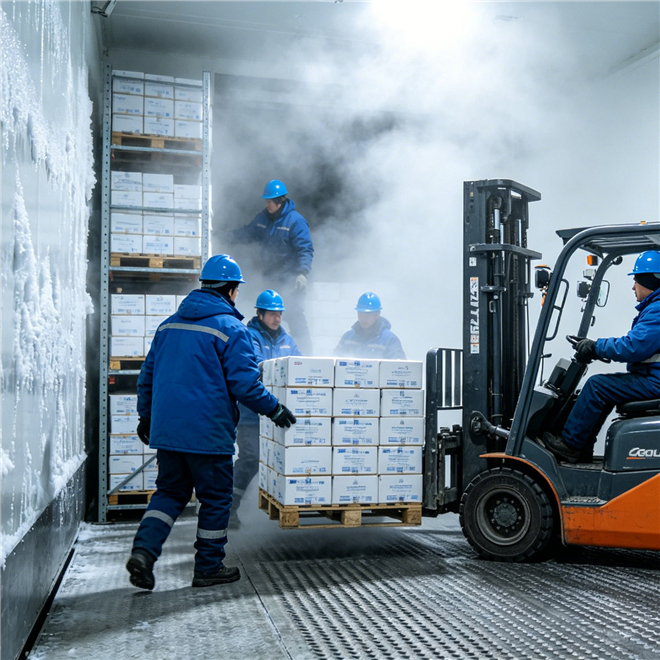

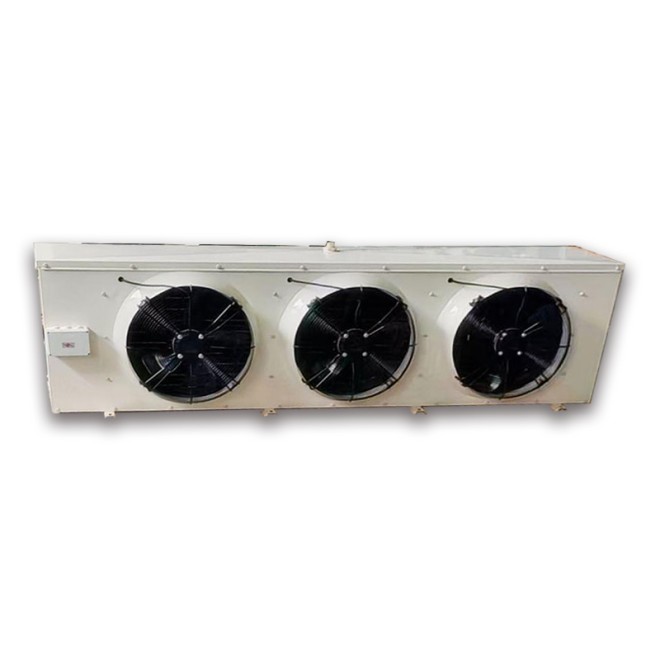
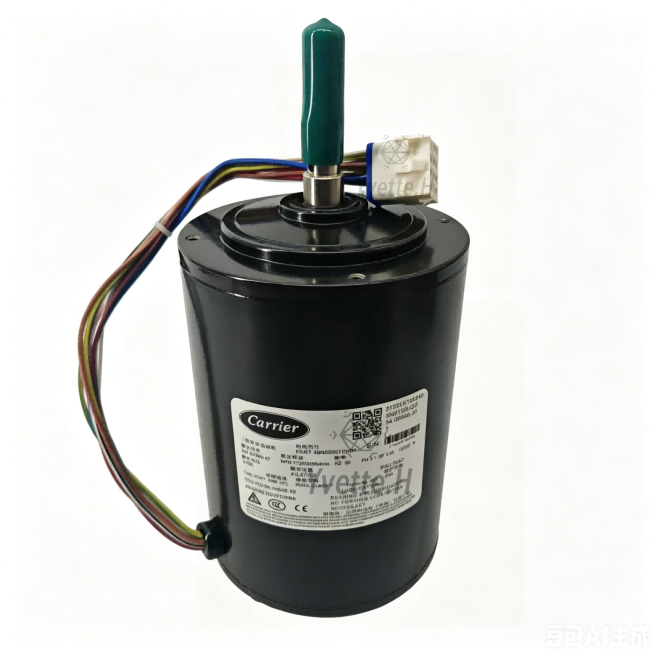
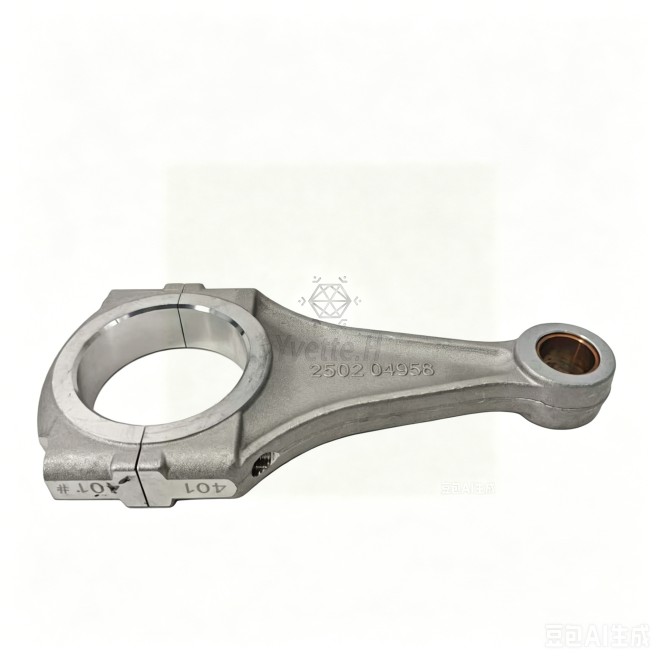
Lies in our extensive inventory and product diversity — reducing the need for multiple suppliers and simplifying your procurement process. By consolidating your sourcing with us, you save time, reduce shipping costs, and minimize administrative overhead. From heavy-duty semi-hermetic compressors to specialized evaporator fan motors and original Bock connecting rods, we maintain a robust supply chain to support your immediate maintenance needs.
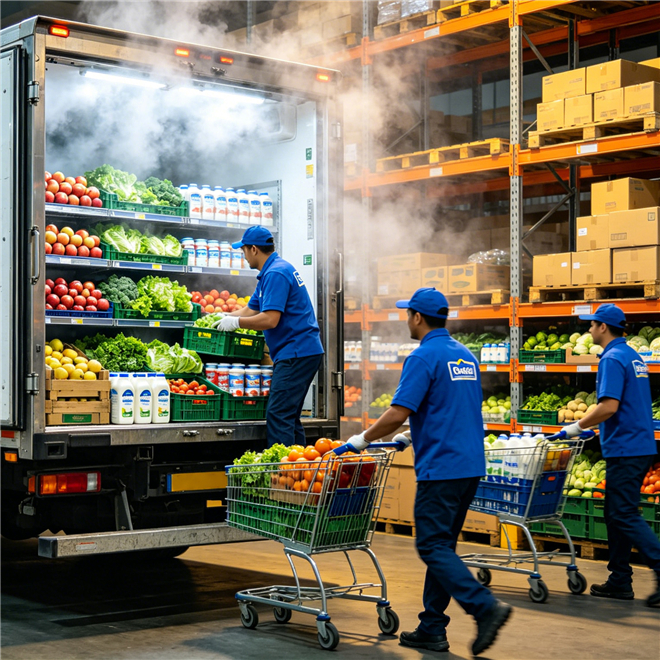
At Xinchang Weien, customer satisfaction is at the core of what we do. With solid industry expertise and a commitment to reliable service, we don't just supply products — we aim to exceed your expectations and support the long-term success of your refrigeration operations. Contact us today to experience the convenience of one-stop refrigeration sourcing and ensure your fleet remains operational 24/7.
As the transport sector moves toward decarbonization, transport refrigeration units are undergoing major technological evolutions. Understanding these trends is vital for repair technicians and fleet operators planning long-term capital investments:
Traditional reefers rely on diesel engines to drive the compressor directly or run a generator. The industry is rapidly adopting all-electric TRUs powered by high-voltage battery packs or truck chassis power. This shift requires hermetic scroll compressor motors that operate on high-voltage Direct Current (HVDC) rather than standard AC power. These brushless DC (BLDC) motors offer exceptional efficiency and variable speed control, allowing the system to match cooling capacity precisely with load demands.
Inverter-driven compressors are becoming standard in modern transport refrigeration units. By using a VFD to control the speed of the compressor motor, the system avoids the energy spikes associated with traditional on/off cycling. This reduces wear and tear on the motor windings, extends bearing life, and provides tighter temperature control, which is critical for highly sensitive cargoes like pharmaceuticals.
Modern compressor motors are increasingly integrated with sensors that monitor winding temperature, phase current, vibration, and refrigerant pressure in real-time. Telematics systems transmit this data to cloud platforms, where AI algorithms predict motor failures before they occur. This allows fleet operators to schedule maintenance during planned downtime, preventing catastrophic en-route failures.
Browse our full range of professional-grade refrigeration components designed for heavy-duty commercial and transport applications. We guarantee high-precision manufacturing and compatibility.