Leave Your Message
Engineered for reliability, continuous operation, and precise temperature regulation in commercial cooling environments.
The global demand for commercial cold storage room construction has experienced unprecedented growth. Driven by the expansion of the global food supply chain, rapid growth in e-commerce grocery delivery, and stringent regulations surrounding pharmaceutical storage, cold storage warehouses have transitioned from simple insulated spaces into highly automated, energy-efficient logistics hubs. At the absolute center of this transformation is the refrigerator compressor.
Often described as the heart of the refrigeration system, the compressor is responsible for circulating the refrigerant, raising its pressure and temperature, and facilitating the heat exchange process that keeps the cold storage room at the desired temperature. Whether it is a walk-in freezer for a local supermarket chain or a massive distribution center handling thousands of tons of frozen food, choosing the right compressor technology dictates the system's overall operational efficiency, thermal stability, and long-term reliability.
Modern commercial cold storage construction is no longer just about building thick walls and installing cooling units. Today, developers and engineering contractors are heavily focused on reducing the Total Cost of Ownership (TCO) and meeting strict carbon emission targets. Refrigeration systems typically account for up to 60-70% of the total energy consumption in a cold storage facility. Consequently, the selection of the refrigerator compressor directly influences the facility’s energy bills and environmental footprint.
This has led to a major industry shift towards variable frequency drives (VFDs) and smart compressor racks. Inverter-driven compressors can match their output precisely to the thermal load of the cold room, preventing the energy spikes associated with traditional on/off cycles. When constructing modern cold storage rooms, engineers increasingly integrate multi-compressor systems that distribute loads dynamically, ensuring peak performance even under varying ambient conditions or fluctuating product loads.
Discover the engineering principles driving efficiency, durability, and temperature precision in commercial refrigeration.
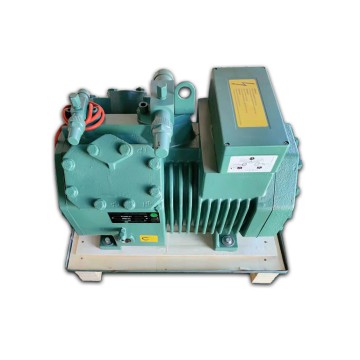
Utilizing advanced scroll and semi-hermetic mechanisms to maintain strict temperature thresholds within ±0.5°C, vital for pharmaceutical and high-value food preservation.
Designed to seamlessly interface with eco-friendly alternatives like R404A, R134a, and next-generation HFO mixtures, reducing environmental impact while optimizing thermodynamic output.
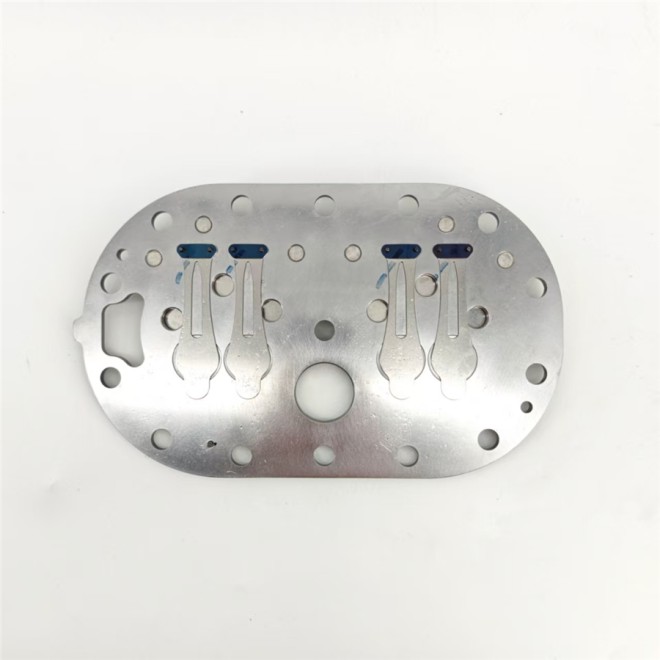
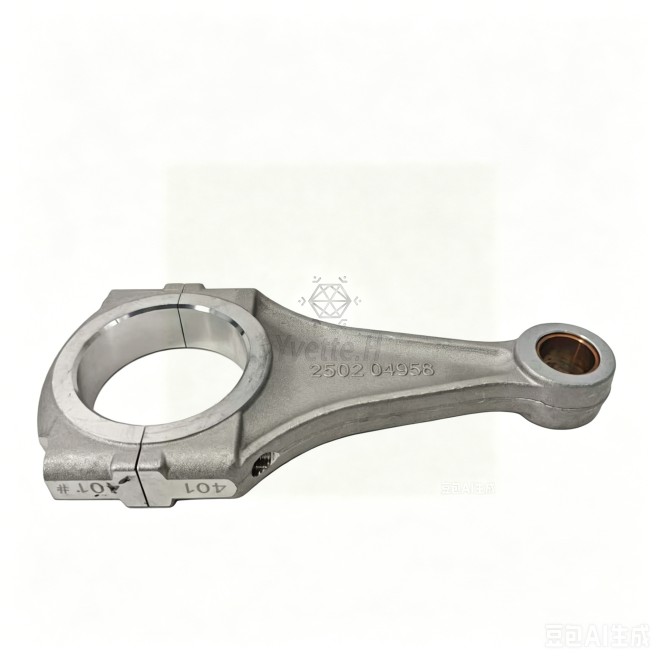
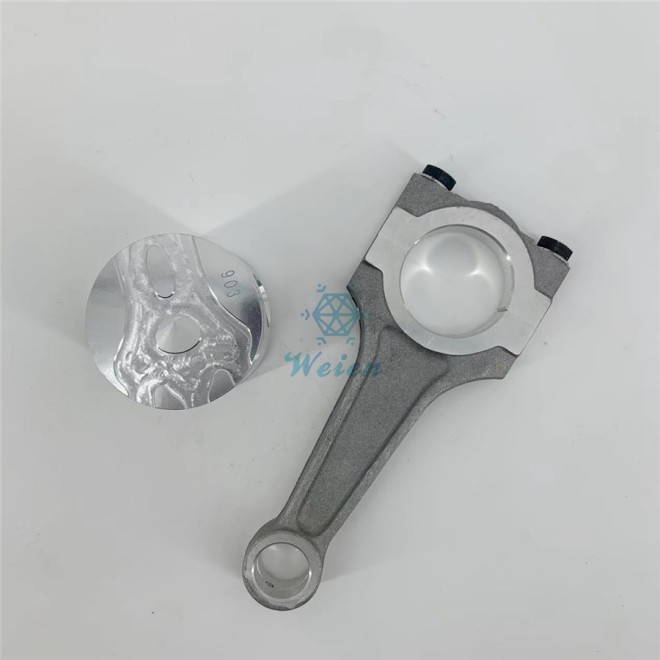
Constructed with high-grade forged components, such as premium connecting rods and robust valve plates, built to withstand continuous, high-pressure operation cycles.
Every cold storage room has unique operational demands. Here is how compressor technology adapts to distinct industries:
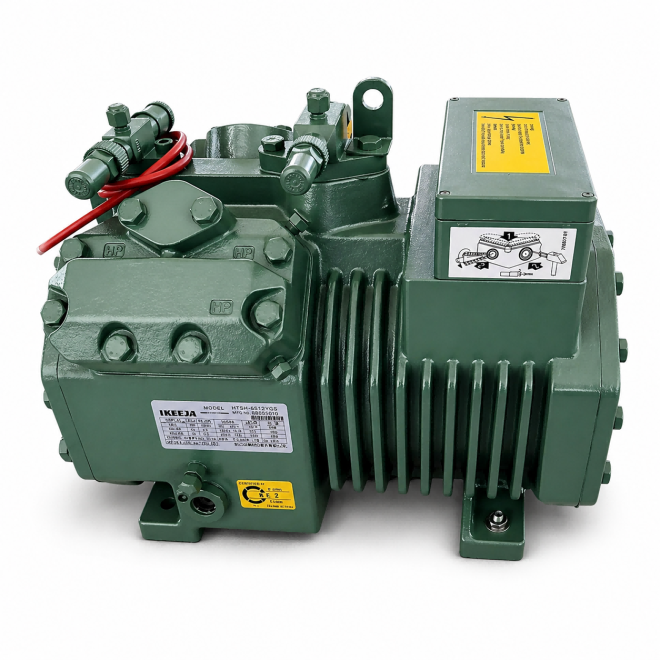
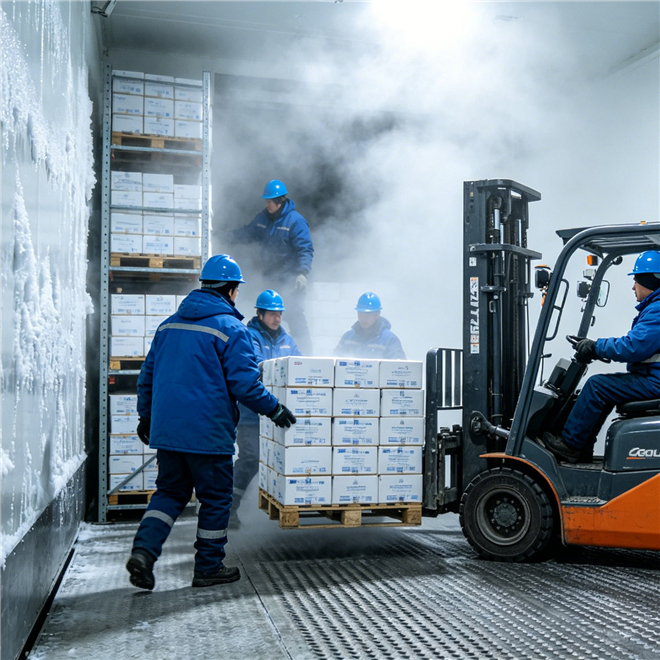
In food processing facilities, products must be rapidly brought down to freezing temperatures to lock in freshness, preserve texture, and stop bacterial growth. This requires blast freezing tunnels that operate at temperatures as low as -35°C to -40°C. Refrigerator compressors utilized in these construction projects must handle extremely high compression ratios. Heavy-duty semi-hermetic reciprocating compressors or two-stage screw compressors are the standard choice here, as they provide the massive volumetric efficiency and thermal resilience needed to handle sudden thermal load surges when fresh batches of warm product enter the tunnel.
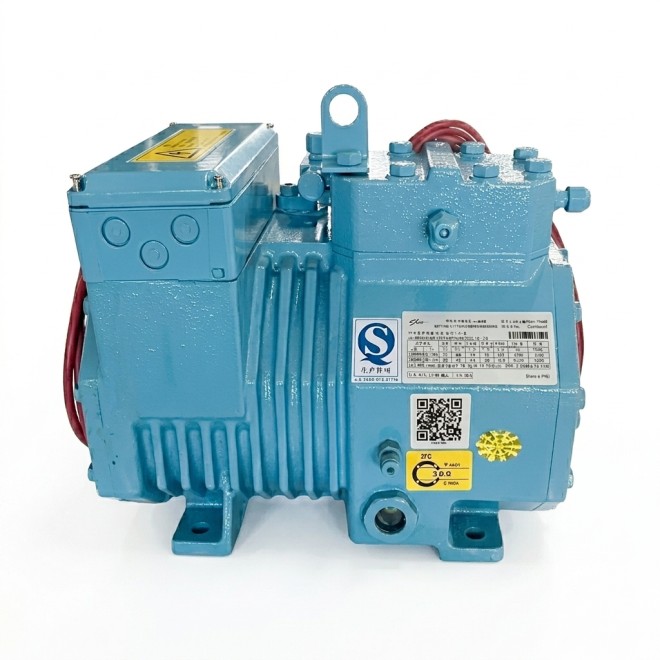
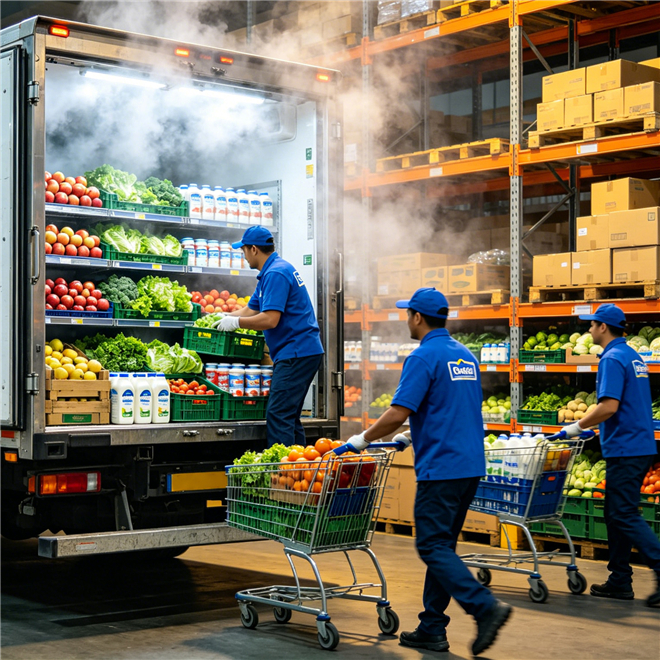
Supermarket distribution centers are massive, multi-temperature zones that store everything from fresh produce (0°C to +4°C) to frozen goods (-18°C to -25°C). The construction of these facilities relies on centralized mechanical rooms containing multiplex compressor racks. These racks link multiple scroll or semi-hermetic compressors in parallel. By using digital scroll compressors or variable-speed models, the system dynamically scales up or down based on how many cold room doors are open, the external seasonal temperature, and product turnover rates. This dynamic scaling is critical for preventing compressor short-cycling, which is a major cause of mechanical wear and energy waste.
Pharmaceutical cold storage construction is governed by incredibly strict compliance guidelines (such as GAMP and FDA regulations). Vaccines, biological samples, and life-saving medications require absolute temperature uniformity. If a compressor fails, millions of dollars worth of inventory can be compromised in minutes. Therefore, redundancy is the key design parameter. Contractors install dual-refrigeration systems where each system is capable of handling 100% of the cooling load. The compressors chosen must feature integrated electronics for diagnostic feedback, allowing operators to monitor winding temperatures, oil levels, and vibration profiles remotely to prevent failure before it happens.
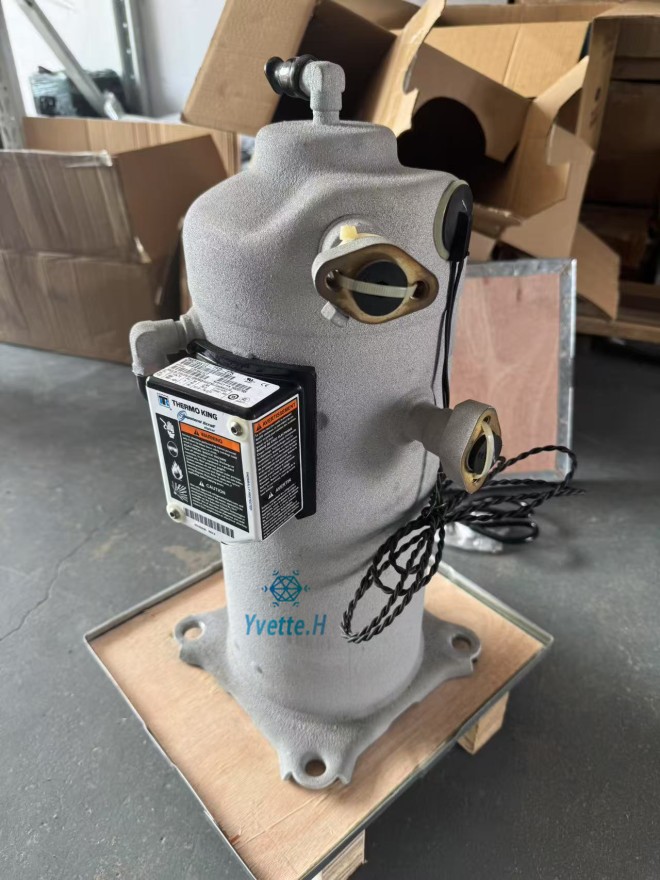
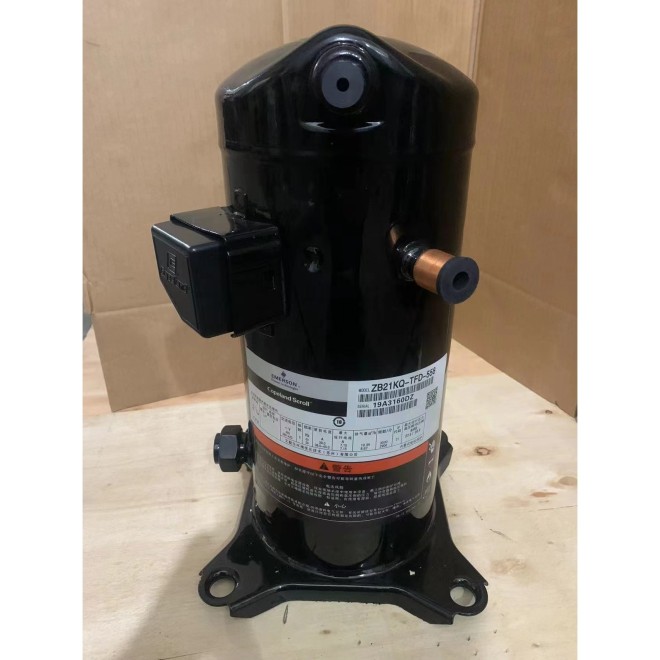
Cold chain logistics do not stop at the warehouse door. Intermodal transport via reefer containers bridges the gap between continents. Refrigerator compressors designed for transport refrigeration (such as Copeland scroll compressors optimized for Thermo King units) must be exceptionally compact, lightweight, and capable of enduring continuous vibration, physical shocks, and harsh marine environments. Refurbished and OEM-certified scroll compressors are highly valued in this sector to maintain the fleet cost-effectively without sacrificing cooling reliability during long ocean transits.

Lies in our extensive inventory and product diversity — reducing the need for multiple suppliers and simplifying your procurement process. By consolidating your sourcing with us, you save time, reduce shipping costs, and minimize administrative overhead.
At Xinchang Weien, customer satisfaction is at the core of what we do. With solid industry expertise and a commitment to reliable service, we don't just supply products — we aim to exceed your expectations and support the long-term success of your refrigeration operations. Contact us today to experience the convenience of one-stop refrigeration sourcing.
A structured comparison to guide engineers, facility managers, and procurement officers during project planning.
When designing a commercial cold room, selecting the appropriate compressor type is a critical engineering decision. The choice typically boils down to three primary designs: Scroll, Semi-Hermetic Reciprocating, and Screw compressors. Each has its distinct advantages depending on the scale and temperature requirements of the project.
In commercial cold storage operations, unexpected downtime is the ultimate enemy. A single day of compressor failure can lead to catastrophic losses in perishable goods. This highlights the critical importance of utilizing high-quality replacement parts during maintenance cycles. Components such as forged connecting rods, precision-machined valve plates, and high-durability gaskets must meet or exceed original equipment manufacturer (OEM) standards. Ensuring that your service team has immediate access to components like Bock F14 connecting rods or Bitzer 6HE-35 valve plates is essential for restoring operations swiftly and maintaining the design efficiency of the refrigeration system.
Explore our full line of scroll and semi-hermetic compressors, along with genuine replacement components to keep your cold storage systems running efficiently.