Leave Your Message
High-efficiency components designed to withstand rigorous ocean transport environments.
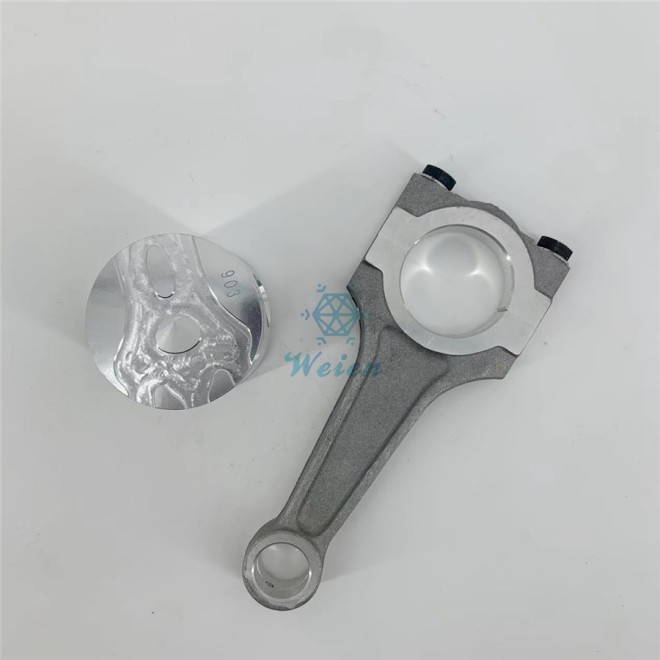
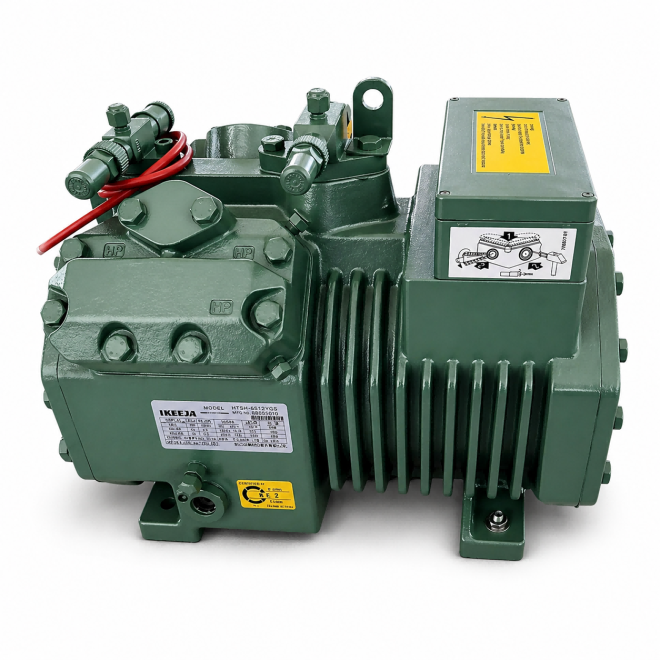
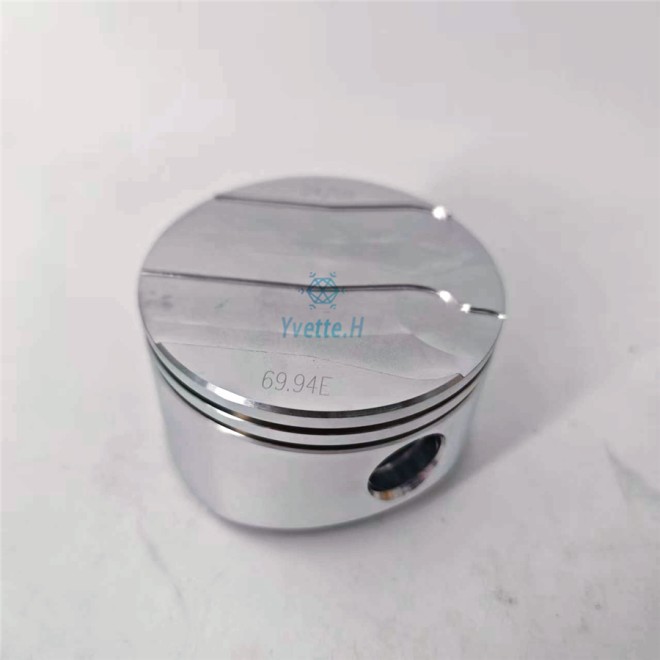
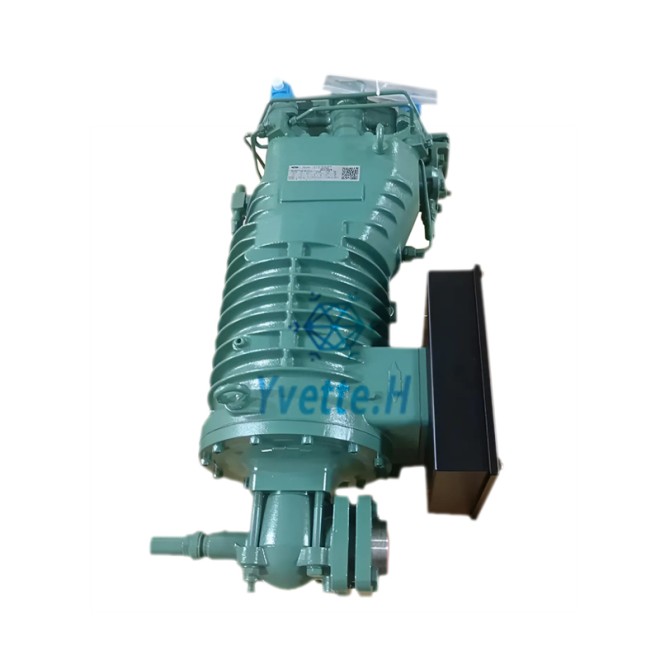
In modern global trade, maritime reefer containers are the lifelines of the cold chain, ensuring that perishable cargoes—ranging from fresh agricultural produce and seafood to highly sensitive biopharmaceuticals—are transported across oceans under precise temperature controls. At the absolute heart of this operation is the refrigerator compressor for maritime reefer container maintenance. When a reefer container's compressor fails or loses efficiency mid-voyage, the commercial consequences are catastrophic. Cargo spoilage can lead to hundreds of thousands of dollars in direct losses, complicated insurance claims, and damaged logistics reputations.
Consequently, the maritime industry places an extraordinary emphasis on preventative maintenance, rapid diagnostic protocols, and the availability of premium replacement components. The market demand for robust, marine-grade refrigeration compressors and spare parts has surged as global shipping routes expand and shipping times increase. Operators require parts that are not only highly durable but also strictly compatible with standard marine refrigeration systems from leading OEMs like Bitzer, Carrier, Thermo King, and Daikin.
Unlike stationary cold storage units, a marine reefer container compressor is subjected to continuous physical stress, including high-frequency vibrations from ship engines, tilting caused by ocean swells, salt-spray corrosion, and extreme ambient temperature fluctuations. Maintenance schedules must be rigorous, utilizing heavy-duty components that prevent oil migration, withstand electrical fluctuations, and maintain hermetic integrity under pressure.
Maritime reefer compressors operate under conditions that would quickly degrade standard commercial HVAC units. Understanding these factors is critical for selecting the right maintenance parts:
Xinchang Weien Import & Export Co., Ltd. is a reliable integrated industry and trading company, serving as a one-stop sourcing hub for refrigeration equipment and spare parts. We understand that sourcing refrigeration components from multiple suppliers can be time-consuming, costly, and logistically challenging. That is why we have built a comprehensive supply chain to meet all your refrigeration needs under one roof.
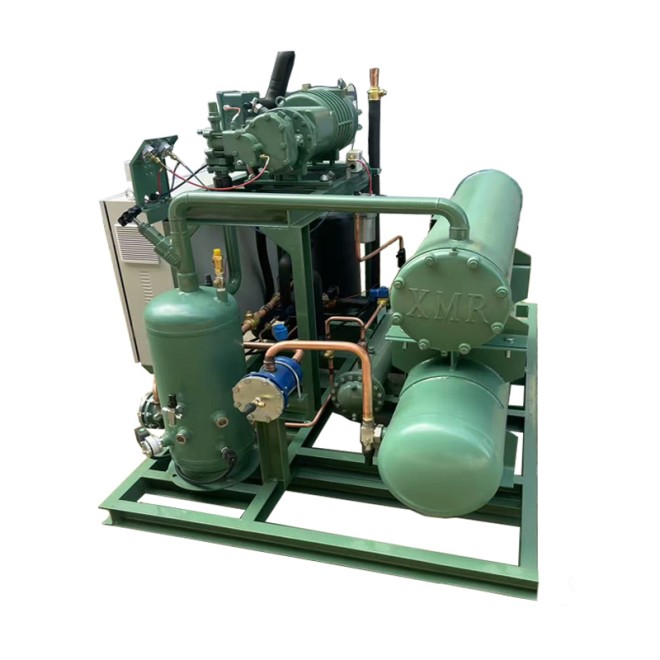
Extensive Product Range from Cold Storage Units to Components
With a strong focus on quality and performance, we offer a comprehensive product portfolio compatible with world-leading brands such as Bitzer, Carrier, Thermo King, Copeland, and more. Our wide-ranging lineup covers everything from complete cold storage units to precision-engineered components.



Whether you need a full refrigeration system for a new warehouse or individual spare parts for routine maintenance, we have the right solution for you.
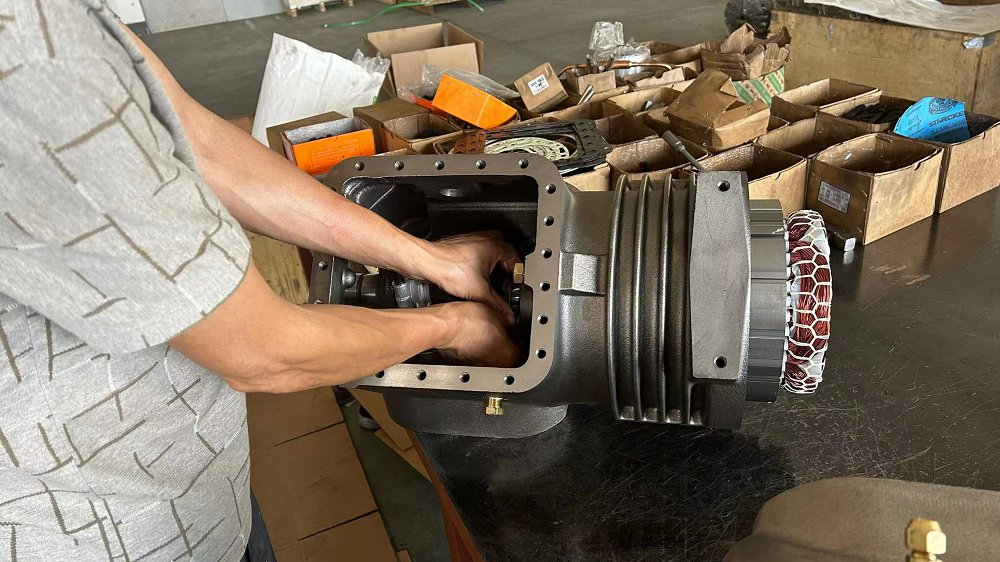
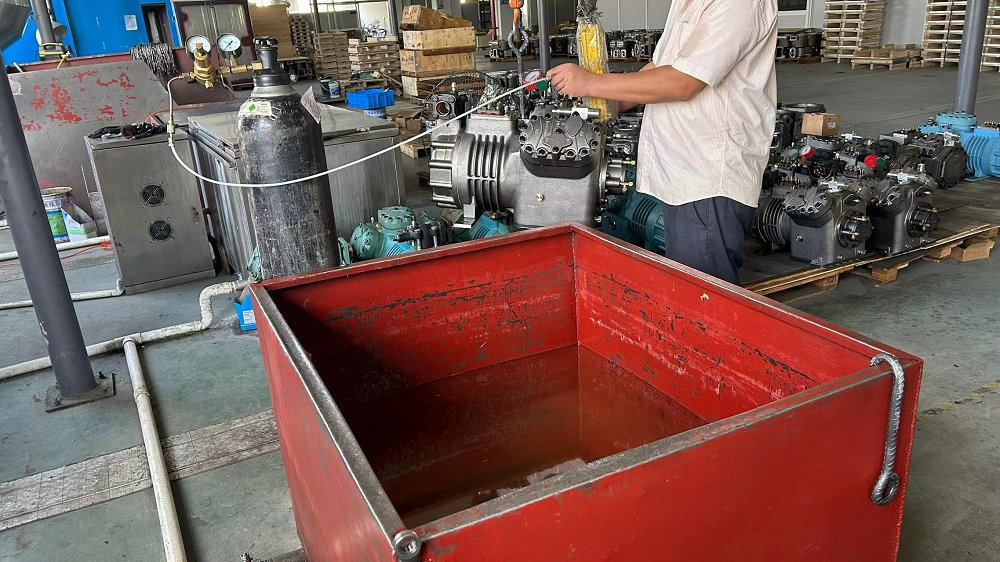
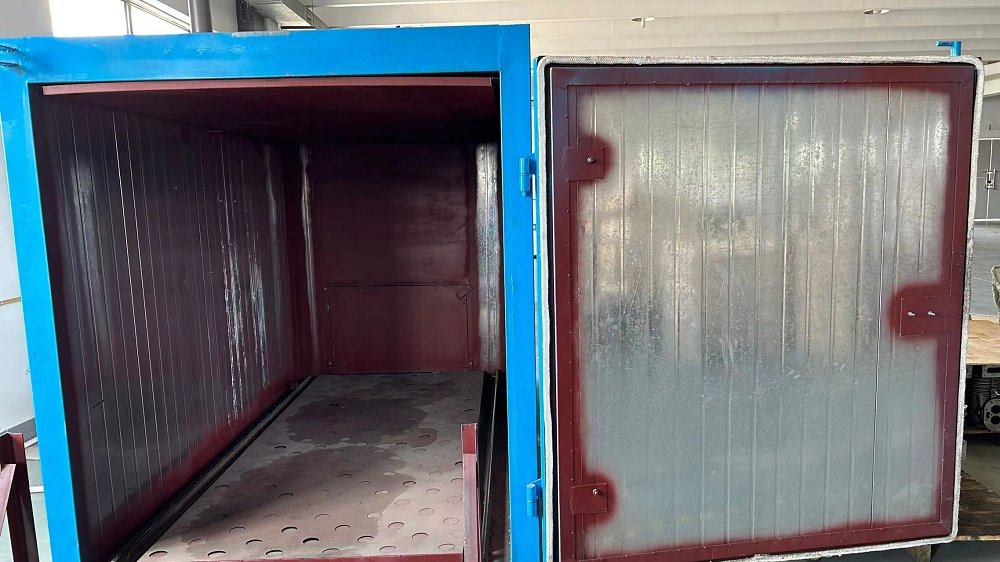
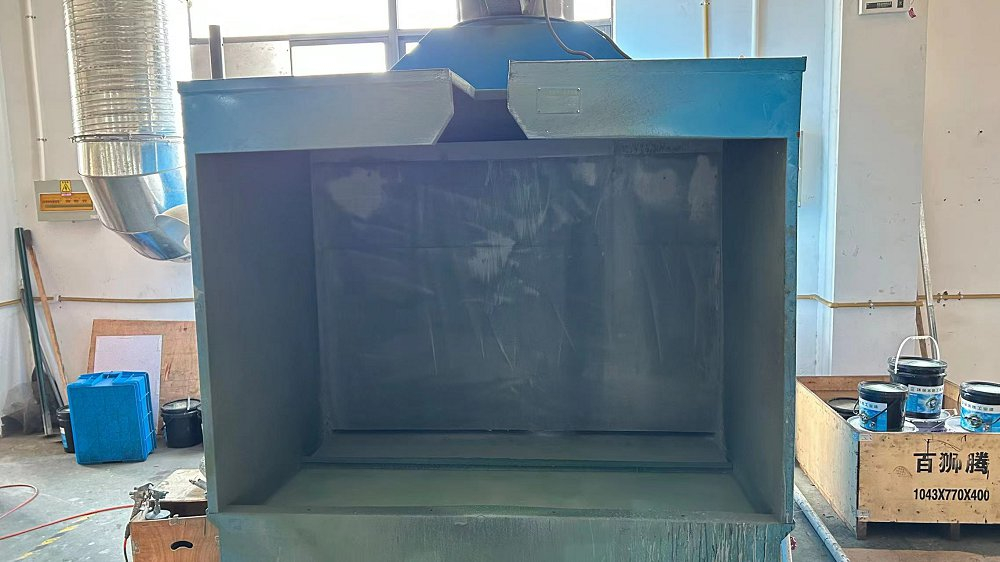
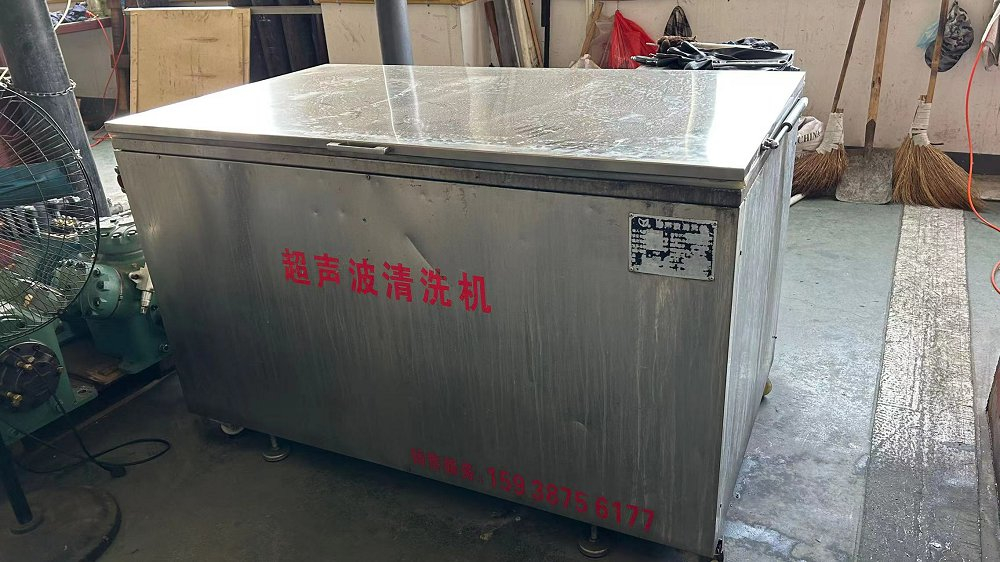
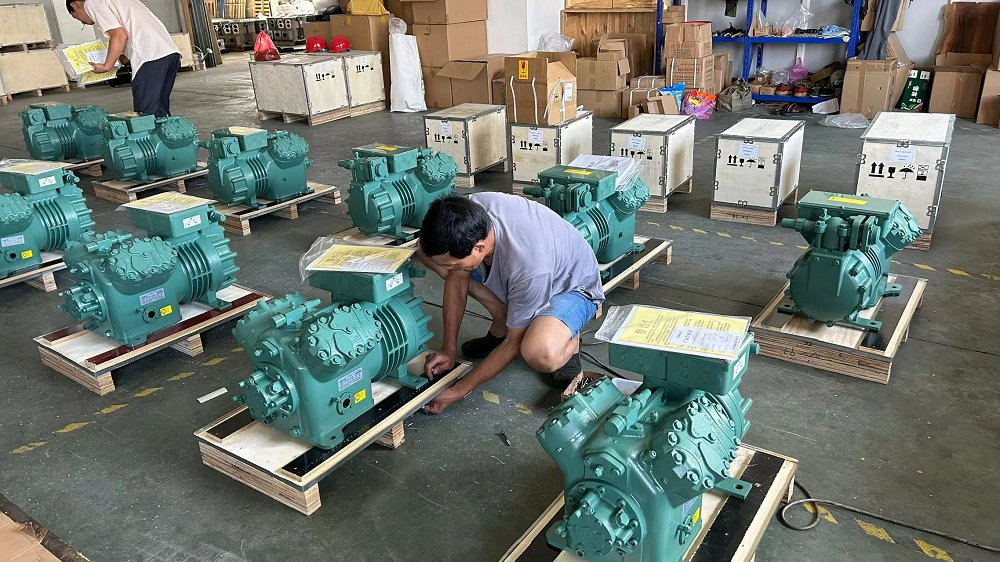
Our Professional Quality Control and Refurbishment Steps
The maritime shipping sector is undergoing rapid technological transformation, driven by environmental legislation and the digital revolution. These shifts directly impact how refrigerator compressors for maritime reefer container maintenance are engineered and serviced.
Global environmental regulations, such as the Kigali Amendment to the Montreal Protocol and the International Maritime Organization (IMO) decarbonization targets, are forcing a phase-out of high-GWP (Global Warming Potential) refrigerants like R134a and R404A. Modern reefer container maintenance now frequently involves retrofitting or replacing older compressors to work with low-GWP alternatives, such as R513A or natural refrigerants like CO2 (R744). Refrigerator compressors must be optimized to handle the higher operating pressures of CO2 while maintaining thermal efficiency in tropical shipping routes.
Smart reefer containers equipped with IoT sensors are becoming the industry standard. These sensors continuously monitor compressor vibration, discharge temperature, suction pressure, and oil levels. By analyzing this data in real time via satellite links, fleet managers can predict compressor failures before they occur. Maintenance is shifting from scheduled intervals to "predictive" actions, allowing technicians to replace worn connecting rods, pistons, or oil pumps during planned port stays rather than dealing with emergency breakdowns at sea.
To reduce fuel consumption on container vessels, modern reefer units utilize inverter-driven scroll and reciprocating compressors. By adjusting the compressor motor speed to match the cooling load precisely, VSD systems reduce energy consumption by up to 30%. However, servicing these complex electronic systems requires high-quality replacement parts, including specialized motor windings and robust electrical components that can handle high-frequency switching without overheating.
Replacing a complete semi-hermetic compressor every time a component fails is financially and environmentally unsustainable. Remanufacturing and rebuilding compressors using precision spare parts—such as forged connecting rods, matched piston-cylinder kits, and high-performance valve plates—has become the preferred choice for major shipping lines. This approach reduces maintenance costs by up to 60% while maintaining performance standards equal to new OEM units.
Conducting successful maintenance on a refrigerator compressor for maritime reefer containers requires a systematic diagnostic approach. Below are the most common mechanical failures and their corresponding maintenance solutions:
Symptom: High compressor temperature, knocking sounds, and eventual seizure of the crankshaft.
Cause: Liquid refrigerant slugging back to the compressor dilutes the oil, reducing its lubricating properties. Additionally, physical tilting of the ship can cause the oil pump to lose suction.
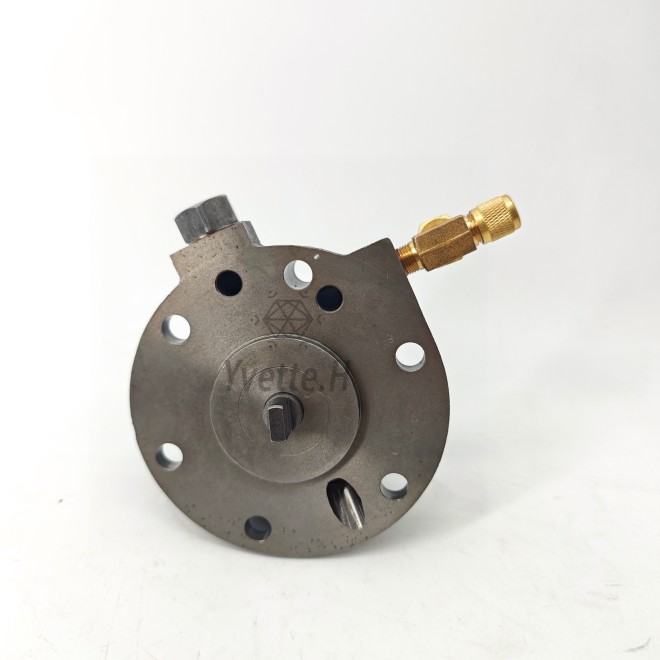
Solution: Regularly inspect the oil pump during maintenance. Replace worn pumps with high-precision components like the RefComp SP series oil pumps. Ensure that oil heaters are operating correctly to prevent refrigerant condensation in the crankcase during off-cycles.
Symptom: Loss of compressor capacity, low discharge pressure, and high suction pressure.
Cause: Liquid slugging or carbon buildup on the reed valves due to high operating temperatures.
Solution: Replace the valve plate assembly. Ensure that new valve plates are flat and free from burrs, and clean the cylinder head area thoroughly before reassembly.
Symptom: Severe knocking noises, metal shavings in the oil screen, or locked rotor condition.
Cause: Excessive wear due to poor lubrication or hydraulic lock caused by liquid refrigerant entering the cylinder.
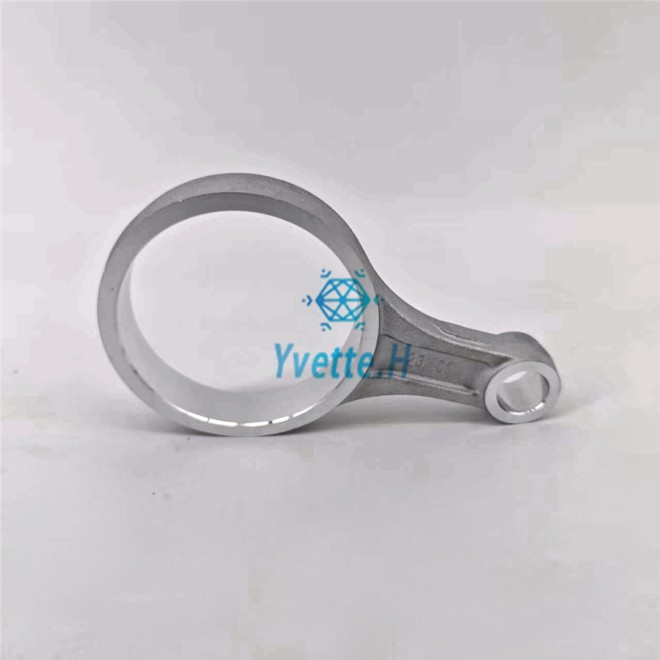
Solution: Complete rebuild of the power transmission assembly. Replace worn connecting rods with forged steel replacements (such as the Bitzer 30211501 or 30213102 equivalents) and fit new pistons (such as the 70mm 30229849 piston) to ensure optimal clearance and compression ratio.
During any compressor rebuild, moisture and particulate contamination are the greatest enemies. Utilizing a strict Ultrasonic Cleaning process for all components, followed by thorough Drying and Pressure Testing with dry nitrogen, is critical to ensuring the long-term reliability of the repaired unit under harsh marine conditions.
Explore our full range of replacement parts and condensing units engineered for global maritime standards.