Leave Your Message
Ensure minimal downtime and maximum system reliability with our top-tier compressor units and precision components.
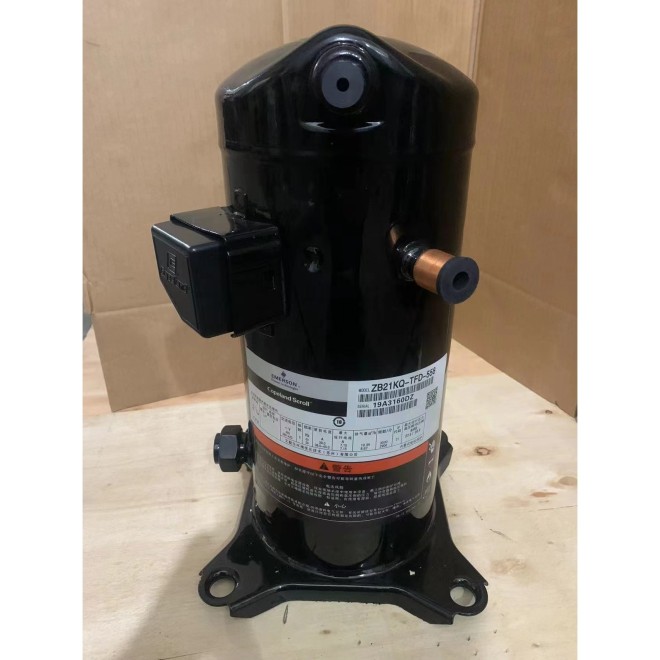
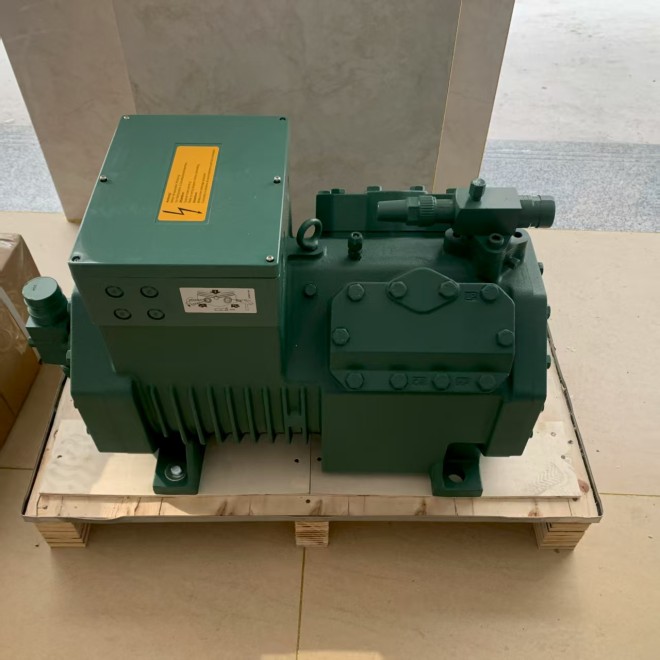
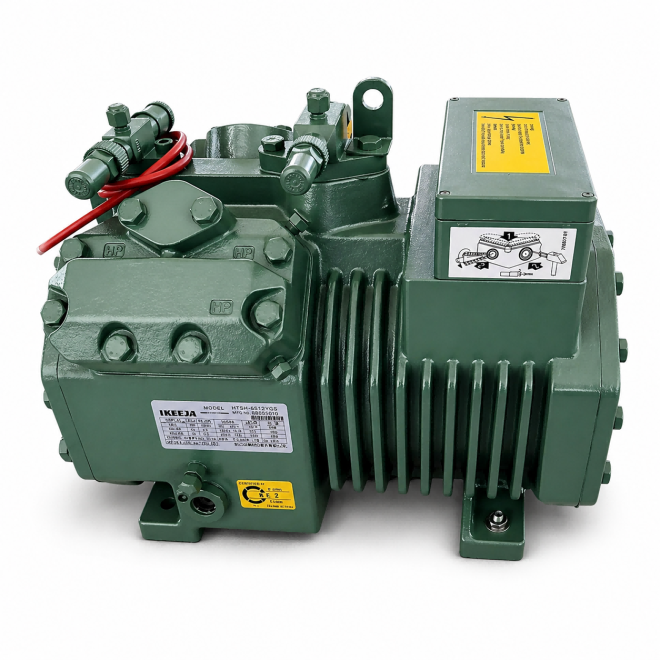
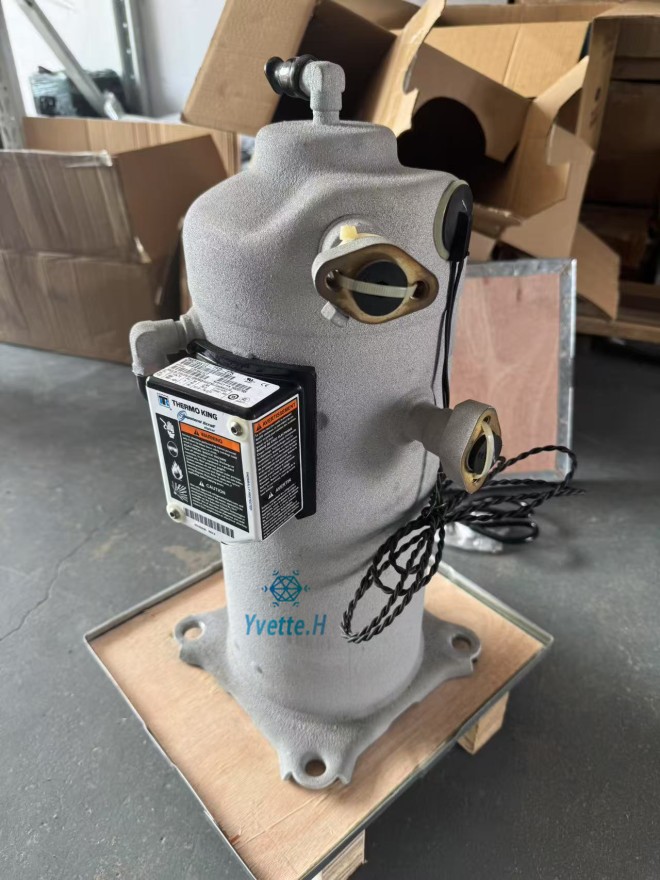
The global cold chain logistics network is the backbone of modern society, ensuring the safe transport of temperature-sensitive pharmaceuticals, fresh food, and chemical goods. At the heart of this network are refrigerated transport containers and trailers, widely dominated by industry-leading systems like Thermo King. For these systems, the refrigerator compressor acts as the absolute engine of the cooling process. When a compressor experiences wear, the entire logistics line faces the risk of catastrophic spoilage, highlighting the critical importance of professional Thermo King Reefer Unit servicing.
According to industry reports, cold chain logistics equipment maintenance demands precision replacement parts. A single day of reefer downtime can result in thousands of dollars in lost cargo and operational penalties.
As international trade pathways expand and strict regulatory guidelines (such as the EU's Good Distribution Practice for pharmaceuticals) tighten, cargo temperature management has zero tolerance for error. Fleet operators must establish proactive maintenance routines. Using premium-grade replacements for components like reciprocating pistons, valve plates, and scroll compressors ensures that transport units consistently hit target temperatures, regardless of high ambient heat outside the container.
Unlike stationary commercial refrigeration systems, a transport refrigerator compressor faces harsh conditions. It must withstand continuous vibrations from road transport, sudden shocks from rail transitions, and extreme temperature fluctuations from crossing different geographic zones. A compressor designed for Thermo King reefer unit servicing must be engineered to withstand these dynamic mechanical loads. Standard off-the-shelf compressors often fail under these vibrations, making specialized components and robust refurbishment standards essential for longevity.
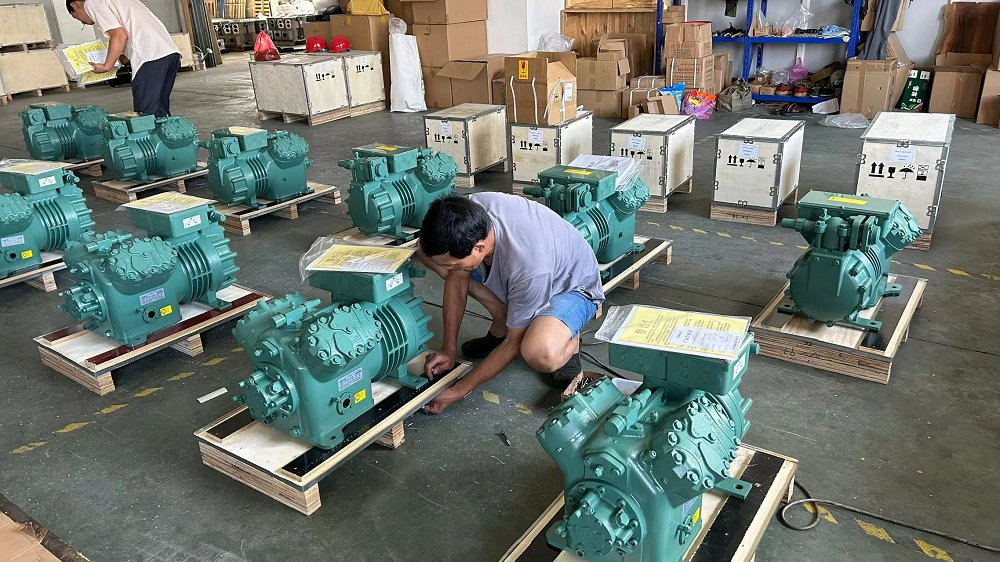
Xinchang Weien Import & Export Co., Ltd. is a reliable integrated industry and trading company, serving as a one-stop sourcing hub for refrigeration equipment and spare parts. We understand that sourcing refrigeration components from multiple suppliers can be time-consuming, costly, and logistically challenging. That is why we have built a comprehensive supply chain to meet all your refrigeration needs under one roof.
Our commitment is to deliver high-quality, long-lasting refrigeration products that align with the rigorous standards of transport refrigeration. We ensure that our clients receive parts that fit correctly, perform optimally under load, and extend the operating life of their reefer fleets.

In transport refrigeration, two main compressor technologies dominate the landscape: scroll and reciprocating. Understanding their operational differences is vital when scheduling a refrigerator compressor replacement during Thermo King reefer unit servicing.
Scroll compressors, such as the Copeland ZMD series, are widely used in container refrigeration due to their continuous compression process. With fewer moving parts, scroll compressors minimize mechanical friction and offer excellent energy efficiency. They are ideal for applications requiring precise temperature control, such as transporting high-value pharmaceuticals or fresh fruits that require specific atmospheric conditions. The scroll mechanism is highly resistant to liquid slugging, which can occur when refrigerant returns to the compressor in liquid form.
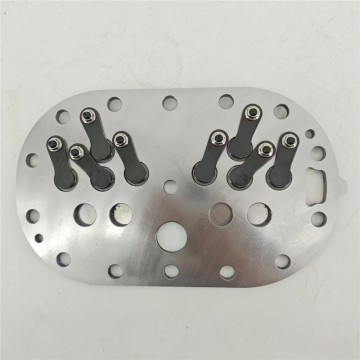
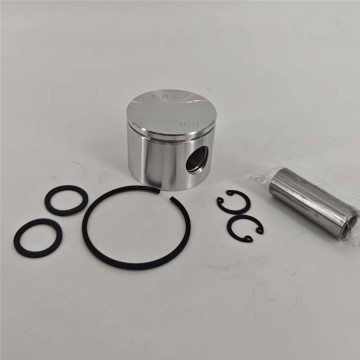
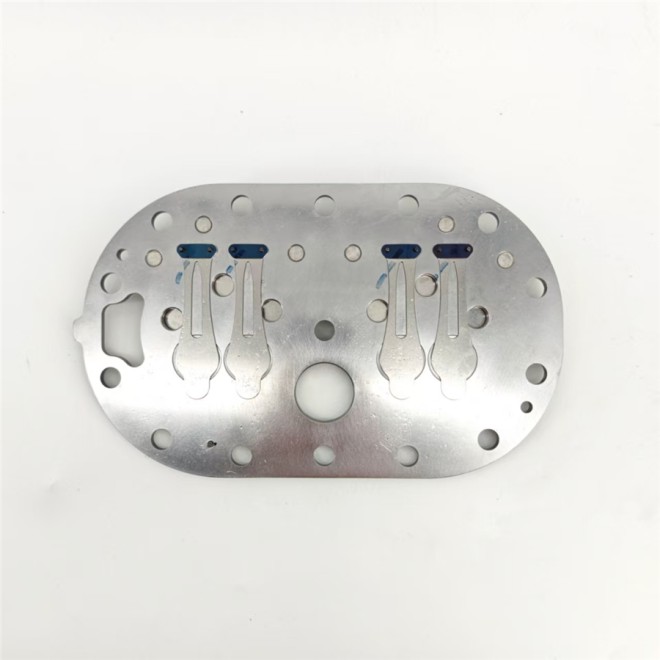
Reciprocating compressors remain the standard for heavy-duty truck and trailer applications where high capacity is required. These systems rely on pistons, connecting rods, and valve plates to compress refrigerant. They are highly serviceable, meaning that a technician can replace individual worn parts—like a valve plate or a piston kit—without replacing the entire compressor. This serviceability makes reciprocating units cost-effective for fleet operators who run in-house maintenance workshops.
Engineered tolerance is critical. Even a micrometer of deviation in a valve plate or piston ring can lead to internal pressure leakage, reducing cooling capacity and increasing fuel consumption in diesel-powered reefer units.
Extensive Product Range from Cold Storage Units to Components
With a strong focus on quality and performance, we offer a comprehensive product portfolio compatible with world-leading brands such as Bitzer, Carrier, Thermo King, Copeland, and more. Our wide-ranging lineup covers everything from complete cold storage units to precision-engineered components.


Whether you need a full refrigeration system for a new warehouse or individual spare parts for routine maintenance, we have the right solution for you.
The transport refrigeration sector is undergoing rapid transformation driven by environmental regulations and digital technology. Keeping up with these trends is essential for any service provider or fleet manager.
Global environmental regulations, such as the F-Gas regulation in Europe and EPA regulations in the United States, are phasing out high-GWP (Global Warming Potential) refrigerants like R404A. Modern Thermo King units are transitioning to lower-GWP alternatives like R452A or natural refrigerants. This transition affects the compressor directly, as lubricants (like POE oil) and seal materials must be compatible with the new chemical formulations. During servicing, technicians must verify that the replacement parts match the specific refrigerant type used in the system.
With the rise of electric commercial vehicles, transport refrigeration units are moving away from dedicated diesel engines toward electric drive systems. This change is driving the demand for hermetic scroll compressors powered by high-voltage DC batteries. Servicing these units requires specialized diagnostic tools and high-voltage safety training, shifting the focus of reefer servicing from purely mechanical repair to advanced electromechanical maintenance.
Modern fleet management relies heavily on IoT sensors embedded within the refrigeration unit. Telematics systems track real-time compressor discharge temperatures, suction pressures, and vibration profiles. By analyzing this data, operators can predict compressor failures before they happen. For instance, a sudden rise in discharge temperature often indicates a failing valve plate, allowing fleet managers to schedule servicing before the cargo is compromised.
Our Services & Quality Assurance Workflow
 Step 1
 Step 2
 Step 3
 Step 4
 Step 5
 Step 6
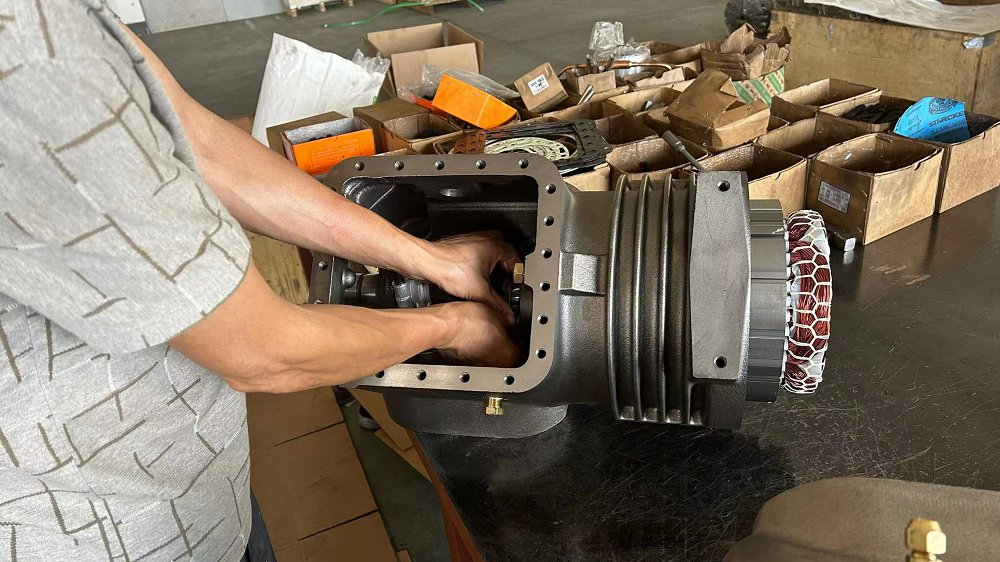
When servicing transport refrigeration compressors, technicians must follow precise procedures to ensure system reliability and avoid premature component wear.
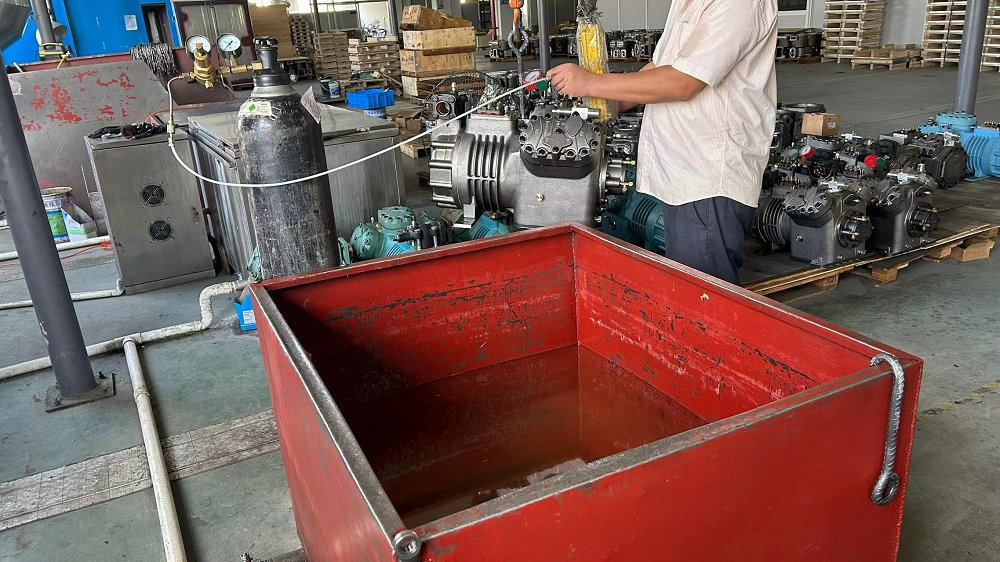
Moisture is the primary enemy of refrigeration systems. When mixed with refrigerant and POE oil, moisture forms highly acidic compounds that corrode compressor motor windings and damage internal surfaces. Following component replacement, performing a deep vacuum draw (down to 500 microns or lower) is essential to remove all non-condensable gases and moisture before charging the system with refrigerant.
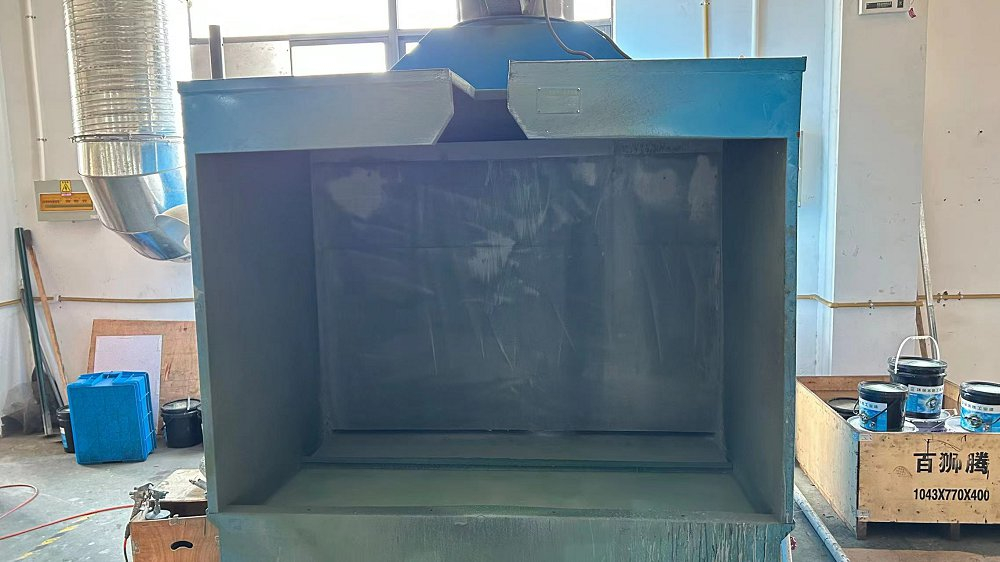
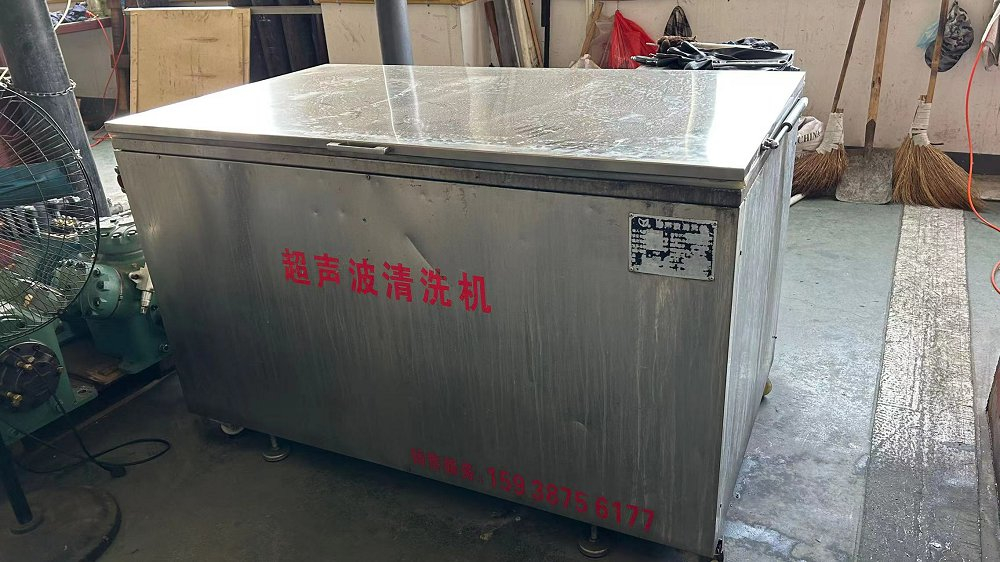
When installing replacement parts like valve plates or piston kits, maintaining clean work conditions is critical. Even tiny particles of dust or metal shavings can score cylinder walls or prevent valve reeds from sealing properly. Technicians should use lint-free cloths and clean components with appropriate solvents before final assembly.
Lubrication is vital for compressor survival. Technicians must check the oil level through the compressor sight glass and verify the oil condition. If the oil is dark or acidic, the system must be flushed, and the filter drier replaced to prevent damage to the new compressor or parts.
Explore our full range of replacement compressors, valve plates, piston kits, and condensing units designed for demanding refrigeration systems.