Leave Your Message
The modern global food supply chain demands absolute precision. Supermarket cold chain logistics fleets form the critical link between agricultural producers, centralized distribution hubs, and urban retail outlets. In this highly dynamic network, maintaining a stable temperature is not merely a matter of food quality—it is a strict regulatory and safety mandate.
Traditional reciprocating compressor units, while reliable in stationary configurations, often struggle under the continuous vibration, rapid ambient temperature shifts, and frequent stop-and-start cycles characteristic of transport logistics. This has driven a massive industrial shift toward Scroll Condensing Units.
As supermarkets expand their fresh food, organic, and ultra-frozen product offerings, logistics providers must deploy refrigeration systems that are both highly efficient and deeply adaptable. Scroll condensing units deliver the precise temperature control needed to prevent spoilage, reduce food waste, and minimize fuel-based energy consumption across transport routes.

Scroll condensing units are deployed across various critical touchpoints in the supermarket logistics ecosystem. Understanding these specific application scenarios reveals why leading fleet operators specify scroll technology over legacy alternatives.
Modern supermarket delivery trucks often carry mixed cargo—fresh produce at 4°C, dairy at 2°C, and frozen poultry at -18°C. Digital scroll condensing units allow for step-less capacity modulation, adjusting cooling output in real-time to maintain distinct temperature zones within a single trailer using minimal energy.
Last-mile logistics involve frequent door openings, causing rapid temperature spikes inside the cargo area. Scroll units recover setpoint temperatures significantly faster than reciprocating units due to their high volumetric efficiency and immediate full-capacity startup capabilities, minimizing thermal shock to goods.
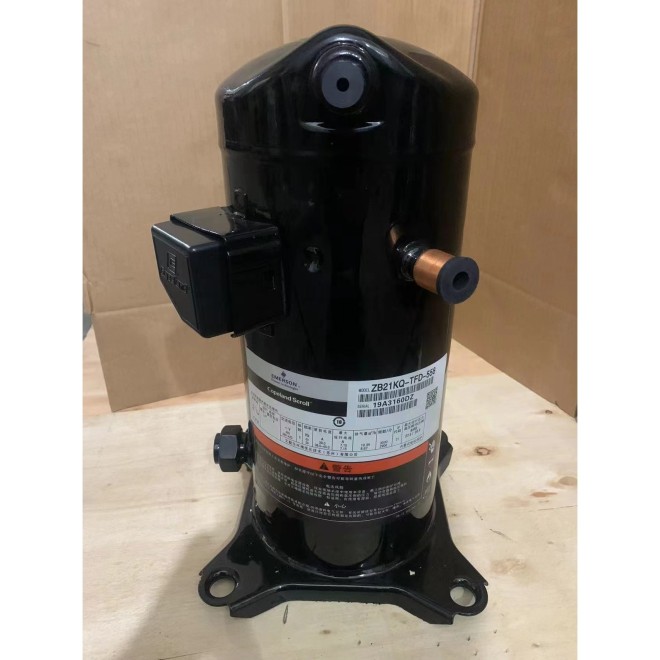
For cross-border supermarket sourcing, reefer containers transition between cargo ships, rail lines, and road trucks. Scroll compressors, such as Copeland and Daikin units, are engineered to withstand the continuous structural vibrations of rail and sea transport while operating efficiently on variable generator power.
The cold chain industry is undergoing a dual transition driven by environmental regulations and digital transformation:
Xinchang Weien Import & Export Co., Ltd. is a reliable integrated industry and trading company, serving as a one-stop sourcing hub for refrigeration equipment and spare parts. We understand that sourcing refrigeration components from multiple suppliers can be time-consuming, costly, and logistically challenging. That is why we have built a comprehensive supply chain to meet all your refrigeration needs under one roof.
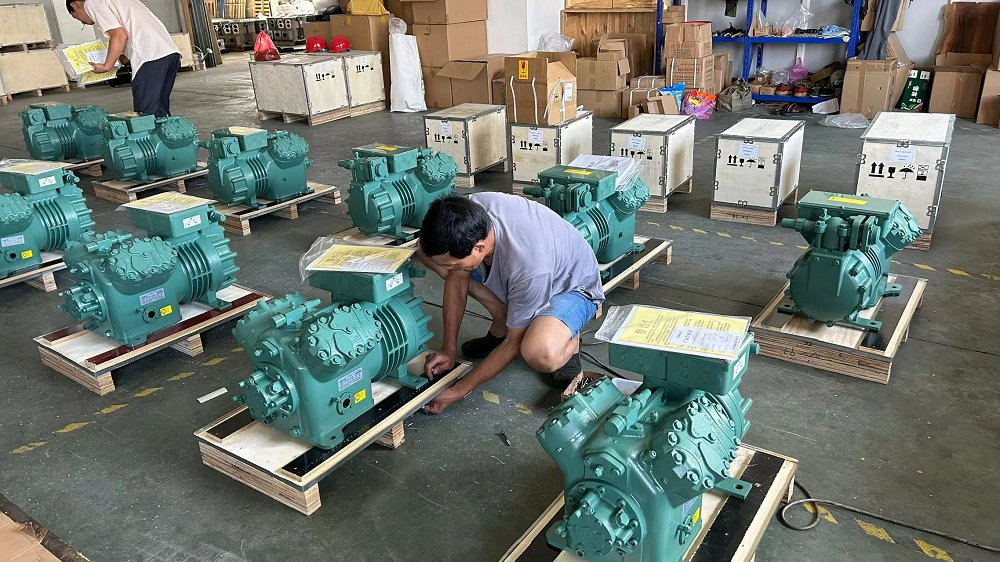
We specialized in providing robust, high-performance scroll condensing systems, refurbished compressors, and precision electronic components designed specifically to withstand the harsh operational demands of supermarket logistics fleets. By bridging the gap between quality manufacturing and global logistics demands, we ensure that your reefer fleet experiences maximum uptime and optimized thermal performance.
With a strong focus on quality and performance, we offer a comprehensive product portfolio compatible with world-leading brands such as Bitzer, Carrier, Thermo King, Copeland, and more. Our wide-ranging lineup covers everything from complete cold storage units to precision-engineered components.

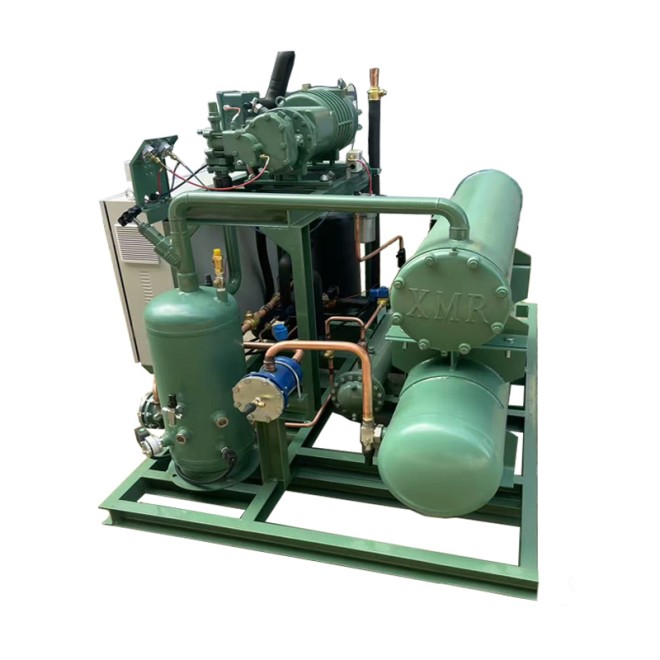
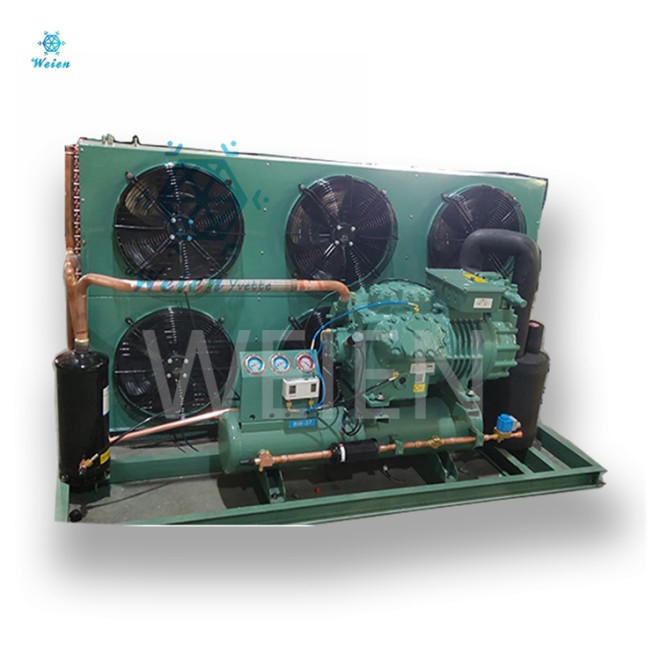
Tailored scroll and semi-hermetic condensing units optimized for stationary and mobile cold storage applications.

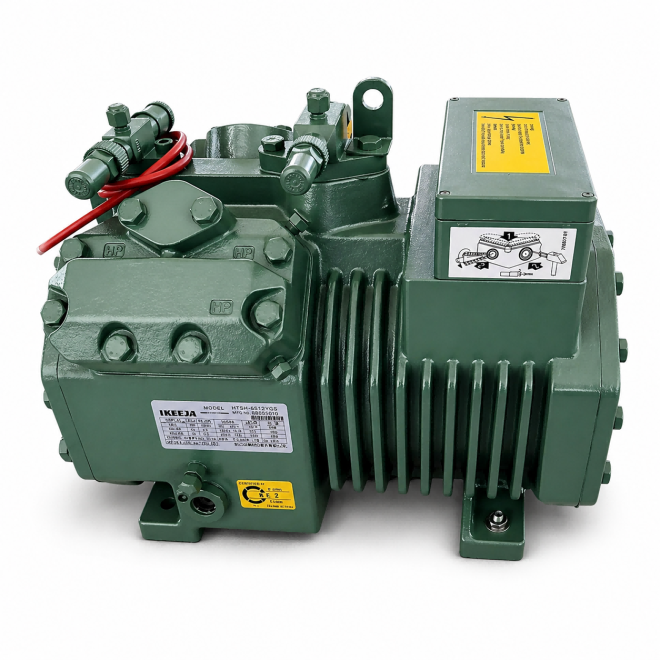
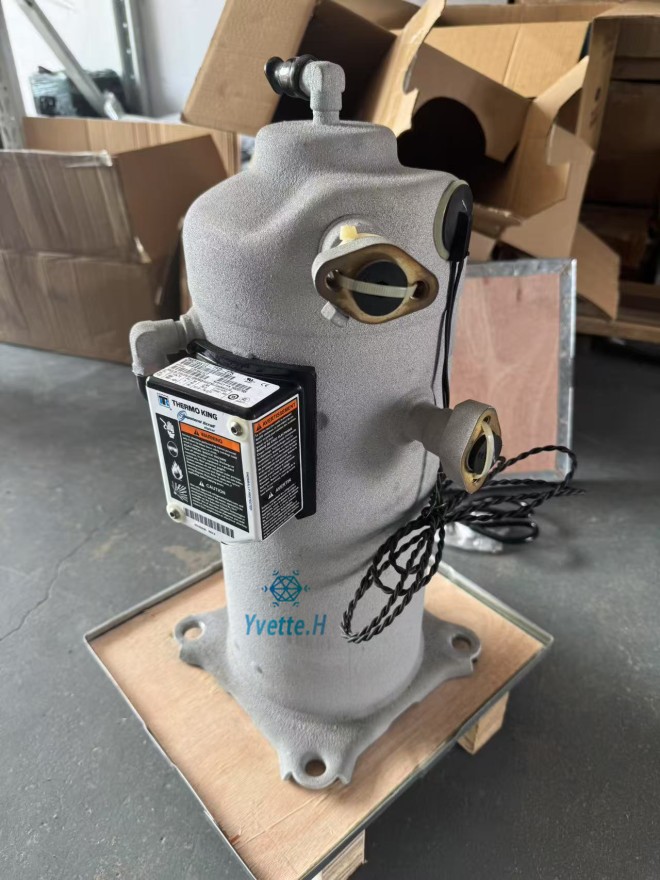
High-efficiency compressors from Copeland, Bitzer, and Carrier, refurbished to OEM standards for logistics fleets.

Precision replacement parts manufactured to tight tolerances to extend the working life of fleet compressors.

Critical elements ensuring smooth compressor lubrication and pressure stability during bumpy road transport.

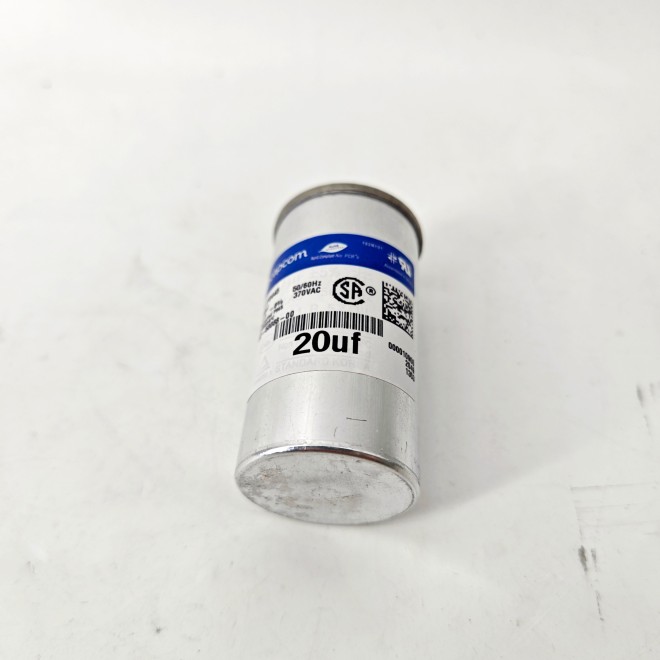
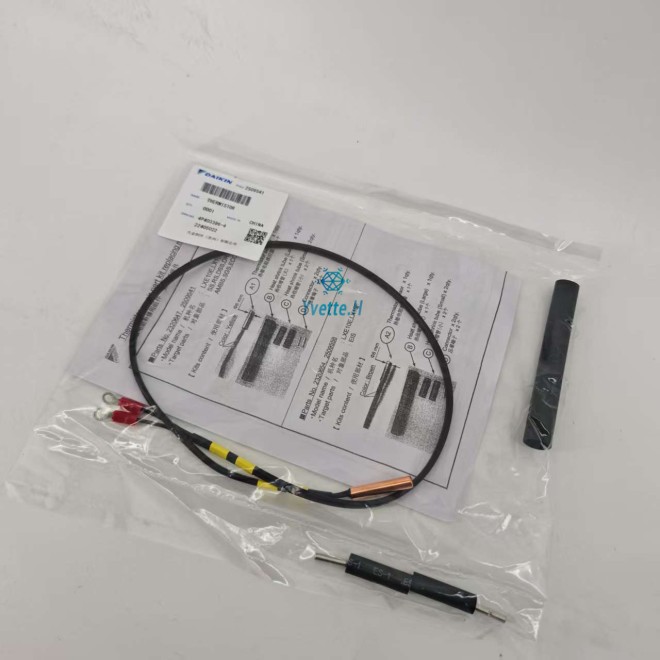
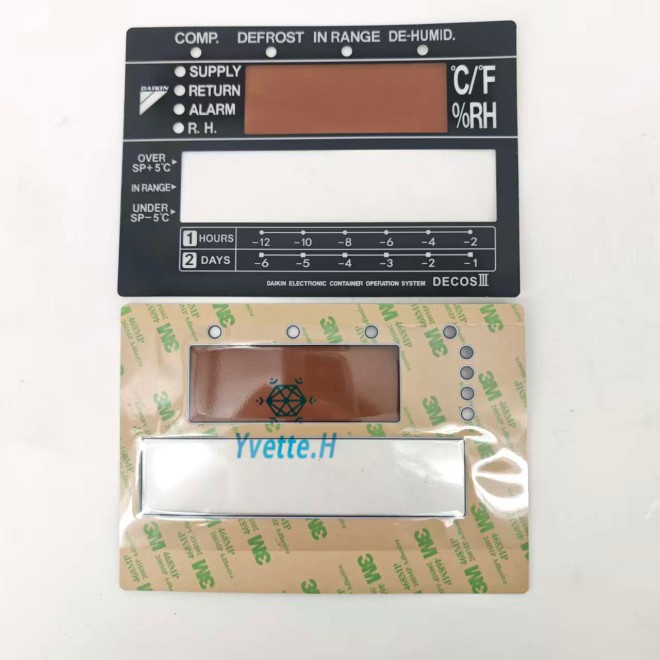
Reliable capacitors, thermistors, sensors, and controllers keeping your fleet refrigeration automation systems online.
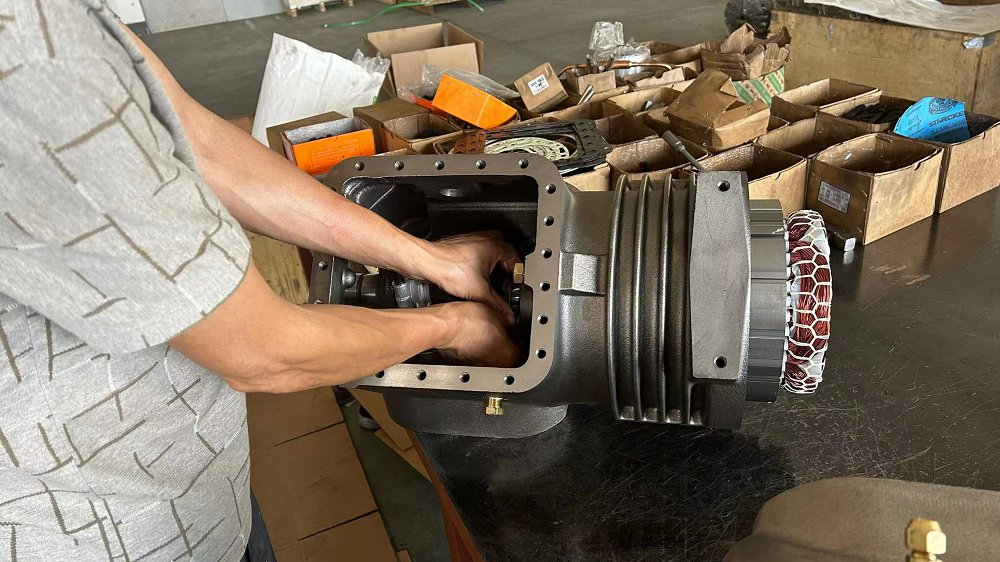

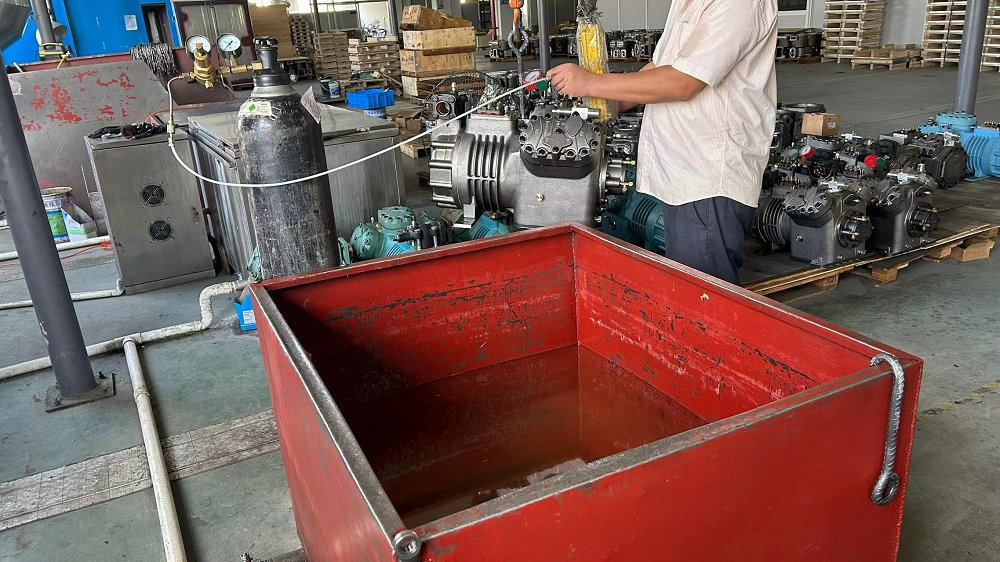
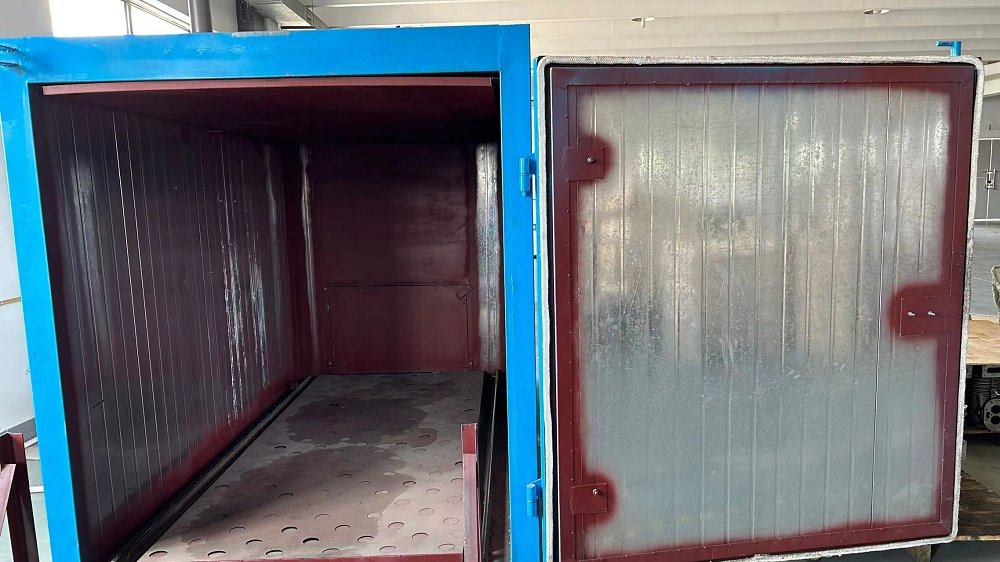
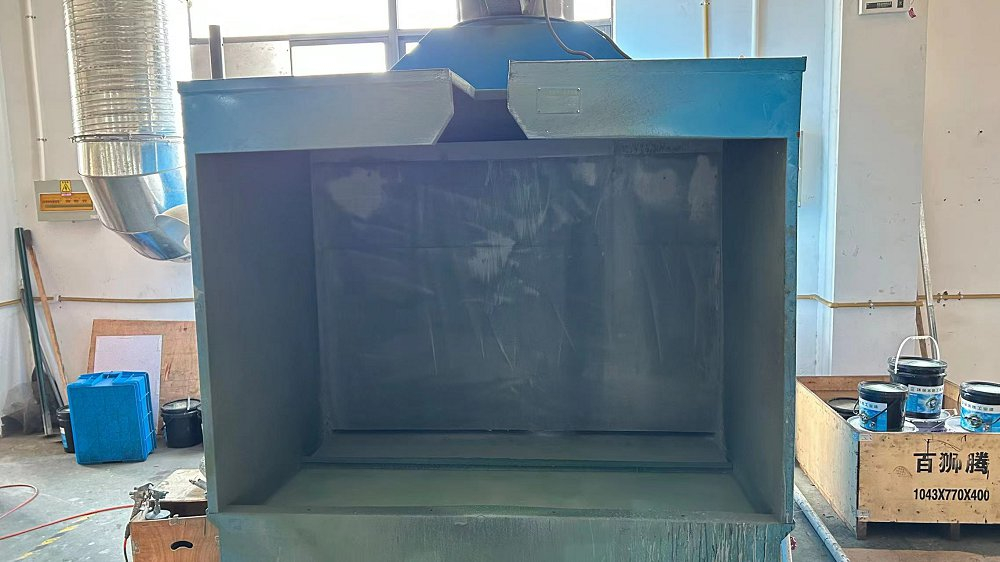
When configuring supermarket cold chain logistics fleets, fleet managers face a critical choice between scroll condensing units and traditional reciprocating units. A deep dive into the engineering mechanics explains why scroll technology is rapidly gaining dominance.
In mobile transport, rapid changes in evaporator loading (due to fluctuating ambient conditions or door openings) can cause un-vaporized liquid refrigerant to return to the compressor. In traditional reciprocating compressors, liquid refrigerant cannot be compressed, leading to catastrophic valve and piston damage. Scroll compressors, however, feature radial compliance. This allows the scroll wraps to separate slightly in the presence of liquid or debris, letting it pass through without causing mechanical failure, and then reseal immediately to continue normal operation.
Reciprocating compressors rely on the rapid back-and-forth movement of pistons, which creates significant structural vibration. Over time, this vibration weakens copper pipe joints, leading to refrigerant leaks—the number one cause of on-road transport cooling failures. Scroll compressors compress gas in a continuous, smooth rotational movement. This results in up to 75% less vibration and a dramatically quieter operation, protecting the physical integrity of the vehicle's refrigeration piping network.
Reefer containers rarely need to run at 100% capacity once the cargo has reached its setpoint temperature. Digital scroll condensing units modulate capacity by separating the scrolls axially for a brief period, stopping compression without stopping the motor. This allows the unit to run anywhere from 10% to 100% capacity, matching the thermal load of the trailer precisely. This prevents the constant cycling on/off of the compressor, saving thousands of gallons of diesel fuel annually across a large logistics fleet.
Weight is a critical factor for logistics fleets; lighter refrigeration units allow for higher cargo capacities. Scroll condensing units have a significantly higher power-to-weight ratio compared to semi-hermetic reciprocating units. Their compact design allows them to be easily mounted on the front nose of trailers or underneath truck chassis without consuming valuable cargo space.