
What Is an Industrial Condensing Unit?
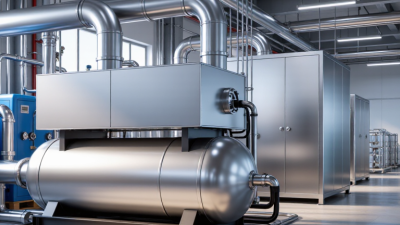
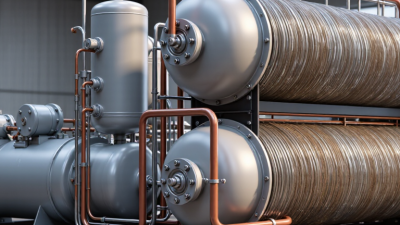
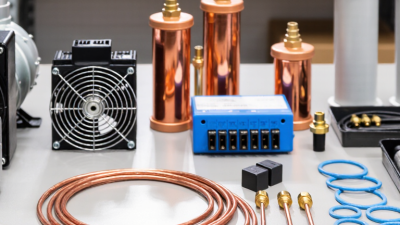
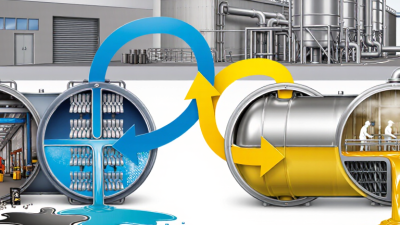
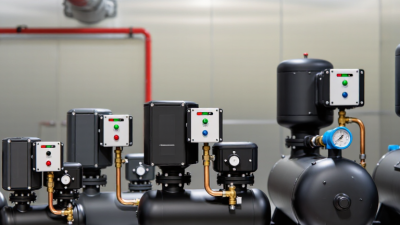
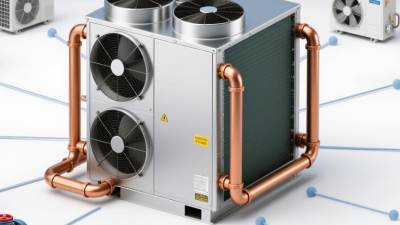
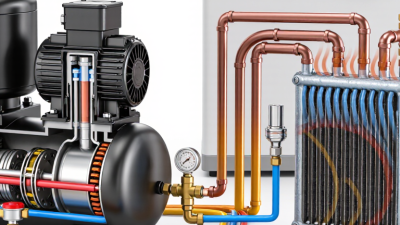
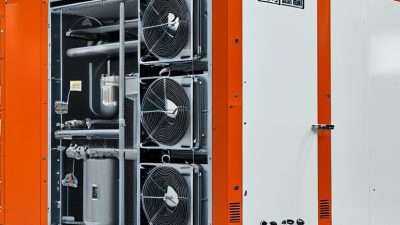
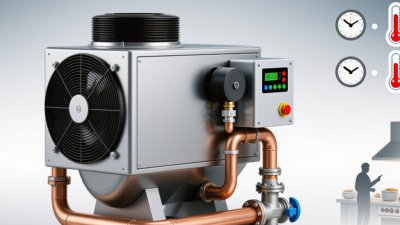
At the risk of sounding dramatic, an industrial condensing unit is pretty much the beating heart of most commercial and industrial refrigeration setups. Its job? It pulls heat from the refrigerant vapor and pushes it outside the space you're cooling. And what's inside? Typically a compressor, condenser, receiver, controls, and protective devices—all working together. Honestly, when these components all work together, you get cooling you can count on—for warehouses, food processing rooms, manufacturing lines, even distribution centers. That's a pretty big deal if you're trying to keep things running smoothly.
Honestly, picking the right unit isn't just about matching horsepower to room size—there's a lot more going on. You've got engineers looking at cooling load, ambient temp, refrigerant type, operating pressure, airflow, noise, and even how easy it'll be to maintain. And those little things really count. Take a condenser in a dusty area: once those fins get blocked, performance drops fast. Or think about a compressor that's poorly sized—it ends up cycling too often, wasting energy, and maybe even struggling during peak hours. So yeah, details matter. Small choices can make a big difference.
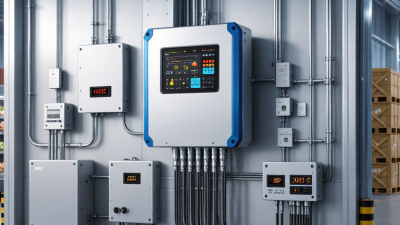
During commissioning, a good technician will also check oil return, vibration, wiring, and safety controls. Manufacturer data is still super important, because capacity shifts depending on suction temperature and condensing conditions. And of course, local codes and qualified pros should be the ones guiding installation and service. The thing is, one design doesn’t fit every facility—assuming it does just isn’t realistic.
Let’s be real—industrial condensing units aren’t exactly glamorous, but if you’ve got one on site, you need to know what makes it tick. In plain terms, this guide walks through what the unit actually does, how the main parts work together, and where things tend to go sideways. We’ll also touch on efficiency, reliability, and what maintenance really looks like day to day. One thing you learn fast is that real installations are messier than any diagram—condensation, corrosion, blocked airflow, and, yeah, sometimes human error are always in the mix. Once you really get those limitations, it makes a big difference—facility owners can make smarter choices and, just as importantly, ask the kinds of questions that actually matter before they buy or replace equipment.
Read more »